
Asthma results when triggers cause swelling of the tissues in the air passages of the lung, making it difficult to breathe. Typical symptoms of asthma include wheezing, shortness of breath, and coughing. Food triggered asthma is unusual. Although food allergies may trigger asthma in a small number of people. Check out how diet can affect asthma in different ways.
First, some foods can provoke asthma attacks by causing an allergic reaction.
Foods that trigger attacks (according to your susceptibility), can be:
- Foods containing the additives benzoates(E210-19), sulphites (E220-8) or gallates (E310-12)
- Cider, wine and beer
- Foods containing yeast or mould, such as bread and blue cheeses
- Foods, drinks and snacks containing colorings E102, E104 and E110
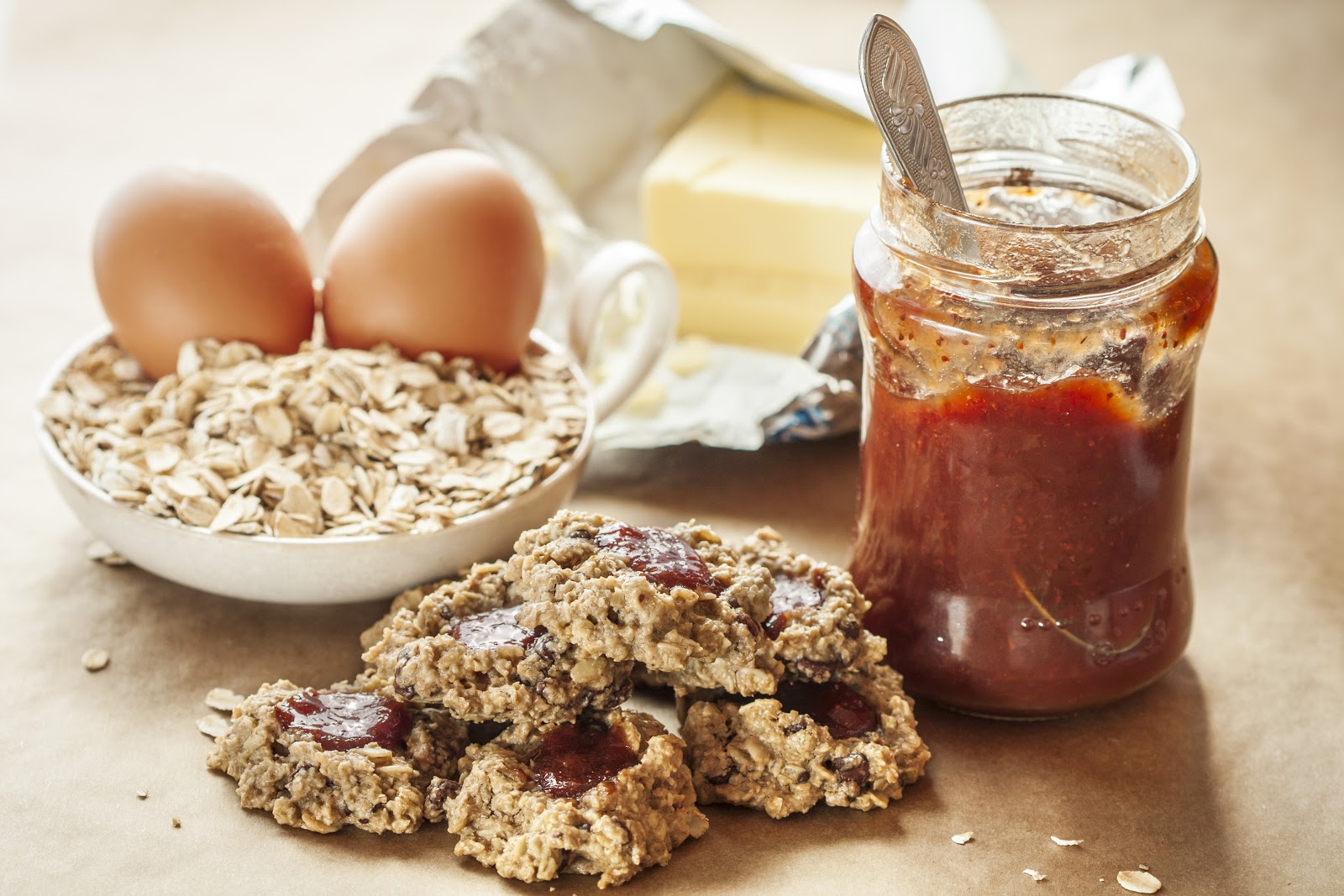
- Cow’s milk, cereals (wheat), eggs, fish, soy, and nuts (especially peanuts)
At the same time Food can also help to control the severity of an attack. One of the best-known foods for doing this is coffee, due to the caffeine.
Some Foods can actually dilate air passageways, by thinning the mucus and opening them up for freer breathing. The foods in this category include the spicy, pungent foods like chili, hot mustard, garlic and onions. These hot foods work by stimulating nerves, resulting in the release of watery fluid in the mouth, throat and lungs.
Thirdly, some foods can control inflammation of the airways because of their anti-inflammatory components. Foods that help to do this include onions (these are particularly good), fatty fish (fish oil is a proven anti-inflammatory high inomega 3 fatty acids) and vitamin C-packed foods.
EAT PLENTY OF
- Foods rich in the B vitamins such as green leafy vegetables and pulses
- Good sources of magnesium such as sunflower seeds and dried figs
- Broccoli may help protect against respiratory inflammation that causes conditions like asthma, allergic rhinitis and chronic obstructive pulmonary disease
According to a latest Medical News, low levels of vitamin D are associated with higher rates of asthma-related hospitalization, inhaled corticosteroid use, and airway hyper-reactivity in children.
Vitamin D levels were also associated with more direct markers of asthma severity, expressed as odds ratios for each log-10 unit increase in serum 25-hydroxyvitamin D:
Asthma hospitalization, OR 0.05 (95% CI 0.004 to 0.71)
Use of anti-inflammatory medication, OR 0.21 (95% CI 0.06 to 0.75)
Use of inhaled steroids, OR 0.14 (95% CI 0.02 to 0.96)
Increased airway responsiveness, OR 0.15 (95% CI 0.02 to 0.96)
Lack of adequate sun exposure was the most likely reason for low vitamin D levels in the study, the researchers said.
POTENTIAL TRIGGERS:
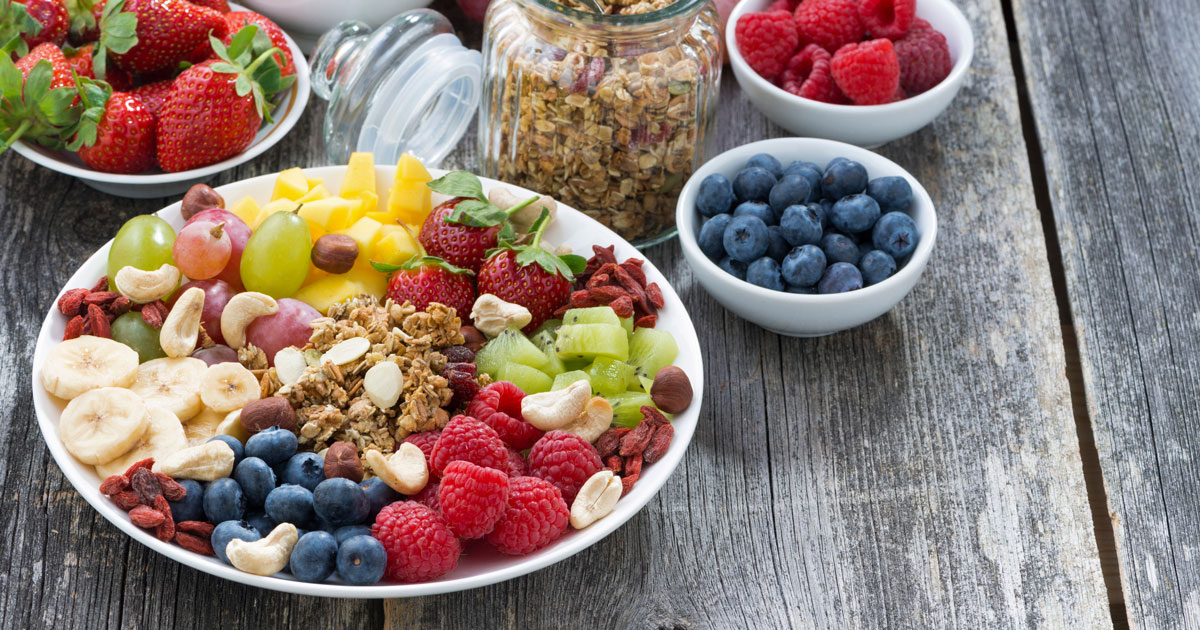
Because an allergy is highly individual condition, it is not possible to give a definitive list of ‘good’ and ‘bad’ foods. Those who suspect that foods are triggering their asthmatic attacks should keep a food diary and seek expert medical help.
Common foods that may trigger asthma in susceptible individuals, however, include cow’s milk, wheat and other cereals, yeast and foods containing mould, such as blue cheeses. Nuts (especially peanuts), fish and eggs can produce the most immediate and dangerous reactions.
Certain food additives may also be potential triggers in some people. The presence of sulphites must, by law, be indicated on the label of packaged foods, but it is not obvious when such foods are served in delicatessens or restaurants, where of course they do not have any labels. Sulphites are used in cider, beers and wines. These products may pose a risk for susceptible asthmatics when, for instance, they inhale the bouquet of a wine. Perhaps as a result of bacterial activity during production, some wines also contain levels of histamine that may occasionally prompt asthmatic reactions in susceptible people.
Benzoate preservatives, which are present in a range of products from soft drinks and reduced-calorie jams to chewing gum and fish roe, may bring on asthmatic attacks. Other potential triggers include the less common antioxidant additives – the gallates(E310-12 ), butylated hydroxyanisole (BHA or E320), and also butylated hydroxytoluene (BHT or E321) – which are used in certain fats and oils, as well as in some breakfast cereals.
In susceptible people, the food colourings E 102 (tartrazine, yellow), #104 (quinoline yellow) and E110 (sunset yellow) may also trigger asthma. Under EU legislation the presence of all these additives must be indicated on food labels.
HELPFUL FOODS:
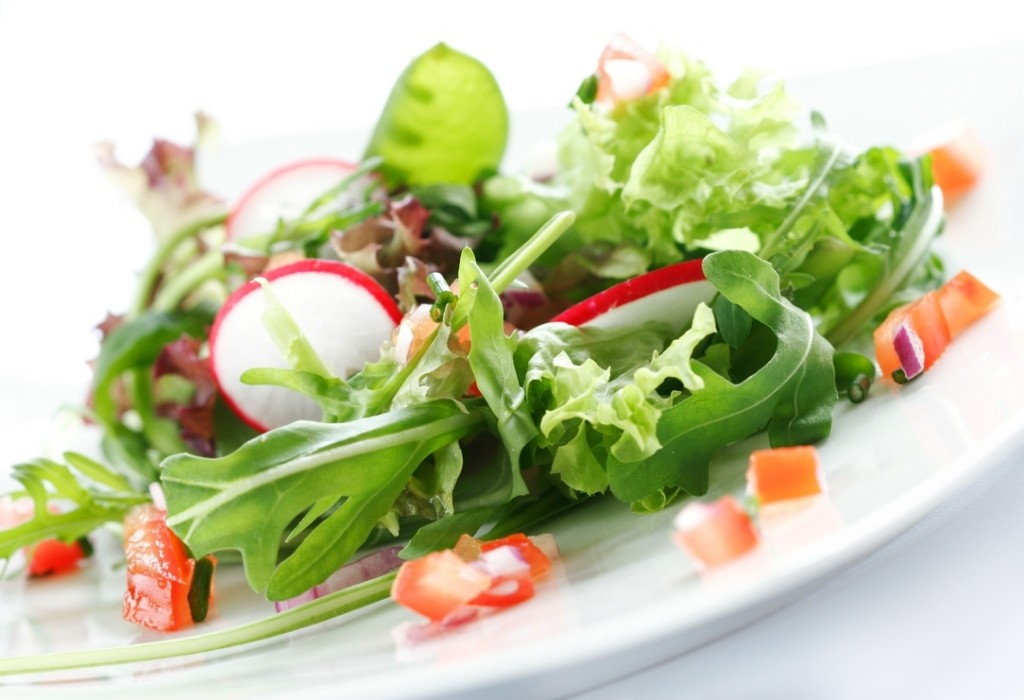
Foods containing the B vitamins, for example leafy green vegetables and pulses, may help asthmatics whose attacks are provoked by stress. There is also some evidence that asthmatics may have a tendency to be deficient in niacin and vitamins B6 and C.
Antioxidants – which include vitamin A from foods such as liver; betacarotene from brightly-coloured fruit and vegetables such as apricots, carrots and red or yellow peppers, and dark green leafy vegetables such as spinach; vitamin C from citrus fruits; and vitamin E from olive oil-may strengthen the lungs defences by mopping up Free radicals. These potentially harmful substances are generated as part of an asthmatic’s inflammatory response to air pollution or allergens.
Magnesium, found in fish, green vegetables, sunflower seeds and dried figs, may help by relaxing the airways. A British study carried out at the University of Nottingham in 1994 suggested that people with low levels of magnesium were more susceptible to asthma attacks. Current research also suggests that fatty fish such as salmon, mackerel, herring, sardines and cod may help toprotect against asthma. They are a rich source of the omega-3 fatty acids puttygen download , which are thought to have an anti-inflammatory effect.
Asthmatics sometimes take coffee to reduce the effects of attacks. Caffeine is chemically similar to theophylline, used in some medications to dilate the bronchial tubes and assist breathing. In emergencies, two cups of strong coffee should bring relief within 2 hours, with the effects lasting for up to 6 hours. However, coffee, tea and caffeine-containing cola drinks should be avoided by those taking theophylline as the combined effect can be toxic. A high intake of caffeine is also inadvisable if your attacks are triggered by anxiety.
Preventing Asthma Triggered by Foods:

- The best way to avoid food-induced or aggravated asthma is by avoiding or eliminating the food or food ingredient from your diet or the environment. Remember that these substances can be both released into the air or consumed when eating or drinking.
- Read ingredient labels on food packages and know where food triggers are found in foods.
- Work with your physician on a care plan and proper use of medications, you will be prepared to act in case of an asthma attack.