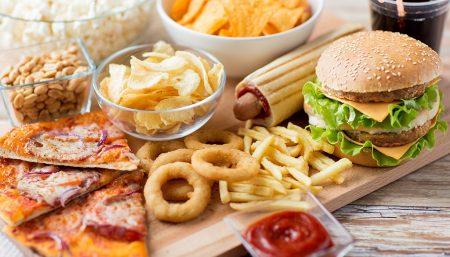
In recent decades the traditional three meals at home pattern has been replaced by snacking, junk foods and takeaways, contributing towards weight gain. This has been compounded by a decline in physical activity with expanding car ownership and new forms of home-based entertainment.
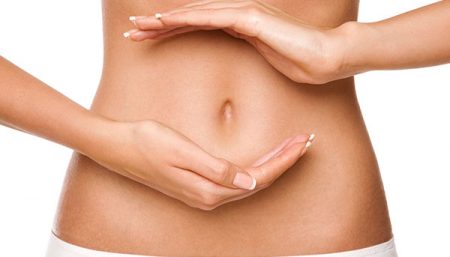
What has been further ignored is the importance of thorough mastication and regular bowel movements. Constipation, exemplified by a bloated abdomen, has been closely linked with obesity and could be avoided by means of regular habits, abdominal exercises and a high fibre diet.
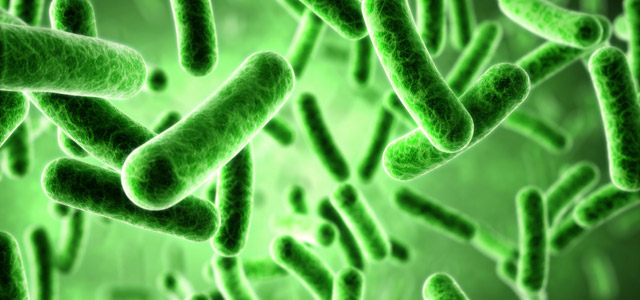
When food is not chewed to a creamy consistency, it is left undigested and most of it inevitably turns into toxic waste. When food is eaten without chewing, toxins are consumed instead of nutrients. For optimal health we need to have 80-85% of “good” bacteria in our intestines. Friendly bacteria manufacture many essential nutrients for our body, including vitamin K, B-vitamins, numerous helpful enzymes and other vital substances. Such “good” or Aerobic bacteria thrive in the presence of oxygen and require it for their continued growth and existence. In absence of enough oxygen in the cells of our body, “bad” bacteria take over and begin to thrive, causing an extreme amount of infections and disease. The pathogenic bacteria are anaerobic, and cannot tolerate gaseous oxygen. Taking care of our intestinal flora is vitally important! “Good” bacteria could be easily destroyed with countless factors, such as antibiotics, poor diet, overeating, stress, etc.
It has been researched that in the intestines of the healthiest individuals the ratio of “good” to “bad” bacteria is usually maintained at 85:15. It is interesting that healthy natural soil has the same ratio of bacteria as healthy human intestines. Having 15% of “bad” bacteria is essential to maintaining a strong immunity. According to multiple studies, in reality most people have a reversed version of this ratio. They usually have approximately 90% “bad” bacteria and only 10% “good” bacteria living in their bowels.
Bad bacteria and many other harmful microorganisms thrive in an acidic bodily environment (produced by sugar, wheat, meat), so consume a diet consisting largely of alkaline-producing foods (fresh fruits and vegetables, sprouted grains and nuts). |
Lifestyle factors to promote development of “Good Bacteria “
 Daily intake of a specific form of lactic acid bacteria could help prevent obesity and reduce low-level inflammation. Cultured foods like raw milk yogurt and kefir, some cheeses, and sauerkraut are good sources of natural, healthy bacteria, provided they are not pasteurized.
- Eat whole grains, beans, nuts and other seeds, fruits and vegetables. Portions of these foods cannot be absorbed in your upper intestinal tract, so they pass to your colon and provide the medium for a flourishing colony of good bacteria to grow there.
- Follow a low-fat diet. Too much fat can disrupt the good flora in your body. Fats should account for only 30 percent of your daily diet, ideally derived from monounsaturated fats and healthy oils such as olive and canola.
- Avoid consuming sugar, including fructose, and processed foods (which virtually all contain added sugar and fructose). The sugars serve as fuel for the growth of pathogenic anaerobic bacteria, fungi and yeast, and competitively inhibit your good bacteria, tending to crowd them out of their appropriate niche. These pathogenic bacteria, fungi and yeast then produce metabolic waste products that will cause your health to deteriorate.
- Pickle of a variety of fruits and vegetables using old-fashioned methods is another way to add beneficial bacteria into your diet.
- See your gynecologist regularly for pelvic exams. Many women with bacterial vaginosis,
 which occurs when harmful bacteria is uncontrolled by good bacteria, are asymptomatic, making detection and treatment important.
- Avoid douching, says WomensHealth.gov. This disrupts the normal bacteria that prevent the bad bacteria from multiplying and is not necessary. Wash the vaginal area every day with mild soap, avoid tight pants and wear cotton underwear to create an environment that does not promote the growth of bad bacteria.
- Limit your intake of antibiotics. Antibiotics kill good bacteria along with the bad, including the bacteria in your colon. Killing the good bacteria can allow harmful bacteria to grow, such as C. difficile, which can cause irritation and infection of the colon. Only take antibiotics as prescribed by your physician, and do not take antibiotics that belong to someone else.
- Just like a healthy diet, exercise can contribute to general good health and therefore to a healthy immune system. It may contribute even more directly by promoting good circulation, which allows the cells and substances of the immune system to move through the body freely and do their job efficiently.
The above lifestyle and dietary changes can help restore good bacteria in your colon and prevent un-wanted weight gain.
Reference:
Disclaimer
The Content is not intended to be a substitute for professional medical advice, diagnosis, or treatment. Always seek the advice of your physician or other qualified health provider with any questions you may have regarding a medical condition.