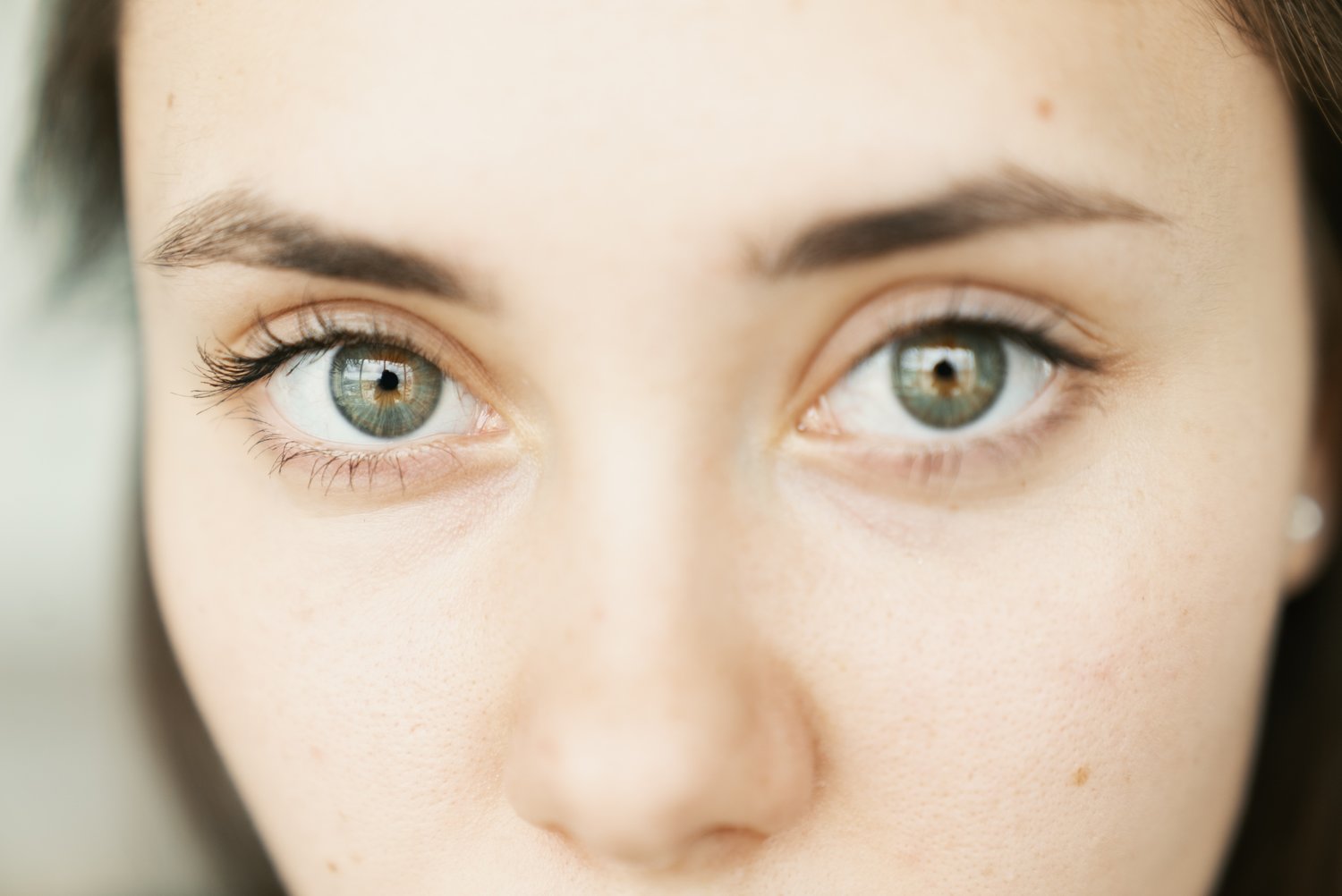
Any material such as dust, sand or paint that gets into the eye is called a foreign body. A foreign body in the eye may cause irritation, redness, watering and blurred vision. The Foreign body may either stick to the front of the eye, or penetrate the outer layer of the eye (cornea or sclera) and enter the eye (these objects travel at high speed and are commonly made of metal). The foreign material may have become stuck under the upper lid, whereby every time the eye opens and closes the pain increases.
An object floating on the white of the eye can usually be removed easily . However anything that sticks to the eye, penetrates the eyeball or rests on the coloured part of the body eye should be treated an eye wound.
Follow the steps to remove the Superficial foreign body:
-
Sit the victim down so that he or she is facing the light . Using your finger and thumb gently separate the upper and lower eyelids. Examine every part of the eye.
-
If you can see a foreign body floating on the white of the eye try to flush it out with clean water. Tilt the head so that the damaged eye is lower than the uninjured one. Pour water into the corner of the injured eye allowing it to drain away without it getting into the uninjured eye. Blinking under water may also make their foreign body float clear.
-
If flushing out the eye with water is unsuccessful, try using the corner of a clean dampened handkerchief or tissue to lift the foreign body off the white of the eye.
WARNING
- Do not touch the affected eye or allow the victim to touch it
- Do not try to remove a foreign body with cotton buds, matchsticks or any other type of solid object.
- Do not remove a foreign body embedded in the eye.
-
If the object is under the upper eyelid and you cannot remove it using a tissue, ask the victim to grasp the lashes and pull the upper lid over the lower one . This may help to brush the object out of the eye .
-
If you are not able to remove the foreign object from the eye take the victim to hospital. Tell your doctor what you were doing at the time of the injury, or what materials you may have been working with. He or she, will examine the eye using a slit lamp microscope or fluorescent stain, which helps to detect any foreign material on the surface of the eye. The material can be removed using a cotton bud, although occasionally a small needle may be required to lift any embedded particles from the eye. This is carried out with local anaesthetic drops and does not hurt.
-
Afterward, antibiotic medications are generally prescribed to prevent infection.

Wear protective glasses or goggles to prevent foreign bodies entering your eyes. For example, when:
- welding
- using a grinder
- using a sander
- using a Strimmer
- doing DIY.
CHEMICAL IN THE EYE
Chemical injuries to the eye can cause various damage including blindness if they are not treated quickly. Follow the steps shown here, except if a person has been exposed to CS gas. To help to disorders CS gas do not flush out the eye but turn the victim’s head to the wind.
WARNING
Do not touch the affected eye or allow the victim to touch it.
-
Hold the victim’s head under a running taps so that water runs over the eye for at least 10 minutes . Make sure that the contaminated rinsing water does not splash you or the victim . If it is easier use a jug or glass to pour the water.
-
If the victim is unable to open the eye, gently pull her eyelids apart in order to clean all parts of the eye and eyelids.
-
Ask the victim to hold a sterile pad, or pad made from clean, nonfluffy material, over the injured eye. If possible, identify the chemical. Take or send the victim to the hospital.

A black eye is usually caused by direct trauma to the eye or face. Certain types of skull fractures (injury that disrupts bone tissue) can result in bruising around the eyes, even in the absence of direct trauma to the eye(s). Bleeding under the skin causes a bruise and the discoloration associated with it. The tissue surrounding the eye turns black and blue, and then it gradually becomes purple, green, and yellow before the abnormal coloring disappears within 2 weeks. Bleeding inside the eye can reduce vision, cause glaucoma, or damage the cornea.
Related Links
- Eye Care
- Eye check-ups
- Pterygium or Callus on the Eye
- Allergic Conjunctivitis or allergy eyes
- Summer Sun to Blame for eye Disease
Disclaimer
The Content is not intended to be a substitute for professional medical advice, diagnosis, or treatment. Always seek the advice of your physician or other qualified health provider with any questions you may have regarding a medical condition.