The amount of glucose (sugar) in your blood changes throughout the day and night. Your levels will vary depending upon when, what and how much you have eaten, and whether or not you have exercised.
According to ADA, the categories of Normal Blood Sugar:
A normal fasting blood glucose level is less than 110 mg/dl. A diagnosis of diabetes is made if your blood glucose reading is 126 mg/dl or higher.
A normal blood glucose range at random is in the low to mid 100s. A diagnosis of diabetes is made if your blood glucose reading is 200 mg/dl or higher.
A normal blood glucose reading two hours after drinking the sugar-water solution is less than 140 mg/dl, and all readings between zero to two hours are less than 200 mg/dl. Diabetes is diagnosed if your blood glucose levels are 200 mg/dl or higher.
In an interview of Dr Mark Vinick(4 Jan,2011), regarding the importance of certain herbs and foods for supporting healthy blood sugar levels. He talks about certain herbs helpful in regulation and maintenance of blood glucose level, in this article we talk more about individual herbs and their relevance.
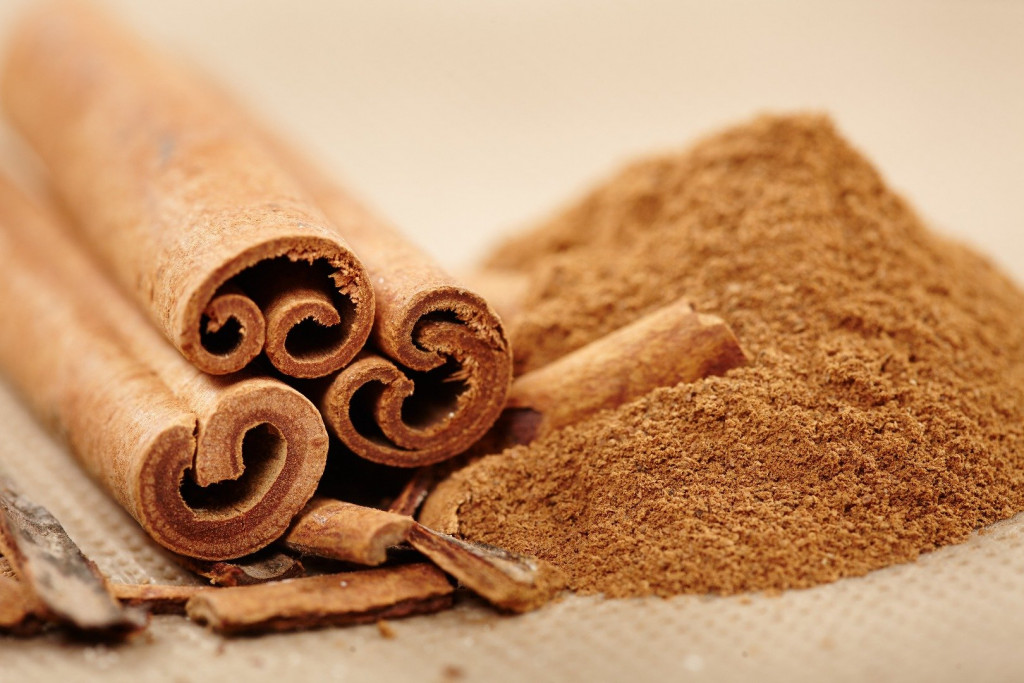
- Cinnamon– is used to help maintain healthy blood sugar levels. Dr. Richard A. Anderson and his colleagues at the Human Nutrition Research Center of the U.S. Department of Agriculture screened extracts of a number of commonly consumed plants to see how well they could mimic the effects of insulin, a protein hormone that is responsible for regulating our blood sugar levels. From a selection of 49 culinary and medicinal plants, they found in laboratory tests that cinnamon was far more effective than any other plant in fulfilling insulin’s appointed role. Further research by Dr. Anderson’s group established that the active component in cinnamon responsible for its insulin-like activity is a water-soluble chemical compound called methylhydroxychalcone polymer, or MHCP. They found that MHCP was highly effective, providing essentially the same biological activity as insulin itself. It was effective not only in increasing the uptake of glucose (blood sugar) by cells, but also of stimulating the synthesis of glycogen, a polymeric form of glucose that is stored primarily in the liverand muscle tissues for use at times of peak energy demand, such asexercise. Type II diabetics should take a quarter to one full teaspoon of cinnamon per day.
- Gymnema sylvestre or grumar- is used to support healthy blood glucose, cholesterol and triglyceride levels, all within existing normal, healthy levels. Research confirm that the leaf’s chief ingredient gymnemic acid not only blocks the taste of sugar, but also that of artificial sweeteners. This is because gymnemic acid’s molecular structure is similar to that of sugar. If gymnema molecules serve as “sugar stand-ins,” the taste buds are satisfied and do not require the real deal. It stands to reason that if your sweet tooth has all but disappeared with this herb, you are less likely to consume high sugar items that will negatively impact your glucose or blood sugar levels. Scientific studies suggest that Gymnema Sylvestre can increase pancreatic function, which can in turn impact the production of insulin and control blood sugar. This ability is promising for managing a host of conditions including diabetes and hypoglycemia. In fact, a 1999 study of Gymnema Sylvestre and the Simulation of Insulin conducted by a group at Kings College showed that the Gymnema Sylvestre leaf can direct certain pancreatic cells to increase their release of insulin.
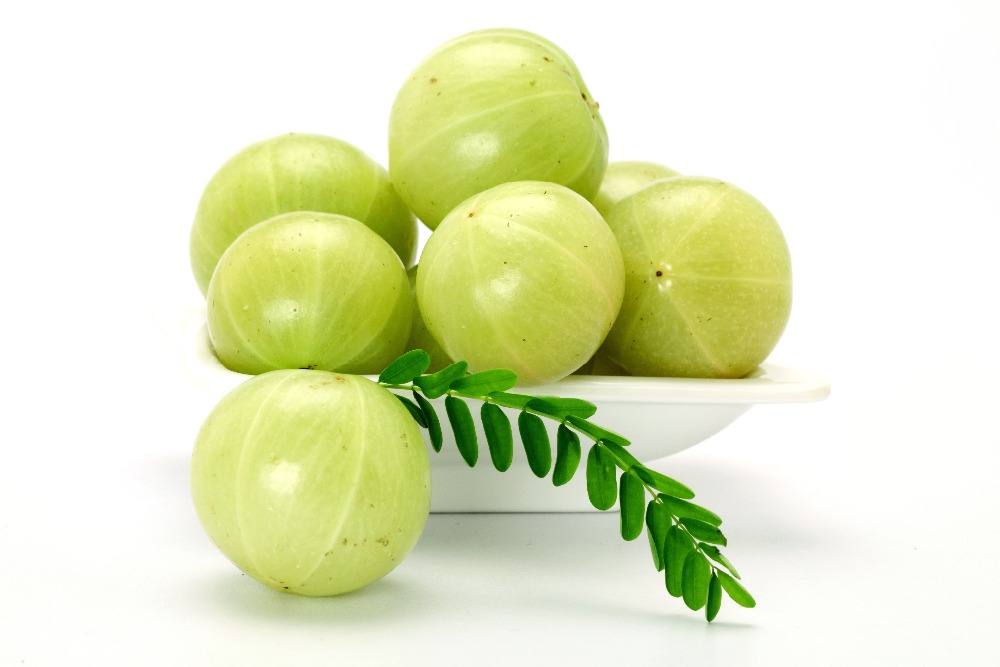
- Amalaki, or Indian gooseberry– also is a powerful rejuvenator and cleanser and tonic at the same time, so it will help with scavenging, eliminating the free radicals that the high blood sugar creates in the body. It stimulates the group of cells which secrete the hormone insulin, thus blood sugar level are reduced in diabetic patient. Chromium available in Amalaki also helps to bring down the blood sugar level. Further the eyesight complications caused by diabetes can be prevented using Amalaki.
- Tribulus terrestris or gokshura– basically, this is also added many times to help support the kidney and the liver because over time, high blood sugar levels damage these organs also. Gokshura is a herb for hormonal balance, liver stimulation, reducing blood glucose, glucose toxicity impact in diabetics subjects and rejuvenating the urinary tract, kidneys, and reproductive organs.
- Turmeric– According to Dr Vinick “It is a spice that is also extremely useful for eliminating free radical damage that can happen as result of excess sugar levels in the body. So, it’s a supportive nutrient.” According to a study published inPubMed.gov “Administration of turmeric or curcumin to diabetic rats reduced the blood sugar, Hb and glycosylated hemoglobin levels significantly. Turmeric and curcumin supplementation also reduced the oxidative stress encountered by the diabetic rats.”
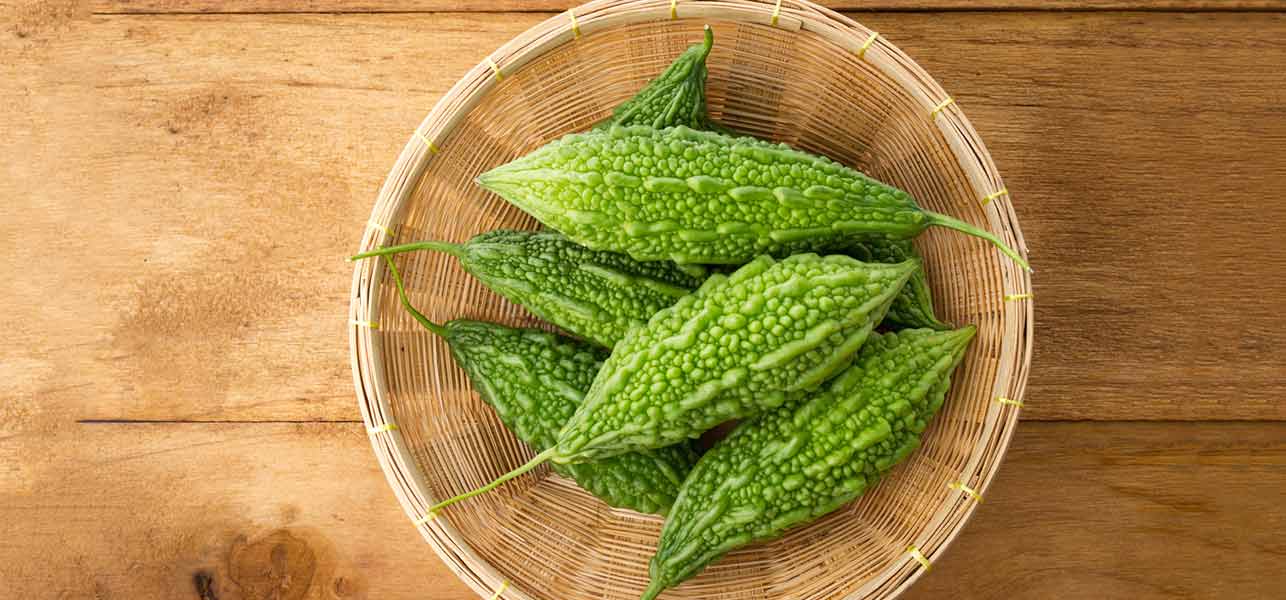
- Bitter Melon– Researchers believe bitter melon may lower blood sugar by increasing the activity of hexokinase and glucokinase, enzymes in your body that convert sugar into glycogen, which can be stored in your liver and used later for energy. A two-day Indian study published in 1999 examined bitter melon’s effect on 100 people with type 2 diabetes. On both days, researchers tested the participants’ blood sugar levels in a fasting state and after drinking glucose. Participants took 150 to 200 mi of bitter melon extract on the second day. That day, researchers found that 86 percent of the participants experienced an average 14 percent drop in blood sugar after fasting and after drinking glucose. Diabetics over-produce many fats in the body, including LDL cholesterol, triglycerides, and so on. Lipolytic enzymes (lypases) are at least partially blocked by diabetes. So, they also become less able to “burn fat” inside the many kinds of tissues in the body, and tend to produce too much sugar and fat in the liver. Scientific studies reveal that Bitter melon tends to improve all of these processes. To take it, slice the unpeeled fruit lengthwise, remove the seeds, cut it into thin slices, and steam or boil them until the fruit is tender enough to cut with the edge of a spoon. Place the fruit with equal amount of water in a blender and puree for two minutes. Drink 1/4 to 1/2 cup once a day. Or substitute bitter melon juice, found in groceries. Look for the liquid extract in natural food stores; take 1/4 to 1/2 teaspoon up to three times daily.
- Galega officinalis– (also known as Goat’s Rue, French Lilac, Italian Fitch or Professor-weed) is a plant from the Galega genus of the Faboideae. Galega officinalis has been known since the Middle Ages for relieving the symptoms of diabetes mellitus. Upon analysis, it turned out to contain guanidine, a substance that decreases blood sugar by decreasing insulin resistance. Chemical derivatives from the biguanide class of medication include metformin (Glucophage, commonly prescribed for diabetics) and the older, withdrawn agent phenformin. This herb actually decreases the cellular resistance to insulin, allowing the cells to utilize the insulin more efficiently in metabolizing glucose. It also decreases the absorption of glucose from the small intestine. It reduces the formation of glucose in the liver, and it increases the uptake and utilization of glucose in the fat and muscle cells throughout the body. Non-insulin dependent diabetics are able to better maintain blood glucose levels closer to the normal range, while insulin dependent diabetics are often able to reduce their insulin dosage and more easily maintain stable levels of the blood glucose.
Note: Consult a specialist on effectiveness and dosage of herbs.