| |
 |
 |
 |
|
|
|
|
| |
|
 |
HDL (good) cholesterol acts like a housekeeper for your blood, mopping up excess LDL and tossing it in the trash (your liver) for disposal.
Read on....
|
|
|
|
|
|
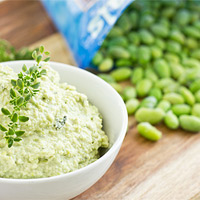 |
Edamame, is called a star legume for being a power house of�nutrition�One cup has at least 6 percent of the recommended daily intake of all nutrients except�vitamin D.
Read on....
|
|
|
|
| |
|
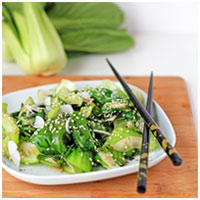 |
Regular consumption of a variety of foods containing plant sterols results in the lowering of LDL-cholesterol�levels, while having no detrimental effect on HDL-cholesterol levels (often referred to as good cholesterol). This would benefit those who want to lower their blood cholesterol levels, i.e., especially those who have moderate to high blood cholesterol.
Read on....
|
|
|
|
|
|
 |
The build-up can also lead to high
blood pressure. Eating more frequently during the day means there are no
sudden spikes of fatty acids, enabling the body to deal with the intake more
effectively.
Read on....
|
|
|
|
|
|
 |
High cholesterol is a leading risk factor for heart disease. Excess cholesterol in the bloodstream can form plaque in artery walls. This plaque causes arteries to become thicker, harder, and less flexible.
Read on....
|
|
|
|
| |
|
 |
Cholesterol is a soft, waxy substance found among lipids (fats) in the bloodstream and cells. Cholesterol isn't all bad. Our bodies use it to form cell membranes, for example. But too much cholesterol in the bloodstream can be unhealthy, and lead to coronary heart disease.
Read on....
|
|
|
|
| |
|
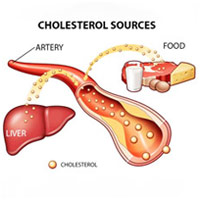 |
About two in three adults have a cholesterol level that is higher than recommended. Having high cholesterol affects your heart and blood vessels and increases your risk of developing cardiovascular disease (CVD). High cholesterol causes fatty deposits (known as plaques) to build up inside your blood vessels.
Read on....
|
|
|
|
| |
|
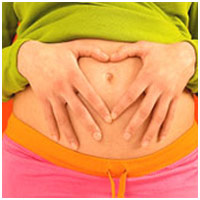 |
Recently, studies have shown that pregnant women who have high blood cholesterol are at risk of developing pre-eclampsia, a life-threatening condition where the pregnant woman�s blood pressure becomes dangerously high that is directly correlated to pregnancy and high cholesterol. Read on....
|
|
|
|
| |
|
 |
|
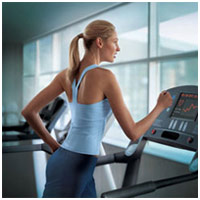
A sufficient weekly volume of exercise can lower both total cholesterol and LDL-cholesterol and increase HDL-cholesterol (the ''good'' cholesterol).
Read on....
|
|
|
|
| |
|
 |
Cholesterol is a fatty substance found in every human cell. Not only does it help our bodies to make vitamin D, it's necessary for the absorption of essential fatty acids and for the production of sex hormones. 'Good' cholesterol, or high density lipoproteins (HDL), occurs naturally in the blood and disposes of surplus cholesterol, helping to protect us against heart disease.
Read on....
|
|
|
|
| |
|
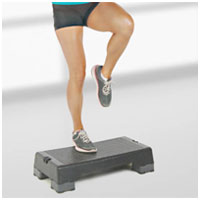 |
You may have known that step aerobics can burn calories and is a good exercise for the heart, but did you know that research specifically has found step aerobics can step up your good cholesterol levels.
Read on....
|
|
|
|
|
|
 |
Anyone can have high blood cholesterol. Also, as there are no warning signs, you may be surprised to learn that you have high blood cholesterol. The best way to lower your high blood cholesterol is to eat foods low in saturated fat, total fat, and cholesterol; be more physically active; and lose weight, if you are overweight.
Read on....
|
|
|
|
|
 |
High cholesterol is a leading risk factor for heart disease. Excess cholesterol in the bloodstream can form plaque in artery walls. This plaque causes arteries to become thicker, harder, and less flexible. Eventually, cholesterol will slow down or even stop the blood flow to the heart. When cholesterol becomes so thick that it blocks the flow of blood completely, a clot may form, which results in a heart attack.
Read on....
|
|
|
|
|
|
|
|
|
|
| |
|
|
| |
|
|
|


