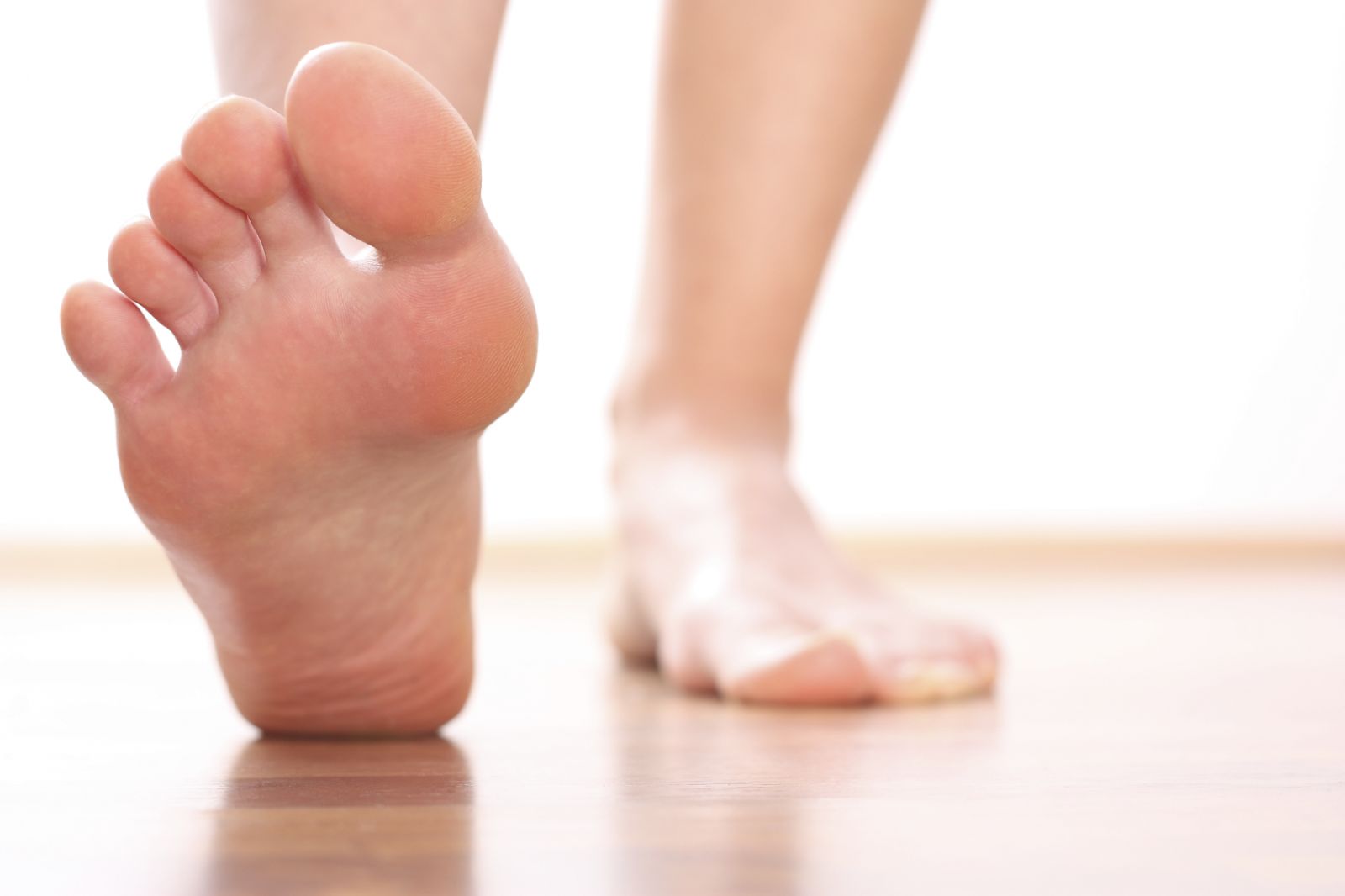
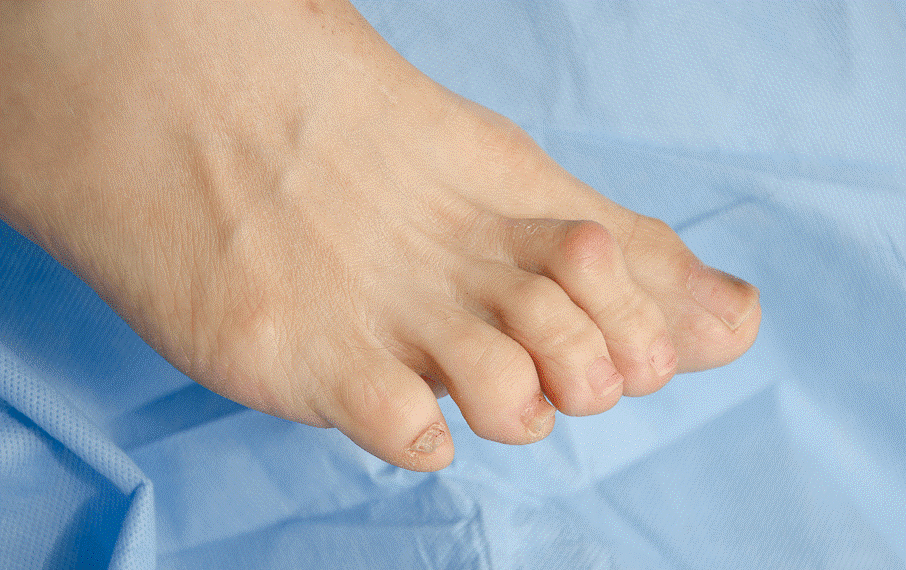
The foot is a highly mechanical apparatus, made of many bones and other coordinated structures. The foot carries the entire weight of the body and propels us forward when we stand, walk, and run. Deformities of the toes like, claw toe, can often cause pain and a loss of function in the use of the foot. Failure to treat these condition may contribute to the development of serious and disabling changes in habitual ways of walking and carrying the body. A claw toe is a toe that is contracted at the PIP and DIP joints, and can lead to severe pressure and pain. Ligaments and tendons that have tightened cause the toe’s joints to curl downwards. Claw toes may occur in any toe, except the big toe. There is often discomfort at the top part of the toe that is rubbing against the shoe and at the end of the toe that is pressed against the bottom of the shoe.
Type
Claw toes are classified based on the mobility of the toe joints. There are two types –
- flexible – In a flexible claw toe, the joint has the ability to move. This type of claw toe can be straightened manually.
- Rigid – A rigid claw toe does not have that same ability to move. Movement is very limited and can be extremely painful. This sometimes causes foot movement to become restricted leading to extra stress at the ball-of-the-foot, and possibly causing pain and the development of corns and calluses.
Cause
Claw toes result from a muscle imbalance which causes the ligaments and tendons to become unnaturally tight. This results in the joints curling downwards. Various neurological condition that can lead to claw toes are:
- Diabetes
- Rheumatoid or osteoarthritis
- Alcoholism
- Charcot-Marie-Tooth disease
- Spinal cord tumors
- Polio
- Stroke
The tightening of the ligaments and tendons of the toe, causes a buckling of one or more joints of the toe. The result is a cocking of the toe upward, whereas in a normal foot, the toes lie flat.
Shoes can then rub on the top of the cocked toe, eventually causing painful corns or calluses.
If the deformities are not treated, the toe may become permanently fixed and rigid.
In claw toe, all of the toes tend to be affected, not just one or two.
Symptoms of Claw Toe?
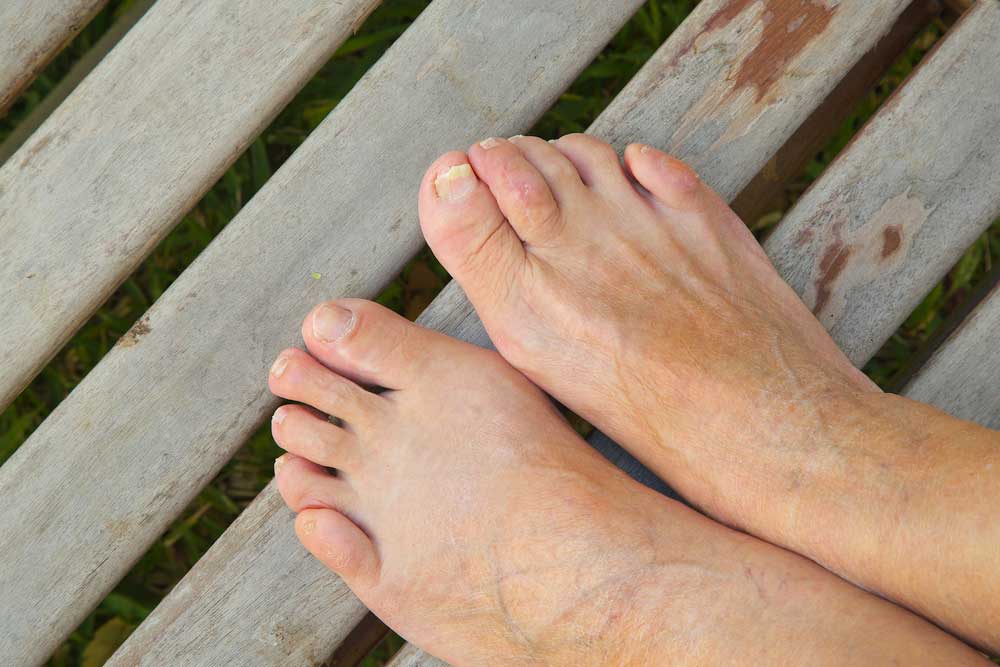
The main symptom is pain. There will also be an obvious claw-shaped deformity to the affected toes, in addition to pain and calluses caused by the upper part of the toes rubbing against the shoe. Corns or calluses may also develop on the tip of the toes from pressure and rubbing on the bottom of the shoe. Patients may find it difficult finding shoes that do not cause pain, and infections may develop as a result. Ulcers may develop in patients with diabetes because of decreased sensitivity in the foot.
Treatment and Prevention
Changing the type of footwear worn is a very important step in the treatment of claw toes. When choosing a shoe, make sure the toe box (toe area) is high and broad, and can accommodate the claw toes. A shoe with a high, broad toe box will provide enough room in the forefoot area so that there is less friction against the toes. Other conservative treatments include using forefoot products designed to relieve claw toes, such as toe crests and hammer toe splints. These devices will help hold down the claw toe and provide relief to the forefoot. Gel toe shields and gel toe caps are also recommended to eliminate friction between the shoe and the toe, while providing comfort and lubrication. If the problem persists, consult your foot doctor.
- Wear shoes with soft and roomy toe boxes
- Perform regular Strengthening toe muscles exercises, such as picking up marbles with the toes and stretching exercises
- Stretch the upper part of the shoe to help accommodate a fixed claw toe
- Wear soft pads in the shoe over the corns or calluses.
If the claw toe condition is rigid (inflexible, fixed), surgery may be required, with a goal of realigning the toe. Procedures may include:
- Cutting, lengthening, or repositioning tendons, or shortening the bone of thephalanx
- Insertion of a steel pin to fix the corrected position of the toe.
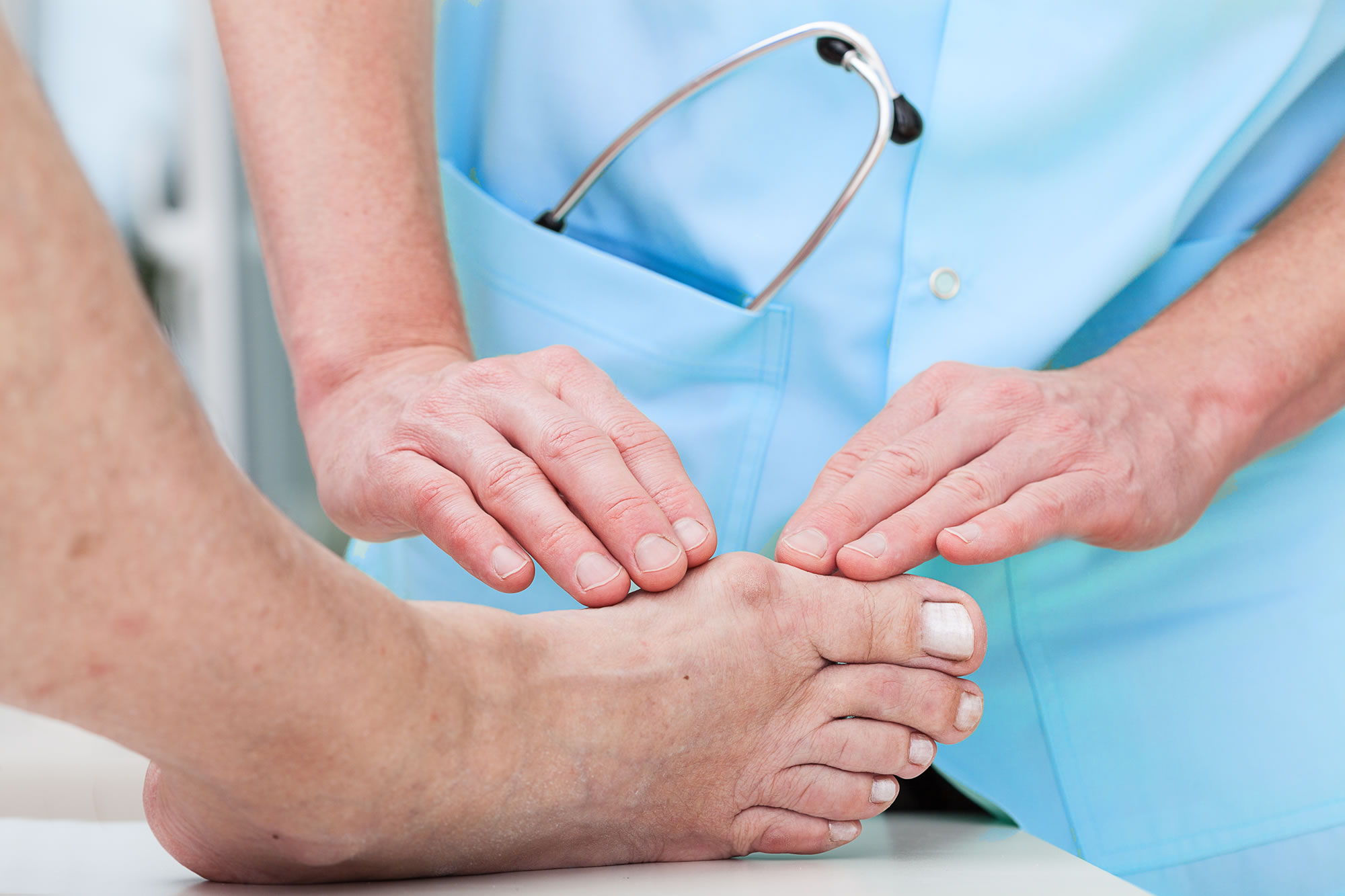
Any forefoot problems causing pain or discomfort should be given prompt attention. People who experience problems with their feet should seek advice from an experienced physician or podiatrist who can evaluate the risks, benefits, and possible complications of various treatment options. Patient compliance is particularly important in the treatment of these conditions.
Conservative treatment starts with accommodating the deformity. The goal is to relieve pressure, reduce friction, and transfer force from the sensitive areas. If surgery is recommended, it is important to fully understand and follow the recommendations of the surgeon before and after the procedure
Disclaimer
The Content is not intended to be a substitute for professional medical advice, diagnosis, or treatment. Always seek the advice of your physician or other qualified health provider with any questions you may have regarding a medical condition.