
Body shape is closely linked to self worth and self confidence. With rising incidence, obesity, seems to be becoming a complex long term problem, involving several categories of treatment- lifestyle modification (reduction of energy intake and an increase in physical activity), medication & surgical treatment. All agree that, obesity is a chronic disease with multifactorial etiology, and the treatment needs to be tailored to the individual patient.
Cognitive-behavioral therapy is based on the idea that our thoughts cause our feelings and behaviors, not external things, like people, situations, and events. The benefit of this fact is that we can change the way we think to feel / act better even if the situation does not change.
A Cognitive Behavioral Therapy study reported in American Journal of Clinical Nutrition showed improvement in body composition of overweight and obese adolescents. Another recent study published in the Journal of the American Dietetic Association found that cognitive behavior therapy (CBT) for weight loss produces healthier eating habitsand motivation for physical activity in adults and their adult family members.
Barriers in Weight loss
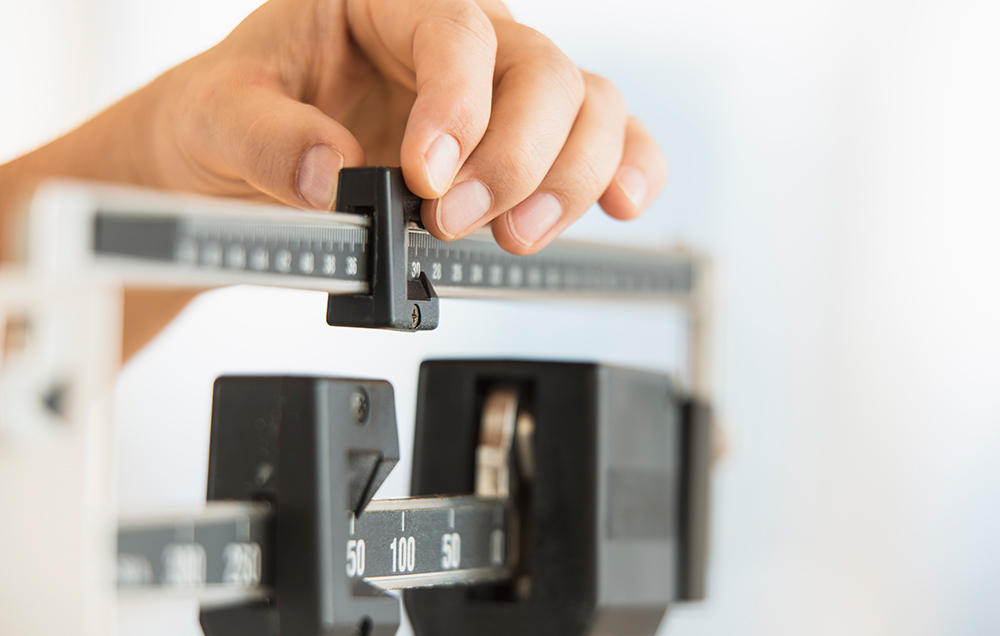
- ‘Goodness of fit’ between an individual and a particular weight loss program. Every body is unique with certain personality traits, eating patterns, temperaments, or lifestyles marking distinction between those who succeed on one plan versus those who fail.
- Social Environment, including access to sabotage foods. The sabotage foods are those foods which rapidly convert into sugar and have a detrimental effect on your health and wellbeing.
- Reduced Necessity of physical activity.
- Under-estimation of cognitive component of weight loss and maintenance.
Cognitive Behavioral Therapy can go a long way to assist in weight loss by:
- Assisting Diet Management: promoting better understanding of serving which could be one; one bag, one container, one tube of Girl Scout cookies. A survey showed that more than 75 percent of people feel guilty about eating so-called ‘bad’ foods. The greatest obstacle to adopting healthy eating habits is guilt. Attaching a value to foods only makes you feel bad for eating them. When you do decide to eat a high-fat food, enjoy it. Don’t beat yourself up over it. Just make a special effort to eat low fat the rest of the day.
- Accelerating motivation to exercise: In a study conducted by West, et al it was determined that motivational interviewing significantly enhanced both weight loss and glycemic control among overweight women with type 2 diabetes. They state, “the beneficial impact of motivational interviewing was apparent after only two sessions with significantly greater weight loss and improvement in metabolic control at 6 months.”
- Promoting skilled support to handle any lapses in diet that the person will experience
- Providing long term weight maintenance skills: CBT can be used to reinforce the significance of the weight already lost and encourage ongoing weight control. There must also be an emphasis that dieting is a set of flexible guidelines and not a set of rigid rules. A person may break their diet on occasion and this is not the end of the world and the patient still has control over their weight.

- Changing a person’s body image and their expectation of body image. Developing and nurturing a positive body image and a healthy mental attitude is crucial to your happiness and wellness! CBT can help you be realistic about the size you are. Your size is based on your genetic and environmental history.
- Improving self esteem: CBT can go a long way to help you feel good about yourself and who you are, how to carry yourself with a sense of confidence, self-acceptance, and openness that makes you beautiful regardless of whether you physically look like a super model. Remember, beauty is a state of mind, not a state of your body. Do something everyday that brings you joy. Remember, the majority of us are not models. Aim to work with your body, not against it.
- Helping with stress management (a major reason for ‘comfort eating’): Under stress, the body excretes corticotrophin-releasing hormone and adrenalin. This reaction stimulates the release of cortisol from the adrenal cortex. In turn, cortisol, a glucocorticoid, stimulates glucose release into the bloodstream, which, during periods of chronic stress, creates an excessive release of insulin. Insulin, which is part of the endocrine system, is a fat-storage hormone that overrides the stress signal from adrenalin to burn fat. The excess release of insulin gives the body the message to store fat in the abdomen. Cognitive-behavioral therapy, or CBT, can help replace negative thoughts with positive ones.
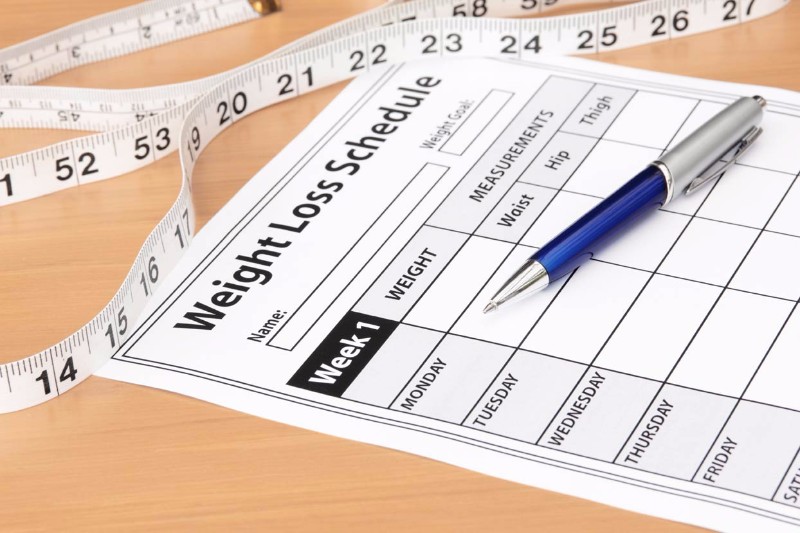
- Helping set reasonable goals for both weight loss and maintenance: Society suggests to us that weight loss is simply a matter of self control. Worsening this is our society’s obsession with body image and the constant pressure form advertising, the media and other sources that to be slim (often to the point of being unhealthy) is the best way to be. This results in many people linking body image with beauty, confidence and self respect. The result is that people set goals to lose unrealistic amounts of weight in the hope that this will fulfill their primary goals.
Although the degree to which cognitions and behaviors (as opposed to genetics or metabolic factors) cause obesity is a subject of great controversy, behavioral management clearly plays a strong role in weight loss. The result of CBT is that people become far happier with themselves and with the weight they lose resulting in long term weight control.
Ref:
Disclaimer
The Content is not intended to be a substitute for professional medical advice, diagnosis, or treatment. Always seek the advice of your physician or other qualified health provider with any questions you may have regarding a medical condition.