Degenerative disc disease refers to the changes in the spinal discs resulting from chronic wear and tear, injury, or simply aging. These changes include loss of fluid in the discs (a condition called disc desiccation), tears of the disc annulus (the outer layer of the disc), and growth of nerve fibers in the damaged discs.

A regular routine of back exercises can prevent low back pain and/or reduce the severity and duration of any “flare-ups.” Controlled, gradual, progressive back pain exercises can help the back retain its strength and flexibility. Also, back movement promotes the delivery of nutrients to spine, keeping discs, muscles, ligaments, and joints healthier.
The exercises can be broadly categorized as, each category included two stretching and strengthening exercises. Stretching exercise should focus on achieving flexibility and elasticity in the disc, muscles, ligaments, and tendons. Additionally, it is important to activate and strengthen muscles not directly involved with the injured area, such as the arms and legs. For example, hamstring tightness limits motion in the pelvis and can place it in a position that increases stress across the low back, so hamstring stretching is an important part of alleviating low back pain.
- Cervical (Neck) Exercises- are recommended for those who have neck pain, most frequently felt as a stiff neck. In addition to having the low-grade pain of a stiff or inflexible neck, many patients with cervical disc degeneration have numbness, tingling, or even weakness in the neck, arms, or shoulders as a result of nerves in the cervical area becoming irritated or pinched. Stretching exercises include, the anchor stretch & the glide. Anchor stretch invokes the utilization of a towel to anchor your shoulders for a better supporting stretch. Stand on the towel, eliminating the slack, and keeping your elbow straight. Slowly tilt head away from shoulder. Keep head facing forward and maintain a straight back. 2 sets each side, holding each set 20 seconds. The glide stretches the flexors and extensors of the neck, increasing cervical mobility, allowing you to move your neck farther and with more control. Sit up with back straight and feet flat throughout the exercise. Keep your chin level and slowly move your head forward and backward. Reach with your chin straight forward and then back. Maintain a straight back. Proper position of your head and neck is the key to results in this exercise. 2 sets and 10 repetitions. Strengthening exercises includes, the front and back resistance.
Cervical disc degenerative disorder can be characterized by neck pain. This neck pain can be most prevalent when the patient is upright or moving the head and can be reduced by lying down or reclining. Often the disc will be associated with osteophytes or bone spurs. They can further reduce movement and lead to nerve compression. The cervical nerve roots innervate the back of the head and neck as well as the arms and hands. If they are affected, the patient could have burning, tingling, numbness, and pain in these areas. Sometimes headaches result from cervical degenerative disc problems. |
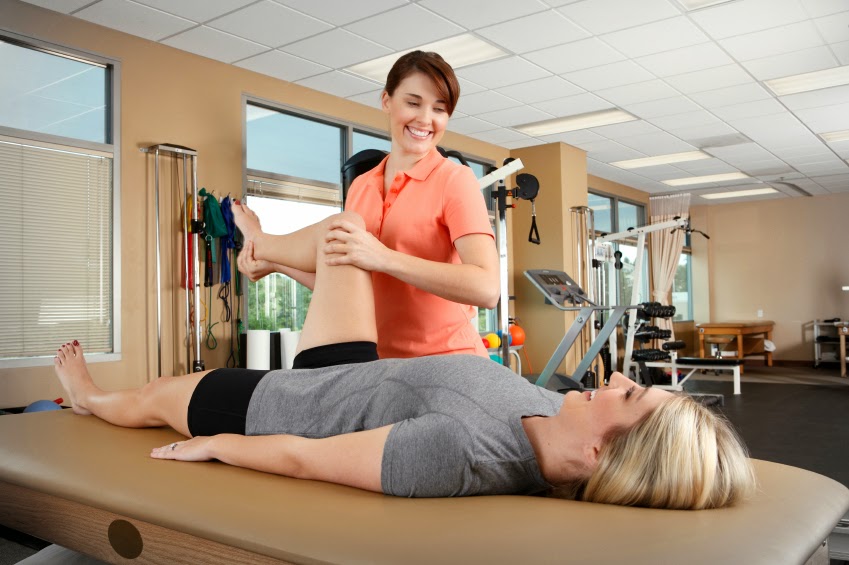
- Thoracic (Mid–Back) Exercises– Thoracic degenerative disc disease is not as common as cervical or lumbar degenerative disc disease, but that’s not to say it’s any less painful. Because your mid-back vertebrae do not bend or flex as frequently as vertebrae in your neck and lower back, there is less stress put upon those discs. Exercises for the upper back include the upper back stretch and the corner chest stretch. To perform the Upper back stretch, position with thumbs down, interlock your hands chest-high in front of you. Slowly stretch your arms straight in front of you. Drop your head down, and keep reaching. Continue to stretch throughout the duration. 2 sets, 20 seconds each set. In case of the Corner chest stretch, position yourself in a corner. Lift arms so that the upper arms are parallel to the floor, and rest forearms on the wall. Slowly push straight forward, stretching out your chest muscles. Lead with your shoulders. Keep upper arms level. Stretch to the point of minimal discomfort. Don’t overstretch. 2 sets, 20 seconds per set. Overstretching is most often counter-productive. Wall Push and Chair Raises are effective strength building exercises in the thoracic region.
Symptoms include: - Pain upon twisting of the back
- Muscle spasms
- Bowel or bladder dysfunction
- Slumped posture
- Lumbar (Low Back) Exercises: The first line of treatment is usually to avoid aggravating the condition. Modifying activities to preclude lifting of heavy objects and playing sports that require rotating the back (e.g. golf, basketball or football) can be a good first step. In addition, it is also helpful to learn correct ergonomics, such as how to lift heavy objects, how to set up the office chair and workspace, and sleep postures that reduce pressure on the low back. Stretching exercises include the pelvic clock and the figure 4. By rotating your hips to the floor, you receive lower back stretching benefits. Besides, your muscles which move and stabilize your trunk (external obliques) receive strengthening benefits. To perform the pelvic clock, lie flat on your back with your knees bent and feet flat on the floor. Relax and feel your whole back as it touches the floor. Slowly rotate your hips counter-clockwise, pushing your lower back flat onto the floor. Hold for a count of 20 seconds, 2 sets with 5 seconds rest between sets. In order to perform the figure 4, lie flat on your back. Cross one leg over the other, resting the ankle above the opposite knee. Pull up on your thigh and hold. Utilize a towel around your thigh to aid in pulling if needed. Keep head on floor. Don’t over-cross your leg by letting your ankle slide down the opposite leg. Hold 20 seconds, and alternate sides. 2 sets with each side. The bridge and trunk extension are two effective strengthening exercises for the lower back.

Finally, conditioning through low-impact aerobic exercise is very important for both rehabilitation and maintenance of the spine. Aerobically fit patients will have fewer episodes of low back pain, and will experience less pain when an episode occurs. Well-conditioned patients are also more likely to maintain their regular routine, whereas patients with chronic back pain who do not work on aerobic conditioning are likely to gradually lose their ability to perform everyday activities.
Examples of low-impact aerobic exercises that are gentle on the back include:
- Water exercises (also called pool therapy or aquatic therapy)
- Stationery biking
- Walking (including walking on a treadmill)
Suggested reading:
Disclaimer
The Content is not intended to be a substitute for professional medical advice, diagnosis, or treatment. Always seek the advice of your physician or other qualified health provider with any questions you may have regarding a medical condition.