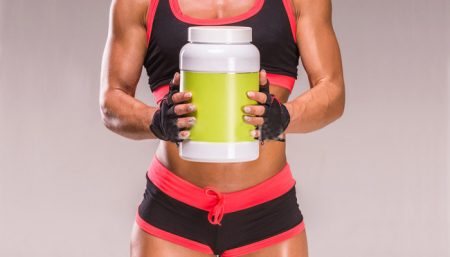
The search for a perfect body has landed teenage girls in pursuit for the “size zero” physique. In today’s time the teen seems to be burdened with the pressure of heightened performance at school, college or among peers, they are left with lesser time to focus on health-nutrition & exercise.
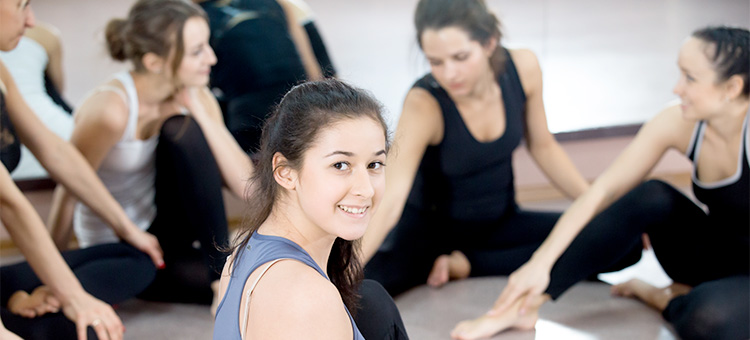
With over 12.5 million of our nation’s children overweight, we need to find creative ways to encourage young people to adopt healthy habits. But it’s hard enough to get adults to take responsibility for their weight and health. How do you inspire kids who are also dealing with the tumultuous nature of being a teen to succeed at weight loss? |
There role model seem to be stars out of movies or fashion industry, and in the pursuit to be like them they adopt way like dieting, over exercising to get the zero figure. Extremity can be detrimental to health, either in form of dieting or overeating. In 1960, average fashion models were about 5’7” (1.7m) and weighed approximately 129 pounds (58.51 kg). Currently average fashion models are two inches taller and weigh about 114 pounds (51.7 kg). It’s difficult for teens to stay away from the crowd and think differently especially when young. Peer approval, pressure and other factors forces us to torture ourselves to any extent and become what is acceptable in society. Most of them (including us) can be found checking their tummy in mirror if they eat one extra slice of bread or a bar of chocolate. The inch-war seems to be at its peak, landing us more in trouble, instead of good health.
A section of teenagers who are still in school can be found in the gym to get flat abs’ which they believe is the proof of fitness. Their minds are so influenced by the style and glamour that they do anything to look like their favorite superstars. They can be found shunning protein and dairy foods in an apparent effort to keep as thin as their celebrity role models. A study found that 46 per cent of teenage girls consume too little iron, putting them at risk of anemia and the associated tiredness and lethargy. The diets of a similar percentage are also low in magnesium and selenium, lack of which can lead to insomnia, severe headaches and mood swings. Only 7 per cent of girls were found eating the recommended five portions of fruit and vegetables a day.
A greater majority are failing to consume enough oily fish, which contains the omega 3 necessary for a healthy heart and nervous system. The report from the Food Standards Agency also found that teenage girls were significantly more likely to smoke and drink than boys their age. Alison Tedstone, the agency’s nutrition expert, said: ‘Teenage girls are one of the groups in the population that stand out as having a poor diet. ‘Teenage girls, particularly, don’t eat enough. For example, they don’t have very much dairy. We are talking about a poor quality of diet overall. They seem to be caught in a tug-a-war of anorexia and obesity, with only a lesser percentage following health prerequisites.
Teenagers need to be made aware about the significance of healthy eating and exercise, for present times and future. This is a time when the brain is undergoing a great phase of development from 12 to 25 and it needs a proper balance of oils and nutrients. If you impair this critical phase, moods become less regulated, you have more difficulty understanding other people and you become less flexible in your thinking. There is a risk of getting into a starve and binge routine which is very unhealthy.
Tips for a Better Health
 Eat your breakfast: No matter how much you are pressed on time make it a rule, NEVER miss your breakfast. Go for a healthy one that is based cereals, low fat milk, fruits and nuts. Pack yourself with energy for the best of performance. Try to include at least 5 grams of fiber and 5 grams of protein in every breakfast, could be in form of apple, oats, omelet, tofu sandwich, vegetable pancake, smoothie etc. Choose complex carbs for they will keep you full for a longer time and provide better nourishment. A serving of milk and a glass of calcium-fortified orange juice provides approximately two-thirds of your daily calcium needs.
 Watch the portion size: In order to avoid piling up extra pounds and eat healthy Look! Think & Eat! Now a days food seems to come packed in easy to eat mode that there is a chance of overeating. You need to reprogram your idea of healthy serving and identify hunger clues and stop when full.
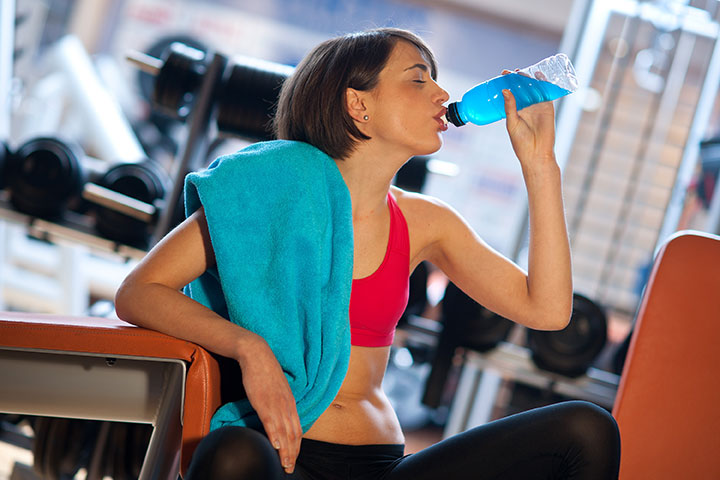
 Drink plenty of water: Aim at drinking 7-8 glasses of water to keep your body well hydrated. Avoid excessive intake of energy drinks, sodas, coffee etc for they rob your body of nutrition. A good rule of thumb is to drink water (ounces) in the ratio of almost half your body weight (lbs) i.e. If you weigh 100 pounds, you need to drink half that weight in ounces (50 ounces) of water every day. This will also help you to urinate, which helps you lose weight and flush your digestive system of any foreign substances. Plus, it can improve your skin and boost your immune system. When you leave your house, bring a full water bottle and a piece of fruit with you. That way you can stay hydrated, and, should you get hungry, you will have a healthy snack on hand.
 Meet the iron needs: Getting the right amount of iron can improve your performance in sports and in school. Iron is an important nutrient for teens, especially for those who have started menstruating. Vegetarians also need to pay extra attention to make sure they get enough iron. Good sources of iron include red meat, eggs, poultry, fish, legumes (or beans), and fortified cereals. It is important to know that your body absorbs iron from animal sources (known as “heme” iron) more easily than it absorbs iron from plant sources (known as “non-heme” iron). Recommended Iron intake for, Girls age 9-13 is- 8 mg/day ,Girls age 14-18 is- 15 mg/day.
 Boost up calcium intake: Girls build bone from puberty until their late twenties, so inadequate calcium during this time puts them at future risk for brittle bones. Teen girls need 1300 mg a day but they often get much less than that. Great sources of calcium include fortified cereals, fortified soy milk, dairy products, certain fish (with bones), tofu, and leafy greens. Calcium needs vitamin D (400 IU a day) to be absorbed so sources of calcium that have vitamin D like fortified cereals are helpful. If you are active in sports full cream will work, incase you choose not to move about go for lower fat version.
 Snack up to stay fueled: Your body needs food – its fuel – in moderate doses throughout the day so it always has nutrients available. Having four or five ‘mini-meals’ daily helps most people prevent cravings and ultimately achieve and maintain healthy weight. The choice of a healthy snack involves – variety, balance, and moderation. Try to limit the snack calories to 100 to 200 calories. WF health experts have ferreted out 10 note-worthy low-fat noshes recommended by the American Dietetic Association that will more than satisfy your taste-buds while sneaking in generous amounts of some very important nutrients. Click here, to check them out.
 Avoid excessive intake of junk food: All foods with limited to no nutritional value qualifies as junk food. Think of it as littering your body; your body can’t do anything productive with junk food, and in turn get robbed of all the nutrients. A recent study reported in the Archives of Pediatrics and Adolescent Medicine suggests that teenage girls who drink lots of soda may increase their risk of developing bone fractures and osteoporosis. These drinks contain large amounts of refined sugar or equally dangerous sugar substitutes, which further encourage bone loss. During the teenage years, when 40 to 60 per cent of peak bone mass is built, a natural whole foods diet, free of bone-robbing soft drinks, is most important. Note that excessive fat intake in form of chocolates & sweets is bound to leaves you lethargic and low in energy. Stick to healthy foods that are high in protein, vitamins and minerals; your body will be able to use these things much better than junk food.

 Burn it up: Sweat out for at least 20 minutes daily in form of running, jogging, skipping, swimming, running dancing, aerobics, oh! the list is endless. Keep in mind a small effort will serve you well in the long run with the bonus of a much desired physique. If you don’t like to exercise on your own, join a fitness club, find a buddy to work out with, or join a sports team. Keeping active will make you stronger physically and mentally. You can take up structured strength workouts with exercises like squats, pushups or crunches using weights, machines, or your own body weight. Avoid over training.
 Maintain Proper Hygiene: Take a bath everyday. Every morning and night spend four minutes massaging your face with a cleanser. Get around your nose and right up to the hairline of your forehead. Rinse your face with warm water then with cold water to close your now-clean pores. Pat your face, and apply pimple cream as needed. Try to maintain oral hygiene by brushing your teeth two to three times a day for a clean and fresh mouth. Taking care of yourappearance will also make you feel better about yourself, which really is the most important thing.
 Believe in Yourself: No matter what other say, believe in yourself and give your best. Resolve to clear out your emotional baggage and foster a sense of optimism about the present and the future. Optimism has huge benefits for both psychological and physical health – it can even boost your immunity to illness. Make a list of the life experiences that have affected you positively and negatively. Compare the positive list with the negative list. Ask yourself if anything from the negative list can be discarded or turned into a positive situation. Congratulate yourself on your achievements in life and concentrate on the future rather than the past.
Smile and be happy! It shines and puts you on top of the crowd.
Disclaimer
The Content is not intended to be a substitute for professional medical advice, diagnosis, or treatment. Always seek the advice of your physician or other qualified health provider with any questions you may have regarding a medical condition.