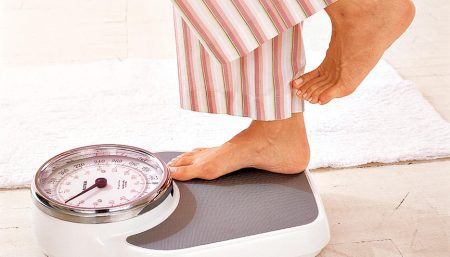
The term energy gap is used to estimate the change in energy balance (intake and expenditure) behaviors required to achieve and sustain reduced body weight outcomes in individuals and population at large. Many people have achieved significant weight loss with intervention, but very little of this weight loss seems be maintained by most people over the long term. The energy gap can help estimate the degree of behavior change that must be maintained to maintain a given amount of weight loss for any individual.
The two key factors related to the energy gap concept: prevention of excess weight gain and maintenance of achieved weight loss. It is estimated that the energy gap for prevention of weight gain among those who have lost weight is about 100 kcal/day in adults and 100-150 kcal/day in children and adolescents. Any combination of increased energy expenditure and decreased energy intake of 100 kcal per day in adults and 100-150 kcal/day for children and adolescents could theoretically prevent weight regain in 90% of the population. This suggests that this small changes approach could be very effective for preventing excessive weight gain in adults and children, but always remember to avoid overexertion and practice safe weight loss — this educational guide from The Independent Pharmacy explains safe weight loss well..
Five ways to trim 100 calories from food
- Swap an 8-ounce regular soft drink for a diet soft drink.
- Drink 2 cups of fat-free milk instead of 2 cups of whole milk.
- Use 1 teaspoon of mustard or ketchup or 1 tablespoon of fat-free mayonnaise in place of 1 tablespoon of regular mayonnaise.
- Split a small bag of French fries with a friend.
- Slice a typical piece of apple pie about one-third smaller.

Fifteen ways to burn 100 calories through physical activity
- Pedal an exercise bike for 13 minutes.
- Hiking up hills for 15 minutes.
- Cleaning the garage for 15 minutes.
- Practice some fast dance steps for 16 minutes.
- Work in the garden for 18 minutes.
- Swimming leisurely for 20 minutes.
- Playing tag with the grandkids for 20 minutes.
- Mowing the lawn (using motorized mower) for 20 minutes.
- Walk briskly for 22 minutes (3.5 mph).
- Clean the house for 25 minutes.
- Golfing (using a cart) for 30 minutes.
- Yoga for 30 minutes.
- Fishing (from a riverbank) for 30 minutes.
- Walking the dog for 50 minutes
- Putting away the groceries & Light housekeeping for 40 minutes.
The energy gap to maintain weight loss is generally much larger, amounting to 200 kcal/day for a 100 kg person losing 10% of body weight or 300 kcal/day for the same person losing 15% of body weight.
According to James O. Hill, PhD, “This analysis indicates that to create and maintain substantial weight loss (ie, obesity treatment), large behavioral changes are needed. This is in stark contrast to primary obesity prevention in which small behavioral changes can eliminate the small energy imbalance that occurs before the body has gained substantial weight. Because the body has not previously stored this ‘new’ excess energy, it does not defend against the behavioral strategies as happens when the body loses weight.”
The energy gap concept is useful for individualizing behavioral strategies for weight loss maintenance. For example, if the energy gap for a given weight-loss maintenance is estimated to be 300 kcal/day, this can lead to a specific individually tailored goal for changing diet and physical activity rather than generic advice to eat less and exercise more. This could be 300 kcal/day of additional physical activity, a reduction of 300 kcal/day from usual energy intake, or a combination of tactics such as adding 150 kcal/day of physical activity and reducing 150 kcal/day from usual energy intake.
You can just take a walk in the park for 45 minutes and expect to burn 300 calories.
Watching your calorie intake and burning off calories will help you get rid of body fat and prevent undesired gain in weight.
Disclaimer
The Content is not intended to be a substitute for professional medical advice, diagnosis, or treatment. Always seek the advice of your physician or other qualified health provider with any questions you may have regarding a medical condition.