Hysterectomy is the surgical removal of the uterus. It is the second most common type of major surgery performed on women of childbearing age.
Hysterectomy may be done to treat many conditions that affect the uterus, like:
- Uterine fibroids
- Endometriosis
- Pelvic support problems (such as uterine prolapse)
- Abnormal uterine bleeding
- Cancer
- Chronic pelvic pain
Hysterectomy can have both physical and emotional effects. Some last a short time. Others may last a long time. You should be aware of these effects before having the surgery. The removal of the uterus obviously bring drastic changes in the female body. The level of female hormones, such as estrogen and progesterone decreases substantially. In case of total hysterectomy, i.e. removal of uterus along with ovaries, the body is immediately pushed into menopause. Even for women who retain their ovaries, menopausal symptoms become evident prematurely. This leads to several concerns about the physical appearance of a woman. Post hysterectomy hair loss and weight gain after hysterectomy are the two major issues of concern for women. Unfortunately, it is true that the hormonal imbalance after surgery induces certain side effects of hysterectomy.
In this article we focus on how exercise can help in recovering after a hysterectomy.
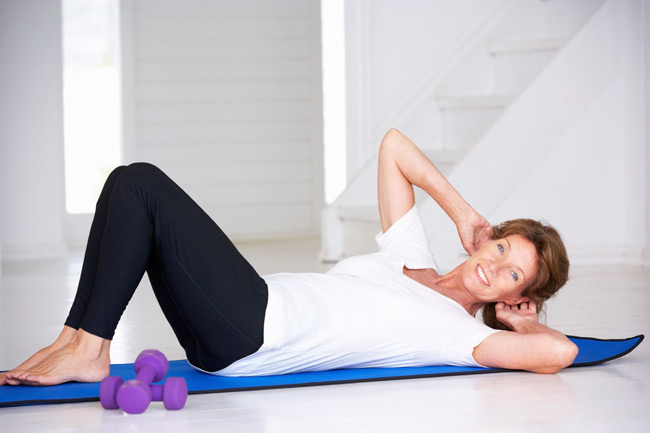
Following are the benefits of an exercise after hysterectomy:
- Exercise can strengthen your immune system- Moderate, regular exercise helps the immune system by moderating the effects of stress. Lowered stress has a beneficial effect on your health. High, constant stress is detrimental to your health. A women especially after the surgery can be under tremendous anxiety and stress. According to professor David Nieman, Dr. PH., of Appalachian State University, when moderate exercise is repeated on a near-daily basis there is a cumulative effect that leads to a long-term immune response.
- Reduction in pain caused by the hysterectomy– Walking, running on the treadmill, swimming, playing tennis, using a stair climber, taking yoga classes, and stretching are the most beneficial exercise post hysterectomy to alleviate the pain you feel with fibroids and endometriosis. Exercise stimulates the release of pain-relieving endorphins, and it also helps fight mild depression. For pain control, exercise is your best option because it will reduce muscle tension all over the body, increases blood circulation and increases the amount of oxygen into the area which will help reduce pain. Before you start any exercise program, make sure you discuss it with your doctor.
- Assistance in Weight loss– Light daily exercise after hysterectomy will make your muscles burn calories, will provide oxygen to the brain and your nervous system and will reduce body fat. The muscles become more developed and stronger, and you will become firmer and healthier with exercise post hysterectomy.
- Exercise can make you feel more upbeat. It keeps you from going into mood swings– It’s unfortunately common for a premenopausal woman who has had her ovaries removed during her hysterectomy to experience mild to moderate mood swings after hysterectomy. Some women experience depression and mood swings after their hysterectomies that are not related to any hormonal changes, but to the psychological impact of the surgery itself. This is especially common in women who have hysterectomies at a young age or before they felt they were finished having children. Let your doctor know if you suspect you are experiencing any emotional symptoms from your hysterectomy that are not related to changing hormone levels. Your doctor may recommend counseling, medication, or both to help combat the symptoms. Exercise for hysterectomy will reduce your mood swings and help you feel good, feel younger and happier!
- It helps keep your blood pressure in check, reducing the risk of heart attacks– Regular physical activity makes your heart stronger. A stronger heart can pump more blood with less effort. If your heart can work less to pump, the force on your arteries decreases, lowering your blood pressure. Becoming more active can lower your systolic blood pressure – the top number in a blood pressure reading – by an average of 5 to 10 millimeters of mercury (mm Hg).
- Exercise can help you sleep better– Having difficulty falling asleep, or staying asleep, is common among hysterectomy patients, particularly during the early post-op weeks. The trauma of surgery combined with hormonal disruption (even if you retained your ovaries) can throw your body completely “out of whack.” Even if you have never been plagued by sleep problems before, after you return home from the hospital you may find yourself lying in bed wide awake for most of the night. For most women, this problem gradually goes away as they continue to heal and recover from the surgery. Exercise can help you build a better sleep pattern by calming down the stress.
- Reduced muscle tension– Prof. Dafna Benayahu and her team at TAU’s Sackler Medical Faculty found that exercise increases the amount of muscle stem cells, which ordinarily decline as people age. This prevents proper protection of the muscle mass and disrupts its ability to repair itself. According to them “Exercise increases the number of muscle stem cells. When comparing the number of such cells in rats that ran on a treadmill for 20 minutes a day over 13 weeks, they found a 20% to 35% increase in the number of cells for each muscle fiber in young rats, and an increase of 33% to 47% in older rats.”
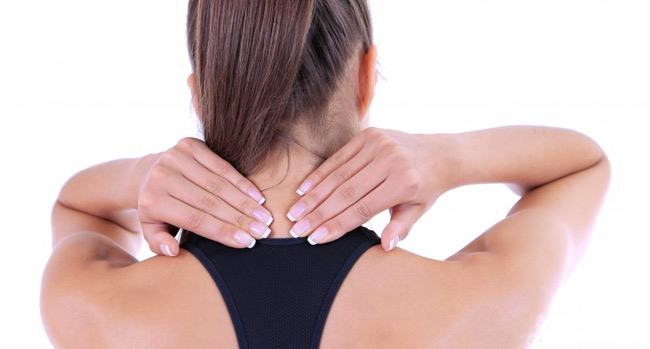
It is important that you avoid sit ups after hysterectomy and abdominal exercise machines, particularly in the first 3 months after a hysterectomy. Sit ups increase downward pressure on your pelvic floor and your hysterectomy site. These exercises can increase your risk of pelvic floor problems such as prolapse and incontinence if your pelvic floor is weak. Some exercise equipment in women’s circuits, gyms and even some Pilates exercises can also increase pressure on your pelvic floor and your hysterectomy site.
Tips and Warnings
Take precautions during exercise to protect your incision. Avoid any vigorous or strenuous exercise that might weaken your stitches or reopen your incision. Perform your doctor-approved exercises every day, repeat each exercise 10 times and breathe during the exercises. Holding your breath during exercise can force your heart to work harder and raise your blood pressure.
As you wait for the inner cue, do not sag into your shoulders . Instead, create a line of energy through each arm by pressing downward into your hands and lifting upward out of your shoulders. Go back and forth like this several times to make sure you understand the movement. As you exhale, sag into your shoulders and do the incorrect action; as you inhale, lengthen the arms, lift out of the shoulders and do the correct action.
Disclaimer
The Content is not intended to be a substitute for professional medical advice, diagnosis, or treatment. Always seek the advice of your physician or other qualified health provider with any questions you may have regarding a medical condition.