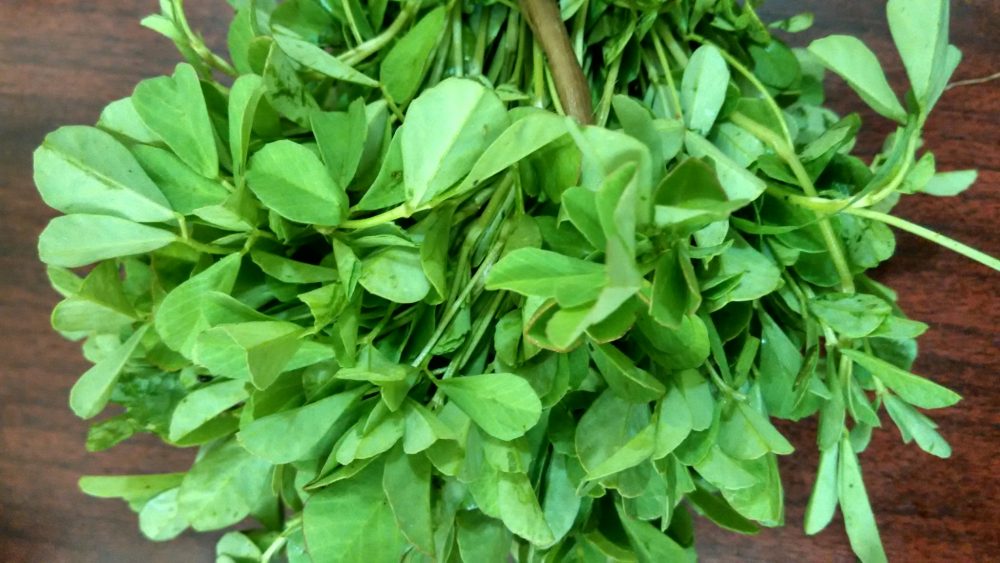
Fenugreek is a plant that has been used for centuries by the Mediterranean people to naturally increase the female sex-drive. It triggers the release of sexual hormones and estrogen which will leave you fantasizing about your partner all day long.
The scientists at the Centre for Integrative Clinical and Molecular Medicine in Brisbane, suggested a compound called saponins that is found in Fenugreek that could boost testosterone production. Fenugreek has estrogen-like effects on the body, which may increase women’s sex drive and pleasure. Due to its estrogen-like properties, fenugreek has been found to help increase libido and lessen the effect of hot flashes and mood fluctuations that are common symptoms of menopause and PMS.
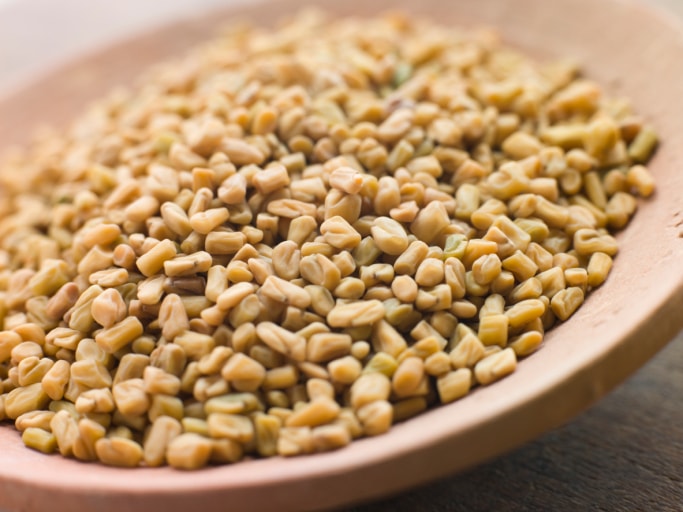
The seeds are the edible part and contain:
- Choline, an amino acid
- Diosgenin, compound that has properties similar to estrogen.
- Essential oils
- Inositol, a type of alcohol
- The minerals iron and phosphorus
- Lectithin, a substance with antioxidant properties
- Mucilage, a gelatinous substance that help make Fenugreek an effective poultice
- Trimethylanine, an amino acid
- Vitamins A, B (thiamine), B2 (riboflavin), B, B6 (pyridoxine), B12, and D
- The chemical trigonelline
There are other traditional uses of Fenugreek:
- Reduces fever when taken with lemon and honey. Simply consume one to two teaspoons of Fenugreek seeds three times a day along with an herbal tea (such as green tea) with a teaspoon of honey and lemon juice.
- Lubricates intestines and serves as a bulk laxative
- Helps eliminate mucus, which is good for asthma, sinus problems, and other lung disorders
- Aids in milk production of nursing mothers. Fenugreek is a plant that is found in many bust enhancement products and it is often prescribed to nursing women to increase milk production. Not only will fenugreek make your breasts larger and suppler. Research has even shown that milk production can increase by over 500 percent within 24 to 72 hours after consuming this herb.
- May help eliminate or minimize vaginal dryness
- Suppress appetite. A study published in the December 2009 issue of “European Journal of Clinical Pharmacology” showed that fenugreek seed extract, when administered in a daily dose of 1,176 mg for 6 weeks, evoked a spontaneous decrease in fat consumption and total caloric intake among 12 healthy male subjects. Six months later another study published in the same journal demonstrated similar results in 39 overweight test subjects. Interestingly, intake ofcarbohydrates and proteins was unaffected by fenugreek, and test subjects did not report any change in their overall appetite scores.
- Reduces blood cholesterol levels
- Remedy to Ease Child Birth for Pregnant Women. Fenugreek stimulates uterine contractions and can be helpful to induce childbirth. However, pregnant women should only use this remedy for inducing labor after consulting with their doctor.
- Fenugreek is sometimes used as a poultice. That means it is wrapped in cloth, warmed and applied directly to the skin to treat local pain and swelling (inflammation), muscle pain, pain and swelling of lymph nodes (lymphadenitis), pain in the toes (gout), wounds, leg ulcers, and eczema.
How to Consume?
Soak a teaspoon of seeds overnight and eat it first thing in the morning on an empty stomach. Gulp it down its too bitter to chew, but if u can chew it then go for it!

Also, its used very sparingly in some indian recipes. I know its used in making kadi, then a dish with pumpkin and in some south indian recipes as a seasoning. Indian stores also carry methi (fenugreek) leaves.
Sprouted fenugreek can also be enjoyed by adding it to yoursalad and sautéed vegetables. Place your fenugreek seed into a fine mesh colander covered with cheesecloth. Rinse the seeds under cool, running water and place them in a wide-mouthed glass jar. Cover the fenugreek with water and let them soak for 8 to 12 hours. Rinse and drain the fenugreek and transfer it back to the jar. Do not cover them with water. Place a light, breathable cloth on top of the jar and leave it in a cool, semi-lit location. Rinse and drain your sprouts every 8 to 12 hours for 3 days, or until they display 1/4-inch roots. Taste the sprouts each time you rinse to help you decide how you like them best, as the flavor will change over time. Rinse and drain the fenugreek. Place your sprouts in the refrigerator, where they should keep for 3 to 4 weeks. 3 tbsp. of fenugreek will yield up to 2 cups of sprouts.
Discontinue use of Fenugreek in case of:
- An unexplained rash
- Hives
- Itching
- Unexplained swelling
- Wheezing
- Difficulty breathing or swallowing.
Related Links
- About The Mediterranean Diet
- Estrogen-Progesterone factor in weight gain vs. loss
- Boosting Testosterone in women over 40
- Top 10 lifestyle factors to boost your libido
- Top 10 Hurdles to Ultimate Orgasm
- Herbs That Help Shed Pounds
Disclaimer
The Content is not intended to be a substitute for professional medical advice, diagnosis, or treatment. Always seek the advice of your physician or other qualified health provider with any questions you may have regarding a medical condition.