A Big NO for Teenagers.
“Last year, 34 teenagers underwent procedures such as gastric band fitting and stomach stapling on the NHS – up from ten in 2007.” according to spokesman for eating disorder charity (source: dailymail.co.uk).
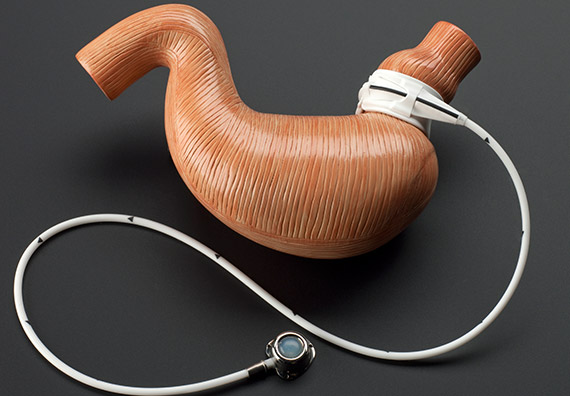
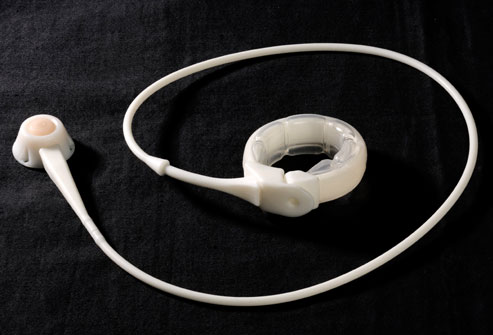
Gastric band surgery involves fitting a band near the top of the stomach, restricting the amount of food that can move down into the lower part. The top part of the stomach fills up quickly, making the patient feel full. According to Susan Ringwood, chief executive of eating disorder charity Beat: ‘Having a gastric band fitted is a very serious operation that has long-term, permanent consequences, yet we know young people are not always being given this information and that is very concerning.’ The final weight loss with gastric banding is about one-third to one-half of the extra weight you are carrying.
| The Food and Drug Administration (FDA) has approved use of an adjustable gastric band (or AGB) for patients with BMI > 30 who also have at least one condition linked to obesity, such as heart disease or diabetes. |
In normal circumstances, as food moves along the digestive tract, digestive juices and enzymes digest and absorb calories and nutrients. After we chew and swallow our food, it moves down the esophagus to the stomach, where a strong acid continues the digestive process. The stomach can hold about 3 pints of food at one time. When the stomach contents move to the duodenum (the first part of the small intestine), bile and pancreatic juice speed up digestion. Most of the iron and calcium in the food we eat is absorbed there. The other two parts of the nearly 20 feet of small intestine absorb nearly all of the remaining calories and nutrients. The food particles that cannot be digested in the small intestine reside in the large intestine until eliminated.
However before going in for a surgical option, you should make sure you understand the advantages and disadvantages of surgical weight loss procedure. It is essential that you have a clear idea of what are your expectations of surgery to lose weight and if the results of this surgical procedure will be able to respond effectively to the desired results. A weight loss surgery is not an answer to all your problems and the patient need to maintain their health and numbers in the future by following a healthy diet and adequate exercise plans.
Factors you need to Cover:
Preparing for weight loss surgery starts with making a lifelong commitment to the dietary and lifestyle changes necessary for success. Weight loss surgery is not a quick fix, nor is it a decision to enter into lightly. Once you have made the decision together with your surgeon and your family members, the preoperative evaluations can begin. These include:
- Meeting with a registered dietician to discuss how the diet needs to change both before and after weight loss surgery.
- A comprehensive psychological evaluation.
- An upper endoscopy exam or barium swallow to make sure there are no polyps, tumors, ulcers or bacteria that cause ulcers in the stomach.
- Additional pre-operative evaluations for the heart and lungs, if deemed necessary.
Tell your surgeon about any medications you are taking or plan to take throughout recovery. Vitamins, minerals and herbs also interact with medications. Don’t leave anything out.
Some of your lifestyle changes will begin before surgery. They include:
- Quitting smoking for at least 30 days before and after weight loss surgery. Smoking can increase the risk of complications, including potentially fatal blood clots. Smoking can also affect healing of the incisions and increase the risk of infection.
- Not drinking alcohol for at least 48 hours before weight loss surgery.
- Losing 5 to 10 percent of excess body weight. People who lose a moderate amount of weight before weight loss surgery have a shorter hospital stay and more rapid postoperative weight loss, according to a study in Archives of Surgery.
- Practicing eating slowly, which includes chewing each morsel of food 15 times and putting the fork down between bites.
Post-surgery Risk Factors:
Risks for gastric banding are:
 Gastric band erodes through the stomach (if this happens, it must be removed)
- Gastric band may slip partly out of place
- Gastritis (inflamed stomach lining), Heartburn, or stomach ulcers
- Infection in the port, which may need antibiotics or surgery
- Injury to your stomach, intestines, or other organs during surgery
- Poor nutrition
- Scarring inside your belly, which could lead to a blockage in your bowel
- Your surgeon may not be able to reach the access port to tighten or loosen the band (you would need minor surgery to fix this problem)
- Vomiting from eating more than your stomach pouch can hold
Benefits
Because the band is removable, adjustable and does not permanently alter the anatomy, it provides an option for patients who may not otherwise consider surgery for treatment of their obesity. Other advantages include a shorter hospital stay and no effects on the absorption of nutrients.
A StudyIn one recent study carried out by the New York University School of Medicine a total of 53 teenagers (41 girls and 12 boys) between the ages of 13 and 17 showed some impressive result after undergoing laparoscopic adjustable gastric banding. The teenagers, who on averaged weighed 297 pounds before surgery and had an average body mass index (BMI) of 47.6, had lost some 50 percent of their excess weight 18 months after surgery. Additionally, all came through the surgery without complications and only 5 developed minor complications following surgery, which were treated on an outpatient basis. It is impossible of course at this point to say what the long term results will be for this group of patient and only time will answer that question. Nevertheless, these early results are encouraging. In spite of these encouraging results many doctors still see one problem which they consider to be a major obstacle to the use of the lap band operation in teenagers and that is the fact that the long term success of surgery depends upon patients making dramatic changes to their lifestyle and also adjusting to a strict diet. Source: http://gastricbypassfacts.com/ |
Obesity surgery seems unethical in children unless all conservative weight control methods had been tried first.
Content Support: yourbariatricsurgeryguide.com
Disclaimer
The Content is not intended to be a substitute for professional medical advice, diagnosis, or treatment. Always seek the advice of your physician or other qualified health provider with any questions you may have regarding a medical condition.