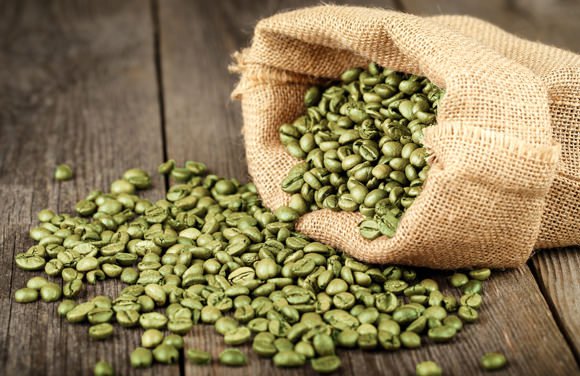
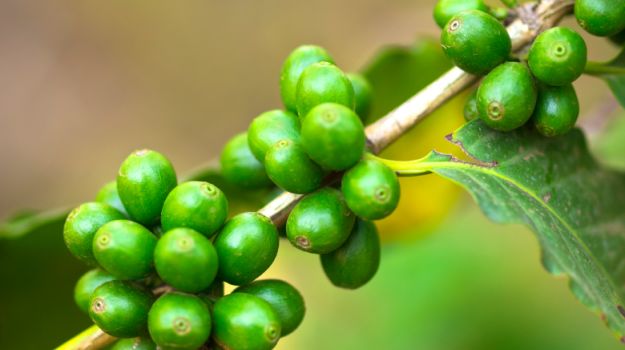
“Green Coffee” is simply unroasted seeds—aka beans—from Coffea, the plant that gives us so many of our morning brews. Coffee contains hundreds of compounds, many of which may have healthful benefits. Green coffee bean extract has gained quite a bit of buzz recently as a weight-loss supplement. Many websites sell green coffee pills, and a major coffee company has even started selling a beverage spiked with the extract.
“There’s some data in the research to support the idea that chlorogenic acid in the green coffee bean can have an effect on body weight and fat loss,” said Lona Sandon, R.D., assistant professor of clinical nutrition at the University of Texas Southwestern in Dallas. Only a couple studies, though, have been done in people rather than animals.
A study in India found that people taking pills with green coffee bean extract lost an average of 18 pounds—10 percent of their body weight—over 22 weeks. The study, published in Diabetes, Metabolic Syndrome and Obesity, tested two doses of extract—700 and 1,050 milligrams per day. The study, which gave participants a supplement containing green coffee extract, was presented at the American Chemical Society (ACS) in San Diego and published earlier this year in Diabetes Metabolic Syndrome and Obesity.
The new study involved 16 overweight people (with Body Mass Indexes between 25 to 30) between the ages of 22 to 46 years old. They were monitored for 22 weeks, in which they were given a low dose 700 mg green coffee extract tablet, a high dose 1,050 mg extract tablet and a placebo. Because they were given all the different doses and the inactive placebo, the participants acted as their own control group. Participants were told to take three green coffee capsules each day, 30 minutes before each meal with lots of water, due to the pill’s bitterness. Roasting coffee makes beans less bitter, according to the researchers. The pill contained caffeine, but it amounted to about half a cup of coffee a day.
All the participants were monitored for their overall diet and exercise. Throughout the study, participants ate on average 2,400 calories a day and had a calorie expenditure of 400 calories, nowhere near the levels required for weight loss. After the study, participants lost an average of 17 pounds, which broke down to a 10.5 percent decrease in overall body weight and a 16 percent decrease in body fat. Lead researcher Dr. Joe Vinson, a professor of chemistry at the University of Scranton in Pa., said in an emailed press release that the weight loss may have been more, but since the subjects received a lower dose and placebo at some point in the study it may have lessened the overall effect. The study was funded by Applied Food Sciences, which makes green coffee supplements.
Vinson told HealthPop that the most exciting fact about this study was that the green coffee extract GCA did not have any side effects. Unlike other weight loss pills that have been pulled off the market by the FDA over health concerns or cause unpleasurable side effects like gastrointestinal problems, green coffee had no related problems, he said. “I’ve been taking some myself to see if caused any problems,” Vinson told HealthPop. “It’s okay.”
The study also reported a two beats-per-minute reduction in heart rate among participants. Vinson told HealthPop while he doesn’t recommend people who have high blood pressure forgo prescribed medicine for green coffee, it may help.
Previous studies have also shown green coffees effect on weight loss. A 2006 Italian study in BMC Complementary and Alternative Medicine using mice showed the green coffee bean extract may work against weight gain and fat accumulation by stopping fat absorption and activating of fat metabolism in the liver.
What explains the mysterious effect? Vinson believes that a substance called chlorogenic acid that goes away when coffee beans are roasted may be the reason for the weight loss. Unfortunately, that means your daily cup of coffee won’t give you the same effect. Dr. Lona Sandon, assistant professor of clinical nutrition at the University of Texas Southwestern in Dallas cautioned to HealthDay that people should not draw conclusions from the research.”First of all, you need more than 16 people to have any statistical significance attached to these findings and we really have no idea how this might be working,” Sandon said.She also warned about the dangers of supplements in general, which are not regulated the same way as drugs when it comes to safety testing. Said Sandon, “While people might have this perception that it’s all natural since it’s coming from a coffee bean, with supplements in general it’s still a buyer-beware market.”
Could green coffee bean extract be the long-awaited weight loss super pill? Recent research suggests that this may indeed be the case, providing a ray of hope for all those who have struggled to shed the extra pounds. The natural power of green coffee extract may enable people to lose weight safely and effectively, without requiring a change in activity or eating habits.
The benefits of coffee have been known for generations. In fact, green coffee bean extract has been sold in health food stores and big-box chains for years, marketed as a dietary supplement, a powerful antioxidant, an energy booster, an anti-hypertensive supplement, and a stimulant for healthy circulation.
However, the bold effects of green coffee extract on weight loss have surprised many. In a recent clinical study, conducted in India, participants lost over 10 percent of their body weight in 22 weeks, all with no change to their daily diet or fitness regimen. They shed whopping 17 pounds, on average, just by adding the green coffee supplement to their daily routine.
No significant side effects related to the supplement were reported in the study, indicating that green coffee bean extract is not only effective for shedding unwanted pounds, but also quite safe to consume. In line with common sense, higher supplement doses led to bigger weight loss, further validating the results.
Participants ranged from 22 to 46 years of age and were deemed clinically overweight. They ingested pills containing either 700 milligrams or 1,050 milligrams of the extract about half an hour prior to each meal, drinking plenty of water to counter the bitterness of the pills. By the end of the study, many returned to their normal weight.
While the initial study was quite small, with just 16 volunteers onboard, the consistency and scope of its discovery hold much promise for consumers and researchers alike. Larger studies are already being planned to confirm and extrapolate the findings.
Derived from unroasted coffee beans, green coffee extract is typically available in tablet or capsule form. Some formulations may contain caffeine, but the amount per dose is usually less than what’s found in a cup of coffee. Therefore, caffeine is unlikely to be the active ingredient facilitating weight loss.
Just how green coffee bean extract contributes to weight loss is not well understood. Scientists speculate that it may speed up metabolism, decrease absorption of fat and glucose in the gut, lower insulin levels, or all of the above. Substances called polyphenols, which are present in a variety of plants including the coffee bean, have long been suspected to stimulate fat loss and may be the active ingredients promoting these venues. However, deducing their exact mechanism of action will require more research.
A substance called chlorogenic acid may also be part of the answer. Chlorogenic acid is destroyed during the roasting process, which may explain why drinking a cup of coffee does not produce the same weight loss results as taking green bean coffee supplements.
With the promise of the clinical research findings in hand, green coffee bean extract has the potential to fight obesity like no other weight loss tablet on the market. Easily accessible and cheap to make, it is typically sold for under $20 for a month’s supply, leaving hardly any dent in anyone’s budget. As a dietary supplement, it also does not require any FDA approval or prescription from a medical professional.
Green coffee bean extract just may be the king of weight loss inventory available on store shelves today. Starting any new dietary supplement inevitably necessitates some caution, but anyone looking to shed excess weight ought to consider giving green coffee extract a try.
Dr. Oz Show—the show’s Medical Unit responded to the buzz with its own study. They included more people in their study—100 women, with the experiment running two weeks. The score—women taking green coffee bean extract: 2 pounds lost … women taking inactive pills: 1 pound lost. Why so close? All participants kept a food journal, which may have made both groups “more aware of their diet.” The Dr. Oz study used 400 milligrams, three times a day, which is slightly more than the high dose in the Indian study. Associated risks/scrutiny: Although no side effects were noticed with either the Indian or Dr. Oz study, the long-term safety of green coffee bean extract is unknown. The studies also didn’t look at whether it is safe for people with illnesses like heart disease, or those taking prescribed medications.
“The bottom line here is use some common sense,” said Sandon. Here are tips from the experts on choosing a safe and effective product: Buy a reputable brand. The label should list either GCA® (green coffee antioxidant) or Svetol®, with at least 45% chlorogenic acid. Avoid brands with lots of fillers or artificial ingredients. One example that fits the bill is Hyrdoxycut Hardcore. Don’t overdo it. More isn’t always better—take only the amount listed on the bottle.Look for side effects, such as rapid heart rate, elevated blood pressure, or signs of an allergic reaction. Don’t take if you are allergic to coffee or caffeine. Exercise and eat healthy. Nothing beats this combination for losing weight. It’s also useful to keep a food journal.
Risks and warnings
There is no standardization when it comes to supplements. In other words, manufacturers don’t have to follow a specific formula, so one green coffee extract product could be made completely differently than another, and one brand could contain significantly more caffeine than the bottle next to it. That concerns me because concentrated doses of caffeine can cause headaches, GI upset, nervousness, insomnia, anxiety, ringing in the ears, and irregular heart beat, or even more serious problems in some people. In addition, using caffeine-based weight-loss supplements and then stopping them has also been associated with withdrawal symptoms including headache, fatigue, depression, trouble concentrating, nervousness, muscle tension, and a flushed face.
Finally, caffeine-based supplements can react with other supplements. For example, taking one with another stimulant (like guarana or mate) can trigger a synergistic effect that could increase blood pressure to dangerous levels. A high caffeine intake can also trigger the loss of calcium and magnesium. And there’s a long list of prescription medications that interact with caffeine, from diabetes and blood pressure drugs to meds used for depression.
Disclaimer
The Content is not intended to be a substitute for professional medical advice, diagnosis, or treatment. Always seek the advice of your physician or other qualified health provider with any questions you may have regarding a medical condition.