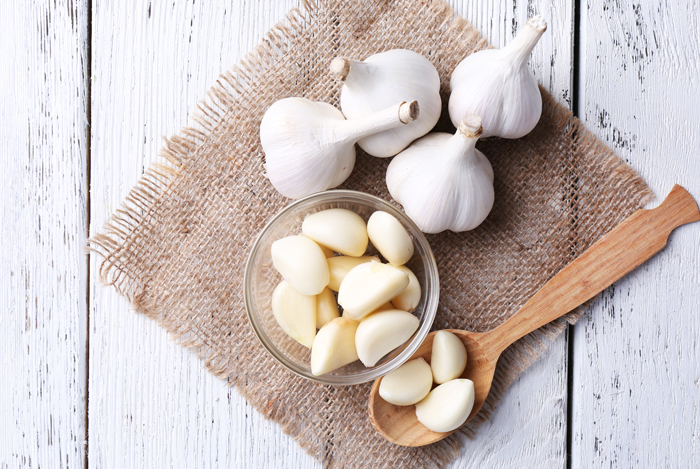
Garlic’s therapeutic benefits have been so exaggerated by enthusiasts that it can be hard to distinguish fact from fantasy. The history of this pungent herb undoubtedly suggests its broad potential, and medical historians have identified more than 100 non-culinary uses for garlic. The Egyptians, for example, gave it to the pyramid builders to boost their strength and prevent dysentery. Europeans ate it to protect themselves during the plague. Battlefield doctors in both World Wars used garlic to disinfect wounds. It has been used to treat athlete’s foot, tuberculosis and high blood pressure, not to mention colds and coughs. It is even rumored to have aphrodisiac properties.
What’s it good for?
- bites and stings
- colds and flue
- coughs
- cuts and grazes
- diarrhoea
- ear problems
- fungal infections
- high blood pressure
- high cholesterol
- sinusitis
- sore throat
- styes
- urinary tract infections
In the last few decades research has caught up with folklore and garlic is the subject of more than 1,000 pharmacological studies. Most of these focus on its roles in cardiovascular disease and cancer, along with its antibacterial and antioxidant properties. It seems fairly clear that garlic is a medicinal herb worth considering – and one that may, in some cases, even rival the effects of prescription drugs.