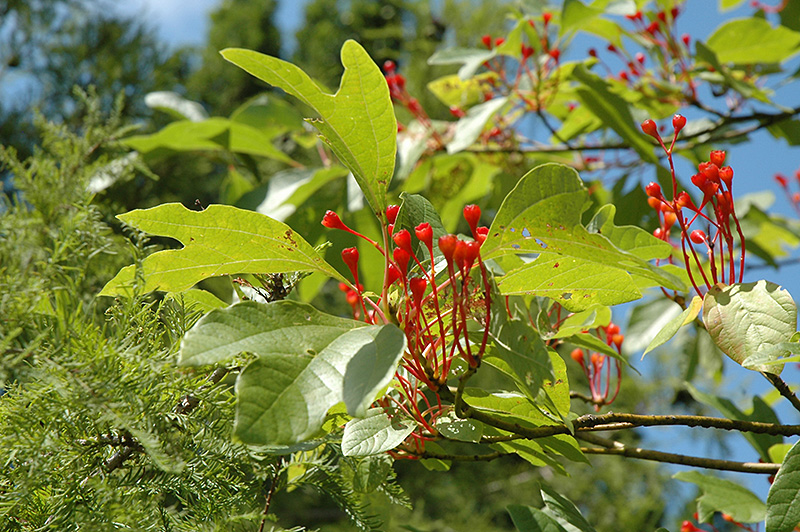
sassafras may be used with benefit in the treatment of rheumatism and gout. As a diaphoretic sassafras may be used in fevers and systemic infections. Sassafras has a disinfectant action and makes a valuable mouthwash and dentifrice. Sassafras acts as a specific to combat head lice and other body infestations.
Sassafras root bark was long considered a virtual cure-all, but only its effectiveness in relieving intestinal gas and as a diuretic have been substantiated. Because of the designation as “unsafe,” the bark is no longer sold or used commercially, nor should it be used by anyone.
When the Spanish arrived in Florida in the early 16th century, they mistook the fragrant sassafras for a cinnamon tree, an error still perpetuated in one of the tree’s common names. The local Indians used the bark of its roots to treat fevers and rheumatism, and as a general tonic and “blood purifier”-a medicine that by causing urination and sweating cleanses the blood of “impurities” once thought to cause a range of ailments from skin diseases to malaria. Word of sassafras’s amazing curative powers reached Europe, and for a time it became a major colonial export, second only to tobacco.