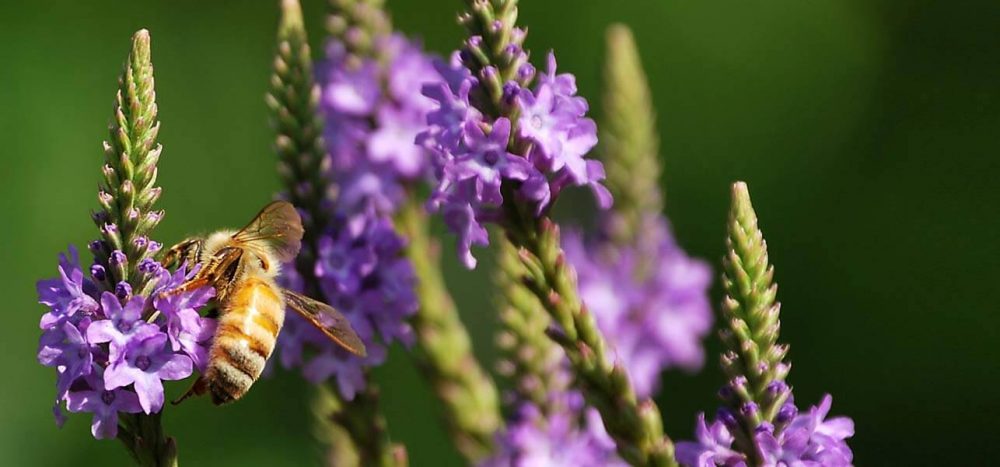
Botanical name: Verbena officinalis
Due to its bitter taste, herbalists used vervain to improve digestion. Vervain was also used to treat people with depression and spastic pains in the gastrointestinal tract, as a mild diaphoretic (to induce sweating and promote mild fevers), and for all manner of female reproductive system problems when associated with melancholy or anxiety. Early 20th century Eclectic physicians (doctors who recommended herbal medicines) in the United States felt vervain might be helpful for mild digestive problems. Vervain also has a reputation as a traditional remedy for stimulating production of breast milk.
Usage:
A tea of vervain leaves and flowers is prepared by adding 1–2 teaspoons (2–4 grams) to a pint (500 ml) of hot water which is left to steep, covered, for 10–15 minutes.5 Three cups (750 ml) per day are typically recommended by doctors. The taste of the tea is fairly disagreeable, therefore, most people prefer a tincture. Tincture, 1–2 teaspoons (5–10 ml) three times per day, is also suggested.
Side effects
No adverse effects of vervain have been reported. Vervain should be avoided during pregnancy. Although, traditionally, its use was during the last two weeks of pregnancy to facilitate labor. Vervain should be used during pregnancy only under the guidance of a healthcare professional experienced in herbal medicine