fitness news
 ,
,
Font size Women’s Health
Newborns Addicted To Pain Pills
– Reported, February 6, 2012
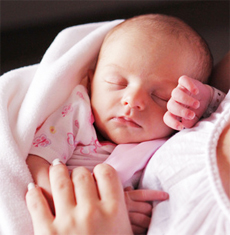 COLUMBUS, Ohio. (Ivanhoe Newswire) –Prescription drug abuse is the nations fastest-growing drug problem, with more than seven million people abusing them and death rates tripling from their abuse in the last decade. But its not just adults we need to be concerned with. The 80s epidemic of crack babies is being replaced by something even easier to get your hands on.
I fell off of a horse and hurt my back and was introduced to oxycodone, Molly, a woman who was addicted to oxycodone while pregnant told Ivanhoe.
That was the beginning of a long six-year battle with the prescription painkiller for 29-year-old Molly who asked us to conceal her identity.
It ended with the birth of her baby Nikki.” At her worst
I was taking like maybe 20 a day, Molly said.
Desperate for the euphoric feeling of oxys she began to steal to fuel her addiction.
They take over your life. Its insane like this little pain pill will change you it just makes you dont care about anything but yourself, Molly explained.
About a year ago she went to rehab, but the pain of withdrawal proved too much and she was soon taking the pills again. Then she found out she was pregnant. Molly is among a growing number of mothers addicted to prescription painkillers like oxycodone, oxycontin and vicodin. Its a trend doctors say is reminiscent of the crack cocaine epidemic of the 80s and 90s.
Opiate addicted babies are really having a full withdrawal just like any narcotic addicted person, Dr. Jonathan Wispe, a neonatologist at Nationwide Childrens Hospital in Columbus, Ohio told Ivanhoe.
Known as neonatal abstinence syndrome (NAS), there are no national statistics to show how widespread the problem is, but states with the worst problems have begun to collect data.
It crosses all spectrums. Stay at home moms, professionals, teachers, nurses, doctors, Michelle Waddell, Director of neonatal services at the Childrens Hospital of SW Florida told Ivanhoe.
Dr. Wispe has seen a 300 percent increase in his cases since 2004.
It’s a terrible problem. Its complex and it’s going to be hard to beat, Wispe explained.
Neonatal nurse Michelle Waddell has a similar story at her hospital, where shes seen a 700 percent increase in NAS babies in the last five years.
In all my years of NICU nursing, its probably one of the most painful things that Ive had to sit back and watch, Waddell explained.
NAS babies experience withdrawal a few days after being born, just like an adult would who quits drugs cold turkey.
They sweat all the time, their heart is racing all the time but first and foremost they just seem to be miserable, Wispe said.
The baby can also have seizures and risks sudden death. Compounding the problem, pregnant women addicted to prescription meds cant safely go off of them without medical supervision or they could miscarry. Molly got treatment two months before her daughter was born.
Im still a little nervous. Shes 6 months old and she doesnt roll over. She doesnt laugh, Molly concluded.
It could be years, even decades before we know the long-term impact for Nikki and thousands of babies like her. Doctors say the treatment for drug withdrawal in newborns can take a couple of days to a few weeks driving the cost of their medical care into the tens of thousands of dollars. NAS is so new, no one knows yet what the long-term impacts of the syndrome will be.
FOR MORE INFORMATION, CONTACT:
Nationwide Childrens Hospital
Marketing & Public Relations
(614)355-0495
