
Retinol creams may get most of the attention in the fight against visible aging, but researchers at Edith Cowan University (ECU) have pointed to a much bigger and more adventurous possibility: travel. In a 2024 interdisciplinary study published in the Journal of Travel Research, ECU researchers applied the theory of entropy to tourism, proposing that positive travel … [Read more...]

Scientists Find a Way to Stop Dangerous Belly Fat as we Age
As people get older, both the amount of fat in the body and where it is stored begin to shift. Most body fat is subcutaneous, meaning it sits just beneath the skin. This type of fat is generally not harmful and is actually necessary for overall health. Visceral fat is different. It builds up deep inside the abdomen and surrounds internal organs, and it has been strongly … [Read more...]

Eating Eggs Could Cut Alzheimer’s risk by 27%
The study found that people who ate at least one egg per day for five or more days each week had up to a 27% lower risk of being diagnosed with Alzheimer's disease. "Compared to never eating eggs, eating at least five eggs per week can decrease risk of Alzheimer's," said Joan Sabaté, MD, DrPH, a professor at Loma Linda University School of Public Health and the study's … [Read more...]

Doctors Warn This Popular Vitamin May Quietly Disrupt Cancer Care
Hair loss is one of the most upsetting side effects of cancer treatment, and many patients look for ways to bring their hair back. One option that has gained popularity is biotin, a vitamin commonly promoted for stronger hair and nails. But experts say the benefits are uncertain, and the risks may be overlooked. There is little scientific evidence that oral biotin helps hair … [Read more...]

Scientists Discover Sleep Switch That Builds Muscle, Burns Fat, and Boosts Brainpower
Deep sleep does more than help you feel rested. It actively rebuilds your body, strengthening muscles, supporting bone growth, and helping burn fat. For teenagers, it is also essential for reaching full height potential. At the center of all this is growth hormone, which surges during sleep. But scientists have long puzzled over why poor sleep, especially the early deep … [Read more...]
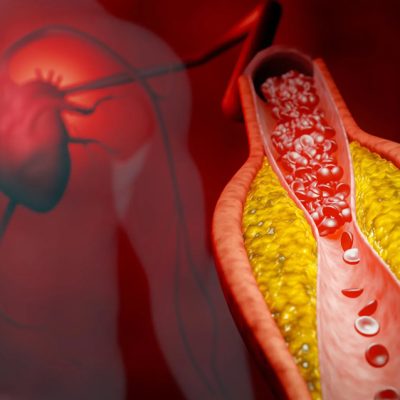
New Treatment Cuts Bad Cholesterol by Nearly 50% Without Statins
High levels of cholesterol in the bloodstream can lead to hypercholesterolemia, a condition that damages arteries and raises the risk of heart disease. Now, researchers from the University of Barcelona and the University of Oregon have developed a promising new approach to control cholesterol levels, offering a potential new way to combat atherosclerosis, which occurs when … [Read more...]
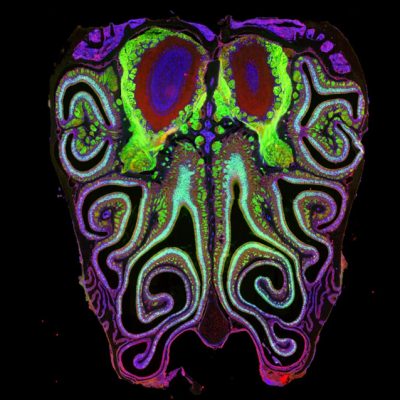
A Hidden Map in Your Nose Could Explain How Smell Works
Smell shapes how we experience the world every day. It helps us detect hazards, adds depth to flavor, and connects strongly to memory and emotion. Despite its importance, scientists have struggled to fully understand how this sense works at a biological level. "Olfaction is super-mysterious," said Sandeep (Robert) Datta, professor of neurobiology in the Blavatnik Institute … [Read more...]

This Simple Blood Test Might Detect Depression Before Symptoms Appear
Blood tests that track how certain white blood cells age may help identify depression by focusing on emotional and cognitive symptoms rather than physical ones. The research, published in The Journals of Gerontology, Series A: Biological Sciences and Medical Sciences, moves scientists closer to finding a reliable biological marker for depression, a condition that affects … [Read more...]

Scientists Just Discovered, What Coffee is Really Doing to Your Gut and Brain
Researchers at APC Microbiome Ireland, a leading research center at University College Cork, have taken a major step toward understanding how coffee benefits the body. For the first time, scientists have closely examined how coffee interacts with the gut-brain axis, the communication network that links the digestive system and the brain. The findings, published in Nature … [Read more...]

For Older Adults, Hopping on a Bike Could Mean More Independence and a Longer Life.
In Japan, many older adults rely on bicycles for daily transportation, far more than seniors in Europe or the United States. Earlier research has shown that people who cycle tend to be more physically active and socially engaged. While cycling has long been viewed as a habit that can reduce the need for long-term care and lower the risk of death, there has been little long-term … [Read more...]
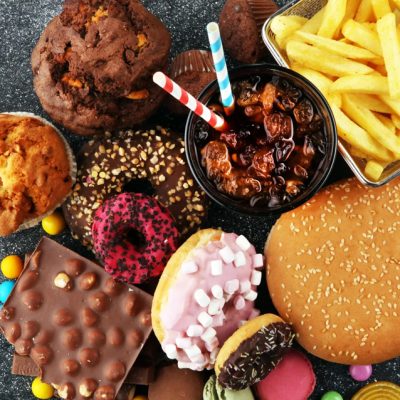
Ultra-Processed Foods Linked to 67% Higher Risk of Heart Attack and Stroke
Eating large amounts of ultra-processed foods may significantly increase the risk of serious heart problems, according to research presented at the American College of Cardiology's Annual Scientific Session (ACC.26). People who consumed more than nine servings per day were 67% more likely to experience major cardiac events compared with those who ate about one serving daily. … [Read more...]

Just a Few Minutes of Effort Could Lower Your Risk of 8 Major Diseases
Just a few minutes of vigorous physical activity each day may significantly lower the chances of developing several major diseases, including arthritis, heart disease, and dementia, according to research published today (March 30) in the European Heart Journal. To explore this connection, researchers analyzed data from nearly 96,000 people. They compared overall physical … [Read more...]

Scientists Say 7 Days of Meditation Can Rewire Your Brain
Researchers at the University of California San Diego report that a weeklong program combining meditation and other mind-body techniques can quickly produce measurable changes in both brain activity and blood biology. The study found that these practices activated natural pathways involved in brain flexibility, metabolism, immune function, and pain relief. Published in … [Read more...]
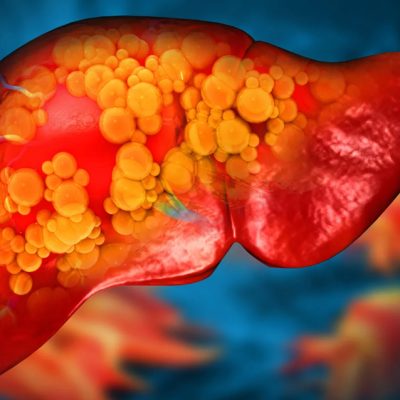
Binge Drinking Just Once a Month May Triple Your Risk of Liver Scarring
People may assume that if they drink lightly during the week or month, heavy drinking on the occasional Friday or Saturday may not cause their liver harm. New research suggests otherwise, according to a Keck Medicine of USC study published today in Clinical Gastroenterology and Hepatology. Researchers discovered that people with metabolic dysfunction–associated steatotic … [Read more...]

Study Finds Dangerous Lead Levels in Children’s Clothing
Fast fashion offers an affordable way to keep up with kids who quickly outgrow their clothes. But new early research suggests that some of these garments may contain a dangerous substance: lead. After analyzing shirts from several retailers, undergraduate researchers found that every item tested exceeded U.S. federal safety limits for lead. Their findings also suggest that even … [Read more...]

Scientists Discover Why Your Appetite Suddenly Disappears When You’re Sick
Anyone who has had a severe stomach illness recognizes the pattern. Even after the worst symptoms fade, appetite often disappears and can take time to return. This same effect is experienced by millions of people worldwide who live with long-term parasitic worm infections. Despite how common it is, scientists have struggled to pinpoint exactly what causes this loss of … [Read more...]

Women over 50 lost 35% more weight with this surprising combo
A Mayo Clinic-led study reports that postmenopausal women using menopausal hormone therapy experienced significantly greater weight loss when taking tirzepatide, a Food and Drug Administration-approved medication for overweight and obesity. On average, these women lost about 35% more weight compared to those using tirzepatide alone. The results, published in The Lancet … [Read more...]
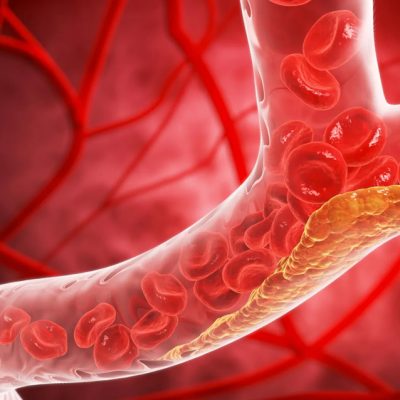
New Cholesterol Guidelines Could Change When You Get Tested
For the first time since 2018, the American College of Cardiology and the American Heart Association have released updated clinical guidance on how to screen for and manage blood cholesterol. The recommendations were published in the Journal of the American College of Cardiology and Circulation and were presented March 28 at the American College of Cardiology's 75th Annual … [Read more...]
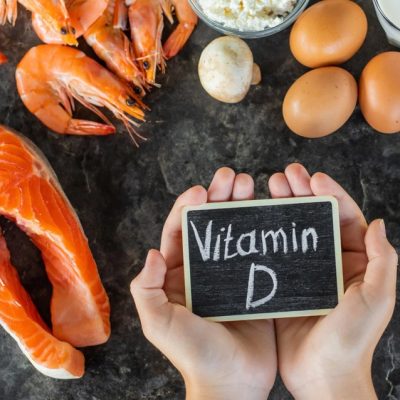
Your Vitamin D Levels in Midlife Could Shape Your Brain Decades Later
People with higher levels of vitamin D in midlife may have lower levels of tau protein in the brain years later, according to a study published April 1, 2026, in Neurology Open Access, an official journal of the American Academy of Neurology. Tau is a protein closely linked to dementia. The researchers note that the findings show a relationship, not proof that vitamin D … [Read more...]
A Common Nutrient Could Supercharge Cancer Treatment
"We were surprised to find that zeaxanthin, already known for its role in eye health, has a completely new function in boosting anti-tumor immunity," said Jing Chen, PhD, Janet Davison Rowley Distinguished Service Professor of Medicine and senior author of the study. "Our study show that a simple dietary nutrient could complement and strengthen advanced cancer treatments like … [Read more...]
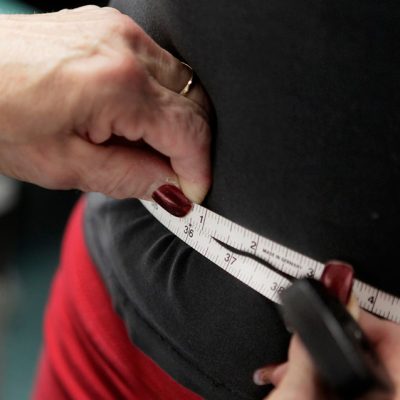
Men and women with obesity face very different hidden health risks
A research team from Dokuz Eylul University in Turkey found that men with obesity are more likely to accumulate abdominal (visceral) fat. This type of fat surrounds internal organs and is strongly linked to serious heart and metabolic conditions. Men in the study also showed higher levels of liver enzymes, which may signal liver damage. Women with obesity, on the other hand, … [Read more...]
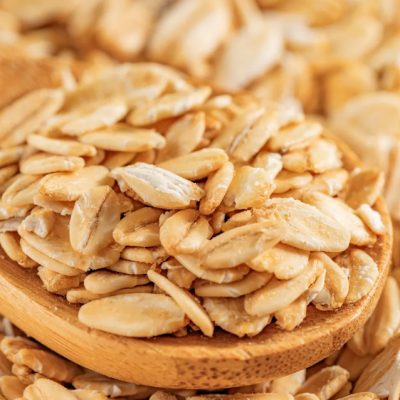
Just Two Days of Oatmeal Cut Bad Cholesterol by 10%
Eating mostly oatmeal for just two days may significantly reduce cholesterol, according to a clinical trial from the University of Bonn published in Nature Communications. The study focused on people with metabolic syndrome, a cluster of conditions that includes excess body weight, high blood pressure, elevated blood sugar, and abnormal blood lipid levels. Participants followed … [Read more...]

Study Finds Vegetarians Over 80 Less Likely to Reach 100
A recent study suggests that older adults who avoid meat may be somewhat less likely to reach age 100 than those who eat it. However, the findings are more complex than they first appear and should not be taken as a simple verdict against plant based diets. Researchers followed more than 5,000 adults in China who were age 80 or older and enrolled in the Chinese Longitudinal … [Read more...]

Is Bubble Tea Bad for you? New Research Raises Red flags
An investigation by Consumer Reports found elevated lead levels in some bubble tea products sold in the United States, raising concerns similar to past warnings about cassava based foods. Tapioca pearls are made from cassava starch, and cassava plants are known to absorb lead and other heavy metals from the soil as they grow. That ability means contamination can make its way … [Read more...]

Scientists Say This Simple Diet Change Could Transform Your Gut Health
A growing trend called “fibermaxxing” is putting dietary fiber in the spotlight—and for good reason. Fiber plays a powerful role in keeping the body healthy, from supporting digestion and feeding beneficial gut microbes to helping regulate blood sugar and cholesterol. Researchers say getting enough fiber may even lower the risk of conditions like obesity, diabetes, and certain … [Read more...]

Scientists Found a Surprising way to make exercise work better
Advice about staying healthy often centers on regular exercise and limiting fatty foods. Physical activity helps people shed excess weight, build muscle, and strengthen the heart. It also improves the body's ability to absorb and use oxygen to produce energy, which is considered one of the most reliable indicators of long term health and longevity. However, people with high … [Read more...]
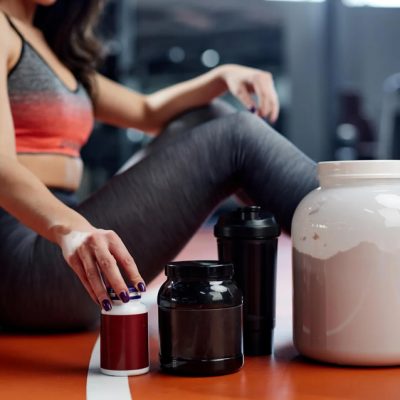
Popular pre-workout supplements linked to dangerous sleep loss
A new analysis from the Canadian Study of Adolescent Behaviors suggests that teenagers and young adults who take pre-workout dietary supplements, including products like Bang!, Jack3D, and C4, are far more likely to experience extremely short sleep durations. Researchers examined data from more than participants between the ages of 16 and 30. The results showed that people … [Read more...]

A bold new plan could finally cure type 1 diabetes
Researchers are developing a two-part therapy for type 1 diabetes: lab-made insulin-producing cells paired with custom-engineered immune cells that protect them. The goal is to stop the immune system from destroying transplanted cells — without using immunosuppressive drugs. Backed by $1 million in funding, the team hopes to create a ready-to-use treatment that could work even … [Read more...]

Parents’ stress may be quietly driving childhood obesity, Yale study finds
Childhood obesity has been increasing in recent years. According to the U.S. Centers for Disease Control, about one in five children and teenagers in the United States met the clinical definition of obesity in 2024. Preventing obesity in children is not simple. For many years, the main approaches have focused on encouraging healthy eating and regular physical activity. … [Read more...]

Sugary Drinks Linked to Rising Anxiety in Teens
A new study reports a clear association between high sugar drink intake and anxiety symptoms in teenagers. Researchers from Bournemouth University collaborated on a large review that examined findings from multiple earlier studies exploring the relationship between diet and mental health. By analyzing the combined data, the team looked for patterns that appeared … [Read more...]
- 1
- 2
- 3
- …
- 426
- Next Page »
