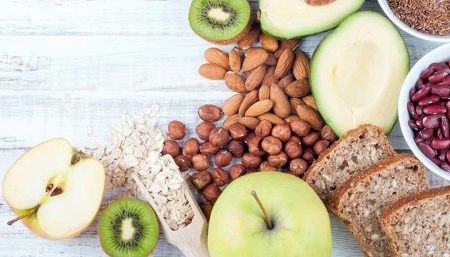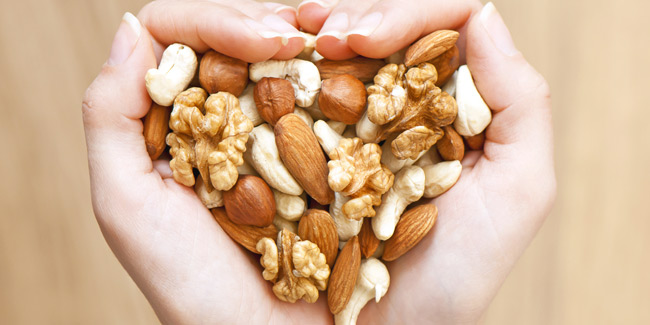
Research published in the prestigious journal Diabetes Care (July edition) (published by the American Diabetes Association) suggests that two ounces of nuts consumed daily when substituted for refined carbohydrate foods can prevent diabetes and the deadly complications caused by the disease.
Nuts are great sources for nutrients and are an easy option that are not only tasty, but contain protein and vitamins that increase the body’s energy and immune system. The fat contained in nuts is polyunsaturated or monounsaturated. These fats aren’t nearly as bad for you as others, aren’t as prone to causing weight gain, and most important of all, actually have the ability to lower your LDL cholesterol levels. In fact, nuts have actually been shown to be extremely good for your heart – modern studies have concluded that a proper daily amount of nuts can lower your chance for developing heart disease by as much as 35%.
Besides, nuts are also rich in the powerful antioxidants selenium and vitamin E. Anti-oxidants have recently been identified as having powerful anti-aging effects on the body due to their ability to block the damage caused by free-radicals, substances that contribute to early aging.
A one-ounce serving of nuts contains between 160 and 200 calories, most of which come from the heart-healthy monounsaturated fat. Nuts are also very high in dietary fiber, and are one of the best plant sources of protein.
- In the Nurses Health Study, 86,016 nurses for 14 years, found those who ate 5 ounces or more of nuts per week reduced their risk of dying from heart disease by 35%. The researchers also noted that the nut-eaters tended to weigh less than the nurses who did not eat nuts. In 1996, the Iowa Women’s Healthy Study found that women who ate nuts >4 times a week were 40% less likely to die of heart disease. Two years later, another study conducted by the Harvard School of Public Health found a similar result in another group of women subjects.

- More recently, interest has grown in the potential value of including nuts in the diets of individuals with diabetes. Data from the Nurses Health Study indicates that frequent nut consumption is associated with a reduced risk of developing diabetes. Randomized controlled trials of patients with type 2 diabetes have confirmed the beneficial effects of nuts on blood lipids also seen in non-diabetic subjects, but the trials have not reported improvement in A1c or other glycated proteins.
- Nuts also are recommended as part of the DASH diet (Dietary Approaches to Stop Hypertension), a dietary plan clinically proven to significantly reduce blood pressure. The DASH diet is supported by the National Heart, Lung, and Blood Institute and recommends 4 to 5 servings per week from its “nuts, seeds and legumes” grouping.
- Based on the self-reported data of 51,188 women in the Nurses’ Health Study II over 8 years, women who reported eating nuts 2 or more times per week had slightly (but statistically significantly) less mean weight gain (5.04 kg) than did women who rarely ate nuts (5.55kg). In multivariate analyses, frequent nut consumers were about 30% less likely to become obese than people who ate nuts less than 2 times a week.
- Research shows that nuts just might boost your brainpower and balance your moods. A healthy nervous system means both clearer and happier thinking, according to research. In fact, according to Readers Digest’s “Fight Back with Food,” under-consumption of omega-3-rich foods may actually lead to depression. Cashews are high in magnesium, which can “open up” the blood vessels in your body, including those in your brain. When more oxygen-rich blood nourishes your brain, like any organ, it operates better. By providing your body with phenylalanine, adding almonds to your diet can do wonders for your mental and neurological health.
- The average shelled Brazil nut that contains 12-25 mcg of selenium. (If you are willing to crack the shell yourself, the nut contains 100 mcg!) A one fourth cup serving of shelled Brazil nuts will provide your body with the selenium you need every day. A study of 3,000 older Dutch people showed a reduction of lung cancer risk by 50% for those on selenium. And in Finland in a study of over 12,000 people, cancer deaths were highest among people with the lowest intake levels of selenium. The RDI is the recommended daily allowance. It is set at 70 mcg of selenium a day for both men and women. But research claims we need not lower than 200 and as high as 600 mcg for the antioxidant effect and to help prevent cancer.
- Nuts are rich in calcium (for bones) and the balancing mineral magnesium, which is needed to absorb and use calcium properly in the body. You can get 100 milligrams of calcium from 1/3 cup Almonds.
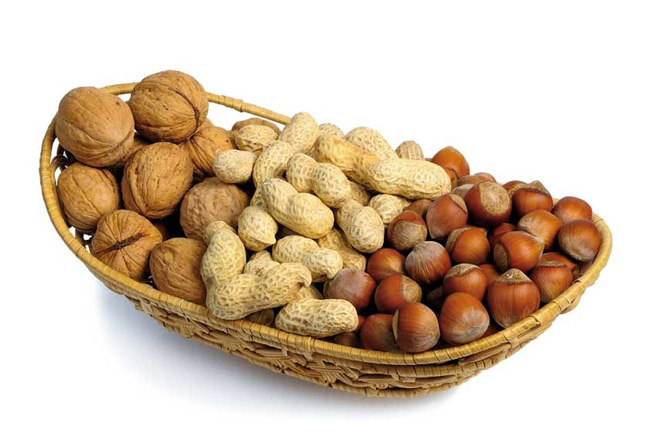
According to FDA, “Types of nuts eligible for this claim are restricted to almonds, hazelnuts, peanuts, pecans, some pine nuts, pistachio nuts and walnuts. Types of nuts on which the health claim may be placed is restricted to those nuts that were specifically included in the health claim petition, but that do not exceed 4 g saturated fat per 50 g of nuts.”
|
|||||||||||||||||||||||||||||||||||||||||||||||||||||||||||||||||||||||||||||||||||||||||||||
Table source: http://lancaster.unl.edu/food/ftmar04.htm
Disclaimer
The Content is not intended to be a substitute for professional medical advice, diagnosis, or treatment. Always seek the advice of your physician or other qualified health provider with any questions you may have regarding a medical condition.