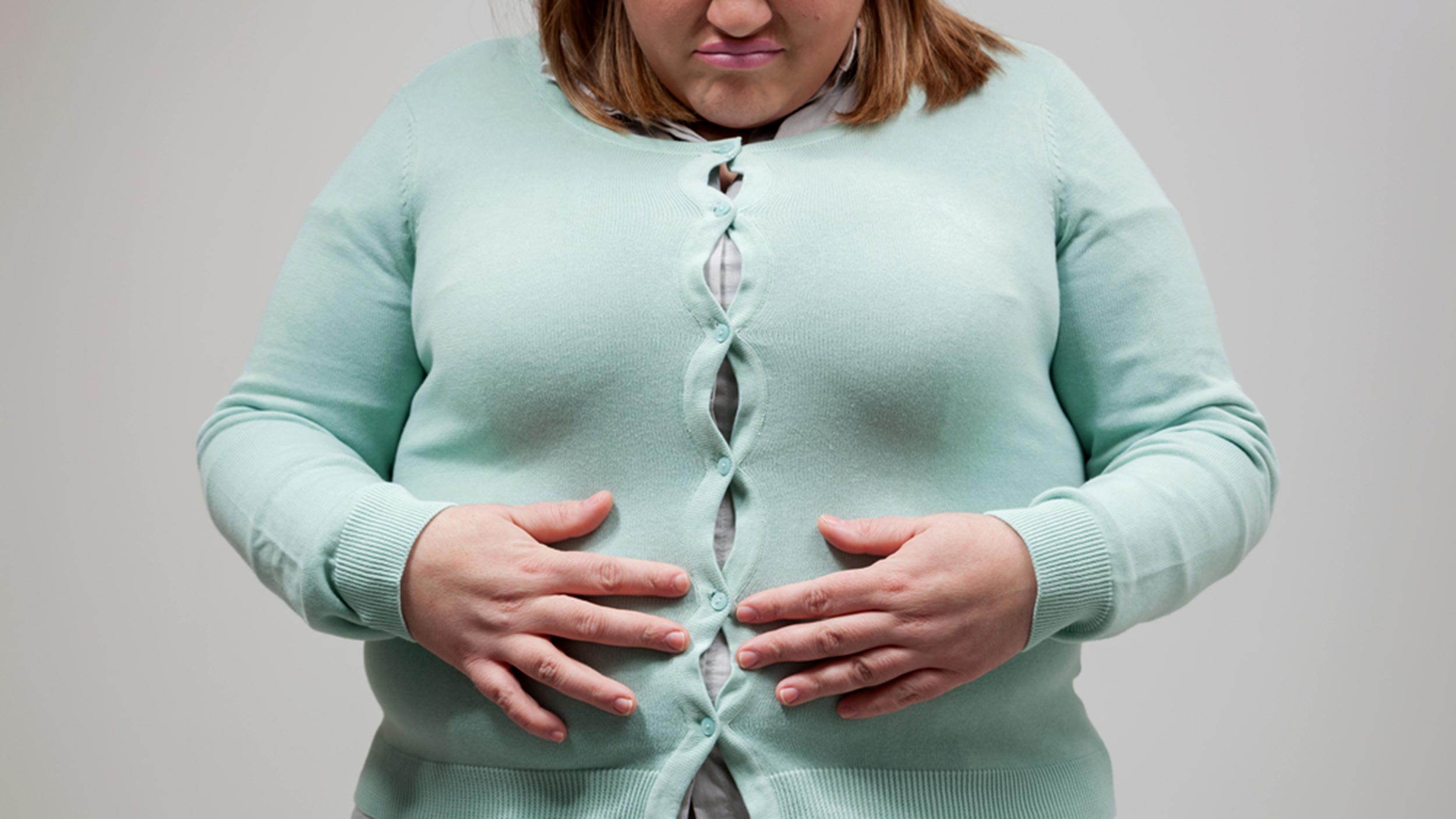
Obesity and weight gain may increase the risk of kidney stone formation, according to a new study from Brigham and Women’s Hospital and Harvard Medical School in Boston.
Obese women have a 90 percent greater risk of kidney stones
These findings suggest that developing ways to avoid holiday weight gain may be extremely important for preventing obesity and the diseases associated with it.
WHAT ARE KIDNEY STONES?
Kidney stones are hard, stone-like masses that can form in one or both kidneys.
Most people have two kidneys , which “clean” the blood. They filter out water and waste products, making urine. Kidney stones are formed out of crystals found in the urine. In most cases, the crystals are too tiny to be noticed, and pass harmlessly out of the body. However, they can build up inside the kidney and form much larger stones.
If a stone becomes large enough to block the flow of urine out of the kidney, it can cause pressure, pain and infection. If a stone moves out of the kidney with the flow of urine, it can cause severe pain as it moves through the ureters – the tubes that carry urine from the kidney to the bladder. If a stone gets stuck, an infection can occur. Depending on its size and position, an untreated kidney stone could cause permanent damage to the kidneys.

Obesity and incidence of Kidney Stone
Kidney stones affect approximately 5 percent of women. More than $2 billion is spent on the treatment of kidney stones each year.
The data is based on a study of approximately more than 200,000 women enrolled in the Health Professionals Follow-up Study and the Nurses’ Health Studies who were followed for up to 20 years.
Researchers believe larger body size causes increased urination of calcium and uric acid, resulting in a higher risk for calcium-containing kidney stones. Also, fat tissue may decrease the body’s ability to respond to insulin, which could cause changes to the urine that favor the growth of kidney stones, but more research needs to be done to confirm this hypothesis.
Researchers studied the association between the formation of kidney stones and weight, weight gain, body mass index, and waist circumference. Study results Younger women (ages 27 to 44) who weighed more than 220 pounds have a 92-percent increased risk of kidney stones, while older women (ages 34 to 59) had an 89-percent increased risk.
When compared to older women who stayed the same weight, women who gained more than 35 pounds since age 21 had a 70-percent increase, and younger women with similar weight gain had an 82-percent increased risk of forming kidney stones. Higher BMI and waist sizes were also associated with an increased risk for kidney stones.
Obesity and weight gain appear to increase the risk of kidney stones.
Study Findings:
- Women in the highest weight category had an 89 percent greater risk of kidney stones compared to those in the lowest weight category.
- Women who were obese had a 90 percent greater risk of kidney stones compared to women in a lower category of body mass index (BMI).
- Women with the largest waist circumferences had a 71 percent greater risk of kidney stones compared to those with the lowest waist circumferences.
- Women who gained more than 35 pounds since age 18 had a 70 percent greater risk of kidney stones.
Preventive Strategy:
To aid in the prevention of kidney stones consider the following information.
Consuming too much protein can damage the kidneys. The recommended amount of daily protein is two grams for every four pounds of body weight. Also, a diet low in sodium and sugar and abundant in potassium, magnesium, and vegetables, is recommended.
Weight control is an effective measure to prevent kidney stone formation.
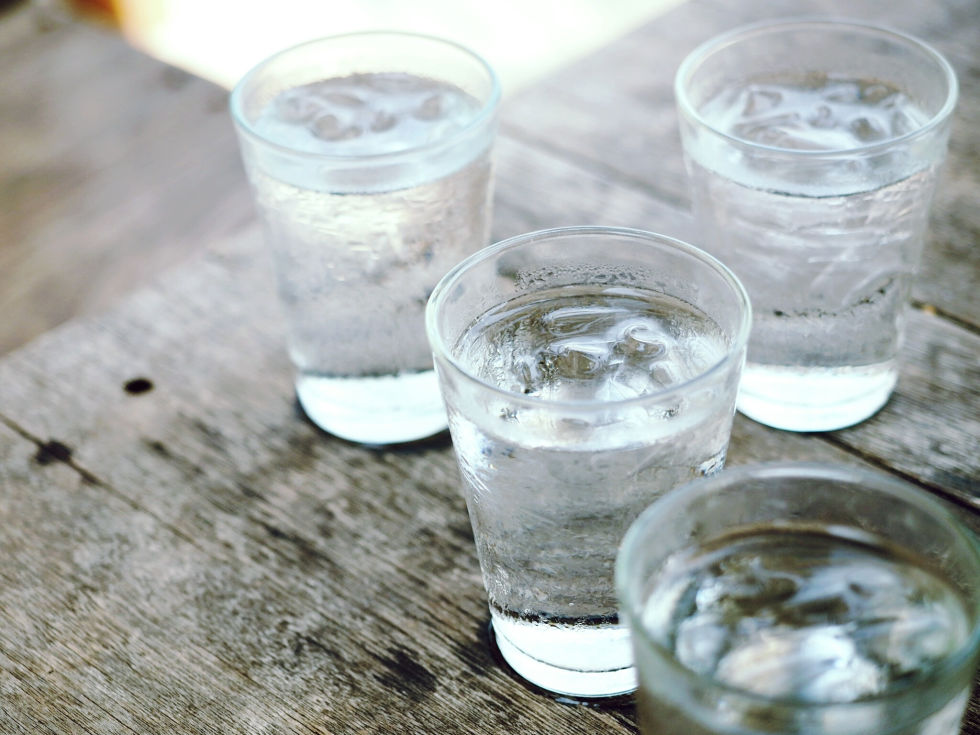
- Drink 10 glasses of water each day.
- Limit dehydrating liquids, such as coffee, tea, and alcohol.
- Follow the diet prescribed by your doctor. You may need to limit the following:
- Dairy products
- Colas, chocolates, and nuts
- Organ meats and anchovies
- Fish
- Take all medications prescribed by your doctor, even if your symptoms have disappeared.
- Try to achieve and maintain a healthy weight.