Looking for the fastest way to reach the pre pregnancy weight? The answers lie here.
A great post pregnancy diet is a must when attempting to lose weight, both for, baby & you. The right time to begin watching your calorie intake would be six weeks after delivery. In case you’re breastfeeding mom, experts recommend that you wait until your baby is at least 2 months old before you try to lose weight.
If you were healthy weight before pregnancy and gained 25-35 lbs, with the right kind of diet and exercise, you will be able to reach your post pregnancy weight within a couple of months. If, on the other hand, you were overweight before your pregnancy or you put on more weight than your doctor advised, it could take much longer – up to a year – to get the weight off. Note that, any baby weight you don’t take off could stick with you for a long time.
 Consume small frequent meals during the day: A huge must when attempting to lose weight. Your metabolism burns off calories by turning what you eat into energy, and eating frequent meals boosts your metabolism. When you eat a big meal, your blood sugar level rises significantly and this promotes fat storage. It also produces insulin, which makes you hungry. Eating regularly makes your body feel more satisfied and combats the hunger that often leads to binge eating.
 Watch the Calories: If you are breast feeding then sustain a diet of 1800 calorie a day. This will ensure healthy breast milk production while losing weight. Keep different snacks in the house to keep you from feeling hungry and give you energy throughout the day. Apple slices, carrot sticks, and wheat crackers are all good for noshing. To further calculate your daily intake, multiply your pre-pregnancy weight by 12 if you’re sedentary; 15 if moderately active; and 22 if very active. The total represents the approximate number of calories you would need to take in each day to maintain that weight.
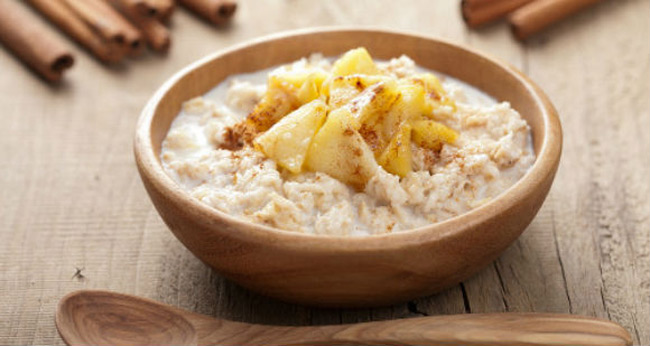
 Go for “Super Foods”: Choose foods that are dense in the nutrients and light in calories and fat. Fish is one good choice, as it is packed with omega-3 fatty acid. Milk and yogurt are also super foods because they’re high in the calcium you need to keep your bones strong. Nuts and Seeds are great sources of fibre, protein, and essential fatty acids (EFA). Sources include almonds, walnuts, pumpkin seeds, flax seeds, chia seeds, hemp seeds, brazil nuts and sesame seeds. Egg, lean meat, chicken, and beans are low in fat and high in protein and fiber. They’re good for you, and they’ll keep you feeling full for longer.
 Drink Up: Water naturally flushes the system, removing toxins from the body. Adequate water intake also helps keep skin healthy by cleansing the pores. A 2002 study published in the Journal of Perinatal Education explains, “Lactating women need adequate fluid intake, but pushing fluids is not necessary.” The article further states, “Individuals generally need 1-1.5 ml of water for each calorie consumed (e.g., a person eating a 2000-calorie diet would need 2000-3000 ml-2 to 3 liters-of fluid each day)”. So if breastfeeding women increase their caloric intake by approximately 500 calories over their pre-pregnancy caloric intake, they would need to drink an additional 500ml or half a liter (a small bottle of water) more fluid daily.
 Control the Sweet Tooth: Avoid indulging in a sweet treat now and then. According to the American Heart Association, recommended sugar intake is about 6 teaspoons per day for women. Get your share by consuming natural sugars through fruits. However, if you do crave dessert, take just one small helping of it (equivalent to two bites) and eat it very slowly. You want to relish the taste without worrying about calories. Try to stick with low calories desserts and fruit-based ones. Allow yourself to indulge as rarely as possible.
 Stay Carb Light: Carbohydrates should form about 25 per cent of your dinner. The main bulk should come from protein, vitamins and minerals. Eat dinner three hours prior to bedtime. Eliminate processed carbohydrates, also known as ’empty calorie foods’. Avoid processed foods known to contain too many calories and sugar that have fewer nutrients. Processed carbohydrates are naturally stripped of nutrients, water, and fiber content. Such carbohydrates are complex in form and are not easily broken down by the body. Thus, they tend to be converted into stored fats, which accumulate further especially without sufficient physical activity which you won’t be up to at this point in your post pregnancy life.
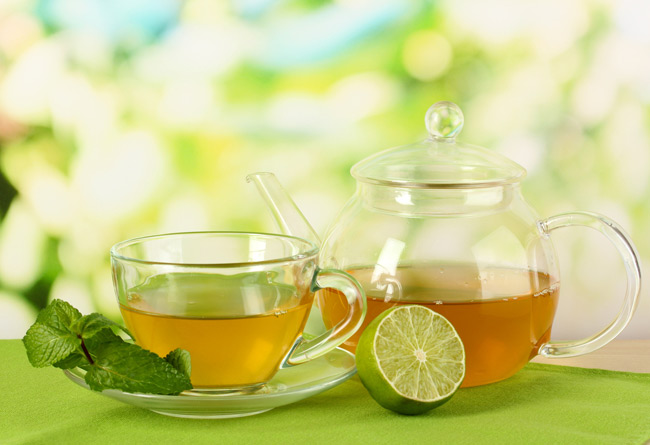
 Green Tea: It not only promotes fat loss, but specifically, the loss of visceral fat-fat that accumulates in the tissues lining the abdominal cavity and surrounding the intestines (viscera) and internal organs. Unlike fat deposits on the hips and thighs (which result in the so-called “pear” body shape), visceral fat (which produces the “apple” body shape) is highly associated with increased risk for metabolic syndrome and type 2 diabetes. Green tea contains three major components that promote fat loss: catechins, caffeine and theanine. Studies suggest that green tea compounds promote fat loss by inhibiting both gastric and pancreatic lipase, the enzymes that digest triglycerides, and fatty acid synthetase, the enzyme responsible for synthesizing fatty acids into the form in which they can be stored in the body’s adipose (fat) cells.
 Supplement Your Diet: It is important to supplement food so as to ensure that post pregnancy body is able to gain nutrition required to remain healthy. Most doctors recommend that all women of childbearing years take supplemental folic acid so that they have plenty in their body if they happen to become pregnant, which is certainly possible within a short period of time post-pregnancy. Your obstetrician can help you determine whether you should continue taking the same prenatal vitamin that you did during pregnancy, or if another brand would be better.
 Eat your Greens: According to Miranda, Victoria Secret model “I eat extremely healthy because when I do, I have more energy. I love spinach, avocado, lots of greens and broccoli.” Miranda has learnt from her own parents’ generation the importance of eating your greens. Her philosophy is one that will be passed on to her son when he is older – because mum knows best!

 Exercise & Rest: No diet can be a success until matched up with an exercise routine. It takes about four weeks for your uterus to contract to its normal size, and many women will lose about 8 to 20 pounds during that first two weeks as the body gets rid of all that extra fluid. If you haven’t been active during pregnancy, don’t jump right into intense workouts. But, each day, be sure to do at least something active. Starting out, going for a walk (also showing off your new baby) around the neighborhood or parks is a great way to do something. Then, start working up to faster-paced cardio exercises like jogging, swimming or cycling. Also, note that, constant sleep deprivation can be bad news for anyone wanting to lose post pregnancy weight. A serious lack of rest time can lead to poor mental and physical wellbeing, so try to make up when the baby is asleep.
Patience is the key to losing baby weight after pregnancy
Disclaimer
The Content is not intended to be a substitute for professional medical advice, diagnosis, or treatment. Always seek the advice of your physician or other qualified health provider with any questions you may have regarding a medical condition.