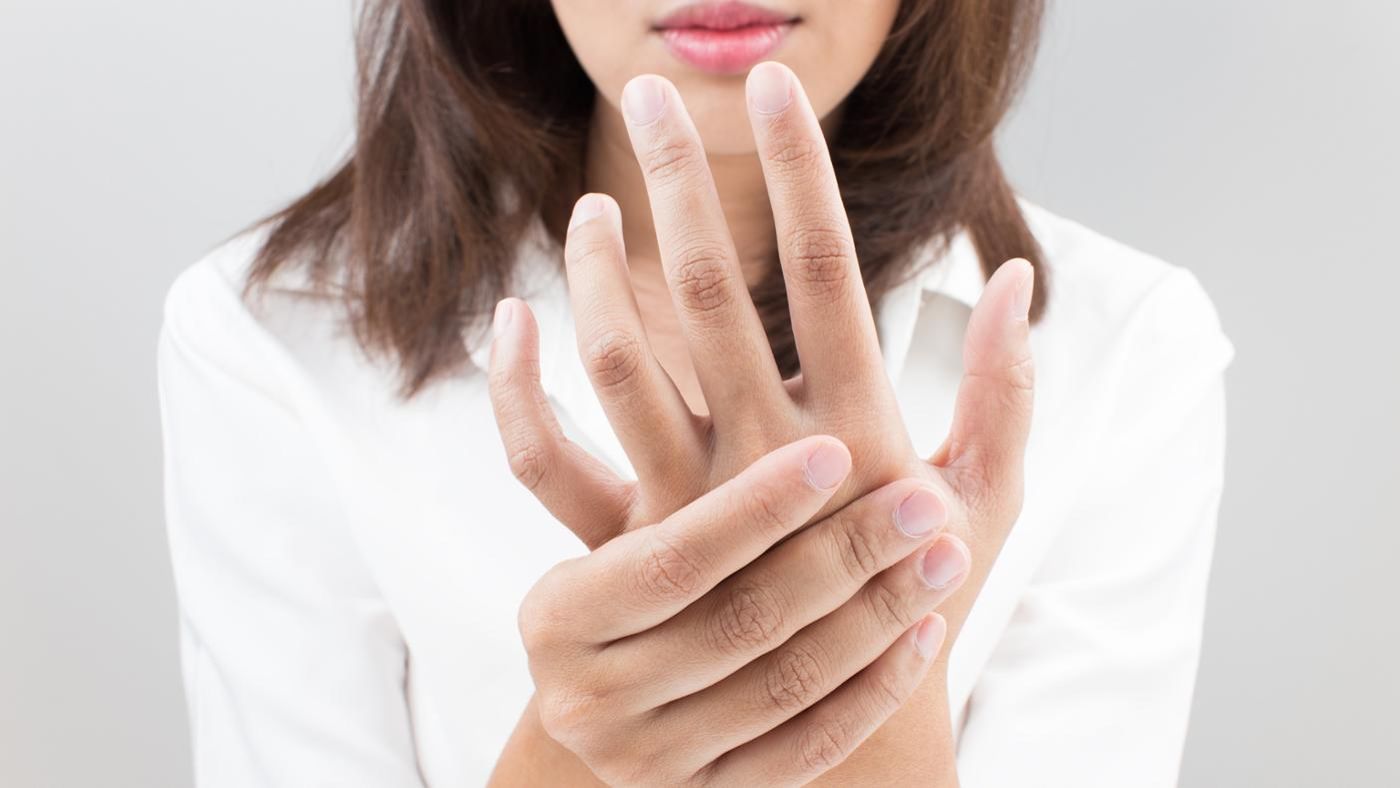
Do you experience frequent, durations of the blood vessel spasm in your fingers and toes. Chances are you might be suffering from Raynaud’s, a rare disorder that affects the arteries. Cold and stress normally narrow small blood vessels in the skin. This redirects blood flow away from the extremities and toward the internal organs. It’s a way to conserve heat and prevent excessive blood loss in case of injury.
About 80 percent of Raynaud’s sufferers are women.
Sometimes a disease, condition, or other factor causes Raynaud’s. This type of Raynaud’s is called Raynaud’s phenomenon or secondary Raynaud’s. Primary Raynaud’s is more common and tends to be less severe than secondary Raynaud’s. In a Raynaud’s episode, fingers turn white as small arteries in the skin spasm.
During a Raynaud’s attack, the arteries become very narrow for a brief period leading to depletion of oxygen in the vessels . This may cause these areas to:
- Turn pale or white and then blue
- Feel numb, cold, or painful
- Turn red, throb, tingle, burn, or feel numb as blood flow returns to the affected areas
Raynaud’s attacks can last less than a minute or as long as several hours. Attacks can occur daily or weekly.
Prevention Tips
Here are some measures that can help:

 Keep Yourself Warm. Keep your core (between your shoulders and pelvis) and extremities as warm as possible, both inside and outside the house. Use glove and boot when you go outside and wear a sweater and gloves indoors. Patients with primary Raynaud’s often respond to conservative measures including wearing of two layers of gloves, inner cotton and outer woolen. Avoid placing hands too close to heaters/blowers especially after a bout of an attack of Raynauds’ following sudden exposure to cold. At night, an electric blanket can be used to keep warm.
 Avoid Cigarette Smoke. Smoking plays a part in constricting blood vessels and this can also cause the onset of a Raynaud’s attack in people who have been diagnosed with the illness. Nicotine and other chemicals in cigarette smoke make blood vessels constrict.

 Nix Certain Medications. Over-the-counter decongestants containing phenylephrine or pseudoephedrine (Sudafed, TheraFlu, Actifed, and others), anti-migraine medications containing ergotamine (Imitrex and others), herbal preparations containing ephedra, birth control pills, the blood pressure medication clonidine (Catapres), and some beta blockers can make you more susceptible to episodes of Raynaud’s.
 Act quickly to end an attack. In case of Raynaud’s attack, put your hands in your armpits or rotate your arms in a whirling or windmill pattern, which can help send blood to the fingers. Soaking your hands or feet in warm (not hot) water can also help.

 Manage stress. Learn to recognize and avoid stressful situations to control the number of attacks. Relaxation techniques such as deep breathing and meditation may help decrease the number and severity of attacks.
 Include physical activity: as part of your healthy lifestyle. Exercise can increase circulation, among other health benefits.

 Recognize activities that induce an Attack: Common activities include those which involve placing pressure on the digits, such as typing, playing keyboards and pianos, chopping food and using vibrating tools. Take a break from the activity, and stretch.
 Take care of your Hands & Feet: If you have Raynaud’s, be sure to take care of your hands and feet. Protect them from cuts, bruises, and other injuries. Wear properly fitted shoes and don’t walk barefoot. Use lotion to prevent your skin from drying and cracking. Also, avoid tight wristbands and rings.

 Avoid caffeine. Caffeine causes your blood vessels to narrow and may increase the signs and symptoms of Raynaud’s. Examples of beverages containing caffeine include coffee, tea, cocoa and soft drinks.
 Diet Management: Avoid high-cholesterol foods such as whole milk, steak, bacon, sausage, hot dogs and organ meats such as beef, liver and kidneys. High-cholesterol foods destroy arteries by causing plague to build up inside arteries. Plaque is made up of fat, cholesterol, calcium and other substances found in the blood. Over time, plaque hardens and causes narrowing of the arteries, which reduces blood flow to body organs. Eat foods rich in niacin or take niacin supplements, according to MayoClinic.com. Niacin helps blood vessels dilation, thereby increasing blood flow to fingers, toes and other areas of the body affected by Raynaud’s. Niacin food sources include brewer’s yeast, legumes, whole-grain products, green leafy vegetables, red meat, chicken, fish, eggs and milk.
Raynaud’s can be annoying as it can hamper daily activities. That’s when it may be time to turn to a prescription. Calcium channel blockers, estrogen therapy, topical nitroglycerine and even phosphodiesterase inhibitors, may be able to help. Several recent studies have shown that Botox injections in the hands may relieve the condition when it becomes serious enough to cause ulcers or gangrene.
For more:
Disclaimer
The Content is not intended to be a substitute for professional medical advice, diagnosis, or treatment. Always seek the advice of your physician or other qualified health provider with any questions you may have regarding a medical condition.