Dr. Arya Sharma, an obesity expert from the University of Alberta, has developed a new classification system to help doctors assess and treat obese patients. If proven successful, this system would be used in tandem with the BMI measurement to help identify the health differences between people with similar BMIs.
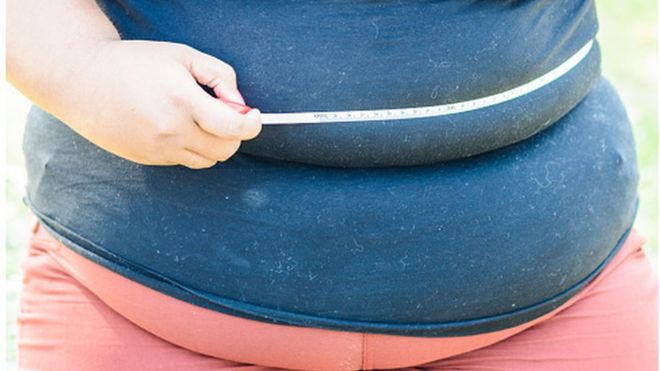
The doctors will rank people with Class 1, 2 or 3 BMIs — where Class 3 is the heaviest, but not necessarily the worst — they would also use five new stage rankings.
According to Dr Sharma “Edmonton Obesity Staging System (EOSS), is a five-stage scale (0-4) that considers BMI, other illnesses and functional status of people who are obese to rank the consequences of excess weight. “
The stages to be used for evaluation:
- Stage 0 would be someone with no health problems.
- Stage 1 would be someone with risk factors, such as snoring or borderline hypertension.
- Stage 2 and 3 would be someone whose condition is worsening, causing a heart attack, liver cirrhosis, sleep apnea or need for hip and knee replacement.
- Stage 4 patients have so many problems they have to be treated extremely aggressively or need palliative care because losing the weight would be so difficult.
Using the two systems together would mean someone could have a Class 3 BMI, but only be at Stage 0. Doctors would encourage that person to lose weightt, but not suggest stomach surgery or prescription drugs since that person is otherwise healthy. Medical advice would become much more urgent for someone at Class 3, Stage 3, where bariatric surgery may be necessary.
Currently, the EOSS is being studied at Alberta Health Services’ adult Weight Wise clinic in Edmonton, Alberta for both its accuracy and usefulness to doctors.
Is weight loss surgery right for you?
For clinically severe obesity, surgery may be an element of treatment. Many people, wrongly believe that obese people merely need to stop eating so much and they will lose weight. In reality, severe obesity is a potentially deadly disease that sometimes requires a treatment as dramatic as surgery.
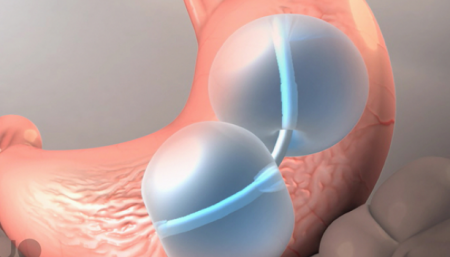
There are two types of obesity surgery — restrictive and combined restrictive/mal-absorptive. Different ways of performing each surgery have been developed. Each type of surgery has its own risks and side effects. Your physician can help you decide which is best for you.

Wiring the jaws together to prevent eating has been used to treat those who have found it impossible to adhere to low-energy diet. These can help patients to achieve remarkable weight loss, but most patients regain weight when the procedure is reversed. Another major surgery involves the reduction in size of the stomach for example by stapling which can be undone. Small intestine bypass aimed at inducing mal-absorption, has been undertaken in some centers for treatment of severe “morbid” obesity but complications can be severe and sometimes fatal. Surgery should be considered only for those with gross, intractable obesity. To know more about the various surgical procedures log on to http://www.medscape.com.
These are the kind of questions you will be asked, before surgery:
- Are you 100 pounds or more overweight?
- With a Body Mass Index (BMI) of 40 or higher
- Are you 80 pounds overweight with related health problems?
- With a BMI of 35 or higher, plus conditions such as diabetes, high blood pressure or sleep apnea
- Do you have a history of obesity?
- Have you made multiple attempts to lose weight without long-term success?
- Are you willing to make lifelong changes in your diet? And follow other lifestyle changes recommended by our weight loss team?
In addition, while on a weight loss program the patient needs medically supervised weight management. Non-surgical bariatric weight loss services range from dietary and diabetes counseling to seminars and community education.
Disclaimer
The Content is not intended to be a substitute for professional medical advice, diagnosis, or treatment. Always seek the advice of your physician or other qualified health provider with any questions you may have regarding a medical condition.