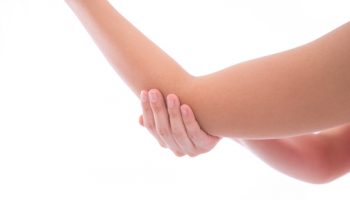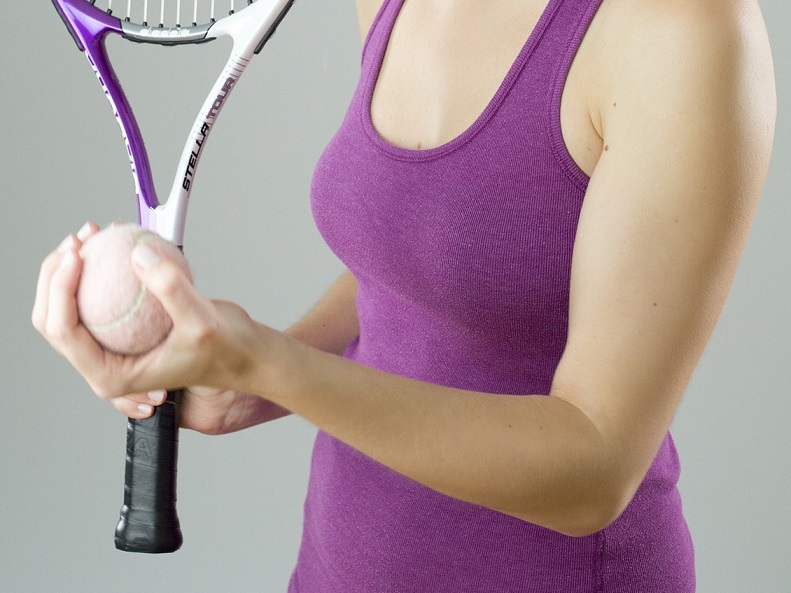
Tennis elbow is typically brought on by repetitive motion, overuse, or a direct injury. If you feel a slight twinge at the outside portion of the upper arm, near the elbow, for this could be sign of tennis elbow or tendinitis of the lateral epicondyle. This condition is caused by continual small strains and microscopic tears of tissue near the elbow, resulting in inflammation and pain. Specifically, the tendon and muscles (especially the extensor carpi redialis muscle) that extend the wrist by bending your hand back, as if you were to push against the wall, are affected. It commonly occurs while playing tennis because of overextension of the wrist during a backhand stroke. But you do not have to play tennis to develop tennis elbow. You can cause lateral epicondylitis by wielding a hammer or other tool. It is the repeated motion over time that eventually causes the injury. This is why people who are in their forties and fifties are more likely to develop tennis elbow.
The most common symptoms of tennis elbow are:
- Pain over the outside of the elbow
- Pain when lifting objects
- Pain radiating down the forearm
The pain associated with tennis elbow usually has a gradual onset, but it may also come on suddenly. Most patients with tennis elbow are between the ages of 35 and 65 years old, and it affects about an equal number of men and women. Tennis elbow occurs in the dominant arm in about 75 percent of people
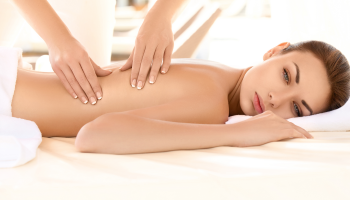
Pain can last from a few days to a few weeks. Occasionally, anti-inflammatory medications such as ibuprofen and naproxen can be used. A cortisone injection can be helpful in some cases, but should be reserved for the persistent pain that last more than six weeks, and it must not be done more than three times. There always is a risk of tendon rupture and breakdown of surrounding tissues as a result of a cortisone injection. After the inflammation subsides, heat, massage, and ultrasound treatment by a physiotherapist can speed up the rehabilitation process.
Some yoga poses that will strengthen your body without causing pain and straining your tennis elbow, as well as help you overcome elbow pain .
- Pawanmuktasana-1 – Sit in the base position. Bend the knees and bring the soles of the feet together, keeping the heels as close to the body as possible. Relax the inner thigh muscles fully. Hold the feet with both hands and gently jump your knees up and down. Try to touch the knees to the ground on the downward stroke. Do not use any force. Practice up to 30 up and down movements. Maintain normal breathing unrelated to the practice.
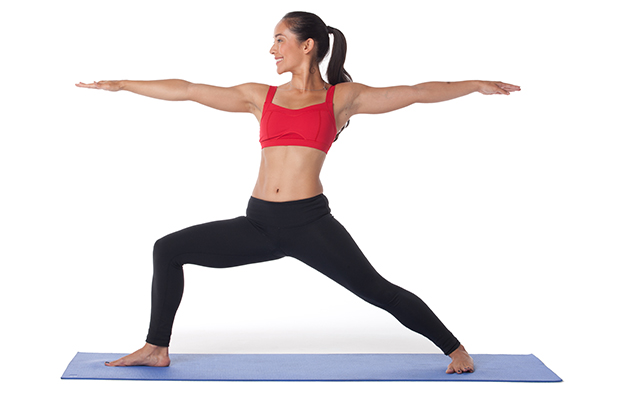
- Virabhadrasana II (Warrior II)– This asana allows you to extend your arms fully without pain and the aggravation of tennis elbow. The sequence of the pose is as follows: From Warrior I, open the arms out, bringing the right arm in front of you and the left arm behind. Open the left hip back. Keep the right knee bent and the right thigh parallel to the floor. Draw the belly in slightly. Find the shoulders directly over the hips. Reach out through both finger tips. The gaze is forward over the right hand. Engage the triceps to support the arms, and the quadriceps to support the legs. Repeat on the left side.
- Utkatasana (chair pose)– Begin in Tadasana, arms down by your sides, sternum lifted. Squatdeeply with your weight back onto your heels, squeezing your inner thighs together. Stretch your arms overhead, placing palms together. Keeping your palms together, inhale and bring your arms down to the middle of your chest in Prayer Pose. On an exhale, twist your torso to the right. This will place your left elbow at the outside of your right knee. Keep your arms in Prayer Pose. Inhale, then exhale while deepening the twist. Turn your eyes upward and hold the pose for three-to-five breaths. Slowly unwind your upper body to face forward as you exhale. .Straighten your legs, bring your palms back to Prayer Position, and return to Tadasana. Repeat on the other side. The regular practice of yoga not only helps heal tennis elbow, it also stretches the tendons and ligaments and helps keep them flexible, significantly reducing the risk of getting tennis elbow at all.
You can also practice:
- Hand clenching: Sit in base position or any cross legged position. Hold both arms straight in front of the body at shoulder level. Open the hands, palms down and stretch the fingers as wide apart as possible. Close the fingers to make a tight fist with thumbs inside. Again open the hands and stretch the fingers. Repeat 10 times. Inhale on opening the hands. Exhale on closing the hands.
- Wrist bending: Sit in base or cross-legged position. Stretch the arms in front of the body at shoulder level. Keep palms open and fingers straight throughout the practice. Bend the hands backward from the wrists as if pressing the palms against a wall with the fingers pointing towards the ceiling. Now, bend the hands forward from the wrists so that the fingers point towards the floor. Elbows to be kept straight throughout the practice. Do not bend the knuckle joints or fingers. Repeat 10 rounds of this up and down movements. Inhale with the backward movement and exhale with the forward movement.
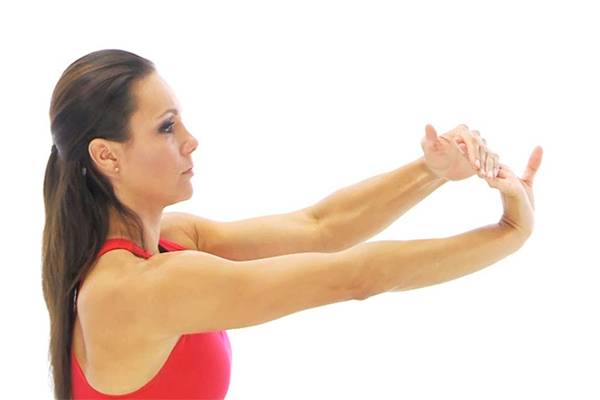
- Wrist joint rotation: Sit in base position or any cross-legged position. Back straight. Extend right arm forward at shoulder level. Make a fist with right hand , thumb inside. Left hand may be used as support, if necessary. Now, slowly rotate the fist about the wrist, keeping the palms facing downwards throughout the rotation. Arms and elbows should remain perfectly straight and still. Make as large circles as possible. Practice 10 times clockwise and 10 times anticlockwise. Repeat with the left fist. Wrist joint rotation can be practiced with both arms together. Rotate both fists (10 times) together in the clockwise direction. Repeat the rotation in anticlockwise direction. Another variation is that rotate both the fists in opposite directions (10 times) and then reverse the direction (10 times).
Disclaimer
The Content is not intended to be a substitute for professional medical advice, diagnosis, or treatment. Always seek the advice of your physician or other qualified health provider with any questions you may have regarding a medical condition.