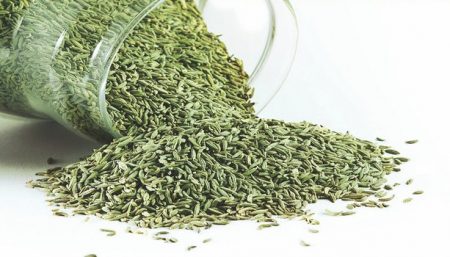
If you’ve ever browsed the herb-and-spice display in your grocery store, you’ve spotted dozens of different seasonings. Each imparts a very distinct flavor and aroma. Which ones you choose depends as much on the foods you’re preparing as on the preferences of you palate. If you haven’t used herbs and spices a whole lot, you’ll need to experiment to figure out which ones best suit your cooking and your taste buds.
The following selections make an ideal starter kit that should cover many of your cooking needs. Besides being quite versatile, these seasonings offer so many important health benefits that they’re almost too good to pass up.
1. Basil.
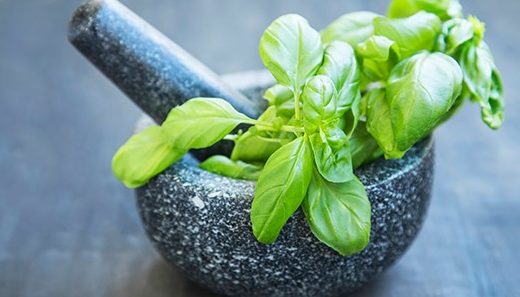
A common ingredient in tomato sauces, this intensely flavored herb also works well in soups, salads, and vinaigrettes. There’s good reason to make the most of basil in your cooking. Preliminary research suggests that the herb may help block the biochemical chain reaction that leads to the development of cancer. An array of flavonoids exist in basil, which help to protect cells and chromosomes from damage. Studies have shown that two of these flavonoids in particular, orientin and vicenin, are useful in protecting cell structures and chromosomes from damage by radiation and oxygen.
2. Bay leaves.
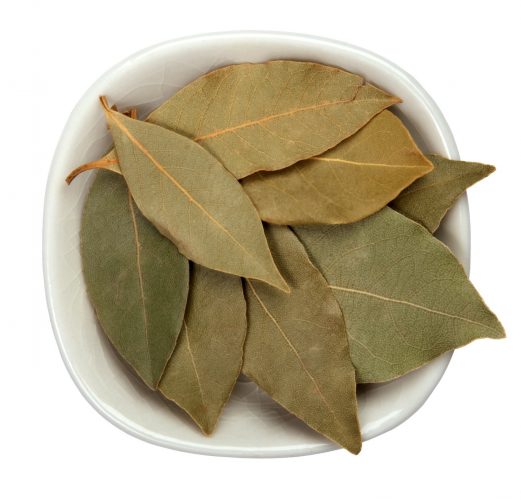
These woodsy-tasting green leaves are being studied as a potential treatment for Type II (non-insulin-dependent)diabetes. In Type II diabetes, the body doesn’t produce enough of or becomes resistant to the hormone insulin, which it needs to help convert food into energy. But bay leaves can actually help regulate insulin levels. The essential oil of the bay leaf is a constituent of perfumes, and can be used as a massage oil to relieve muscular soreness and enhance circulation, and is also used in tonic formulations to combat hair loss. You can use the herb as a flavor enhancer in soups, stews, and marinades. Just remember to remove it from a dish before serving: The leaf is so sharp and stiff that it can damage the throat or digestive tract if swallowed.
3. Cloves.
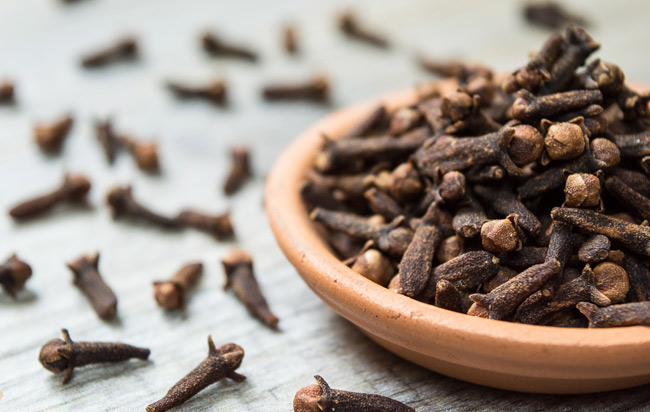
With their intense orange scent and piquant flavor, cloves nicely complement autumn-ripe vegetables such as pumpkin and squash. Cloves also spice up rice dishes and baked goods. They contain a compound called eugenol, a powerful antioxidant, that can help keep your arteries clear of cholesterol. According to a recent study, all those who ingested cloves showed a drop in glucose, triglycerides and LDL (“bad”) cholesterol levels. Those who did not ingest cloves experienced no changes. Cloves are a great spice to heal ailments of the digestive system. They are well known for relieving flatulence and can actually help promote good digestion as well as metabolism. They may also help relieve vomiting and diarrhea as well as a host of other digestive disorders. Cloves are also used in tropical Asia to treat conditions such as scabies, cholera, malaria and tuberculosis. As an antispasmodic it can be applied topically to relieve muscle spasms or in a tea to ease coughing. It can also treat skin problems like styes and sores when applied as an ointment. It is said a paste of milk, salt crystals, and cloves can be a great headache remedy.
4. Garlic.
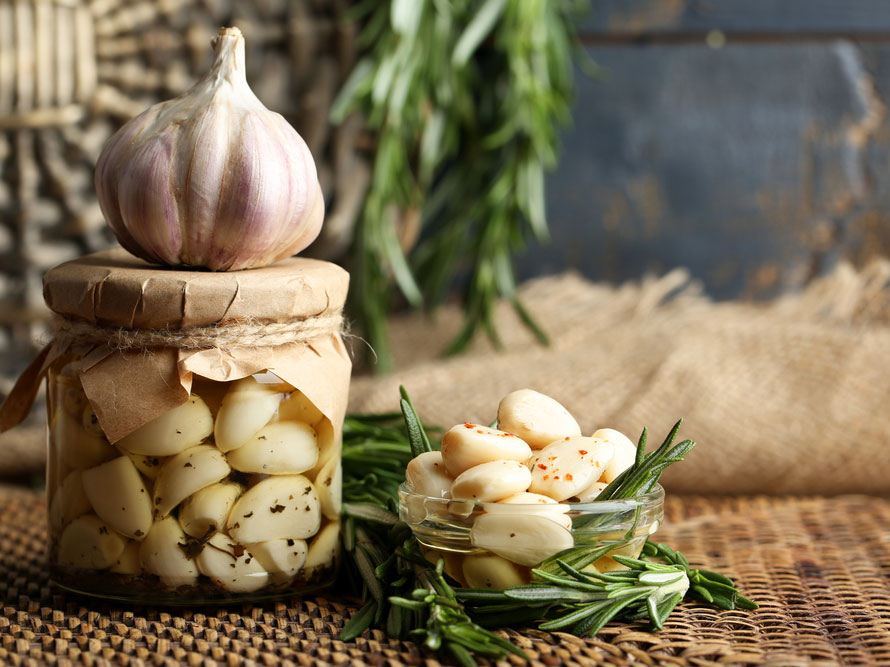
Okay… so technically, garlic doesn’t qualify as an herb or a spice. (It’s actually a member of the onion family.) Nevertheless, the medicinal benefits of this “wonder bulb” definitely merit mention. Perhaps the most compelling research so far focuses on the link between garlic consumption and cancer risk. A study at Pennsylbania State University in University Park found that garlic inhibits formation of breast cancer cells. And researchers in Iowaconcluded that eating garlic at least once a week cut women’s risk of colon cancer by one-third, compared with women who never ate garlic. Garlic is so versatile that you can incorporate it into all but the sweetest dishes. Worried about garlic breath? Roasting or boiling the bulb before use will make it milder and less pungent. Or try chewing parsley sprigs after eating garlic.
5. Ginger.
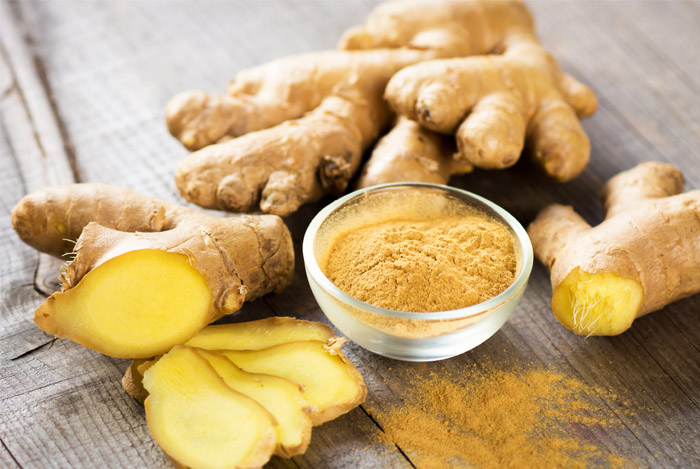
Many Chinese and Indian dishes call for this spicy-sweet ingredient, which, like garlic, has therapeutic properties.Ginger is perhaps best known for its ability to relieve motion sickness. Taking 1/4 teaspoon 20 minutes before a car or boat trip should give you about 4 hours of relief. Another popular remedy is 3 or 4 slices of sliced ginger in a cup of boiling water to make ginger tea. Sip as needed to relieve nausea caused by motion sickness. Now researchers in Denmark and India have uncovered evidence that ginger can also ease migraine pain and help lower cholesterol. Use it in stir-fries, cakes, and marinades and as a complement to meat dishes. Ginger has also been shown to clean and thin the blood thus positively affecting the heart and almost every other organ in the body. Denmark researchers have discovered that ginger can block the effects of prostaglandins. These are substances that cause inflammation of the blood vessels in the brain, which leads to migraine. Though the results are still experimental, 1/3 teaspoon of fresh of powdered ginger taken when you feel a migraine coming on can help stop pain before it starts. Using the same theory, ginger has been found to produce “marked” relief in arthritis pain. The ginger tea described above or 1/2 teaspoon of ginger is recommended by Danish researchers for arthritis relief.
6. Paprika.
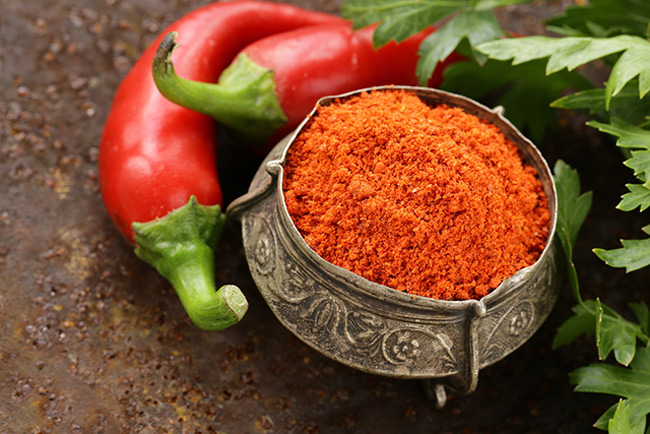
Paprika can boost your pound burning power by accelerating you metabolism while curbing your appetite. The spice is available in a range of “temperatures,” from mild to hot. It also tends to give foods a reddish hue. Use paprika to liven up broiled fish, chicken, and roasted or mashed potatoes. As an antibacterial agent and stimulant, paprika can help normalize blood pressure, improve circulation, and increase the production of saliva and stomach acids to aid digestion. Paprika is unusually high in vitamin C. It is said that paprika contains as much as nine times as much vitamin C as one tomato does in weight.
7. Parsley.
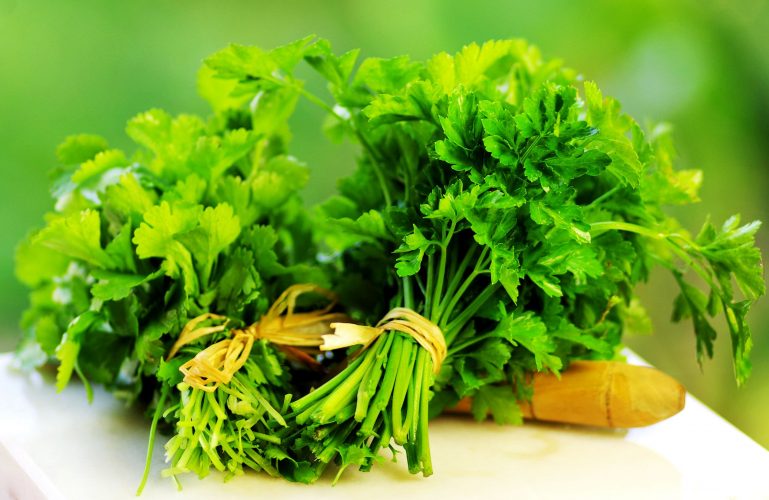
Nibbling that delicate green sprig on your dinner plate just might do you a world of good. Parsley contains compounds that act as natural diuretics, which means the herb can help prevent premenstrual water retention and flush out bacteria that lead to urinary tract infections. Besides using fresh parsley as a garnish, mince it and sprinkle it on soups, pasta, grains, and potatoes. Parsley contains more vitamin C than any other standard culinary vegetable, with 166mg per 100g (4oz). This is three times as much as oranges and about the same as blackcurrants.
8. Red pepper.
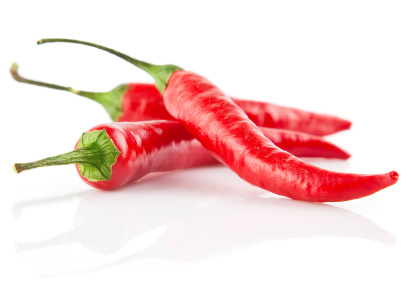
As with paprika, eating red pepper may speed up your metabolism. Red pepper also makes a good home remedy for a cold: The heat it produces can unclog a stuffed-up nose and stimulate a more productive cough. A natural in spicy-hot dishes such as chili, red pepper can also add flair to soups, stews, sauces-even salad dressings. According to a new study, caspian, the compound that gives red pepper its heat could stop the spread of prostate cancer. Previous studies have linked red chili papers to inhibiting the growth of pancreatic cancer cells.
9. Rosemary.
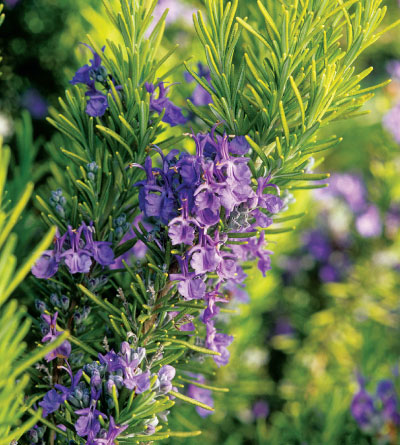
Common in French and Italian cuisines, this aromatic herb complements the flavors of a variety of dishes, especially poultry and lamb. On the health front, evidence suggests that rosemary helps protect against cancer. Rosemary has the ability to assist in those who are having memory difficulties as a result of emotional or mental stress. In addition to improving ones memory, Rosemary posses beneficial properties such as the ability to improve ones circulation, eases joint pain for many with arthritis, a headache reliever, and can treats the symptoms of the common cold to name a few. The Rosemary herb has strong antioxidant properties as well which help to promote overall health.
10. Turmeric.
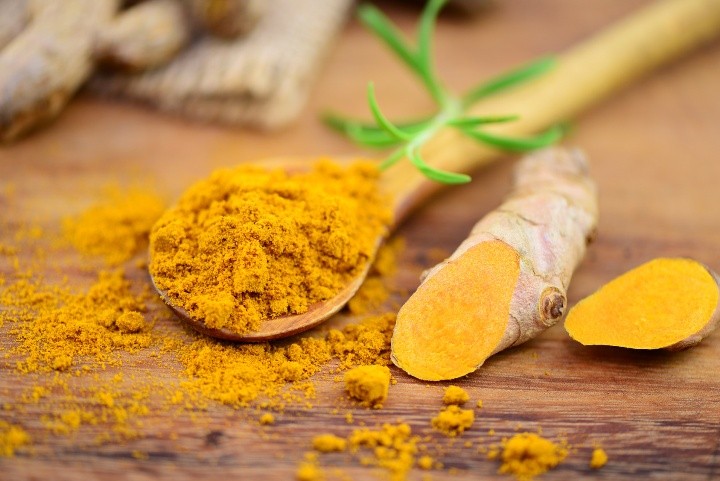
Turmeric is what gives prepared mustard its distinctive golden glow. Its mild flavor and yellow hue complement curries and rice dishes. This spice can contribute to your heart health, too, by lowering blood levels of triglycerides and by preventing cholesterol from sticking to your artery walls. Other studies have linked turmeric to a reduced risk of cancer and possibly to stronger immunity. At least one study at the University of Texas showed that curcumin (the active ingredient in Turmeric) can slow and even stop reproduction of cancerous cells in multiple myeloma, an insidious form of cancer. Curcumin also relieves the pain associated with arthritis by reducing inflammation in the joints.
Related links
- Top 10 Low Cholesterol food options
- Top 10 Juicy Health Options
- Herbs for Anemia
- Improving your metabolism
- Diet and Detox
- Herbal medicine: how does it work?
- Herbal Management of Breast Cancer
- Herbal Management of Diabetes
- Herbs for Anemia
Disclaimer
The Content is not intended to be a substitute for professional medical advice, diagnosis, or treatment. Always seek the advice of your physician or other qualified health provider with any questions you may have regarding a medical condition.