Bringing your fat intake to a healthy level can work wonders for your waistline. But there’s a lot more you can do to peel off those extra pounds and keep them off for good. The following strategies will help you whip youreating habits into shape and make you a weight-losswinner.
 Consider calories. This is absolutely critical. Many people think that they can eat as much low-fat food as they want, but these foods contain a significant number of calories and if you take in a lot more calories than you need-even if they’re fat-free calories- you gain weight. For every 3,500 “unused” calories that you consume, you gain 1 pound. On the other hand, if you cut your calorie intake by 100 calories a day, you can lose 10 pounds over the course of a year- even if you make no other changes in your eating habits.
 Keep those carbs coming. Complexcarbohydrates-foods such as pasta, bread, beans, rice, and potatoes- always had a reputation for going straight to your hips. But the truth is that your body would much rather burn carbohydrate calories than attempt to store them as fat. In deed, research has shown that people who achieve and maintain a healthy weight consume and abundance of complex carbohydrates. Complex carbohydrates have low energy densities-that is, they weigh a lot, but they contain relatively few calories.
Complex carbohydrates also switch off hunger by triggering certain nerve endings to alert your brain that you’re full. With high-fat foods, this message never gets delivered, and you end up eating more than you should. Of course, not all complex carbohydrates are created equal. Go easy on foods such as packaged baked goods, which are usually made with refined flour and pack a lot of fat and sugar to boot. Stick with whole grains, fruits and vegetables. They’re virtually fat-free, they contain a lot of nutrients, and they fill you up.
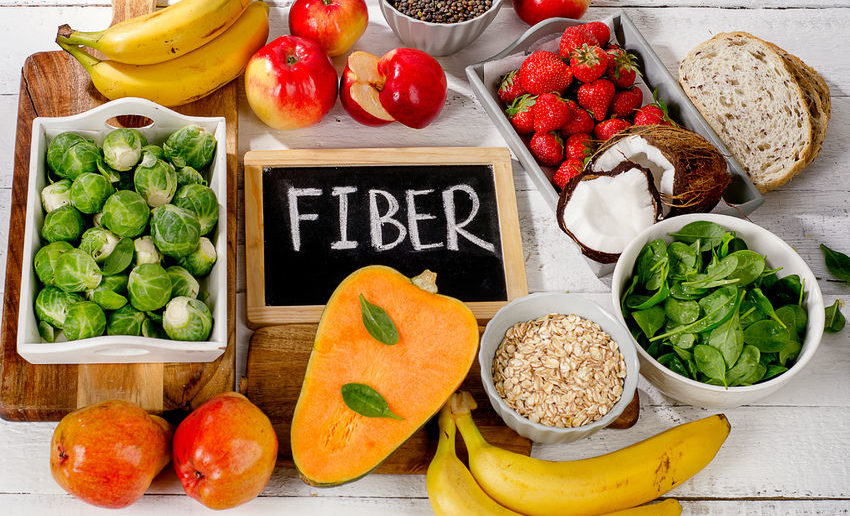
 Become a fan of fiber. Foods that are high infiber create a feeling of fullness, so you tend to eat less of them. It’s a good idea to select high-fiber foods as your carbohydrates, you’ll get more nutrients and avoid dips in blood sugar, which can cause food cravings and hunger pangs. It is recommended to consume up to 35 grams of fiber a day. Choose whole-grain cereals, beans, fruits, and vegetables.
 Drown your hunger. Experts agree that plain old H2O is the best appetite suppressant around. When you give your body water, it thinks it has been fed and so stops bugging you for food. In fact, often what you perceive as hunger is really thirst in disguise. To stay well-hydrated and stave off a grumbly stomach, try to drink at least eight eight-ounce glasses of water a day.
 Go easy on the alcohol. You get 106 calories in 5 ounces of wine and 150 calories in 12 ounces of beer. If you have more than one of either beverage, you’ll pack on the pounds. There’s also evidence that alcohol interferes with your body’s fat-burning process, which makes it harder to lose weight. Try not to exceed three drinks a week.
 Mind your mealtimes. Skipping meals can be hazardous to your waistline. Besides leaving you famished and vulnerable to overeating, it also slows down your metabolism. In fact, research has shown that people who bypass breakfast burn about 5 percent fewer calories than people who eat at least three meals a day.

 Divide and conquer. Instead of sticking with the standard three squares, make the switch to mini meals- five or six small meals spread over the course of a day. This style of eating has a couple of advantages, weight loss-wise. For one thing, you never get too hungry, since you’re feeding your body every few hours. For another, you avoid taking in too many calories in one sitting. This is important, because your body can use only a certain number of calories at a time to function.
 Linger over dinner. When you eat something, your brain doesn’t get the message for about 20 minutes, this delay means that you can get full before you actually feel full. Taking the time to savor every morsel of your meal can prevent you from overeating.
 Know the source. Here’s another little trick of the weight-loss trade: Be careful to distinguish between hunger and appetite. Hunger is driven by a genuine physical need for food. Appetite, on the other hand, often grows from your emotions. Weight–loss experts call it head hunger: You eat because you want to, not because you have to. To help sharpen your hunger awareness, try this exercise at your next meal. Before you start eating, rate your hunger on a scale of zero to five (zero being the least hungry, five being the most). Eat one quarter of the food on your plate, then rate your hunger. Wait five minutes, then rate your hunger again. Repeat the sequence. As you concentrate on the process of eating, you just may discover that you’re satisfied before you even clean your plate.

 Choose foods that satisfy. Researchers at the University of Sydney in Australia put together a list of “bargain foods” that, calorie for calorie, have the greatest potential to satisfy your hunger. The highest-scoring-food? The baked potato. It gives you the most bang for your caloric buck, filling you up faster and on fewer calories than any other food tested. Rounding out the top five are fish, oatmeal, oranges, and apples. At the bottom of the satiety barrel: croissants, cake, doughnuts, candy bars, and peanuts.
 Rev up your metabolic engineTo burn calories, why not add a little fire to your food? Seasoning your meals with sizzling spices can actually boost your metabolic rate and melt away the pounds. In a study at Oxford-Brooks University in England, researchers had people eat two meals-on e bland, the other spiked with hot mustard and chili sauce. While both meals boosted metabolism (your body expends energy to digest all types of food), the spicy cuisine sent it soaring 25 percent higher. And it stayed elevated for about three hours after the last fiery bite.Chili powder, chili peppers, horseradish, and hot-pepper sauce can rev up your metabolic engine, too. You can tell that they’re working when you start to perspire. While you’re at it, you might want to dampen those flames with some ice-cold water. Your body has to expend energy to heat the H2O to 98.6F, your normal temperature.Drinking eight eight-ounce glasses a day burns 123 calories. And all you have to do is swallow. Rev up your metabolic engineTo burn calories, why not add a little fire to your food? Seasoning your meals with sizzling spices can actually boost your metabolic rate and melt away the pounds. In a study at Oxford-Brooks University in England, researchers had people eat two meals-on e bland, the other spiked with hot mustard and chili sauce. While both meals boosted metabolism (your body expends energy to digest all types of food), the spicy cuisine sent it soaring 25 percent higher. And it stayed elevated for about three hours after the last fiery bite.Chili powder, chili peppers, horseradish, and hot-pepper sauce can rev up your metabolic engine, too. You can tell that they’re working when you start to perspire. While you’re at it, you might want to dampen those flames with some ice-cold water. Your body has to expend energy to heat the H2O to 98.6F, your normal temperature.Drinking eight eight-ounce glasses a day burns 123 calories. And all you have to do is swallow. |
Disclaimer
The Content is not intended to be a substitute for professional medical advice, diagnosis, or treatment. Always seek the advice of your physician or other qualified health provider with any questions you may have regarding a medical condition.