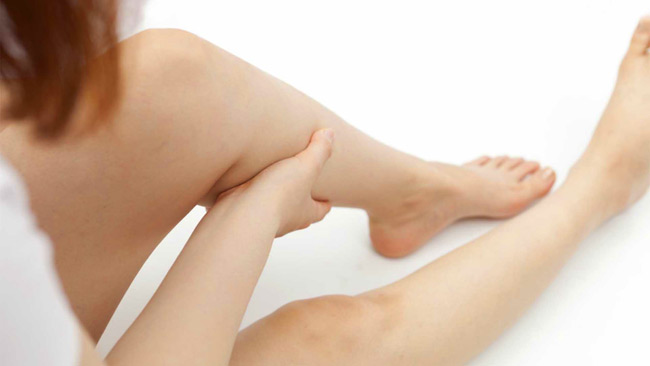
These occur when a muscle in the limbs or abdomen contracts with great intensity and does not relax. These are often caused by exposure to heat. (Cramps in the chest or arms, however, can indicate a heart attack and require immediate medical attention. )
Cramps afflict 39 percent of marathon runners, 79 percent of triathletes, and 60 percent of cyclists at one time or another, said Dr. Martin P. Schwellnus, a professor of sports medicine at the University of Cape Town.
Cramps can occur during exercise, immediately after, or as long as six hours later. Yet common as they are and terrible as they can be, no one really understands cramps. They are a medical mystery.
Possible Causes of Muscle Cramps
There are some medical conditions that can lead to cramps, including narrowed blood vessels, usually from atherosclerosis, or compression of a nerve, as happens in spinal stenosis. Cramps also can arise from hypothyroidism. And they can be a side effect of medications like diuretics, used to lower blood pressure, which can lead to a potassium deficiency that can cause cramps.
But, these conditions do not explain the vast majority of cramps. Some other feel electrolyte imbalance, dehydration, not stretching before and after strenuous exercise as possible cause for muscle cramps.
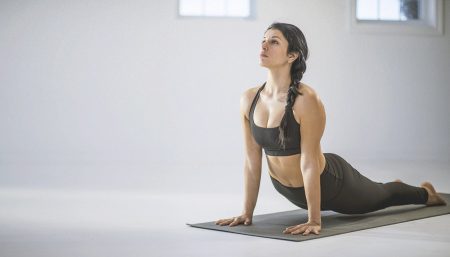
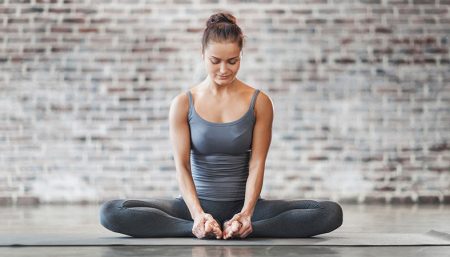
Here are ten yogasanas to heal muscle cramps.
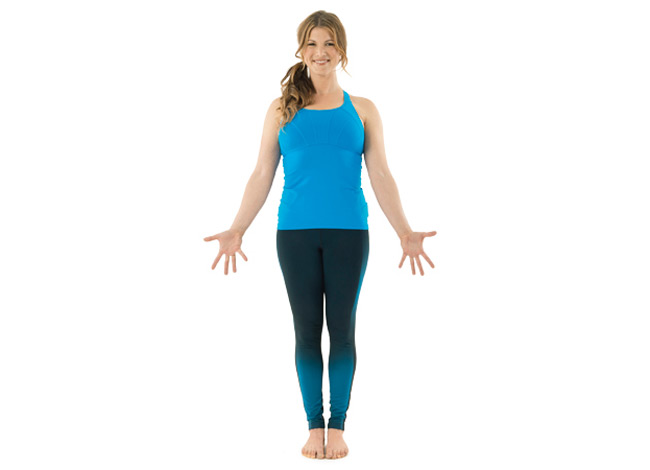
 TADASANA SAMASTHITH
– Steady and firm mountain pose-
This pose is the starting point of all standing asanas, lifts the sternum, which is the site of the anahata or “heart” charka. This helps to reduce stress and boost your self-confidence, while the perfect balance of the final pose increases your alertness. In Sanskrit, tadasana means “mountain pose” while samasthithi indicates an “upright and steady state.”
- Stand in your bare feet on a smooth and even surface. Keep your feet together, with your heels touching the wall. Beginners may find it easier to keep their feet 5cm (2in) apart.
- Stretch your arms along your sides, with the palms facing your thighs, and your fingers pointing to the floor. Stretch your neck upward, keeping the muscles soft and passive.
- Distribute your weight evenly on the inner and outer edges of your feet, and on your toes and heels. Tighten your kneecaps and open the back of each knee. Turn in the front of your thighs. Tighten your buttocks. Pull in your lower abdomen, and lift your chest.
- Keep your head erect and look straight ahead. Breathe evenly and with awareness. Experience your body and mind as an integrated whole and feel the surge of energy. Stay in the pose for 30-60 seconds.
 TADASANA URDHVA HASTASANA
- Stand in your bare feet in Tadasana on an even, uncovered surface. Exhale, and stretching from your waist, lifts your arms in front of you, to shoulder-level. Keep your palms open and facing each other.
- Raise your arms above your head, perpendicular to the floor. Stretch your arms and fingers. Push your shoulder blades into your body.
- Stretch your arms further up from your shoulders, keeping them parallel to each other. Extend your wrists, palms, and fingers toward the ceiling. Feel the stretch along both sides of your body.
- Pull in your lower abdomen. Turn your wrists so that the palms face front. Hold the pose for 20-30 seconds. Breathe evenly.
 TADASANA URDHVA BADDHA HASTASANA
-Mountain pose with fingers interlocked-
In this pose, the brain is relaxed but alert, and you are aware of the intense stretch of your whole body, from your feet to your interlocked fingers. Feel the energy flow upward from your feet to your knuckles.
- Stand in your bare feet in Tadasana against a wall, on an even, uncovered surface. Bring your arms toward your chest, with your palms facing the chest. Interlock your fingers firmly, from the base of the knuckles, with the little finger of your left hand lower than the little finger of the right hand.
- Turn your interlocked palms inside out. Exhale, and stretch your arms out in front of you at shoulder-level. Then inhale, and raise your arms above your head until they are perpendicular to the floor. Extend your arms fully and lock your elbows. Feel the stretch in your palms. Hold the pose for 30-60 seconds.
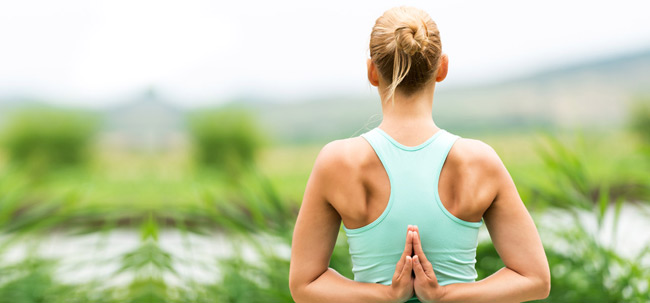
 TADASANA PASCHIMA NAMASKAR
-Mountain pose with hands folded behind the back-
In this standing asana, the hands are folded at the back in the Indian salutation of namaskar or “greeting”. This stretch requires considerable flexibility in the upper body and arms.
- Stand in your bare feet in Tadasana on an even, uncovered surface. Gently turn your arms in and out a few times. Take them behind you and join your fingertips, pointing them to the floor. Rest your thumbs on your lower back. Move your elbows back and rotate your wrists, so that your fingertips turn and point first toward your back, and then upward.
- Press your palms together, and move them up your back until they are between your shoulder blades. Keep your palms joined from the base to the fingertips. Push your elbows down, to stretch your upper arms and chest. Focus on keeping your chest and armpits open. Keep your neck and shoulders relaxed. Hold the pose for 30-60 seconds. Breathe evenly.
 TADASANA GOMUKHASANA
-Mountain pose with hands held in the shape of a cow’s face-
The asana is a variation of Tadasana, the mountain pose. It activates the muscles of the shoulders and back. The stretch in the arms helps to relieve arthritis in the shoulders, Elbows, wrists, and fingers.
- Stand in your bare feet in Tadasana on an even, uncovered surface. Take your left arm behind you and place the back of your left palm on the middle of your back. Raise your right arm. Bend your right elbow and move your hand down, with your palm facing your body.
- Place your right palm on your left palm and interlink the fingers of both hands. If this proves difficult, touch the fingertips of both hands to each other. Do not force your arms to bend – give yourself time to adjust to the action. Consciously relax your arms. Open your right armpit to create space between your chest and your upper right arm. Keep your right elbow pointed up and back, and your right forearm close to your head. Lower your left elbow further. Then place the back of your left wrist on your back. Hold the pose for 20-30 seconds. Repeat the pose on the other side.
 TADASANA PASCHIMA BADDHA NAMASKAR
-Mountain pose with the arms folded behind the back-
- Stand in your bare feet in Tadasana on an even, uncovered surface. Take your right arm behind your back, and hold your left arm just above the elbow. Bend your left arm and take it behind your back. Stretch both legs and imagine you are pulling the skin, muscles, and bones of your legs up to your waist.
- Hold your right arm just above the elbow with your left hand. Your grip should be firm but not tight. Keep your forearms pressed to your back. Turn in your upper arms slightly. Push your elbows back, but do not allow them to lift. Initially, hold the pose for 20-30 seconds. With practice, increase the duration to 1 minute. You should breathe evenly throughout.
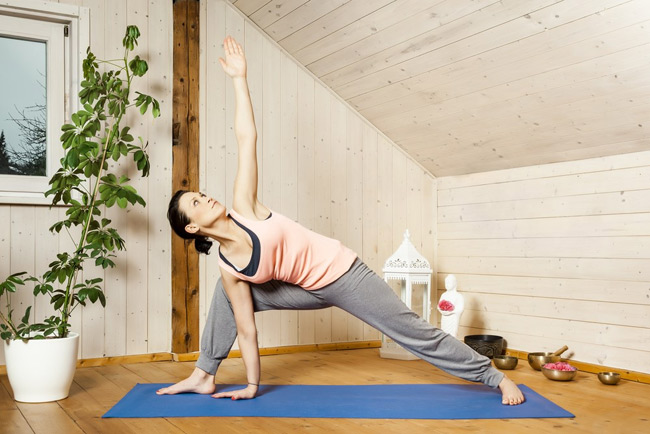
 UTTHITA TRIKONASANA
-Extended triangle pose-
Regular practice of this asana taps energy stored in the tailbone, which is an important source of vitality and strength. This helps those who require more energy to function efficiently when under stress. The pose activates the spine, keeping it supple and well-aligned. It relieves backache, and reduces stiffness in the neck, shoulders, and knees.
You will need a mat, wall and a wooden block. Practice against a wall supports the body, reduces strain, and helps to align the body correctly. The mat prevents your feet from slipping, helping to maintain the final balance in the pose. The block helps those with stiff backs to reach the floor, and allows for greater extension of the spine, neck, and shoulders.
- Spread a mat against a wall. Place a wooden block on its long side on the right edge of the mat. Stand in Tadasana on the centre of the mat. Inhale, then spread your feet about 1m (3.5ft) apart. Your heels and buttocks should touch the wall. Raise your arms out to your sides until they are in line with your shoulders.
- Now, turn the right foot out to the right until it is parallel to the wall. Turn your left foot in slightly to the right. Your left heel and buttocks should touch the wall. Keep your left leg straight. Stretch your arms away from your body, keeping them parallel to the floor, with your palms facing down.
- Bend to the right and extend your right arm toward the floor. Place your right palm on the block. Pull the tailbone into your body, keeping your left buttock and shoulders firmly pressed to the wall. Raise the left arm up toward the ceiling. Turn your head and look at your left thumb. Rest your weight on both heels, and not on your right palm. Breathe evenly, not deeply. Hold the pose for 20-30 seconds. Repeat the pose on the other side.
 UTTHITA PARSVAKONASANA
-Intense side stretch-
This asana is practiced against a wall, with a block under the lowered hand. There is often a tendency to sink down on the bent leg in the final pose of this asana. The support of the wall reduces fatigue, helps you to hold the pose longer, and aligns your neck and head correctly. A wooden block is placed at a suitable height under the lowered hand. This helps those who have stiff spine or who find it difficult to reach the floor. It also helps to maintain steadiness in the pose.p>
- Stand in Tadasana against a wall, with your heels and your buttocks touching it. Place the block on the floor behind your right foot. Inhale, and spread your feet 1m (3.5ft) apart. Turn your right foot out to the right, until it is parallel to the wall.
- Turn your left foot in slightly to the right. Press the outer edge of your left foot firmly on the floor, and bend the right knee, pushing your thigh down until your calf is at right angles to the floor. Stretch your left arm away from your left shoulder.
- Bend to the right, and place your right palm on the block. Stretch the left arm up, with the palm facing forward. Now rotate the arm and bring it toward your left ear. Your left thumb should touch the wall. Turn your head and look at your left arm. Maintain a continuous stretch from the left ankle to the left wrist. Press your outer left foot into the floor. Move your shoulder blades into your body, and extend your spine toward your head. Hold the pose for 30 seconds. Repeat the pose on the other side.
 ARDHA CHANDRASANA
-Half moon pose-
In this asana, your body takes the shape of a half moon. Regular practice enhances your span of concentration. It also improves co-ordination and motor reflexes. The intense stretch it gives to the spine, strengthens the Para spinal muscles, keeping the spine supple and well-aligned.
You will require a wooden block and a wall. The wall gives stability and helps to align the head and neck. The wooden block makes the pose easier for those who have stiff backs and cannot reach the floor.
- Stand in Tadasana. Place a block on its short side against the wall. Inhale, spread your feet 1m (3.5ft) apart. Raise your arms to shoulder-level.
- Turn your right foot out to the right, parallel to the wall, and turn your left foot in, slightly to the right. Bend your right knee, and place the right palm on the block. Raise your left arm.
- Straighten your right leg. Raise your left leg, until it is parallel to the floor. Keep your left arm stretched up, in line with the right arm. The back of your left hand should touch the wall.
- Look up at your left thumb. Keep your weight on the right foot, thigh, and hip, not on your right palm. Hold the pose for 20 seconds. Repeat the pose on the other side.
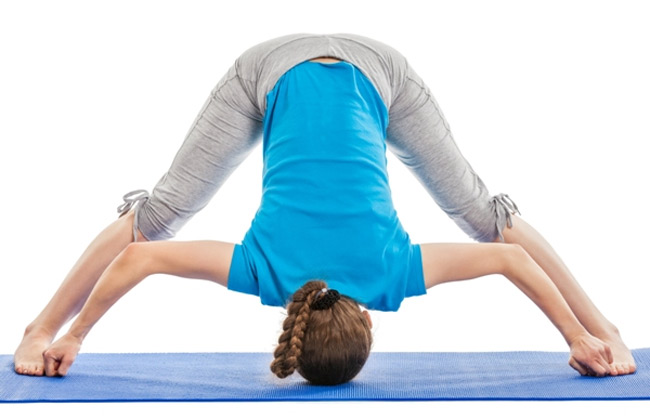
 PRASARITA PADOTTANASANA
-Intense leg stretch-
This asana gives an intense stretch to your legs. The torso is inverted in the pose, and the head rests on the floor, or on a block or a bolster. This restful and recuperative asana is usually practiced toward the end of the standing pose cycle, just before lamba Sirsasana. Practicing the asana cools the body and brain, and gives you a feeling of tranquillity and repose.
- Stand in Tadasana. Place your hands on your hips, with your thumbs on your back and your fingers on the front of the hips. Inhale, and spread your feet 1.2m (4ft) apart. Your feet should be parallel to each other, the toes pointing forward. Press the outer edges of your feet to the floor. Keep your back erect.
- Exhale, and lift both kneecaps. Bend forward, extending your spine, and bring your torso down toward the floor. Look up as you bend to ensure that your back is concave. Take both hands off your hips, and lower them to the floor. Place your palms flat on the floor with your fingers spread out.
- Widen your elbows, keeping your palms flat on the floor. Place the crown of your head on the floor, between your palms. Push your sternum forward and draw the abdomen in. Move the thighbones and groin back to reduce the pressure on your head. Stay in the pose for 1 minute.
Be sure to warm up before exercising, and to drink plenty of fluid before, during and after your training session. On hot days, or if you tend to sweat a lot, an electrolyte replacement drink will help prevent dehydration and cramps.
Disclaimer
The Content is not intended to be a substitute for professional medical advice, diagnosis, or treatment. Always seek the advice of your physician or other qualified health provider with any questions you may have regarding a medical condition.