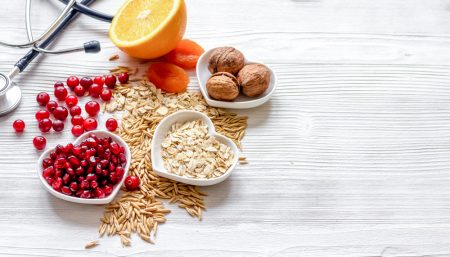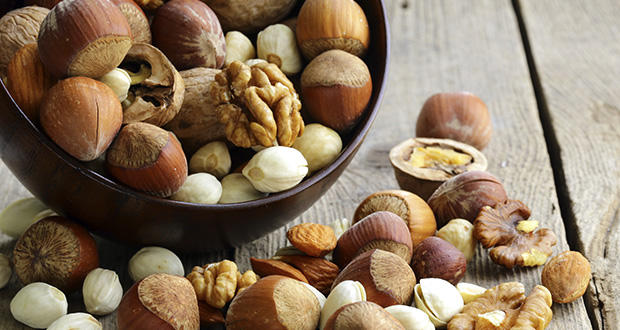
Heart-protective foods are those that are rich in fiber, especially soluble fiber, and which contain a variety of antioxidants. Consume a primarily plant-based diet. Foods that have no cholesterol and should be part of any low cholesterol diet:
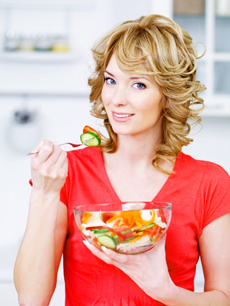
 Vegetables: They are low in saturated fat and total fat, and have no cholesterol. A diet high in vegetables may help keep cholesterol levels low. Vegetables are great substitutes for foods high in saturated fat and cholesterol. Green beans, Green, leafy vegetables, Kale, Onions, “Skin on” potatoes, Spinach, Sweet potatoes, Tomatoes, Broccoli, Celery help in increasing good cholesterol and prevent plague formation.
They also block action of a gene that makes arteries contract, restricting the flow of blood to the heart and other organs. The blocking action allows more blood to flow through blood vessels.
 Fruits: Choose the whole fruit with skin included, instead of the juice. Juice is the fruit with all the fiber removed. Apples, Berries, Citrus fruits, Cranberries, Grapes help prevent oxidation of LDL cholesterol.
 Legumes: By eating more legumes, such as beans and lentils, you can decrease your cholesterol in just a few short weeks. Dry beans and peas are generally high in starch and fiber and low in saturated fat and calories. Eat legumes at least three times a week. Try bean soup, cold bean salad, humus sandwich, black bean dip, toasted soy beans for snacking. Soy protein is especially effective, so be sure to include plenty. Even soy milk, tofu and textured soy protein are good. Try adding a ½ cup of beans to pasta, soups, casseroles, and vegetable dishes. Tofu takes on the flavor of marinades well. Try marinating tofu in a nonfat dressing or a tangy sauce and grilling or baking for a heart healthy dish.
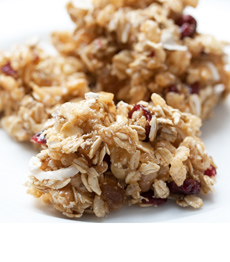
 Grains: The best grains are: Bran cereals, Brown rice, Oats, Whole wheat bread (more than 2 grams of fiber per slice). Brown rice bran and oat bran are particularly useful. Beta-glucan, a soluble fiber found in many whole grains, came exclusively from barley and not supplements. The diet with the most beta-glucan used barley flakes, barley flour, and pearled barley instead of rice and wheat. Lower levels of beta-glucan mixed equal measures of barley with wheat or rice.
 Psyllium Seeds: Consuming products, such as breakfast cereals, that contain soluble fiber from psyllium seeds may be a very effective way to control cholesterol levels. Combining a psyllium-enriched cereal with a whole-oat cereal may be an even more effective cholesterol-lowering strategy. Adding psyllium to the diet, for instance about a teaspoon in a glass of water two or three times a day with meals will help reduce cholesterol and also helps regulate bowel movements.

 Poultry, Fish, and Meat Substitutes: Chicken and turkey are low in saturated fat and cholesterol, especially when the skin is removed. Most fish is also considered low cholesterol food along with being low in saturated fat. Even shrimp can be enjoyed occasionally on a heart healthy diet, provided you eat less than 300 milligrams of cholesterol a day. 3 ounces of steamed shrimp has 167 milligrams of cholesterol.
Keep in mind when considering poultry and fish as low cholesterol food that even the leanest meat, chicken, fish, and shellfish have saturated fat and cholesterol; limit the total amount you eat to 5 ounces or less per day.
Lean beef in diet has an important role in a healthy heart.
 Egg White: Egg whites have no cholesterol, and you can substitute them for whole eggs in recipes — two egg whites are equal to one whole egg. You can also use cholesterol free egg substitute in place of whole eggs — in many baked goods, you can’t tell the difference.
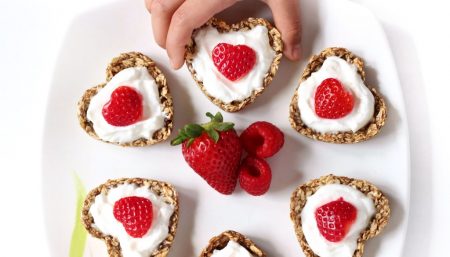
 Milk, Yoghurt and Cheese: Fat-free and 1 percent milk are great low cholesterol foods because they have just as much or more calcium and other nutrients as whole milk with much less saturated fat and cholesterol. Eat low-fat or nonfat yogurt alone or as a topping or in recipes. Try topping with fruit. You can choose Fat-free,” “reduced fat,” “low-fat,” or “part skim” hard cheeses varieties that have 3 grams of fat or less per ounce.
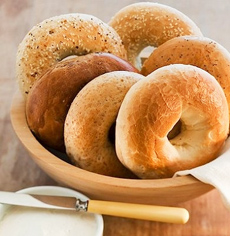
 Snack Options: Not all snack foods are high in saturated fat and cholesterol. Some examples of snacks that would be considered low cholesterol food include: Bagels, bread sticks, dried fruit, low-fat or fat-free crackers, like melba toast, rice cakes, rye crisp, and soda crackers, ready-to-eat cereals without added sugar , no-oil baked tortilla chips, popcorn (air popped or “light”), pretzels, Raw vegetables with nonfat or low-fat dip.
 Sweet Options: Some examples of sweets that would be considered low cholesterol food include: Angel food cake topped with fruit puree or fresh fruit slices, fat-free or low-fat brownies, cakes, cheesecake, cupcakes, and pastries, gelatin desserts (watch the whipped cream!), Graham crackers, fat-free or low-fat cookies, like animal crackers, devil’s food cookies, fig and other fruit bars, ginger snaps, and vanilla or lemon wafers, frozen low-fat or nonfat yogurt, fruit ices, ice milk, sherbet, and sorbet, puddings made with 1 percent or fat-free milk.
Just remember that, while these treats may be low in cholesterol and fat, most are not low in calories. So choose them only every now and then, especially if you are trying to control your weight to improve your blood cholesterol levels.
Eating healthy is about choices. Fortunately, when it comes to low cholesterol food, there are many choices. Understanding where cholesterol comes from and learning to read food labels is an important step in starting to add low cholesterol food choices to your diet.
|
Keep in mind the following when these labels say: |
| “Low Cholesterol” means 20 mgs or less cholesterol and 2 grams or less saturated fat;
“Cholesterol Free” it means less than 2 milligrams (mg) cholesterol and 2 grams or less fat; “Fat Free” means less than ½ gram fat; “Low Fat” means 3 grams or less fat; “Reduced Fat” means at least 25 percent less fat than other brands of same food. So, “free” does not literally mean free |
Disclaimer
The Content is not intended to be a substitute for professional medical advice, diagnosis, or treatment. Always seek the advice of your physician or other qualified health provider with any questions you may have regarding a medical condition.