In the present scenario where women have developed a sedentary lifestyle urinary inconsistency is increasingly becoming a problem.

Inconsistency is a condition when the bladder stops functioning normally. There are a number of people who suffer from a weak bladder from time to time when they laugh, cough or sneeze. These actions put a sudden stress on the bladder and when the bladder is not supported by strong muscles the sphincter can lose control and the urine might flow resulting in a bladder weakness. It is not that only old people suffer from this condition, it is seen that many young and active and healthy people also suffer from this syndrome.
It is important that you should take the signs of bladder weakness seriously but the condition is perfectly normal and especially in women above the age of 30.
Possible Causes for Urinary Inconsistency
- One of the most common reasons for weak bladder is natural childbirth. This can result in affecting the pelvic support of the urethra and also the sphincter muscles of the urethra.
- It is also possible that it is caused even during pregnancy and
- Also as a result of hormonal changes at the time of menopause.
- Pelvic surgery or a valve leakage at the bottom of the bladder.
- It can also be a result of a complicated neurological system that takes control of the bladder.
- Constipation– as one bears down during a bowel movement, the muscle gets looser, and one runs the risk of stretching supportive connective tissues that help hold organs in place.
- Incontinence can coincide with a number of workout routines (Pilates, aerobics, strength training–and even yoga) if the pelvic floor is not addressed. For example, “leakage episodes” can occur when people are exerting their muscles and bearing down without squeezing the perineum muscle. Another example is doing abdominal crunches without engaging the pelvic floor muscles.
Having a weak bladder can be considered as a part of a woman but it can surely be managed with a positive attitude and by following a few simple steps.
Yoga Healing
The urinary system of the human body includes the kidneys, bladder and tubes. These organs control the amount of water and salts that are absorbed back into the blood and what is given out as waste. This system also acts as a filtering mechanism for the blood. When your vaginal muscles are weak, it can cause issues with your ability to reach orgasm and affect urine flow and bowel control. Several yoga poses can help rehabilitate this delicate musculature, helping restore normal control of your urine and bowel. In addition, you might be able to more easily achieve orgasm.
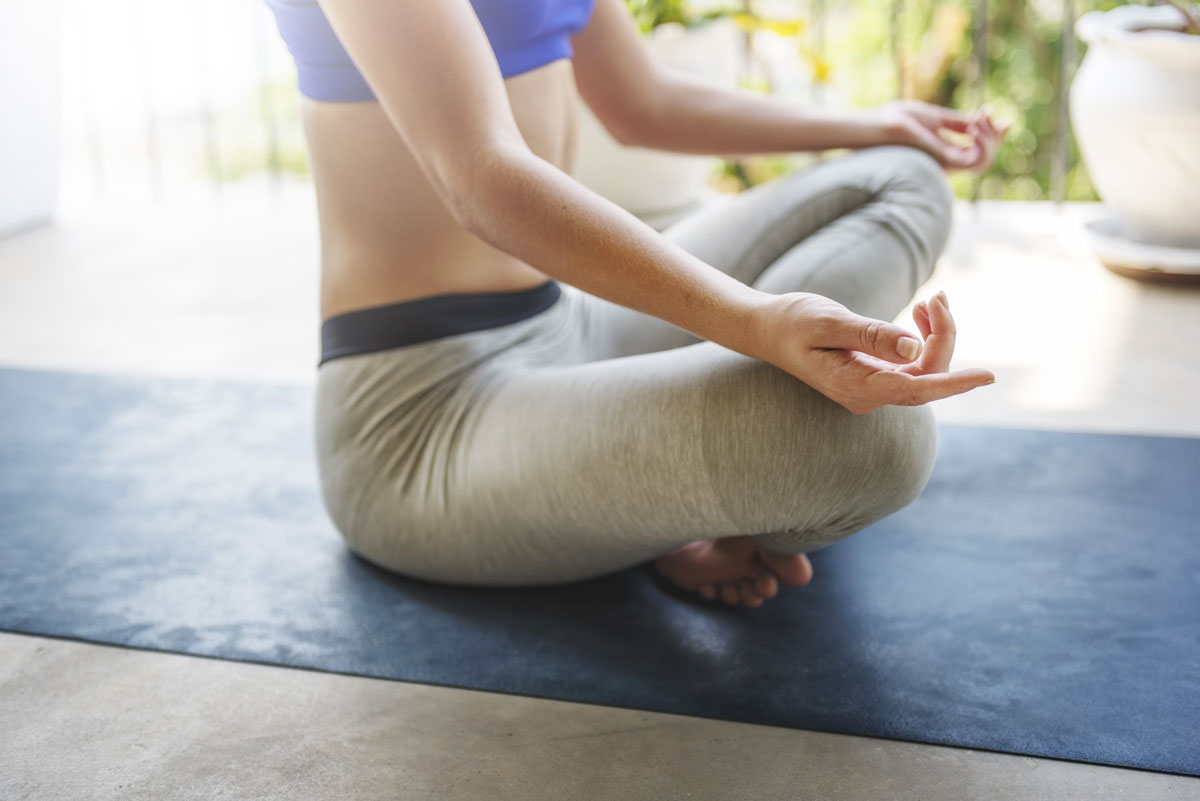
- Mula Bandha-This is the main yoga position that helps restore vaginal strength. In Sanskrit, mula means “root,” and bandha translates as “lock” or “binding.” The action of mula bandha is a lifting of the root muscles, or pelvic floor muscles. To perform the Mula Bandha you can sit in Vajrasana, Siddhasana , Bhadrasana, Guptasana or Gorakshasana. Contract your perineum towards your navel with inhalation. Close your eyes. Focus and visualize the muscles between your pubic bone and coccyx bone. The contraction is the same feeling as when you need to go to toilet and you are holding the urine in your body. You also use these muscles when you are forcing yourself to urinate even when you don’t have to. In the beginning you contract the muscles with inhalation and release them with exhalation. Slowly you can increase the time of practicing the contraction. Deepen your breath.
- The Vajrasana improves the urinary system considerably. The asana is associated with the genito-urinary system, which also regulates the sexual energy in the body. Therefore these are quite beneficial for the reproductive as well as digestive organs and are reasonably easy to perform.
- Forward bends soothe bladder problems as they gently massage the internal organs and stimulate blood flow. During forward bending asanas each vertebra is separated, stimulating the nerves, improving circulation around the spine and nourishing the spinal cord. This has an impact on the urinary organs of the body. Most forward bending asanas start by bending from the hips and not the waist. Bending from the hips gives greater flexibility of movement and keeps the urinary organs at its best. Some forward bends to add to your session include the standing forward bend, seated head to knee pose and the big toe pose.
- Some of the poses that strengthen the muscles of the lower abdomen and groin include the bridge, the wheel, the upward plank and the sphinx pose.
- Challenge yourself to some yoga back bends, possibly the best way of all to target the bladder. Backward bending asanas create a negative pressure in the abdomen and pelvis, helping neuro-circulatory toning of all the related organs. They also massage the abdomen and pelvic organs by stretching the muscles in this area, especially the rectus abdomen. Yoga back bends vary in difficulty, but they might include the upward staff, the camel and the frog or half frog.
- Practice inversion poses, which reverse the normal flow of fluids in the body and reduce stress on the internal organs, including the bladder. While the body is in inverted asana, the breath becomes slow and deep, maximizing the exchange of carbon dioxide, generally encouraging correct respiration. In addition, the abdominal organs like liver, spleen, stomach, kidneys and pancreas, receive a powerful message helping them to perform their functions more effectively. Inversion poses can be intimidating, particularly to the beginner; however, even simple inversions, such as the supported shoulder stand, will target the bladder.
- Use the yoga lotus pose as your final resting pose, as it also targets the bladder.
The urinary system not only forms an indispensable part of the human body system but also executes the ultimate function of the digestive system. Regular practice of asanas prevents any disorder in the urinary organs and the prevailing ailments can also be checked to a great extent.
Disclaimer
The Content is not intended to be a substitute for professional medical advice, diagnosis, or treatment. Always seek the advice of your physician or other qualified health provider with any questions you may have regarding a medical condition.