
Researchers say it’s no surprise freshmen experience one of the largest weight gain in their lifetime when they attend college. How to avoid this cliché and maintain a healthy weight has become a matter of concern to freshmen and their parents alike.
Going to a new school, moving away from the parents for the first time, and starting a completely different lifestyle are reasons enough to distort teenagers physical and psychological make-up.
Recent studies found that some first-year students are indeed likely to gain weight — but it might not be the full freshman 15 and it may not all happen during freshman year.
At Tufts, the average freshman weight gain was 6.5 pounds, while at Indiana it ranged from 7.5 pounds for women.
Most of this weight gain occurs during the first semester of freshman year. College offers many temptations. You’re on your own and free to eat what you want, when you want it. You can pile on the portions in the dining hall, eat dinners of French fries and ice cream, and indulge in sugary and salty snacks to fuel late-night study sessions. In addition, you may not get as much exercise as you did in high school. Teenagers sometimes eat in response to anxiety, homesickness, sadness, or stress.
Do not dread those fifteen pounds that every incoming first-year student (supposedly) gains when they start school. Try following these tips:
 Eat Clean: Try eating healthy food at regular intervals, not at random times and in erratic amounts. Studies have found that most students get fewer than the recommended five servings of fruits and vegetables each day. Watch the size of your portions and resist going back for additional serving. Eat a good breakfast and bring a water bottle with you to make sure you stay hydrated — and healthy.
 Walk: Use study breaks as exercise breaks- 30 minutes 3 or 4 times a week. Researchers found that students who exercised at least 3 days a week were more likely to report better physical health, as well as greater happiness, than those who did not exercise. Walk briskly across campus instead of taking the bus, take the stairs instead of the elevator, or cycling to class. And take time — even just a few minutes here and there — to move around and stretch when you’ve been sitting for a long time, such as during study sessions.

 Don’t snack out of boredom or hang out with students who do. In case you’re genuinely hungry, have some fruit or a small sandwich or wait 20 minutes before getting that snack, and nine times out of ten, you’ll no longer want it. To beat boredom you could read something you enjoy like your favorite magazine or a novel from one of your most admired authors. Try calling a friend you haven’t talked to in for long, just to chat or someone you’re close with to see what they’re up to, maybe they’re bored, too and you can meet up. At home, you could rearrange your room. Dig the clothes you haven’t worn in forever out of your closet and try them on to decide whether you really need them or not. Pick up a new hobby. Or go for the not-as-fun angle with some laundry, cleaning, or (eek!) other work that needs to be done.
 Space Away: The more distance between your dorm room and a kitchen, the better.
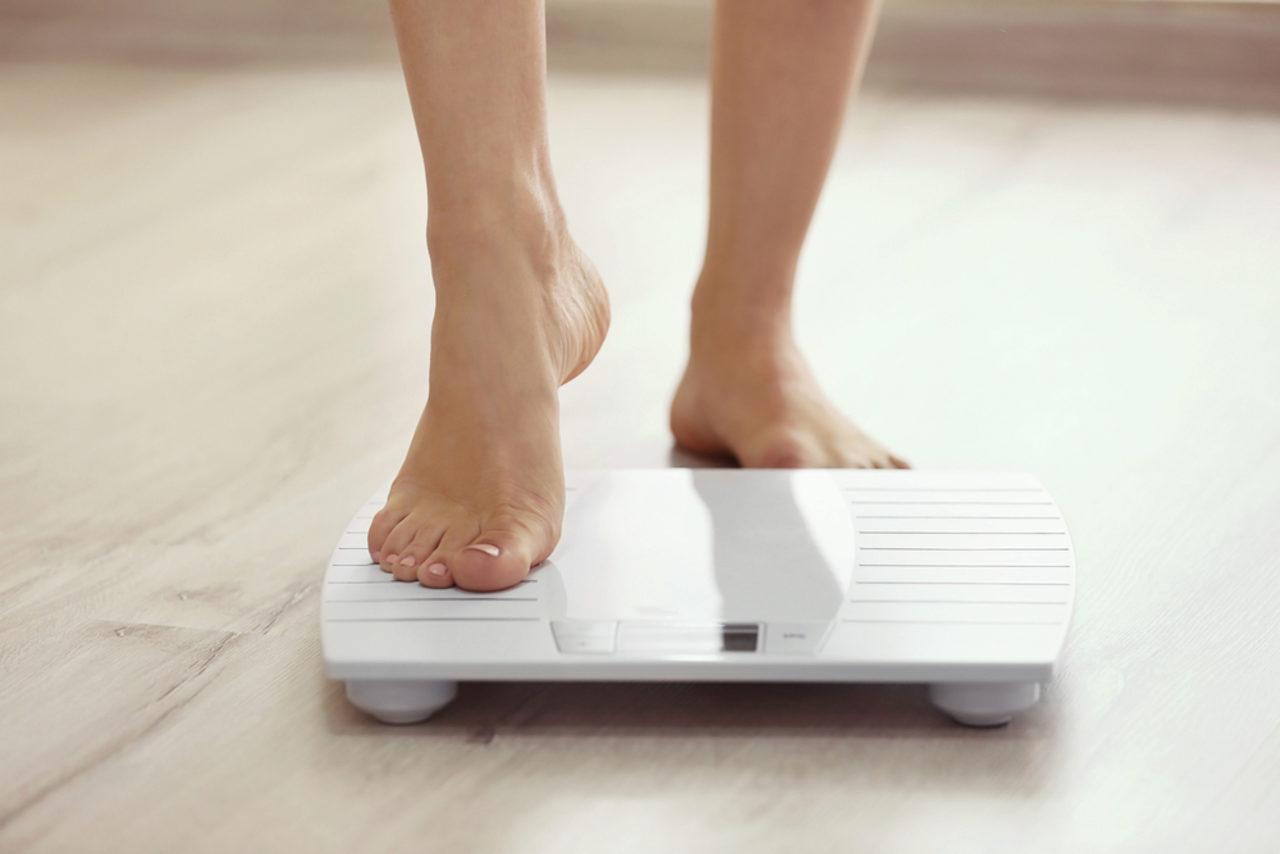
 Weigh yourself regularly: While the scales don’t tell us the amount of fat we have and what it weighs is our entire body – fat, muscles, bones, organs, etc. Still, it can be helpful to check your weight every couple of weeks. Make the scale your friend by using it the right way – to help you stay healthy, fit and looking and feeling good.

Don’t skip meals to lose weight or go longer than five hours or so without eating something; your body will just react by giving you a craving for quick energy in the form of fatty and sugary foods. It may be tempting to try the latest fad diet or skip meals. But these approaches don’t work to keep weight off in the long run. It’s best to make small adjustments to your diet that you know you can stick with. Keep pretzels, fruit (dried or fresh), healthy nuts, and energy bars handy in your room or bag.

Try getting some sleep: According to a University of Chicago study, college kids who sleep less than four hours nightly produce more hunger-inducing hormones than those who crash for more than eight. Sleeping too little can also contribute to weight gain by putting undue stress on the body. The body sees sleep deprivation as a state of stress; cortisol is the stress hormone. Cortisol causes, in turn, the release of insulin and insulin is a storage hormone that promotes fat storage.
 Find better ways to handle homesickness: Begin by accepting that being homesick is a sign that you have happy, healthy relationships with people back at home. It a sign that you miss your family, your friends, your boyfriend or girlfriend, or just your old routines and familiarity. Why mess it all up with food. Let yourself be a little sad, take a deep breath, and do what you can to make your new school your new home.

 Practice moderation for Alcohol: Drinking alcohol, reduces your body’s efficiency at burning off the fats and carbs that add pounds. If you are drinking at a party, opt to mix or pour your own drink or watch the person who is doing the mixing or pouring.
 Be Patient: Note, you won’t drop two jean sizes in one day. You’re going to binge every now and then. You will go a day or two without working out. Your weight is going to fluctuate here and there. You’re going to try new techniques and they’re not going work. Be patient and stay committed.
Remember, combating the freshman 15 can be an opportunity to develop lifestyle habits that can promote lasting health and wellness. Follow these suggestions, and you’re ahead of the game.
Disclaimer
The Content is not intended to be a substitute for professional medical advice, diagnosis, or treatment. Always seek the advice of your physician or other qualified health provider with any questions you may have regarding a medical condition.