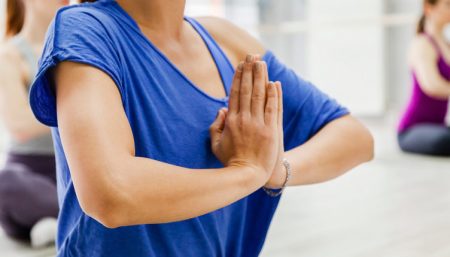
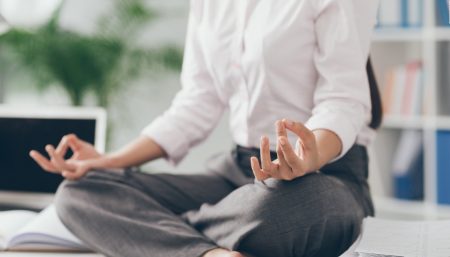
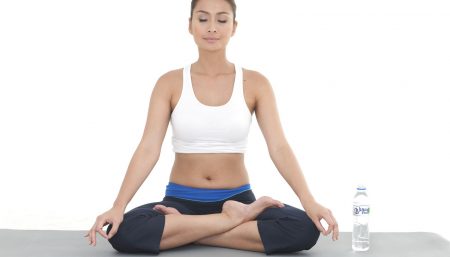
The New York Times Magazine recently highlighted the risks involved with yogic practices. The fact that certain poses are risky, especially when they are done for many years at increased flexibility, without regard to your body’s limits, cannot be denied.
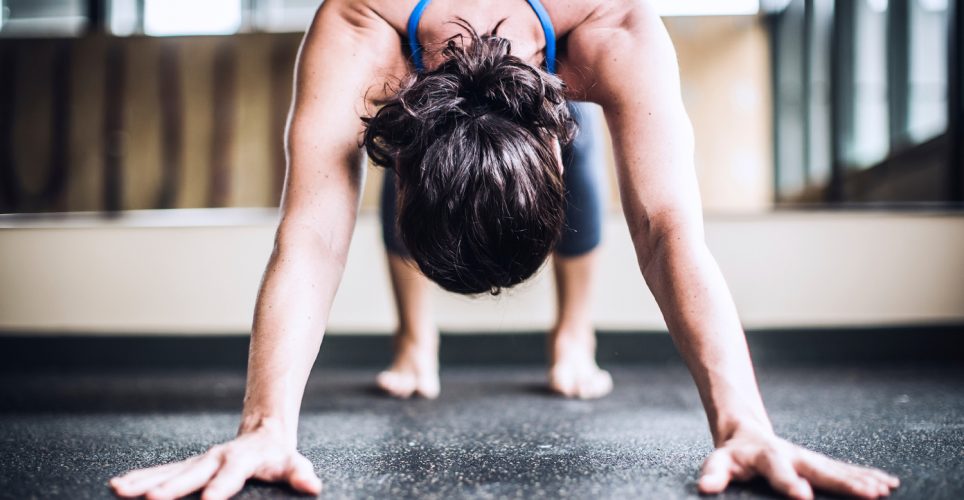
It cannot be denied that, any type of physical activity aiming to increase fitness carries with it a certain degree of risk. There is no doubt that yoga can lower your blood pressure, make chemicals that act as antidepressants, even improve your sex life.
There have been innumerable times when people practicing yoga had to go through pain and injury. The first reports of yoga injuries appeared decades ago, published in some of the world’s most respected journals — among them, Neurology, The British Medical Journal and The Journal of the American Medical Association. The problems ranged from relatively mild injuries to permanent disabilities. In one case, a male college student, after more than a year of doing yoga, decided to intensify his practice. He would sit upright on his heels in a kneeling position known as vajrasana for hours a day, chanting for world peace. Soon he was experiencing difficulty walking, running and climbing stairs. Doctors traced the problem to an unresponsive nerve, a peripheral branch of the sciatic, which runs from the lower spine through the buttocks and down the legs. Sitting in vajrasana deprived the branch that runs below the knee of oxygen, deadening the nerve. Once the student gave up the pose, he improved rapidly. Clinicians recorded a number of similar cases and the condition even got its own name: “yoga foot drop.” To read about more cases like this, click here.
Inverted postures, jumps or any asana that feels strenuous should be avoided during recovery from injury, menstruation, or by those with high blood pressure, a hernia, a heart condition or spinal injury.
Alerts to Avoid Injury
1. Yoga should only be practiced by those who are in good shape, not as part of a general class or to heal old injuries. Get a green signal from your medical practitioner or therapist before starting off with yoga. Note that the original Indian practitioners were used to squatting and sitting cross-legged on an everyday basis, but now, yoga is the choice of urbanites who sit in chairs all day, walk hardly and lack of flexibility.
2. One should understand that yoga is not be used as a tool to develop a hot body but rather to relax the body and connect with your inner self. Listen to your body (breathing) and let it guide you from one pose to another. If something doesn’t feel right, ease out of the pose. If something feels like a strain, you’re pushing too hard. If your body feels like it needs a break, relax back in child’s pose. Allow yourself to flow with and yield to gravity. The natural force of gravity is far more powerful than ourselves, and if we surrender to it, it will take us deeper into the posture than any of our efforts using brute force.

3. Certain poses are risky and need to be carefully monitored and learnt over time. Timothy McCall, the medical editor of the Yoga Journal, even calls the basic headstand pose too dangerous to be taught in most yoga classes. Start with a series of yoga classes targeting beginners, which introduces you to the basics in a systematic way. Not all studios offer intro courses for beginners, so look around. Make sure you build a solid foundation of knowledge of alignment before you try your hand at more challenging classes like a rigorous Vinyasa flow class or a hot yoga class.
4. Look for the paradigm spot in every pose taking your body into consideration. That is where you are challenging the body and yourself, but still staying completely within your comfort zone. Your intelligent edge is that place in the posture where you are feeling a soothing stretch and your muscles are working, but there is no pain, strain or fatigue. Let your breath propel your body into action.
5. Make the choice on an experienced yoga teacher keeping in mind approach, style, experience and training. If you’re young and fit, you will be able to handle a wide range of yoga styles and classes. On the other hand, if you’re a 50+ year old female with super tight hamstrings just starting out, it may be better to start with individual yoga sessions with an experienced teacher. The same thing applies if you have any injuries or physical limitations you’re working with. Let your teacher know before the class, and don’t be shy to ask if the class will still be suitable for you. If the teacher isn’t able to offer specific feedback related to your condition, that’s a good indication the teacher might not a good fit for you.
5. Never push or bully your body to achieve a posture. Do not imitate any other individual or partner, for no two persons are same when it comes to physique.
6. Always practice barefoot and wear soft, comfortable, non reactive clothing made of natural fabric to allow your skin to breathe.
7. Familiarize yourself with your body parts – in particular your feet, tailbone, sitting bones, pubic bone, sacrum, back ribs collar bone , shoulder blades, neck , the crown of your head and the location of the three bandhas. While practicing yoga pay particular attention to the placement of feet as they are the foundation of each posture and the root of your alignment.
8. Never hold a posture- each asana is a moving breathing experience, an exploration to open, release and strengthen your body and mind.
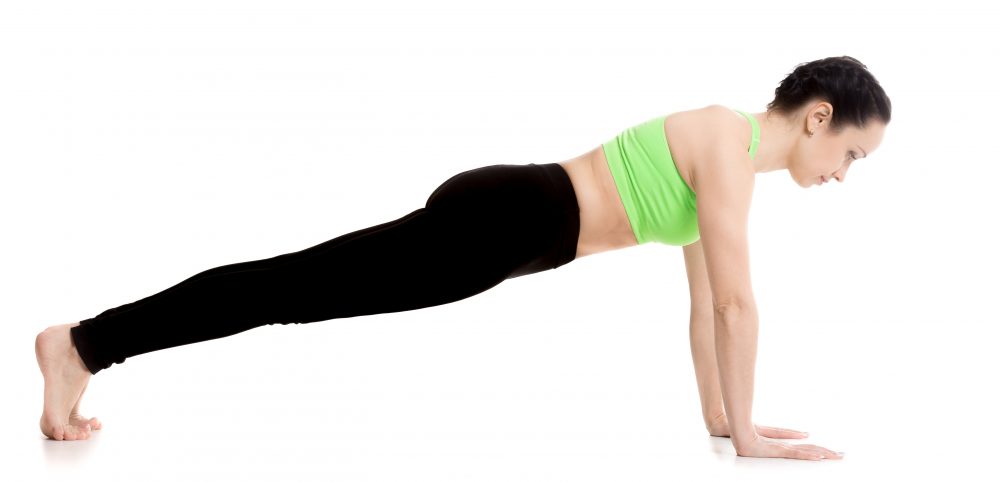
9. Don’t be afraid to use props. Sit up on a block if your hamstrings are tight or use a strap to help get into a bend if you’re not very bendy. If you are weak not just in your wrists but also in your arms and shoulders, you may find it helpful to begin with modified versions of Downward Dog and Plank using a chair. Pick an armless chair with a firm seat. Put a folded sticky mat over the seat to lightly pad the heels of your hands. Then place your hands on the seat with the fingers pointing out to the sides instead of forward and wrap the fingers around the sides of the seat. Walk your feet back until your body forms a straight line from heel to hip to shoulder to ear, and you will be in the modified Plank Pose.
10. Keep in mind, yoga is not a competitive sport and pain is caused by soft-tissue strain that occurs when the ligaments and tendons are forced into extension beyond their customary range.
Related Links
- Meditation for Pain Management
- Yoga healing for Tennis Elbow
- Settling down the body and mind
- Get ready to Stretch
- Top 10 Yogasanas for the Feet
Disclaimer
The Content is not intended to be a substitute for professional medical advice, diagnosis, or treatment. Always seek the advice of your physician or other qualified health provider with any questions you may have regarding a medical condition.