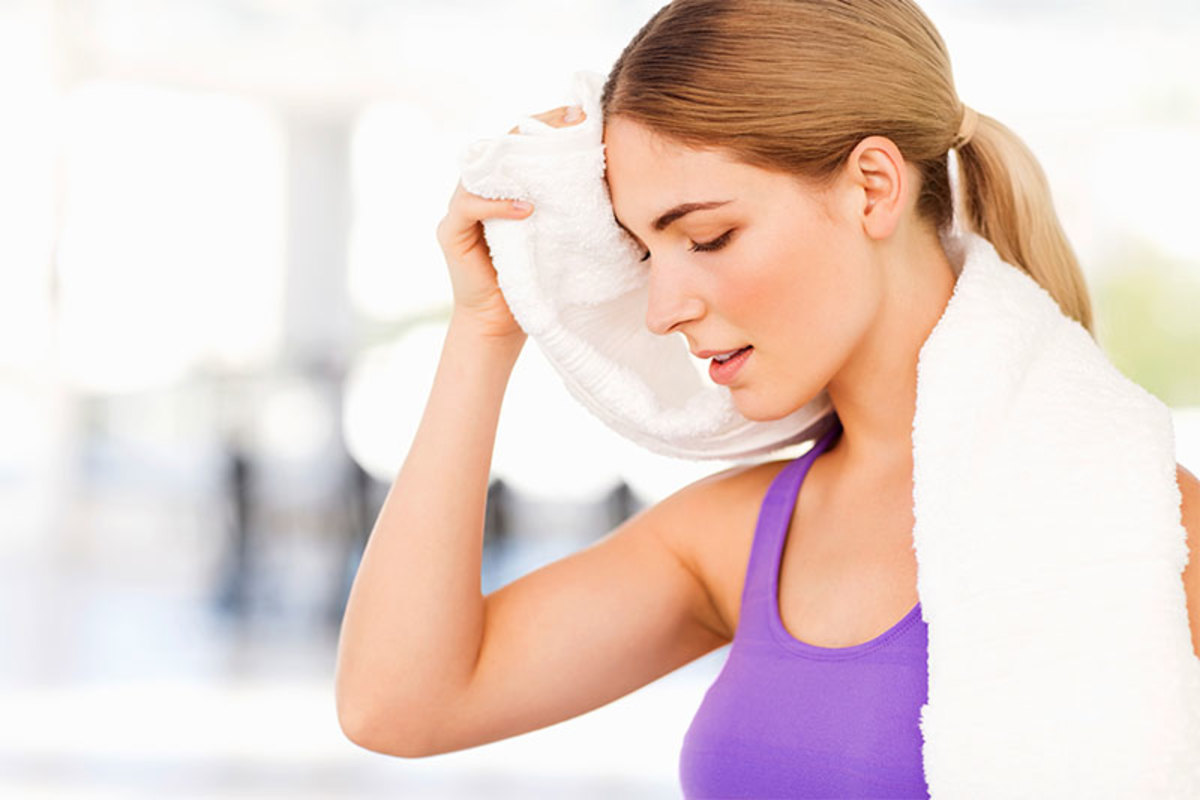
The purpose of sweat is to cool the body by sitting on the surface of the skin and allowing heat to escape from the body. Effective sweating is when someone is glistening as the moisture forms a cooling film over the skin. An abnormal lack of sweat in response to heat may be harmful, because sweating allows heat to be released from the body.
Anhidrosis is a medical condition where the body doesn’t have the ability to produce sweat or not having the ability to perspire in response to heat. This condition may go on unnoticed and the recognition will only take place when a considerable amount of effort, exertion or heat fails the body to cause sweating.
Anhidrosis can be difficult to diagnose. Mild anhidrosis often goes unrecognized, and dozens of factors can cause the condition, including skin trauma and certain diseases and medications. Treatment of anhidrosis involves addressing the underlying cause, though in some cases, the reason for anhidrosis is never found.
What causes decreased sweating?
- Neurological causes: Head injuries, heat stroke, hysteria, and neurosurgical problems such as Guillain-Barre syndrome.
- Skin diseases that block sweat glands such as miliaria, contact dermatitis.
- Congenital absence of sweat glands which is hereditary.
- Some drugs (antipsychotic drugs used to treat mental disorders) or topical antiperspirants containing aluminum sulfate. Anticholinergics, such as atropine and scopolamine, can cause generalized anhidrosis.
- Trauma to sweat glands such as exfoliative dermatitis.
- Burns.
- Diabetes.
- Dehydration or heatstroke.
- New born and premature infants commonly show temporary anhidrosis for several weeks probably due to immaturity of neural supply.

Signs and symptoms include:
- Little or no perspiration
- Dizziness
- Muscle cramps or weakness
- Flushing
- Heart palpitations
- In the most severe cases, hallucinations, coma or death
How to treat Anhidrosis:
Treatment involves finding and treating the cause. If any medication is causing anhidrosis, the medication should be stopped or changed. It is also important to take steps to prevent heat exhaustion, heat stroke, and dehydration.
- Drink plenty of water: Do not wait until you’re thirsty to drink water.
- Drink cool fruit juice or a sports drinkthat contains electrolytes
- Exercise when it is cooler.
- Choose appropriate clothing as per climatic conditions.
- Wear a hat when outdoors.
- Pay attention to your body: Do not ignore the warning symptoms of heat stress such as muscle cramps, nausea, dizziness or weakness.
- Gently massage tight muscles
- Get medical care if cramps become worse or don’t go away in about an hour
- Move into a shady or air-conditioned space, and elevate your legs slightly.
- In case of heat stroke, place ice packs on the groin, neck and head.
- Avoid drinking caffeine or alcohol as these liquids are dehydrating.
- Don’t overdo it. Monitor your activity level closely.
- When it’s cold, don’t overdress.
- Avoid hot food.
Anhidrosis is treatable and the treatment for this condition is to simply find the cause and treat it. Steps to prevent dehydration, heatstroke and heat exhaustions should also be taken into action.