
Before starting off ask yourself do you really need to tackle those last 5 pounds, or is your health, fitness, self-esteem, and quality of life already improved? Remember, “fantasy weight” — is overrated because it can be very difficult both to get there, and to maintain.
Take a step back and try to figure out why your weight loss has stopped. Most of the time, dieters are eating more than they think or stuck in a rut doing the same exercise routine over and over again. With a few simple changes you can lose those last pounds once and for all.
Remember that the more consistently you follow these tips, the more weight you’ll lose, even when other eating and exercise habits stay the same.
- Eat by the clock. Wake up earlier to get that first meal in, and make sure it’s a big one. High in lean protein, good fats, and good carbohydrates in the form of veggies, fruits or whole wheat grains. A big meal will give your metabolism a boost allowing you to burn more calories throughout the day. Your body gets hungry every three to five hours, so you need to eat five to six healthful, lowfat mini meals daily to stay full and curbcravings. Cut nighttime snacks and say adios to 15 pounds a year; have a fruit snack instead of a vending-machine snack and subtract 20 pounds; plan meals ahead and knock off 22-30 lbs.
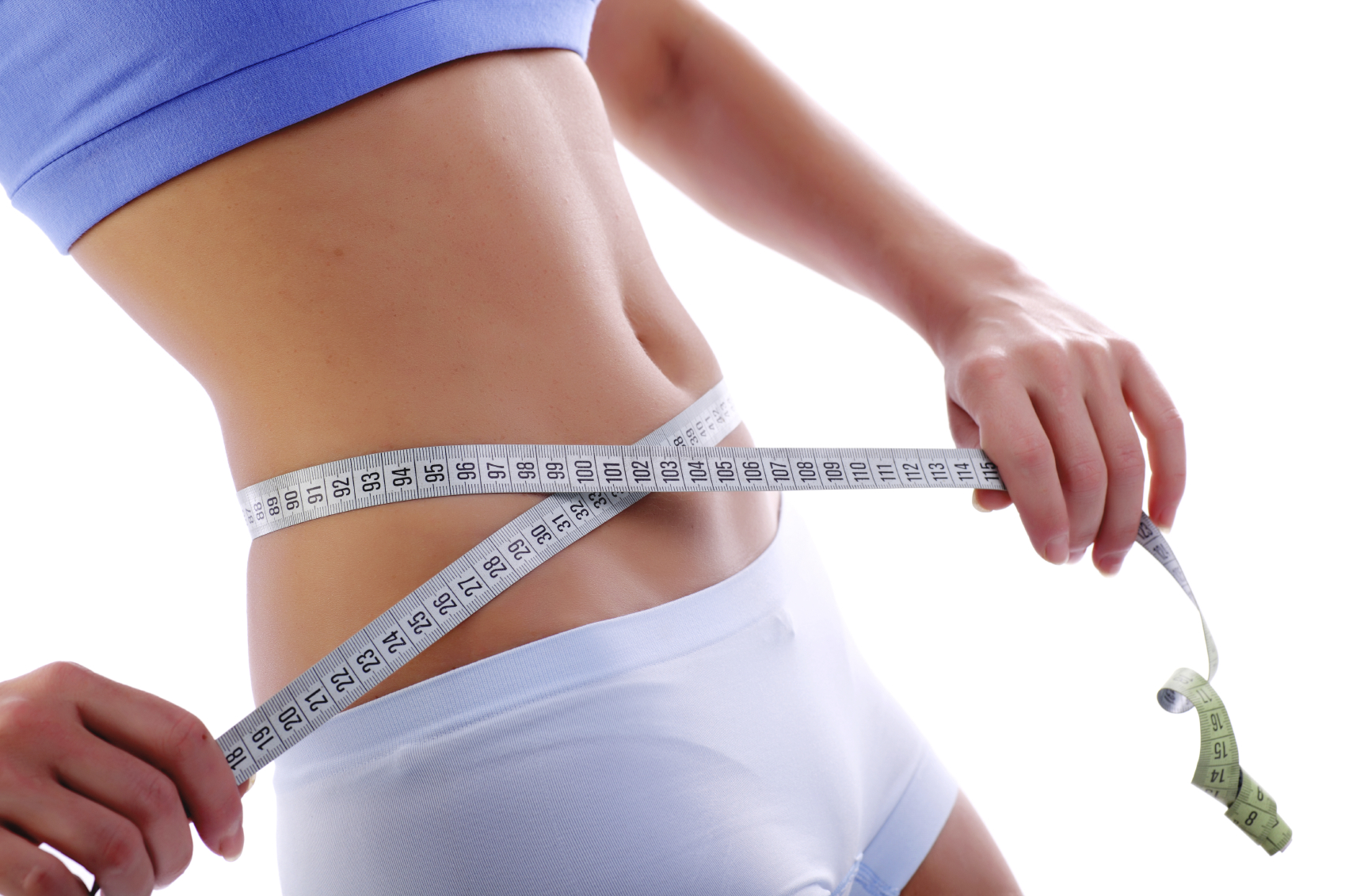
- Measure it. Even though our BMR calculator takes into account your age, gender, height, weight, and activity level, it can still only give you an estimate of your calorie needs. Your actual calorie needs may be slightly higher or lower. To lose 1 pound of fat you need to cut 3,500 calories by eating fewer calories or exercising more or preferably, a combination of both. According to Susan Moores, R.D., a spokesperson for The American Dietetic Association, you should subtract your calorie intake by 8 calories for every pound you lost. While that doesn’t sound like much, it does add up. If you have lost 25 pounds, then you should lower your calorie intake by 200 calories to continue to lose weight. Now that there is less of you, you need fewer calories to maintain your weight.
- Be strict with your diet Your diet may make the difference between getting rid of those last few pounds of fat, and holding on to them. Make sure every meal has a lean source of protein and good carbohydrates (primarily vegetables), as well as a source of “good fats” like omega-3 fatty acids which boost your metabolism (almonds, fish and fish oils). Try replacing one food a day with a vegetable serving. The fiber in vegetables helps make you feel full for very few calories. Besides, it’s healthy too. Also, good fats encourage the hormone leptin, which makes you feel full, to activate so you eat less. Try adding foods such as salmon, tuna, almonds, walnuts, green leafy vegetables and flaxseeds or flaxseed oil. Use smaller plates and cups and indulge your sweet tooth with portioned ice cream bars or 100-calorie packs to keep calories under control and not stall your weight loss.

- Try changing your exercise routine. If you are walking daily, try adding one or two days of aerobics or biking instead. Also, if you always do the same workout routine, your muscles will learn to perform that workout using less energy–and you’ll burn fewer calories. Forcing your blood to move from a big muscle group like yourthighs, to another big group like your lats results in a greater calorie expenditure. Frog jumps super-setted with burpees into chin-ups is a great combination for a HIIT circuit. Going for a light jog or walk before you eat any food can help with fat loss. Only do it if you’ve hit a plateau, then get back to your HIIT (High Intensity Interval Training) after a week or so of steady state cardio exercise. Best program for fat-burning? Interval training! If you favor low-tech exercise, like walking orjogging, try to find a new route that involves some extra hills, or work some 60-second sprints into your routine.
- Split up your cardio and weights. Do yourweight training early in the morning and your cardio later on at night after work. Having a break in between your weights and your cardio will result in more calories expended or burned, even if that break is only 20 minutes. By splitting the two up you’ll also be able to train at a higher intensity because your body has had a chance to recover in between. Modify the frequency, intensity, type or time of exercise to burn off an extra 100 calories that will kick-start the weight loss.
- Leptin boost. You need your metabolism to be at its best. A decrease in calories and the levels of metabolism boosting hormones like leptin begin to decrease, but having a high calorie day once a week will help reset your metabolism. It takes a week for leptin levels to decrease and your metabolism to slow, but only a day of eating high calorie foods to get it back on track. Leave the vegetables in the pantry if you want to gain weight, and replace them with simple carbohydrates such as fruits which have a higher calorie density. This is because simple carbs are more concentrated and they contain less fiber. Fruit juice is even more concentrated then eating the fruit itself.

- Add up more muscle: The more muscle you have, the higher your metabolism is. Continue to train for gaining muscle massin the gym and provide your body with the right pre and post workout nutritionto make sure your muscle isn’t depleting during exercise.
- Don’t Stress – Losing those last 5 pounds can be aggravating but it won’t help to stress over them. Stick to your weight loss program and try some of these tips to try to lose them. Most of all, be proud of the weight you have lost and continue to live your new, healthier lifestyle so you can keep those pounds off for good.
Go about adding these tips to keep your fat furnace working.