

A baby registry is more than a gift list. It is also your running checklist for what you still need to set up before the baby arrives. The “best” registry is the one that matches how you will build and share that list—not the one with the loudest homepage.


If you are choosing where to create your registry, compare platforms by use case: how wide the catalog is, whether you can pull items from many stores, whether store pickup matters, and whether feeding and postpartum support can sit beside nursery gear. Below are eight strong options, each with a clear fit.
How We Compared These Registries
Each pick below uses the same shape: what it is best for, a few highlights, why it fits a creator’s workflow, a one-line verdict, and a quick at-a-glance note. The goal is a shortlist you can decide from—not a single ranking that pretends every pregnancy needs the same tool.
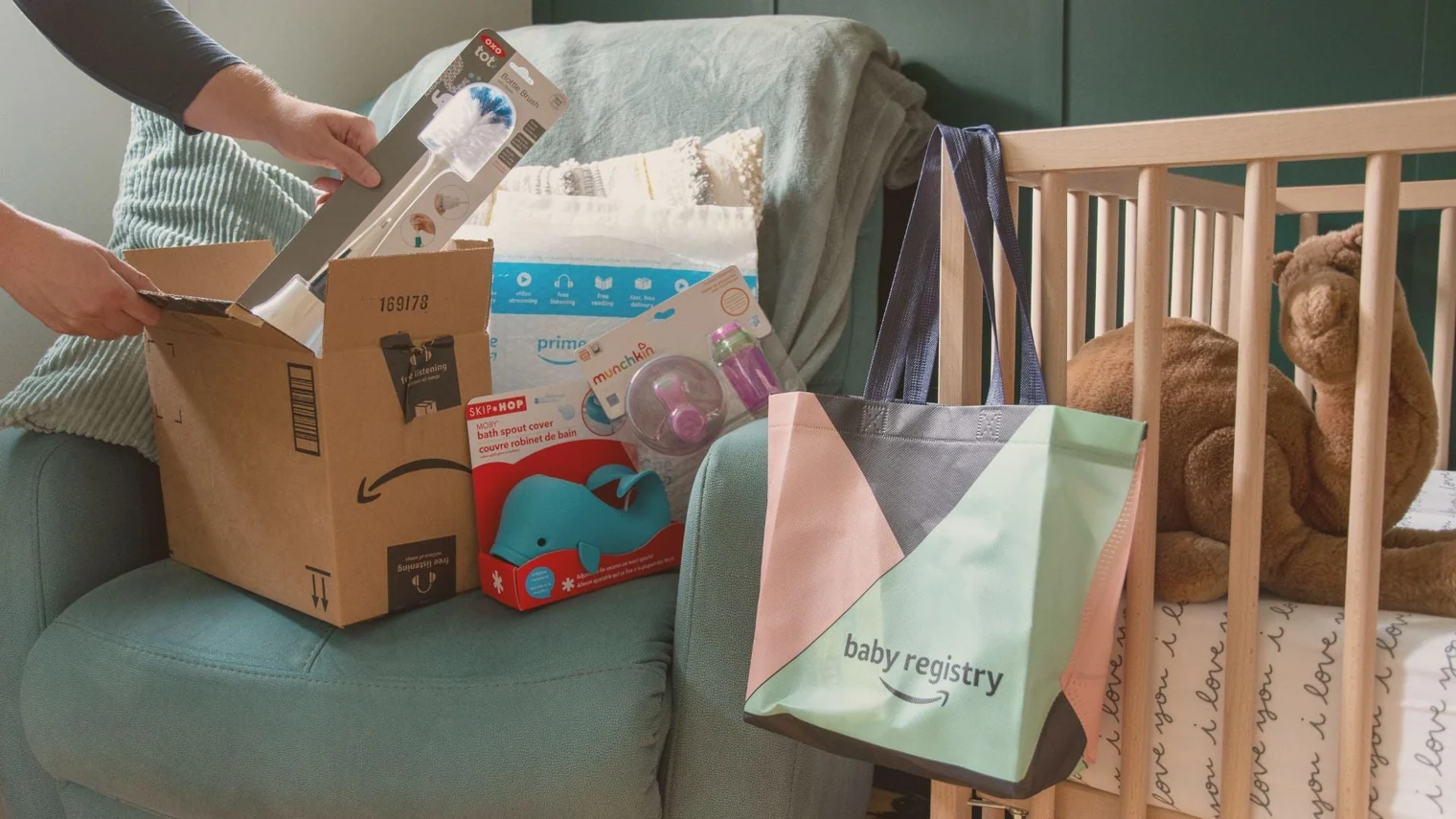
1. Amazon Baby Registry — Best for Huge Selection

Highlights:
- Enormous catalog across baby gear and everyday household items
- Familiar checkout and shipping habits for many households
- Easy to keep broad “we will need this” staples on the same list as nursery gear
Why it fits: Choose Amazon when you want almost anything available to land on one retail list, and when your household already trusts that delivery workflow. It is especially useful if hand-me-downs already covered some baby gear and you still need paper goods, snacks, laundry supplies, or other support items besides the stroller and car seat. As a primary registry, it rewards creators who care more about breadth and reorder convenience than about browsing every item in a physical aisle first.
Verdict: Best if you want a massive SKU range and a shipping workflow your household already knows.
At a glance: Single-retailer ecosystem · Not a universal multi-store registry · Strong when breadth matters more than in-aisle browsing
2. Target Baby Registry — Best for Store + App Shopping
Highlights:
- Online list paired with a wide store network
- Strong everyday baby and household staples
- Easy to check some products in person before they stay on the list
Why it fits: Target suits you when registration should match real store runs—diapers, wipes, bottles, clothes, and the basics you may grab during a normal weekly trip. If you like confirming a few items on the shelf before committing, or you want pickup-style fulfillment in the mix, the registry stays close to how you already shop. It is less about owning every specialty brand and more about a practical list that works online and in store.
Verdict: Best if you want registry shopping that connects to store and Drive Up–style fulfillment.
At a glance: Single retailer · Strong store network · Practical for everyday essentials more than every specialty brand
3. Momcozy Baby Registry — Best for Mom-and-Baby Stages on One List
Highlights:
- Room for pregnancy, feeding, nursing, and recovery beside baby care
- One on-site list for mom-and-baby gear
- Easy to draft first and share when the list feels ready
Why it fits: Choose this when your list should cover more than a crib and diapers. Momcozy Baby Registry is Momcozy’s on-site wish list for you and baby across those stages, so pumping or nursing support, recovery comfort, and baby care can sit with nursery items in one place. It fits creators who want the shared list to reflect the full stretch from late pregnancy through early feeding—not a nursery-only page with everything else postponed.
Verdict: Best if you want pregnancy-to-postpartum and baby care on one Momcozy list, then share on your timeline.
At a glance: On-site brand registry · Not a full-web universal tool · Strong when mom-and-baby stages matter as much as nursery gear
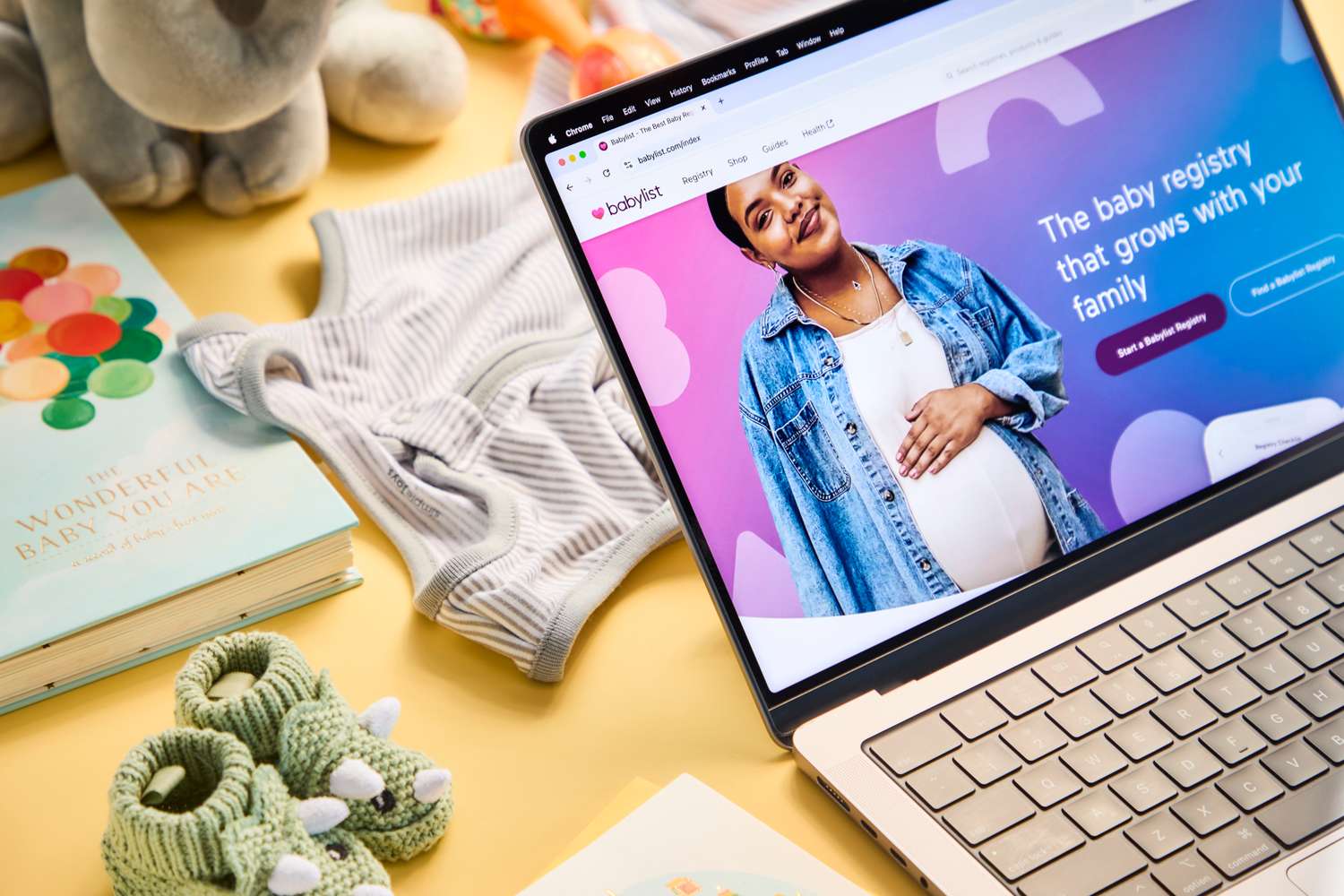
4. Babylist — Best Universal Registry Tool
Highlights:
- Add items across many retailers
- Feels like a list tool first, store second
- One shareable hub when wants span different shops
Why it fits: Babylist fits when the products you want do not live in one store. If you are collecting from big retailers and smaller shops—and you only want one outward-facing link to manage—a universal registry keeps the maintenance in one place. It is the practical choice when your shortlist is already scattered and the pain is coordination, not finding a single house brand.
Verdict: Best if you need one list that can pull from multiple retailers.
At a glance: Universal registry · Strong for multi-store catalogs · Checkout paths can vary by where an item ships from

5. Walmart Baby Registry — Best for Budget Essentials
Highlights:
- Price-conscious catalog for everyday baby needs
- Strong on bulk consumables like diapers and wipes
- Simple one-stop restock energy for high-use basics
Why it fits: Build on Walmart when the list is mostly practical essentials and value matters. It helps when you want relatives to find affordable versions of the items you will burn through fast, without turning the registry into a specialty-brand tour. If your plan is grounded in consumables, backup clothes, and solid basics at accessible price points, this is the cleaner fit than a gift-forward department list.
Verdict: Best if you want budget-friendly essentials and bulk-friendly consumables on one list.
At a glance: Single retailer · Value-led assortment · Practical for high-use basics
6. MyRegistry — Best for Combining Many Store Lists
Highlights:
- Add from a wide range of stores, including beyond baby specialty
- Useful as a combine-and-share layer
- Helpful when you already have more than one list to present cleanly
Why it fits: MyRegistry fits when your wants cut across many non-baby sites, or when you already started lists elsewhere and need one cleaner share link. Use it when the hard part is aggregation—keeping scattered picks, gift cards, or multi-store favorites behind a single entry point—rather than shopping only inside one retailer’s walls.
Verdict: Best if you need a universal hub to combine many store lists into one shareable view.
At a glance: Universal/aggregator style · Strong for multi-list coordination · Less about one store’s private-label catalog
7. Nordstrom Baby Registry — Best for Department-Store Brands
Highlights:
- Department-store brand mix
- Apparel and accessories beside baby gear
- Gift-friendly browsing tone
Why it fits: Nordstrom works when your list should include department-store brands, clothing, and polished giftables alongside baby items. Choose it if that retail world matches how you already shop and what you want people to see on the shared page. It is a stronger match for brand-and-apparel-led lists than for bulk diaper strategy alone.
Verdict: Best if you want a department-store brand mix—fashion and baby—on one registry.
At a glance: Department-store ecosystem · Strong for brand and apparel-led lists · Narrower than a mass-market everything catalog
8. Bloomingdale’s Baby Registry — Best for Gift-Forward Department Shopping
Highlights:
- Gift-oriented department selection
- Elevated everyday and special-occasion picks
- Familiar for guests who already shop that store
Why it fits: Bloomingdale’s fits when you want the registry to feel gift-forward inside a department-store catalog. It is less about warehouse consumables and more about a curated retail environment for people who like shopping that way. If you still need bulk basics, keep those on a complementary essentials list—and use this one for the gift-led side of the plan.
Verdict: Best if you want a gift-forward department-store registry experience.
At a glance: Department-store ecosystem · Gift-led assortment · Pair with a broader essentials list if you also need bulk basics
Quick Picks by Situation
- Huge catalog and familiar shipping: Amazon
- Store trips and pickup habits: Target
- Feeding and postpartum on the same on-site list as baby care: Momcozy
- Many retailers, one outward list: Babylist
- Budget essentials and bulk basics: Walmart
- Combining lots of store lists: MyRegistry
- Department-store brands and apparel: Nordstrom
- Gift-forward department shopping: Bloomingdale’s
Conclusion
Pick the registry that matches the list you will actually maintain. Some creators want maximum SKUs, some want store pickup, some want a universal hub, and some want mom-and-baby stages—feeding and recovery included—on one on-site list. Choose the fit, build the essentials, then share when the page already represents you.