

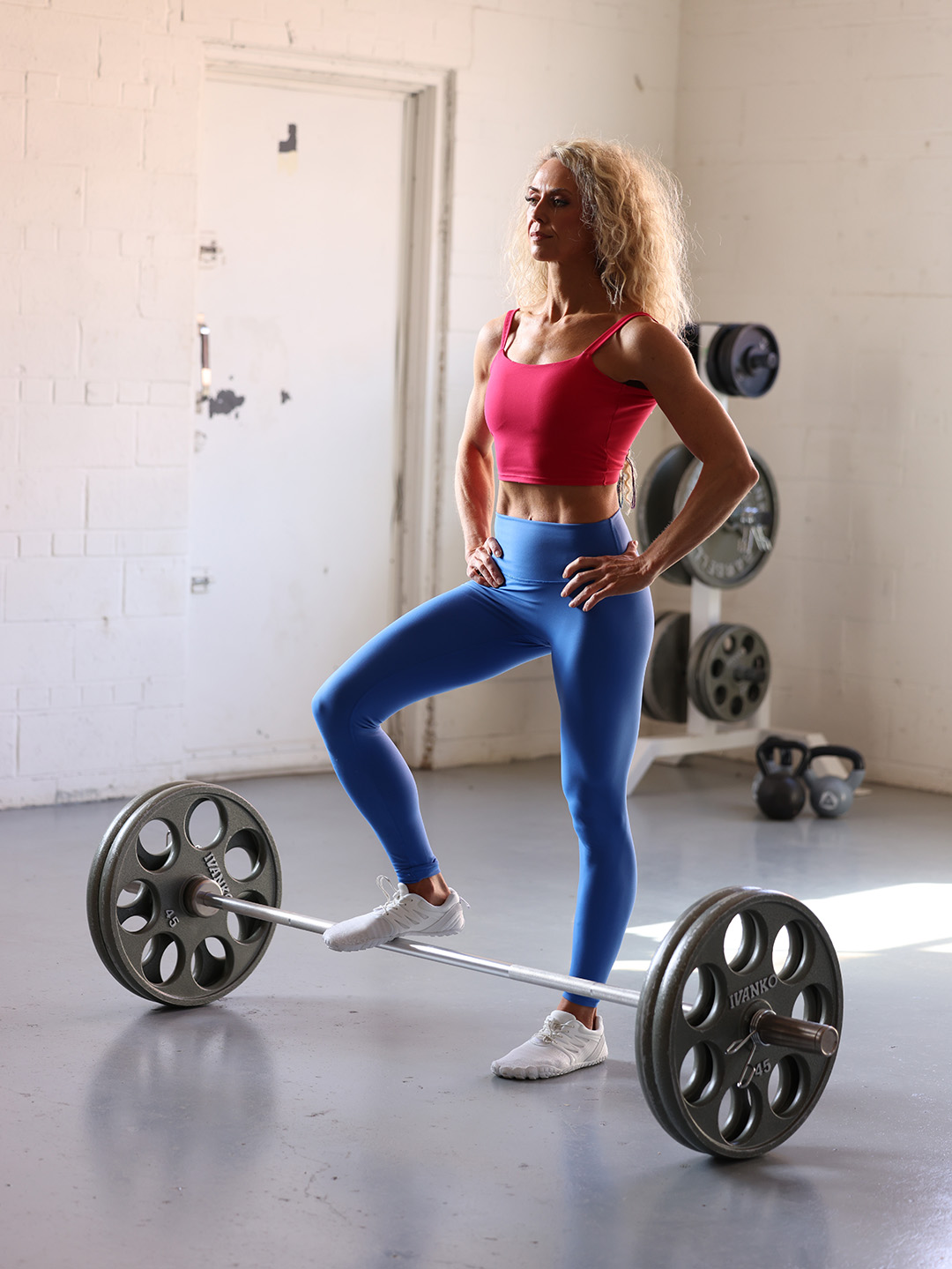


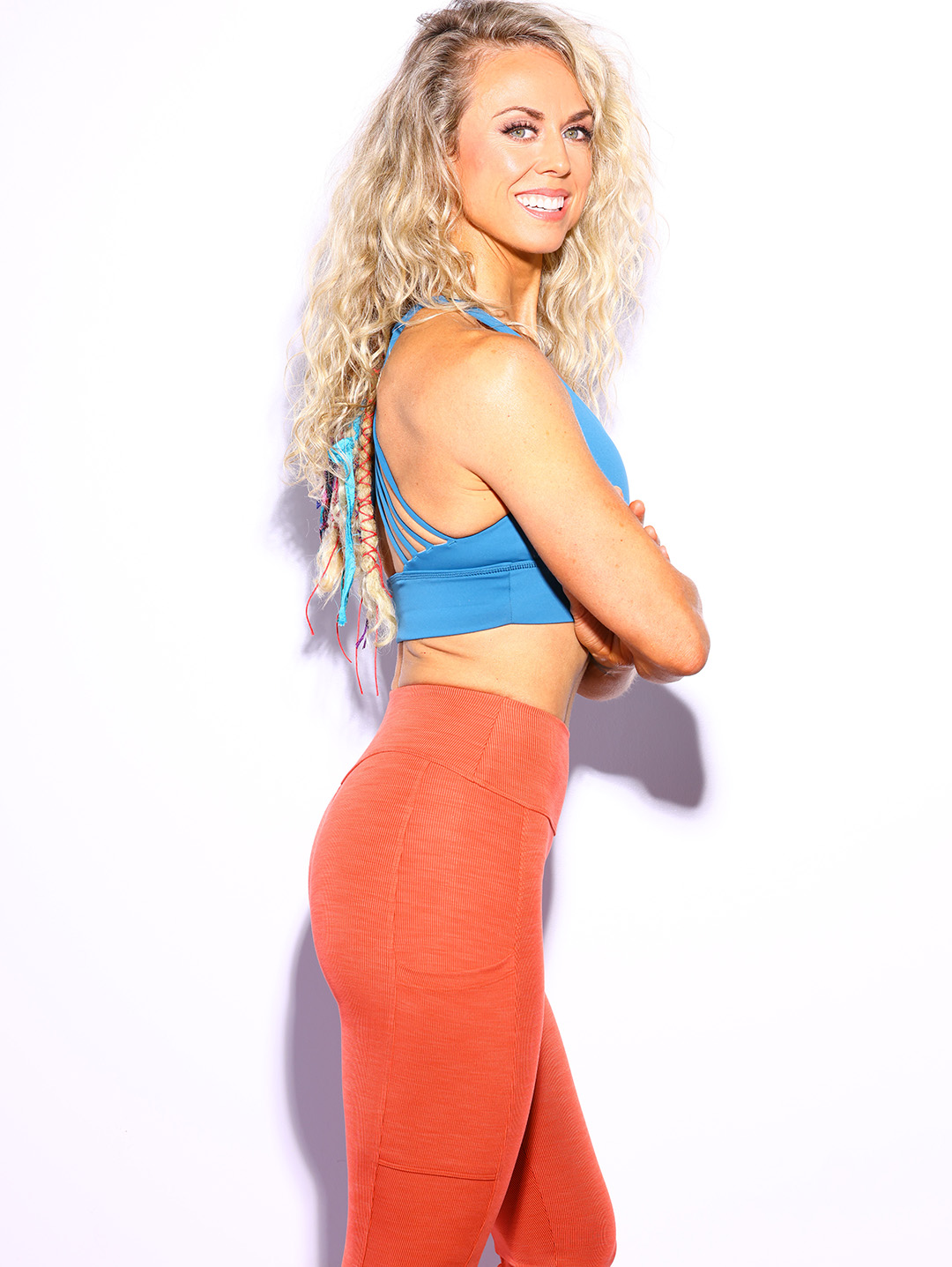
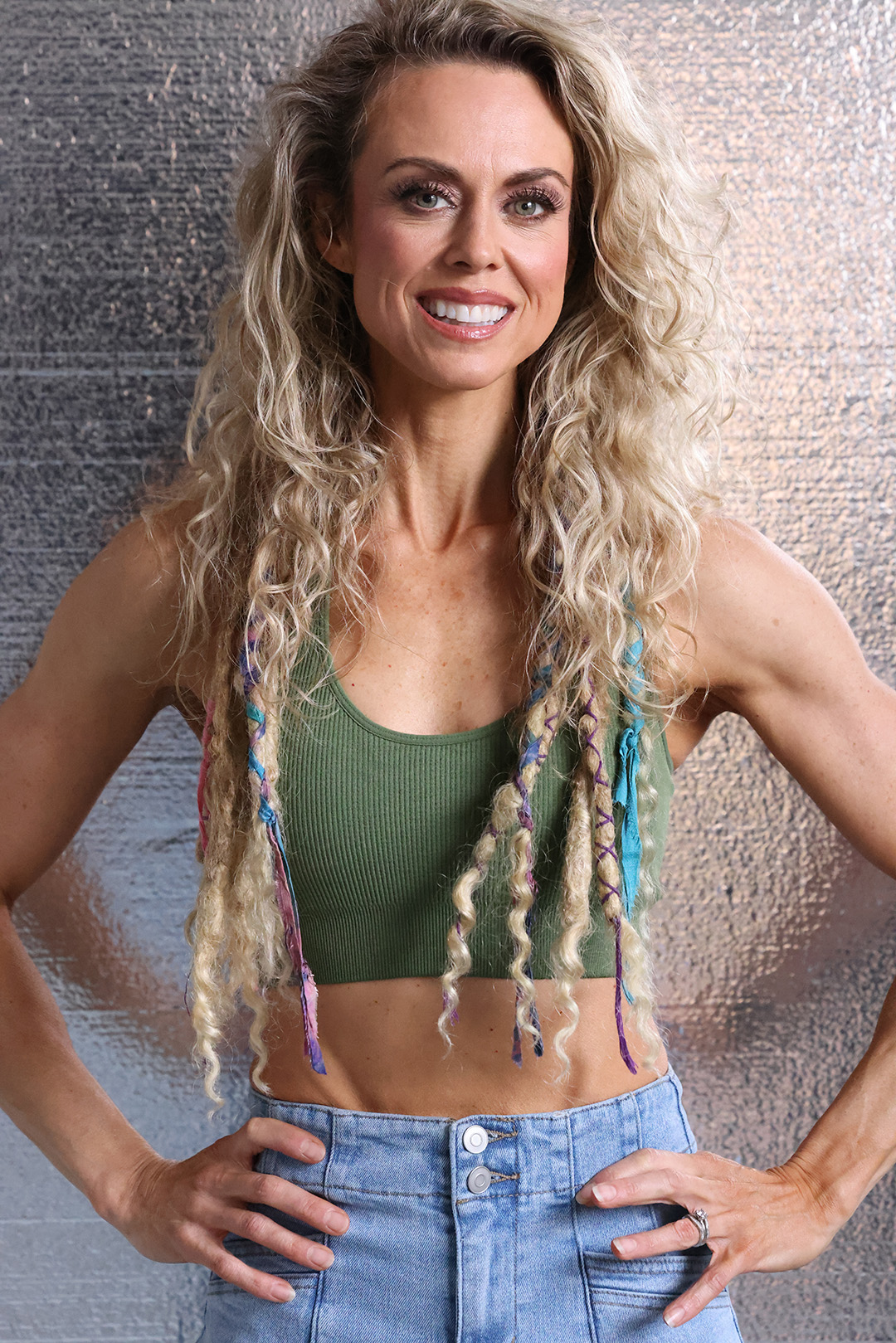
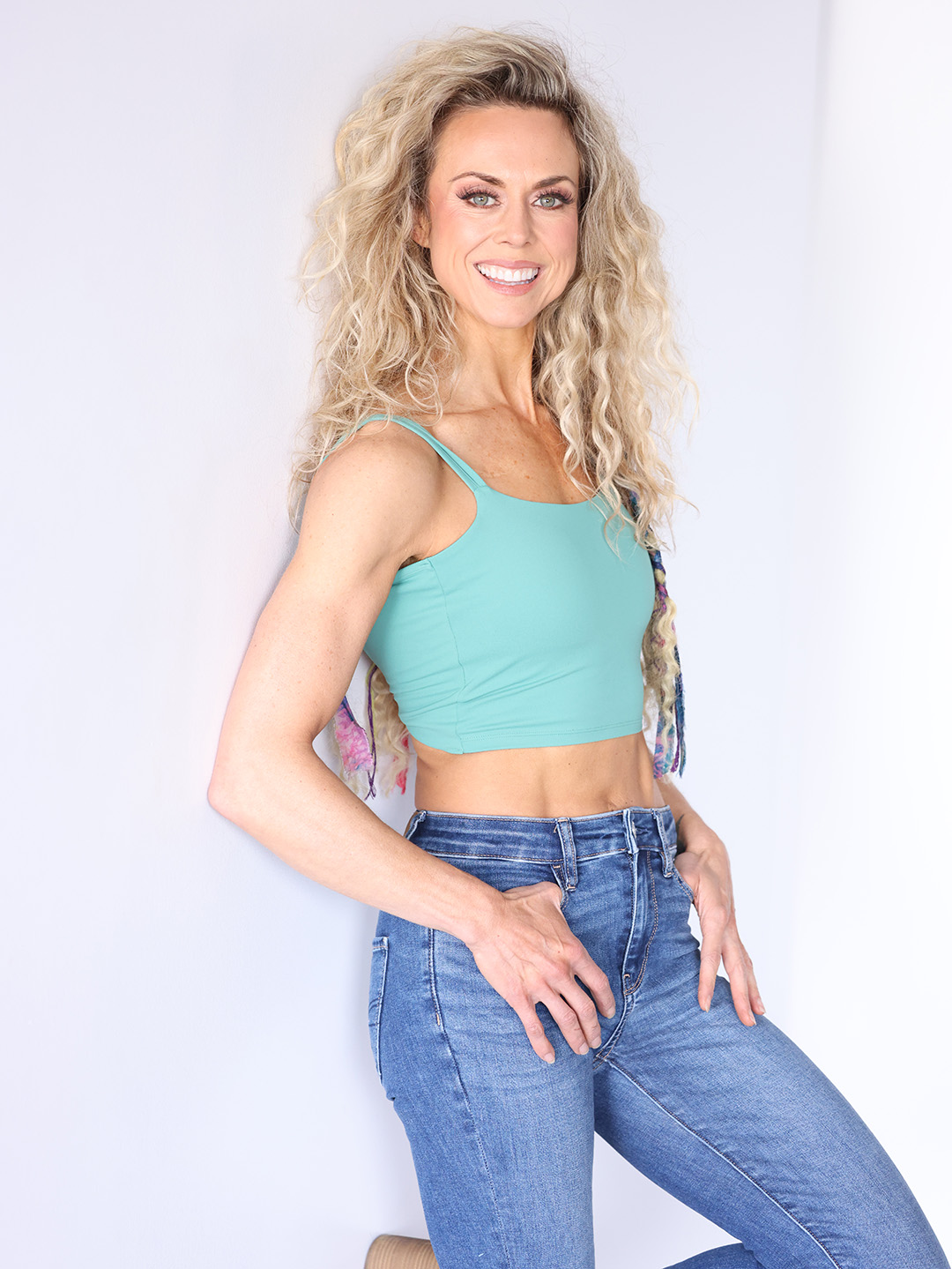
Dr. Arianne Missimer, DPT, RD, IFMCP is a doctor of physical therapy, registered dietitian, mindfulness and somatic practitioner, and one of fewer than 2,500 Institute for Functional Medicine Certified Practitioners worldwide. She is the founder and CEO of The Movement Paradigm, where she integrates functional medicine, holistic physical therapy, and nervous system regulation to help people thrive.
Dr. Missimer a TEDx speaker and is also a STRONG Fitness Magazine columnist and cover athlete. She has been featured on ABC, CBS, FOX, and NBC, named a Main Line Today Power Woman and Health Care Hero, and recognized nationally for her contributions to nutrition and sports medicine rehabilitation. A cancer survivor and advocate for whole-body wellness, her mission is to inspire people to uncover root causes, reclaim resilience, and rise to their fullest potential through mindset, nutrition, and movement.
Women Fitness President Ms. Namita Nayyar catches up with Dr. Arianne Missimer an exceptionally talented and accomplished, a doctor of physical therapy, registered dietitian, mindfulness, a cancer survivor, and somatic practitioner. Here she talks about her ‘The Movement Paradigm’, fitness regime, diet, hair & skincare and her success story.
Namita Nayyar:
Your expertise spans functional medicine, physical therapy, and nervous system regulation. How do these disciplines influence your own health and fitness routine, and what unique practices do you combine?
Arianne Missimer:
I approach my own health the same way I guide my patients—through an integrative, functional medicine lens that always asks why and addresses root causes. That means consistently evaluating my nutrition, labs, sleep, movement patterns, and stress physiology to create alignment.
My fitness routine reflects this philosophy. I strength train and powerlift four days a week to build resilience and capacity. I complement that with aerial arts like Lyra, bodyweight strength, Animal Flow, and fascial tensioning to cultivate adaptability, flow, nervous system engagement, and most importantly, play. For cardiovascular health and regulation, I integrate running, paddle boarding, and walking in nature.
Just as importantly, I weave in mindful movement, meditative practices, restorative sleep, and intentional nutrition. The result is a practice that doesn’t just focus on performance—it supports long-term vitality, adaptability, and whole-body health.


Namita Nayyar:
As a cancer survivor, how did your approach to fitness and wellness evolve during and after treatment? Are there specific practices you prioritize now to build resilience?
Arianne Missimer:
During treatment, I adopted the philosophy that guides my practice today: mindset, nutriton, and movement. Even while undergoing chemotherapy and proton therapy, I trained for American Ninja Warrior and later competed on the show four months after my treatment ended, proving to myself the power of resilience. Post-treatment, my shift was toward understanding trauma, nervous system regulation, and emotional health — areas often overlooked in conventional medicine.
Functional medicine science helped me heal my gut, reduce inflammation, and restore energy. Movement has always helped my through life’s biggest challenges. Now, I not only prioritize movement but also nervous system practices, integrative nutrition, airway health and sleep, knowing resilience must be built across physical, biochemical, and emotional domains.
Namita Nayyar:
How do you integrate nervous system regulation into strength training, movement therapy, and functional medicine — both for yourself and for your patients at The Movement Paradigm?
Arianne Missimer:
Every movement I do—whether it’s a heavy deadlift or a bodyweight flow—is grounded in mindfulness and intention. For my patients, the first step is awareness: understanding their autonomic state. Are they in fight, flight, freeze, or safety?
Functional medicine gives us the lens to connect physiology—gut health, hormones, inflammation—with nervous system regulation. Healing is only possible when the body feels safe. That’s why I integrate breath work, vagus nerve stimulation, and somatic awareness into strength, mobility, and movement training.
The science is clear: adaptability is the hallmark of health. My role is to help patients learn how to regulate and adapt—so stress becomes a catalyst for growth, not a pathway to breakdown.
Full Interview is Continued on Next Page
This interview is exclusive and taken by Namita Nayyar, President of womenfitness.net, and should not be reproduced, copied, or hosted in part or in full anywhere without express permission.
All Written Content Copyright © 2025 Women Fitness
Namita Nayyar:
Can you walk us through a typical day of meals, and how your background as a dietitian and your personal health journey shape the way you eat?
Arianne Missimer:
A typical day of meals for me is simple, nutrient-dense, and intentional. Breakfast might be oatmeal with egg protein powder, almond butter, banana, turmeric, ginger, cinnamon, and psyllium husk for added fiber. Mid-morning, I’ll usually have yogurt with berries and pumpkin seeds. Lunch is a colorful mix—arugula, leeks, cabbage, carrots, cilantro, venison or bison, and spicy guacamole. Dinner often includes eggs with arugula, broccoli, peppers, avocado, and leeks, rounded out with sweet potato and sunflower butter for recovery.
I prioritize bodyweight in protein daily, making sure I’m getting all the essential amino acids, along with 25–35 grams of fiber to support a healthy microbiome. I include probiotic-rich foods, lots of dietary diversity, fatty fish twice a week, wild game, eggs, and plenty of spices and herbs for their anti-inflammatory and healing properties.
My background as a dietitian, combined with my cancer journey, has deeply shaped this approach. I view food as biochemistry: every bite influences blood sugar balance, mitochondrial health, and nutrient density. Functional medicine expands that view, guiding me to consider how food impacts inflammation, gut integrity, detoxification, and nervous system balance. In short, I fuel for performance. The more I do, the more I fuel!
Namita Nayyar:
How do you connect nervous system regulation with nutrition, both in your personal life and in the dietary strategies you use with patients?
Arianne Missimer:
Nutrition fuels our biochemistry, directly shaping the nervous system. Protein provides the amino acids that form neurotransmitters like dopamine, serotonin, and GABA. Electrolytes are critical for nerve conduction. Blood sugar regulation affects sympathetic vs. parasympathetic tone. And nutrients like CoQ10, magnesium, and omega-3s support mitochondrial and brain health.
For myself and my patients, I combine functional nutrition with nervous system practices: eating in a relaxed state, using breath work before meals, and timing meals to support blood sugar and circadian rhythm. Science shows that how we eat is just as important as what we eat — and that’s the foundation I teach.

Namita Nayyar:
What major dietary shifts did you make after surviving cancer, and how do these shape the anti-inflammatory strategies you now recommend?
Arianne Missimer:
After chemotherapy, 11 rounds of antibiotics, radiation, CT scans, and medications, I was left with profound gut dysfunction — I could barely tolerate food for over two years and relied on baby food for more than a year. My healing required rebuilding the microbiome through fiber, probiotics, and nutrient-dense foods, while eliminating processed foods and gluten (given my celiac gene and severe intestinal permeability).
I focused on antioxidants to mitigate oxidative stress, cruciferous vegetables and dandelion greens to support detoxification, and mindful eating to restore gut-brain signaling. These strategies now inform my anti-inflammatory protocols: rebuild the gut, reduce immune triggers, and use food to modulate biochemistry.
Namita Nayyar:
How does your holistic health philosophy extend into areas like hair and skincare? Are there natural routines or products you rely on?
Arianne Missimer:
I rely on simple, fragrance-free, non-toxic products for skin, hair, and detergents. But I also view skin and hair health as reflections of internal physiology. Nutrition, hormone balance, toxin exposure, nervous system regulation and gut and liver health all influence skin and hair health. I keep external care minimal, but I focus deeply on the internal terrain.
Do you see conditions such as inflammation showing up in skin and hair health? How do you approach this at The Movement Paradigm?
Absolutely. Rosacea, acne, redness, and inflammatory rashes often reflect systemic inflammation or gut dysbiosis. Hair thinning or loss can be tied to thyroid dysfunction, estrogen imbalance, or nutrient deficiencies. At The Movement Paradigm, we approach these issues systemically: with lab testing, root-cause analysis, and personalized plans that address hormones, nutrition, genetics, sleep, and nervous system regulation — rather than just surface treatments.

Namita Nayyar:
What role does stress and nervous system regulation play in maintaining healthy skin, hair, and overall vitality?
Arianne Missimer:
Chronic stress dysregulates cortisol and depletes nutrients, accelerating aging and impairing repair. Elevated stress hormones can thin the skin, drive inflammation, and contribute to hair loss. Nervous system regulation — through breath work, somatic practices, and movement — reduces inflammatory signaling and improves circulation and nutrient delivery. The science of psychoneuroimmunology is clear: a regulated nervous system is a prerequisite for healthy skin, hair, and overall vitality.


Namita Nayyar:
What inspired you to create The Movement Paradigm, and how does your personal journey as a survivor and multi-disciplinary practitioner shape its mission?
Arianne Missimer:
I always envisioned a truly integrative practice. My cancer journey solidified that vision, reminding me that health is never one-dimensional. At The Movement Paradigm, we integrate functional medicine, holistic physical therapy, and nervous system regulation to uncover root causes and empower patients with tools to heal. My mission is to help people move beyond symptom management and surviving to truly thriving.
Namita Nayyar:
How do you bridge Eastern philosophies with Western science in your work with functional medicine and neuroscience?
Arianne Missimer:
I integrate ancient practices like visceral osteopathy, yoga, meditation, and craniosacral therapy with the latest in functional medicine, neuroscience, rehabilitation, movement science, and advanced lab testing. Where Eastern philosophy emphasizes energy and flow, Western science provides measurable biomarkers and mechanisms. Together, they form a complete picture: honoring human wisdom while validating it with data.
Namita Nayyar:
Can you share a success story where your integrative approach created a breakthrough in pain relief, reducing inflammation, or restoring vitality?
Arianne Missimer:
One patient, Michael, struggled with histamine intolerance, tachycardia, and anxiety. Through functional medicine, we identified food triggers and modified his nutrition. We introduced vagus nerve exercises, nervous system regulation strategies, and gradually progressed him into strength training. The result was life-changing: reduced symptoms, restored vitality, and a renewed sense of empowerment in his health.
Namita Nayyar:
What markers or philosophies do you use to measure patient progress across movement, mindset, and nutrition?
Arianne Missimer:
I track both objective and subjective data. In functional medicine, we use biomarkers such as inflammatory markers, hormones, micronutrient analysis, and microbiome analysis. In movement, we rely on gait analysis, functional assessments, and strength testing. For nervous system health, I use HRV, sleep studies, and patient-reported outcomes on energy, resilience, and mental clarity. The guiding philosophy is that progress must be measured in both science and lived experience.
Namita Nayyar:
As a nervous system regulation expert, what daily practices do you rely on for clarity and balance, and how do you teach these to your patients?
Arianne Missimer:
My daily practices include breath work, meditation, vagus nerve stimulation, and somatic movement. One of my favorite personal practices is quite simple, walking out in nature daily.
These keep me grounded and resilient through stress. For patients, I teach simple, repeatable routines — because science shows consistency, not complexity, rewires the nervous system. The goal is empowerment: small daily inputs that create long-term transformation.

Namita Nayyar:
How has your experience as a survivor reshaped your view of holistic health, and what advice do you give others navigating similar challenges?
Arianne Missimer:
Survivorship reinforced that true health requires addressing the whole system — body, mind, and environment. It taught me that resilience is built through integrative care: functional medicine for the biochemistry, physical therapy for the structure, and nervous system regulation for the physiology of stress.
My advice: focus on what you can control — your nutrition, movement, mindset as well as environment, and daily practices — and trust that small steps compound into healing. I believe that we all have the innate capacity to heal, although healing may look different for all of us.
Namita Nayyar:
What projects or goals are you currently most excited about — whether in publishing, education, or expanding the impact of The Movement Paradigm?
Arianne Missimer:
Right now, I’m most excited about growth and expanding our reach. We’re building our team, adding metabolic and resting metabolic rate testing, and continuing to develop our app so we can support more people virtually.
I’m also thrilled to be launching The Movement Paradigm University, which will offer cutting-edge education for both patients and professionals. Alongside that, we’re preparing to launch our podcast and expand our Pay It Forward initiative, so we can continue to impact lives locally and globally.
This interview is exclusive and taken by Namita Nayyar, President of womenfitness.net, and should not be reproduced, copied, or hosted in part or in full anywhere without express permission.
All Written Content Copyright © 2025 Women Fitness