


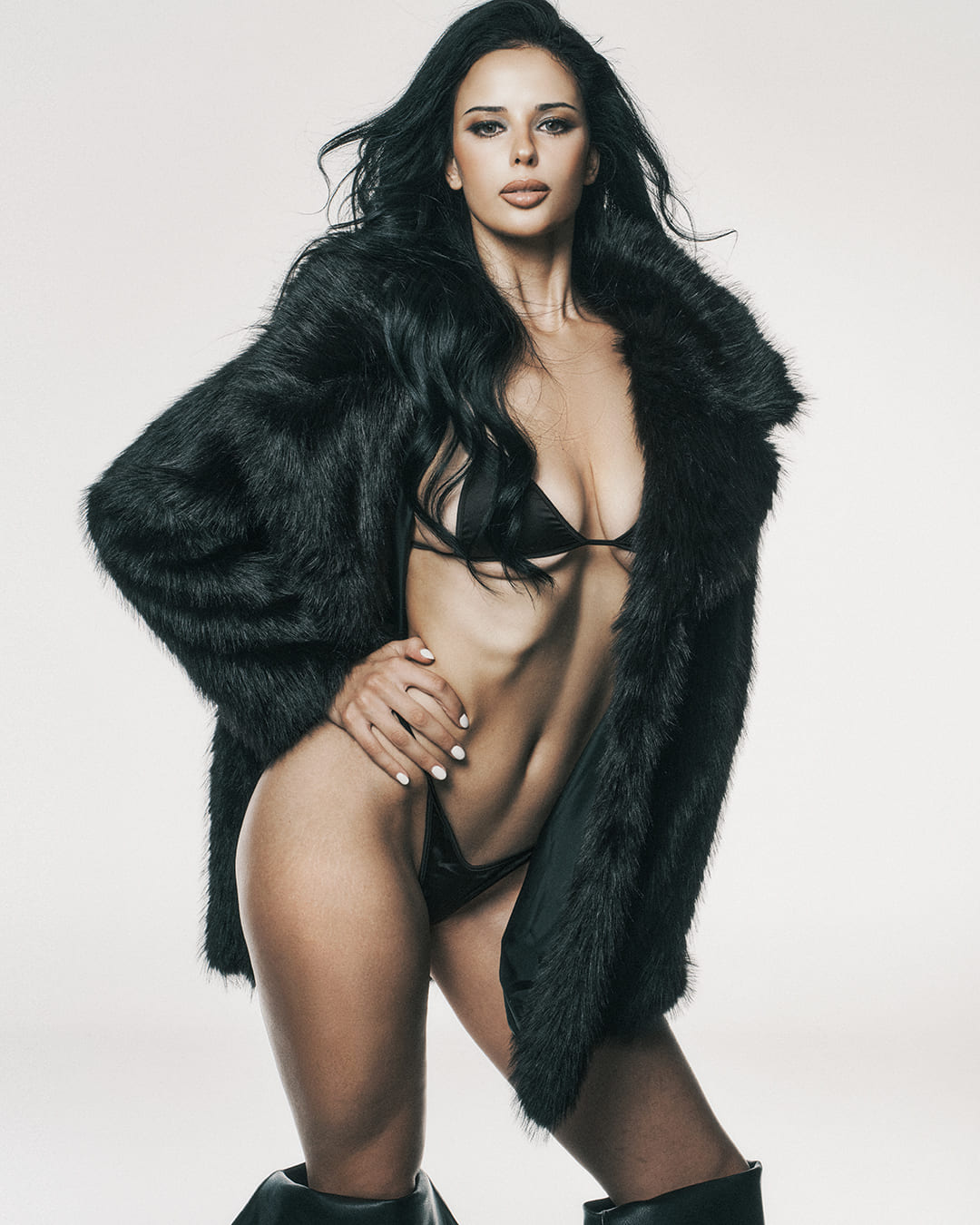
Audrey Martin is twenty four years old. She was born in Morocco, raised in Italy, and over the past few years has been living around the world. She visited more than fifty countries so far, lived for two years in Portugal, spent over a year traveling across Asia between Japan, Indonesia and Thailand, and is currently living in South Korea, where she now been based for over two years.
Her journey has been far from conventional. She left school very early to start working, and during her teenage years she struggled deeply with her relationship with food and her body. Obesity runs strongly in her family — her parents, grandparents, uncles and even her brother all struggled with it — and growing up this created a very unhealthy perception of weight and appearance for her.
At the age of 14, she developed anorexia, which later turned into binge eating and bulimia. For years, the number on the scale completely controlled her life. The scale became her biggest enemy, and she entered a very toxic cycle where the only thing that mattered was becoming smaller and smaller, no matter the cost.
At 19, she slowly began rebuilding a healthier relationship with herself. She started studying nutrition, going to therapy, and approaching fitness in a healthier and more sustainable way. She first started going to the gym with a personal trainer because she was too intimidated to go alone, but after almost a year she found confidence in herself and began training independently.
Over time, she discovered more and more sports and slowly fell in love with movement itself. What once came from fear eventually became passion. Today, she genuinely cannot imagine her life without physical activity. Sport is no longer punishment for her — it’s therapy, balance, happiness and freedom.
Her hobbies today are almost entirely sports-related. She does boxing, swimming, running, weight training, golf, tennis, surfing and many other activities. What used to be her biggest enemy has now become her best friend.
One of the main messages she tries to share through her social media is that a healthy body is not necessarily an extremely thin body. She believes that we give far too much importance to the number on the scale, and she knows personally how dangerous that mindset can become. She tries to show people — especially women — that you do not have to weigh 48 or 50 kilos to be beautiful, healthy or fit. A woman can weigh more and still be slim, athletic and healthy.
Another important part of about her is adventure and exploration. Her travels are often very unconventional — from the Arctic and ice baths in freezing temperatures to the Amazon rainforest, remote jungles and indigenous tribes. She often travels alone, and she is constantly searching for experiences that push her outside her comfort zone. She has also done activities such as skydiving and extreme outdoor adventures.
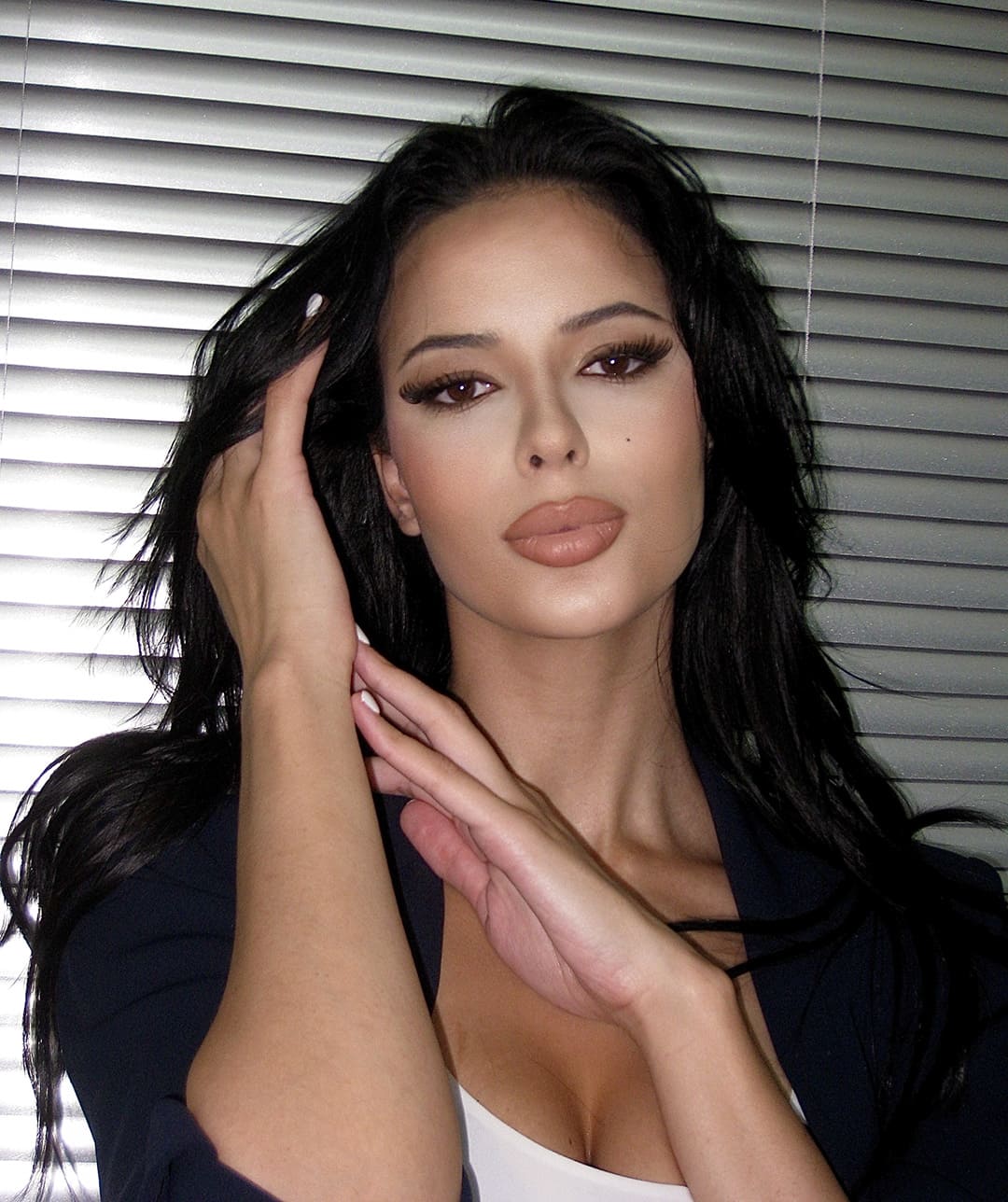
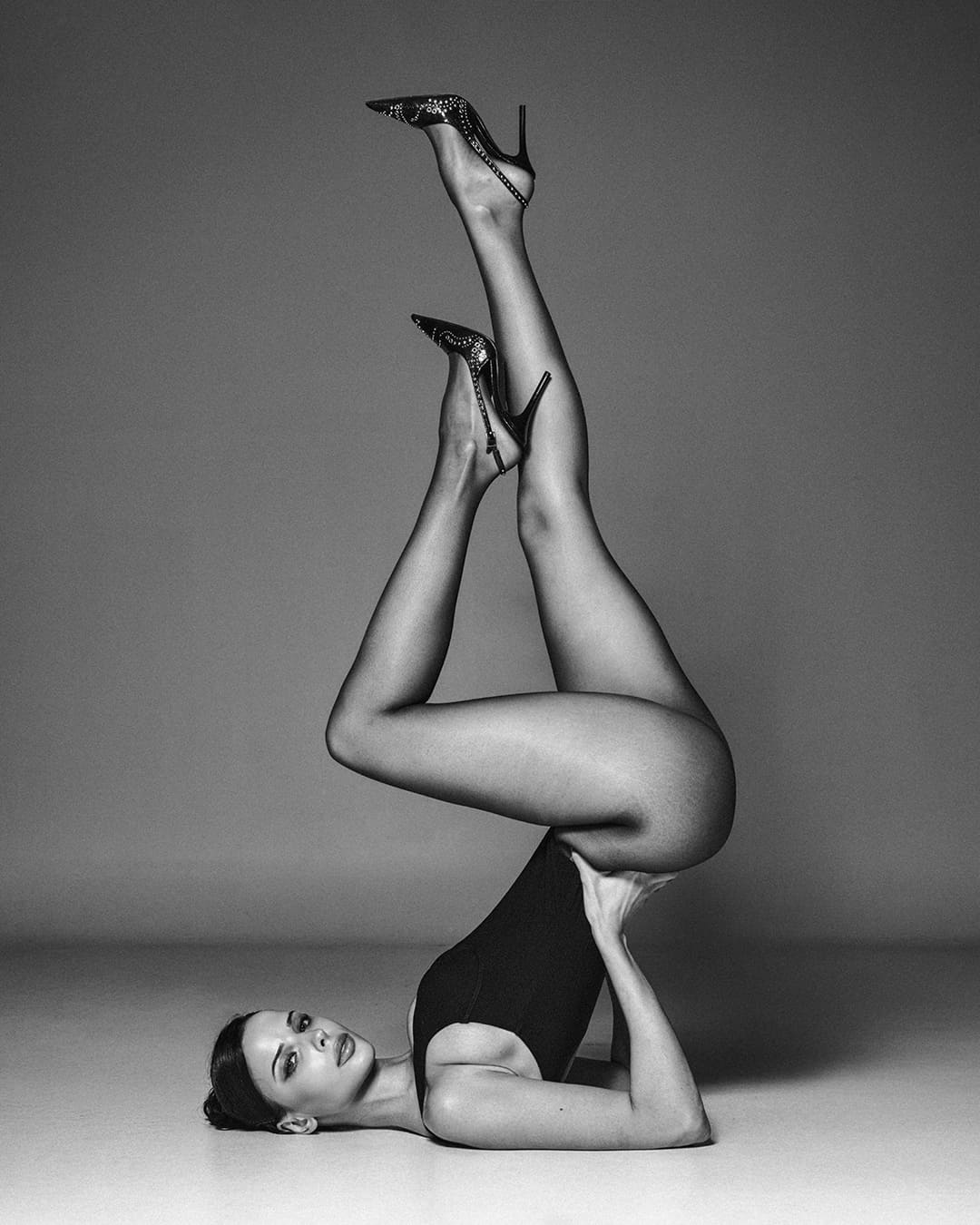
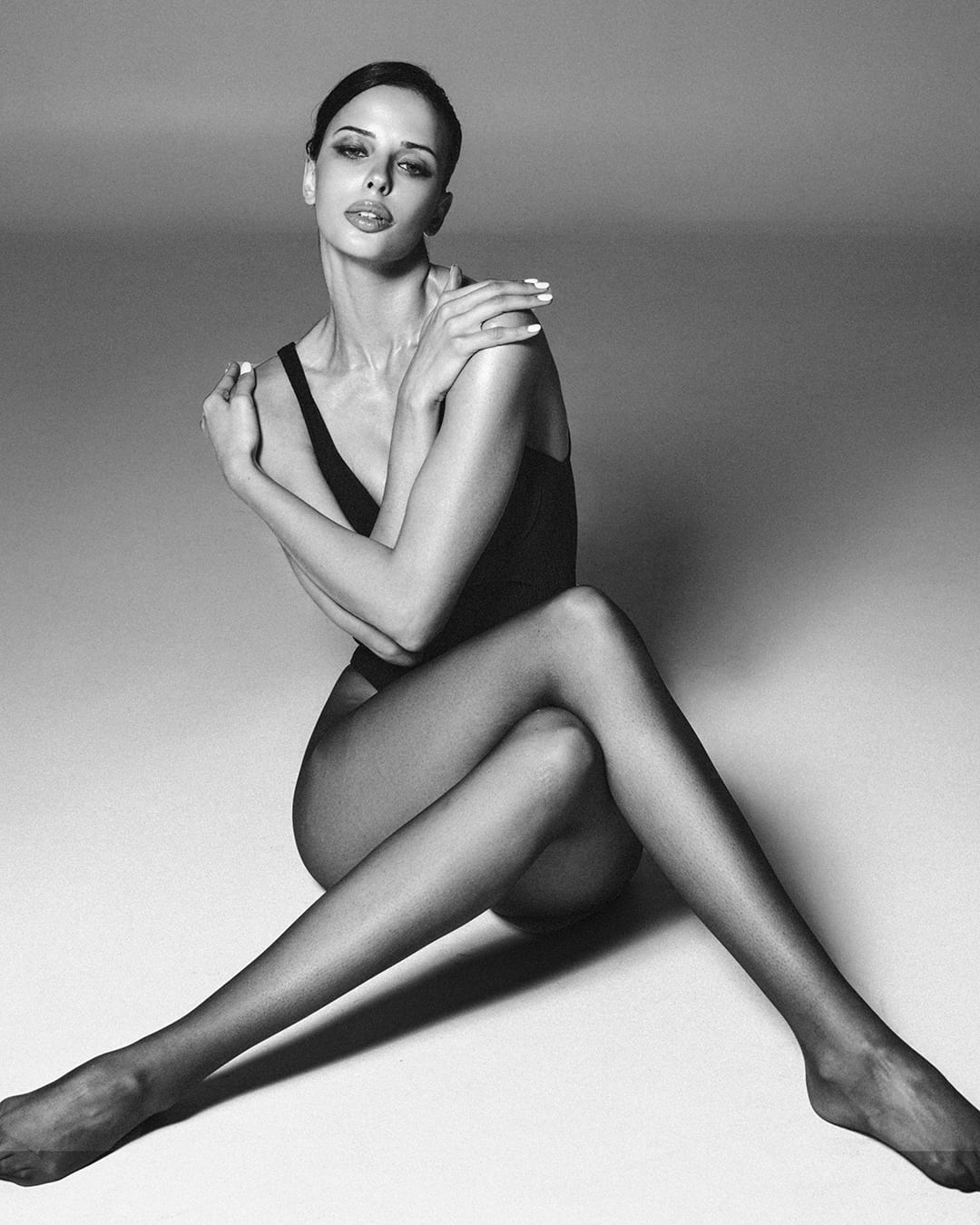
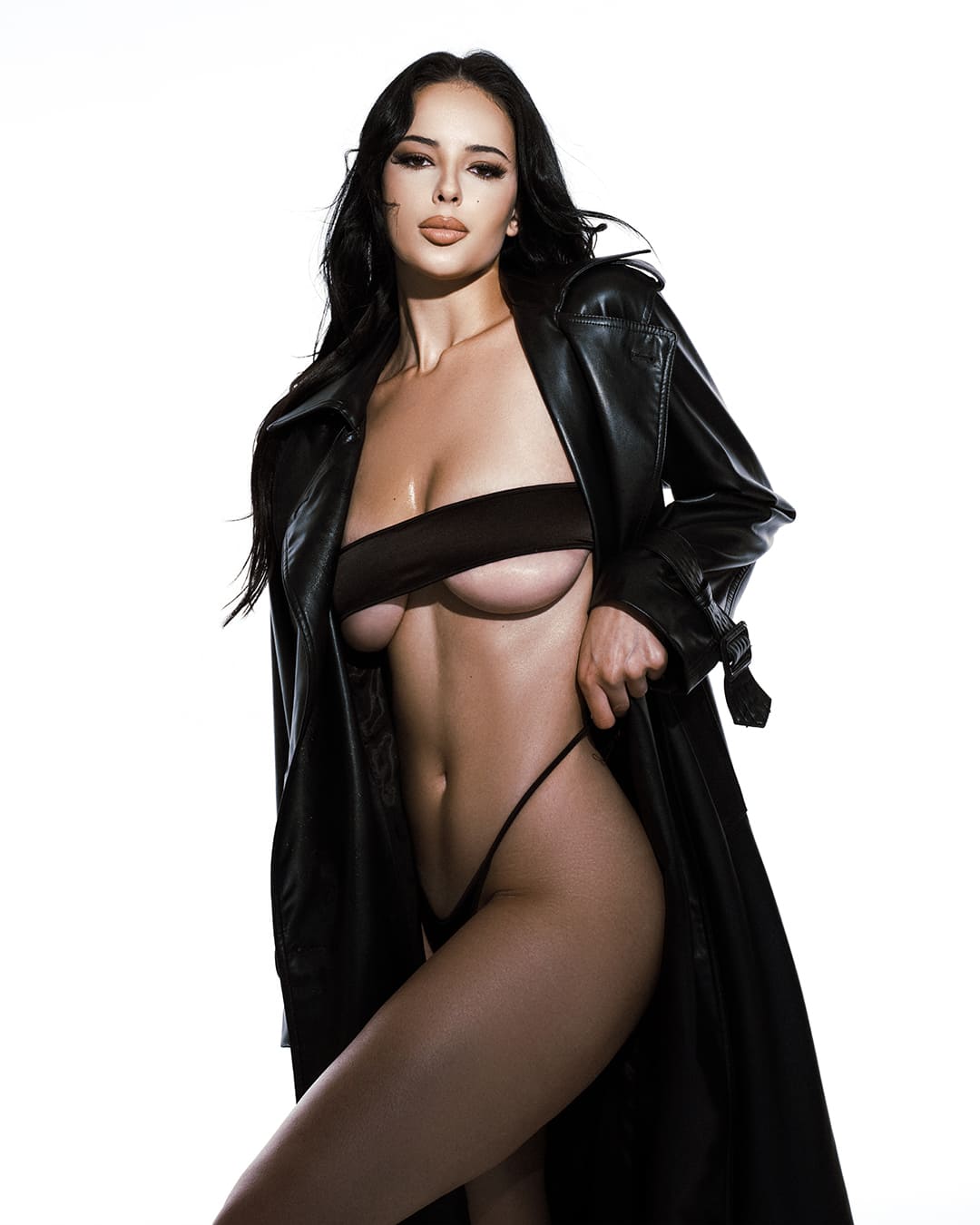
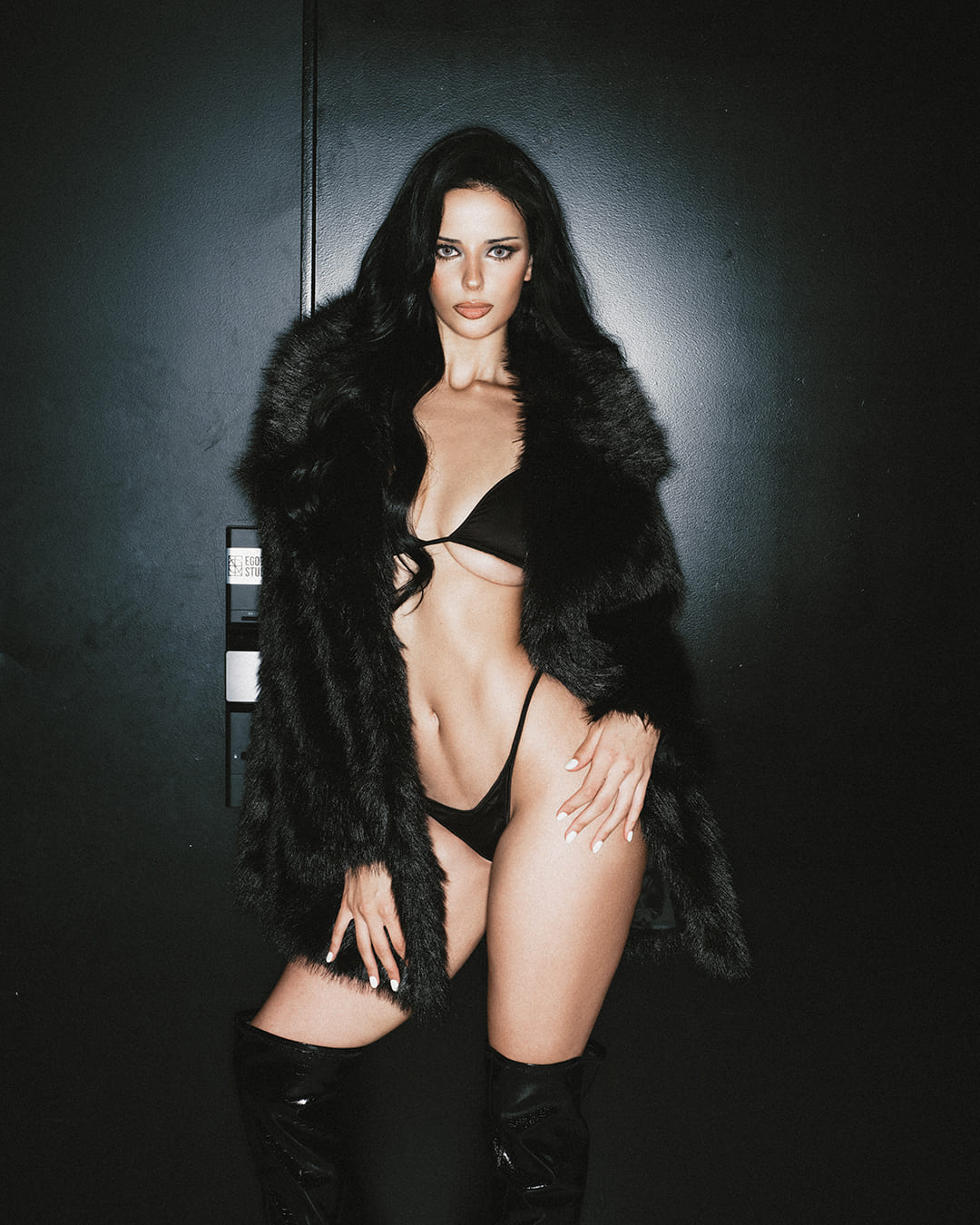
She believes what makes her personality and content unique is the contrast between the two sides of her: a very adventurous, strong and fearless side combined with a very feminine aesthetic. She loves taking care of herself, her appearance and her femininity, while also embracing strength, discipline, sports and adventure.
Today, through traveling, sports and personal growth, she tries to inspire people to build a healthier relationship with them, both physically and mentally.
Women Fitness President Ms. Namita Nayyar catches up with Audrey Martin an exceptionally talented and accomplished a Global content creator – featuring authentic content about travel, health, lifestyle, and personal growth. Here she talks about her personal journey, content creation, travel, beauty, fitness routines, and future aspirations.

Namita Nayyar:
You were born in Morocco, raised in Italy, and have since lived in Portugal and now South Korea. How has each of these places shaped your sense of identity? Do you feel more Moroccan, Italian, or simply “a citizen of the world”?
Audrey Martin:
I feel more like a citizen of the world than anything else. Morocco, Italy, Portugal and South Korea all shaped different parts of me because they are the countries where I spent the most important years of my life. But honestly, every time I travel, I discover something new about myself. Every culture changes me a little.
Italy is still the country I emotionally identify with the most because it raised me. It’s where I grew up, went to school, learned the language and built my personality. Italy gave me my emotional side, my love for beauty, food and human connection.
At the same time, I have very strong Moroccan roots because of the environment and values I was raised with at home. Morocco taught me family connection, warmth and resilience.
Portugal was the place where I matured emotionally. It taught me how to slow down and understand that life doesn’t always need to move so fast.
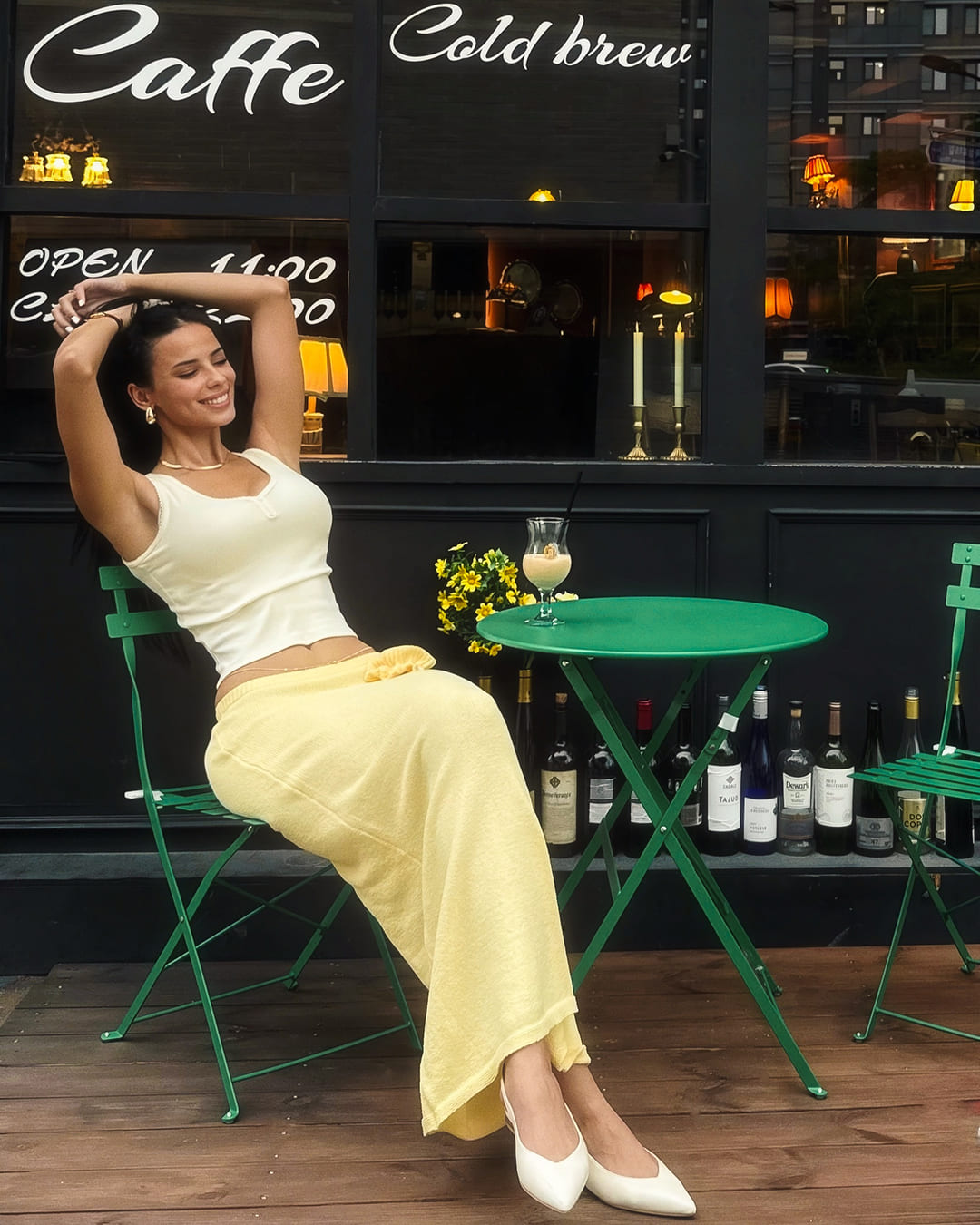
And then there is South Korea, which became the place where I unexpectedly felt at home. I originally arrived there only planning to stay a short period during a difficult phase of my life, but I completely fell in love with the culture, the atmosphere, the people and the feeling of safety and structure I found there.
I also fell in love with the Korean language, which I started learning so I could communicate with my boyfriend’s parents and have basic conversations at supermarkets, taxis, restaurants etc… I speak five languages and languages have always fascinated me, but Korean feels especially emotional and poetic to me. Concepts like “인연 – Inyeon” the idea of invisible destiny connecting people through life, really touched me. Or also like “윤슬 – Yoonseul” The shimmering, sparkling ripples of water created by the reflection of sunlight or moonlight, these words are unique, romantic, poetic and pure and korean language is full of words like that.
Arabic too!
Over time, Korea slowly became part of my identity as well, and shaped my personality.
Namita Nayyar:
After over two years in South Korea, what has kept you there longer than other countries? Are there aspects of Korean culture (beauty, fitness, discipline) that resonate with your personal journey?
Audrey Martin:
What kept me in South Korea longer than anywhere else was honestly the balance I felt there.
I connected deeply with the Korean mentality: discipline, consistency, ambition and self-improvement. Korean people work incredibly hard and take both health and self-care seriously, and that environment motivated me a lot personally.
Living there also changed my relationship with beauty and health. Before moving to Korea, I never cared much about skincare or aesthetic treatments, but Korea introduced me to a more preventive and balanced approach to self-care.
I also loved everyday life there — the food culture, the safety, the respect people have toward others and the feeling that everyone is quietly trying to improve themselves.
Korean cuisine also fit my lifestyle naturally because meals are usually balanced and built around vegetables, rice, soups, fermented foods, fish, tofu and lighter ingredients. And of course, another huge reason why Korea became so important to me is that my boyfriend is Korean, so emotionally the country became even more meaningful over time.
Namita Nayyar:
Having lived in Portugal for two years and traveled through Asia extensively, what is one daily habit or perspective you’ve adopted from each country you’ve called home?
Audrey Martin:
Every country I lived in left something inside me that still shapes my daily life today. Morocco taught me the importance of family and emotional connection. Even today, no matter where I am, I still call my mother and brothers almost every day.
Italy taught me quality and appreciation for food. Italians grow up understanding that food is not just fuel — it’s culture, emotion and care. Portugal taught me how to slow down and enjoy life more peacefully instead of constantly rushing.
South Korea taught me discipline and consistency. Living there pushed me to become more organized, more focused and more attentive to my health and routines. Korea also changed my relationship with friendship because, before moving there, I honestly never felt like I had truly deep friendships outside family or relationships. There, I experienced genuine loyalty and emotional support from people in a way I hadn’t before.
Namita Nayyar:
You’ve spoken about how obesity runs strongly in your family. At 14, when you developed anorexia, what was the trigger that made you want to go in the complete opposite direction from your family’s body type?
Audrey Martin:
The main trigger when I was 14 was honestly the toxic environment around body image that I grew up in. There was a lot of body shaming inside my family, especially directed toward my younger brother. Ironically, many of the people criticizing him were struggling with weight themselves.
At the same time, I had a very thin neighbor who constantly told me that one day I would “become like my family.” Those comments stayed in my head and slowly created a deep fear of becoming overweight.
At that age, social media and beauty standards also started affecting me heavily. I began associating thinness with success, beauty and acceptance.
Eventually, that fear pushed me completely to the opposite extreme and became the beginning of my eating disorder.
Namita Nayyar:
You’re eating disorder evolved from anorexia into binge eating and bulimia. Can you describe what that toxic cycle looked like on a typical day during your darkest period? What role did the scale play in your self-worth?
Audrey Martin:
During the darkest period of my eating disorder, my entire life revolved around food, guilt and the scale.
At 180 cm tall, I dropped to around 54–55 kg and physically I could barely function anymore. I was weak, exhausted and emotionally completely disconnected from myself.
Eventually I tried to start eating more because my body physically couldn’t continue that way anymore, but instead of healing, I fell into a cycle of restriction, binge eating and purging.
For months, I would heavily restrict food for four or five days and then suddenly completely lose control during binge episodes. I remember eating huge amounts of rusks covered in Nutella and then forcing myself to throw up afterward because I felt overwhelming guilt.
At the same time, I was obsessively doing cardio, especially jump rope, because I believed I constantly needed to “burn” what I ate. I even had photos of Victoria’s Secret models taped to my wall while training because I wanted to make myself feel guilty if I stopped. My self-worth depended entirely on the scale. If the number dropped, I felt valuable. If the number increased, even slightly, I felt like a failure.


Namita Nayyar:
At 19, you began rebuilding your relationship with yourself. What was the specific turning point – a person, a moment of health crisis, or a realization – that made you seek therapy and nutrition studies?
Audrey Martin:
Around 19 years old, something inside me slowly started changing. I became fascinated by nutrition, yoga and understanding the science behind the body instead of constantly fighting against it.
Until that point, my relationship with food and exercise had always been based on fear, guilt and punishment. But the more I studied nutrition and health, the more I realized how unhealthy my mindset actually was.
The biggest realization understood that food was not my enemy. Food was fuel. It was what allowed the body to function, heal, build muscle, recover and stay healthy.
At the same time, my self-esteem was still very low because after years of restriction I had gained weight again, and mentally I struggled to accept my body. That’s when I decided to start approaching fitness seriously instead of emotionally.
I hired a personal trainer for the first time and slowly started learning how training actually worked. Then I became obsessed — in a healthy way — with understanding nutrition, biomechanics, muscle growth and the science behind fitness.
That period completely changed my life because it transformed movement from punishment into something empowering.
Full Interview is Continued on Next Page
This interview is exclusive and taken by Namita Nayyar, President of womenfitness.net, and should not be reproduced, copied, or hosted in part or in full anywhere without express permission.
All Written Content Copyright © 2026 Women Fitness

Namita Nayyar:
You started at the gym with a personal trainer because you were too intimidated to go alone. What was that first year like emotionally? And how did you know you were finally ready to train independently?
Audrey Martin:
The beginning was honestly very intimidating emotionally. For years, I had only used the gym as a place to burn calories. I would spend hours doing cardio, HIIT classes, stair machines or random exercises without really understanding what I was doing.
I was also extremely insecure and embarrassed because I felt like everyone around me knew more than I did.
When I first started training seriously with a personal trainer in Italy, I finally learned the basics properly. But the biggest transformation happened later in Portugal, where I trained with a bodybuilding coach who completely changed the way I saw fitness.
He introduced me to real gym culture:
- Proper technique,
- Mind-muscle connection,
- Training intensity,
- Biomechanics,
- Discipline and structure.
For the first time, I stopped chasing thinness and became passionate about strength and performance.
That’s when I realized I was finally becoming independent in the gym — because I was no longer training emotionally. I genuinely understood what I was doing and why I was doing it.
Namita Nayyar:
Today, your hobbies include boxing, swimming, running, weight training, golf, tennis, and surfing. Could you walk us through a typical weekly workout schedule? Do you combine these, or rotate them seasonally?
Audrey Martin:
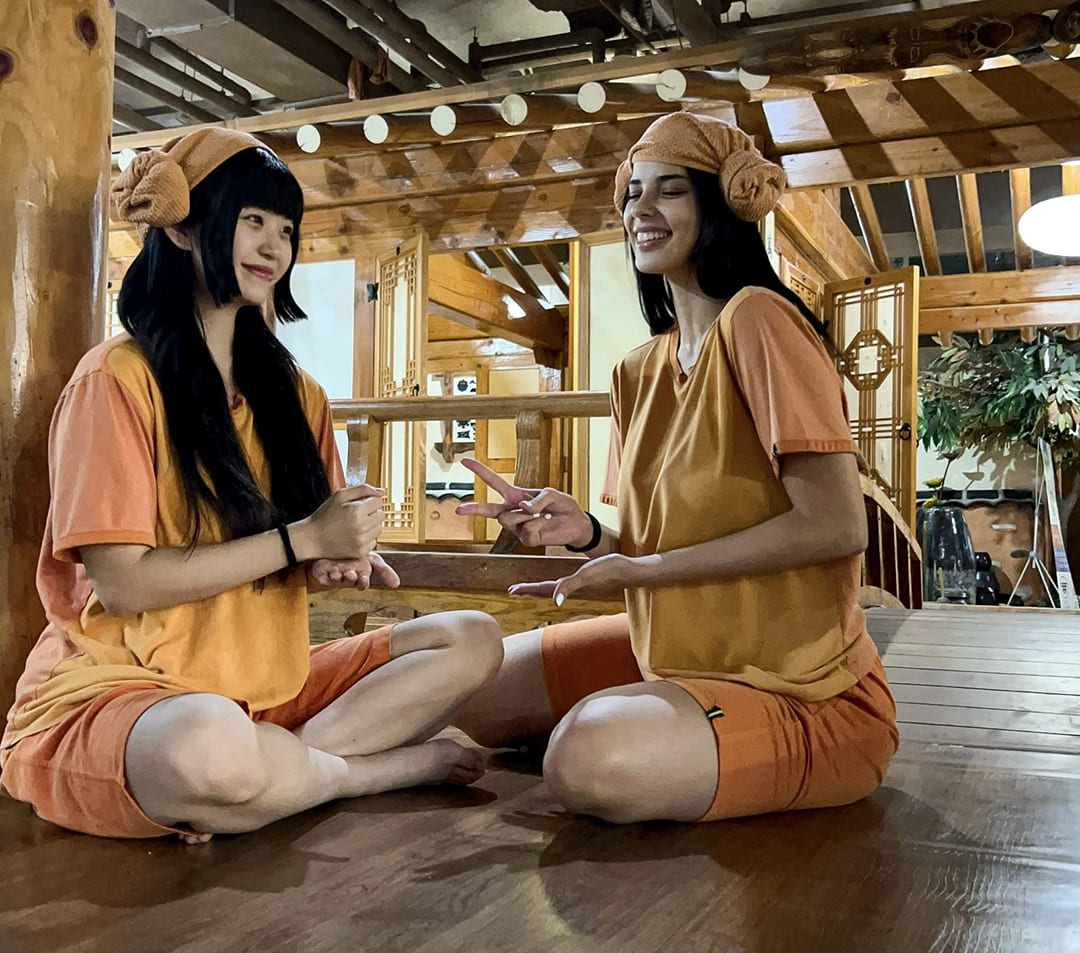
The gym is still the center of my routine, but South Korea introduced me to boxing, which became one of my biggest passions.
I originally became interested in boxing after meeting and being friends with a Korean actor who was filming a drama about boxing. Through him, I became curious about the sport and decided to try it myself.
At first, I was too shy to join group classes, so I paid for private lessons instead.
Today boxing became much more than just a sport for me. The gym remains my foundation, but boxing became my emotional outlet. It’s the place where I release stress, emotions and pressure.
Usually my routine includes:
- Weight training 4–5 times per week
- Boxing 3 times per week (after weight training)
- Swimming, running or tennis on lighter days
- One full rest day every week
Korea made this lifestyle very easy because sports culture there is incredible. There are indoor gyms, boxing clubs, golf centers, baseball facilities and sports spaces everywhere, so staying active became part of daily life naturally.
Namita Nayyar:
You’ve said that “sport is no longer punishment – it’s therapy, balance, happiness and freedom.” For someone currently using exercise as self-punishment, what is the smallest first step you would recommend?
Audrey Martin:
For most of my life, exercise was punishment. I trained because I hated my body, because I gained weight or because I felt guilty after eating. If the scale didn’t go down, I thought I needed to suffer more.
The biggest transformation in my life wasn’t physical — it was mental. What truly changed me was education.
Learning about nutrition, hormones, metabolism and how the body actually works completely destroyed the toxic beliefs I had growing up.
I realized food was not my enemy. Food was fuel. It was what allowed my body to become stronger, healthier and more capable. The first step I would recommend to someone struggling with exercise as punishment is to stop associating movement with guilt. Movement should reconnect you to your body, not make you hate it more.
Namita Nayyar:
You’ve visited more than 50 countries. Which three destinations most profoundly changed your perspective on health, body image, or happiness – and why?
Audrey Martin:
South Korea, Japan and Italy probably changed my perspective the most regarding health, happiness and body image. South Korea changed my relationship with discipline, self-care and ambition. Korean culture inspired me deeply because people genuinely invest in becoming the best version of them physically and mentally.
Japan changed my understanding of food and longevity. I spent time in Okinawa studying the famous Blue Zone lifestyle and became fascinated by how much quality ingredients, movement, social connection and simplicity affect long-term health.
Italy taught me emotional connection to food, family and human relationships. Each country gave me a different version of what happiness can look like.


Namita Nayyar:
You often travel alone and seek extreme experiences: the Arctic, ice baths, the Amazon rainforest, remote jungles, indigenous tribes. What do you think you’re searching for when you push yourself that far outside your comfort zone?
Audrey Martin:
I think what I’m searching for when I push myself outside my comfort zone is perspective, resilience and freedom from fear. My goal in life is honestly very simple: I want to die without regrets. I want to die knowing that I experienced as much of life as possible, that I pushed myself beyond my limits and that I truly lived instead of simply existing.
That’s why I constantly seek extreme experiences, difficult environments and situations that challenge me mentally. Whether its ice baths in Sweden at -17°C, jungles in the Amazon, remote villages, scuba diving or traveling completely alone, I think what I’m really doing is training my mind. I often compare it to a vaccine for the brain.
Just like vaccines expose the body to controlled stress so it learns how to respond and become stronger, I expose myself to discomfort, uncertainty, fear and difficult situations so my mind learns how to adapt instead of panic.
Every difficult experience leaves me with something valuable:
- More resilience,
- More calmness,
- More confidence,
- More perspective.
But travel also changed me philosophically.
I grew up mainly between Italian and Moroccan culture, which naturally shaped my first beliefs about life, politics, religion, happiness and success. Traveling taught me that no culture owns the absolute truth. Every country has a completely different idea of happiness, family, beauty, work and freedom.
That realization changed me deeply because it made me understand that I wanted to form my own opinions through experience instead of simply inheriting the ideas around me.
Namita Nayyar:
Tell us about a solo travel moment where you felt genuine fear. How did you handle it, and what did that experience teach you about resilience?
Audrey Martin:
One of the scariest moments of my recent life was actually related to South Korea. At one point, I was temporarily unable to re-enter the country because of visa-related administrative issues, and emotionally it was incredibly difficult for me because Korea had already become home in my heart.
It was one of the first times in my life where I truly felt powerless and uncertain about the future. I panicked at first because suddenly I realized how attached I had become emotionally to that country, to my life there, to my friends and especially to my relationship.
But over time, I processed the situation calmly and realized that mistakes happen and that life is about learning how to handle those moments maturely instead of destroying yourself emotionally. That experience taught me responsibility, patience and emotional resilience. It also made me realize even more strongly how much South Korea means to me and how badly I genuinely want to build a stable and future there long-term.

Namita Nayyar:
One of your core messages is: “A healthy body is not necessarily an extremely thin body.” How do you respond to followers who say, “But I feel my best only when I weigh 48 kg”?
Audrey Martin:
I always try to explain that thinness alone is not health. A healthy body is not simply a low number on a scale. A healthy body is a body with healthy hormones, healthy blood values, healthy bones, energy, strength, balance and enough muscle mass to support long-term health.
A woman weighing 48 kg can absolutely be less healthy than a woman weighing 80 kg who trains consistently, walks daily, eats nutritious food and has strong muscles and healthy habits. I think sometimes people confuse “feeling mentally safer” at a lower weight with actually being healthier physically. Those two things are not always the same.
Today my priority is no longer extreme thinness. My priority is building a body that stays healthy, functional and strong long-term, even into old age.

Namita Nayyar:
You’ve mentioned that a woman can weigh more and still be slim, athletic, and healthy. Do you still weigh yourself today? If so, how has your relationship with the number on the scale changed?
Audrey Martin:
Yes, I still weigh myself sometimes, but my relationship with the scale completely changed.
Today I understand that body weight depends on so many factors:
- Muscle mass
- Bone density
- Hormones
- Water retention
- Height
- Inflammation
- Stress
- Sleep quality
- Genetics
- Body composition
Two women can weigh exactly the same and look completely different. One thing I always try to show online is that a woman can weigh much more than society expects and still be lean, feminine, athletic and beautiful.
I often post old videos and photos of myself when I weighed around 74–77 kg because at that time I was extremely muscular, strong and healthy. Most people are shocked when they realize that because visually they assume much lower numbers.
That’s exactly why I think people need to stop obsessing over the scale and start understanding the body more deeply.
Namita Nayyar:
Your content contrasts fearless adventure (skydiving, extreme sports) with a very feminine aesthetic (self-care, appearance, elegance). Why is it important for you to show that strength and femininity can coexist without contradiction?
Audrey Martin:
I love showing that femininity and strength can coexist because I think society still tries to separate those things too much. There’s still this stereotype that feminine women should only do “soft” activities while sports like boxing, scuba diving, skydiving or adventure are somehow masculine. I completely disagree with that mentality.
I love beauty, elegance, skincare, fashion and dressing femininely while also loving boxing, adrenaline, adventure and physical challenges. I do extreme sports because they make me feel alive. They force me to overcome fear and prove to myself that I’m stronger than I thought. Every time I face something difficult, my confidence grows because I realize I’m capable of more than I imagined. And I think women should never feel forced to choose between softness and power.
Namita Nayyar:
Given your history with food disorders, how do you approach nutrition now? Do you follow a specific dietary structure (e.g., intuitive eating, macro tracking, Mediterranean diet) – and what does a typical day of eating look like for you?
Audrey Martin:
Today my relationship with food is much healthier and more balanced. For many years I counted calories very strictly, and honestly, I don’t think calorie tracking itself is unhealthy. It can actually be a very useful tool when used correctly because it helps people understand nutrition and reach physical goals more efficiently.
The problem starts when discipline turns into obsession.
There was a period where I became extremely obsessive. I would remove extra blueberries or grains of rice from my plate because my meal weighted 205g instead of 200g. That is no longer healthy.
Today I focus much more on balance and intuition. I still understand calories and macronutrients very deeply because I’ve studied nutrition for over ten years at this point, but now I try to approach food in a healthier and more flexible way. I no longer plan every single meal obsessively.
Usually I simply buy fresh and healthy ingredients two or three times per week and naturally create balanced meals throughout the day:
- Enough protein
- Vegetables
- Fruits
- Healthy fats
- Carbohydrates
- Fiber
Because of my years in South Korea, my diet became a mix between Mediterranean and Korean cuisine.
Living in Korea also changed my relationship with overeating because the culture there generally focuses a lot on balance, moderation and consistency.
Namita Nayyar:
Living in South Korea, known for its innovative skincare, what is your current skincare routine? Are there any K-beauty products or rituals you swear by?
Audrey Martin:
Living in South Korea completely transformed my relationship with skincare and self-care.
Before moving there, I never paid much attention to skincare. But Korean beauty culture taught me that taking care of your skin is not about perfection — it’s about consistency, prevention and self-respect.
My routine is relatively simple but very hydration-focused.
During the day I usually do:
- Double cleansing
- Toner
- Vitamin C serum
- Moisturizer
- Sunscreen every single day
Some of my favorite Korean skincare brands are:
- Round Lab — especially their famous sunscreen, which I always bring back from Korea for myself and my family
- Torriden — I love their hyaluronic acid hydration line
- Manyo — especially the Pure Cleansing Oil and cleansing foam
- Sulwhasoo — for more nourishing and luxurious skincare
- Aestura — especially for barrier repair and hydration
- Centella-based products because they calm and repair my skin so well
- COSRX — which I think is one of the best Korean brands for simple but effective skincare.
Korea also made me fascinated by aesthetic clinics and non-surgical treatments because their technology is incredibly advanced.
Some of the most famous Korean aesthetic treatments I became interested in include:
- Rejuran — the famous “salmon DNA” treatment for collagen and skin healing
- Ultherapy — for lifting and tightening
- Shurink — ultrasound lifting treatment
- Pico laser treatments — for pigmentation and skin tone
- Skin Botox — often used in Korea for pore tightening and smoother skin texture.
What I love most about Korean beauty culture is that it focuses on healthy-looking skin and natural maintenance rather than dramatic changes.
Namita Nayyar:
With all the travel, extreme climates (Arctic to Amazon), surfing and swimming, how do you maintain your hair health? Do you have a specific routine or product that protects it?
Audrey Martin:
Honestly, my hair is probably the area where I’m least disciplined. Because I train, swim and sweat constantly, I wash my hair very often and sometimes I’m honestly too tired to care for it perfectly. There are definitely nights where I come home exhausted from the gym or swimming and accidentally sleep with wet hair, which I know is terrible.
Most of my favorite products are actually Japanese and Korean. I love Dr. FORHAIR from Korea, especially for scalp care, and Japanese brands like Fino and &Honey for hydration and repair. Lately I also became interested in herbal scalp treatments and natural remedies for hair growth that I discovered while living in Korea.
I’m definitely trying to become better at taking care of my hair because constant travel, chlorine, stress and heat styling can damage it a lot over time.
Namita Nayyar:
If you could sit down with your 14-year-old self, the one who first developed anorexia, what would you say to her – and what would you physically show her about your life today?
Audrey Martin:
If I could sit down with my 14-year-old self, the first thing I would tell her is: everything will eventually be okay.
I honestly don’t regret the difficult parts of my life because, as painful as they were, they shaped me into the person I became today.
I grew up without a father, and my mother worked constantly to support three children, so many things in life I had to learn completely on my own. Nobody really taught me how to regulate emotions, make healthy decisions or deal with difficult situations. So many times in life, I acted first and understood the consequences later.
Because of that, I don’t hate my younger self for making mistakes. I would never tell her to stop trying things or protect her from every painful experience because I genuinely believe people learn through experience.
I would simply sit next to her and say:
“If you believe in something, do it. You will make mistakes. You will suffer. You will sometimes feel lost. But little by little, you will become stronger and learn how to handle life.” I wouldn’t even show her who she becomes in the future because part of growth does not know whether things will work out or not.
And honestly, even today I still make mistakes sometimes. But that’s life. I don’t want a perfect life without mistakes. I want a life where I continue evolving, learning and becoming better.
Namita Nayyar:
You went from being controlled by the scale to becoming someone who genuinely cannot imagine life without movement. What is the single biggest mindset shift that made that transformation possible?
Audrey Martin:
The biggest mindset shift for me was replacing fear with knowledge. The more I studied nutrition, hormones, metabolism, fitness and how the body actually works, the more my unhealthy (wrong) beliefs slowly disappeared.
I think ignorance can be very dangerous because when we don’t understand how something works, fear fills the empty spaces. For years I genuinely believed the scale controlled my value as a person because I didn’t understand how complex the human body actually is.
I realized that the number on the scale alone means almost nothing without context. Knowledge became my way of fighting fear.
I replaced irrational fears with facts, and slowly my relationship with my body became healthier because I finally understood what health actually means.
Namita Nayyar:
Have you ever had a relapse or a difficult mental health day in recent years? If so, how do you now navigate those moments without falling back into old patterns?
Audrey Martin:
Yes, absolutely. Healing is never linear. One of the hardest periods of my recent life was when I was temporarily unable to return to South Korea because of visa-related administrative issues. Emotionally, it was devastating because Korea had become home to me. My life, my closest friendships, my routine and my relationship were all there.
At first I panicked and felt extremely overwhelmed because I realized how emotionally attached I had become to that country. But over time, I processed the situation calmly and maturely. I don’t believe in destroying yourself emotionally every time you make a mistake. I think making mistakes is human. What matters understands the problem, taking responsibility and fixing it.
That’s how I approach almost everything in life now:
- Understand the mistake,
- Accept it,
- Learn from it,
- Fix it,
- Move forward calmly.
During the months I spent outside Korea, I also tried to focus on the positive side of the situation. I reconnected with my family in Italy, traveled through countries I still wanted to experience more deeply and focused more on work and personal growth.
At the same time, my Korean boyfriend stayed by my side through everything, and I think facing difficult moments together made our relationship even stronger.
Namita Nayyar:
You’ve been based in South Korea for two years. Do you plan to stay longer, or is there another country or region you want to live in next?
Audrey Martin:
South Korea is still where I see my future. Even though I’ve traveled to more than 50 countries and deeply loved many of them, Korea is the only place that truly feels like home emotionally. At the moment, my boyfriend and I are constantly traveling together between countries while I work toward returning to South Korea legally and building a stable future there.
He is Korean, and we’ve been together for almost two years now. During this period where I’ve been outside Korea more often, we traveled through Italy, Thailand, Indonesia, Japan and Georgia together, and soon we’ll also visit Morocco, Mexico and Norway.
But honestly, no matter where we go, Korea still feels like home to both of us. I genuinely cannot wait to return there, rent a beautiful apartment together, reunite with our cats and rebuild our daily life.
I also feel deeply connected to Korean culture itself:
- The discipline,
- The safety,
- The respect people have toward others,
- The ambition,
- The balance between modernity and tradition,
- The way people quietly take care of each other,
- The food,
- The language,
- The atmosphere of daily life.
Everything about Korea feels emotionally comforting and motivating to me at the same time. Of course, Italy will always remain part of me because it raised me, and maybe one day my boyfriend and I could also imagine spending part of our future there. But if you ask me where my heart truly feels at home, the answer is South Korea.
Namita Nayyar:
What is a dream adventure you haven’t yet done – something that still scares you or feels out of reach right now?
Audrey Martin:
One of my biggest dreams is cave diving. I already scuba dive and currently hold a Rescue Diver certification, but I would love to continue progressing and eventually obtain deeper diving certifications so I can safely explore underwater caves.
I’m fascinated by the silence and isolation of the underwater world. It feels almost meditative to me. Another huge dream of mine is Antarctica. My boyfriend and I already promised each other that one day, after getting married, we want to go to Antarctica for our honeymoon.
I think it perfectly represents the kind of relationship we have:
- Adventure,
- Discovery,
- Pushing limits together,
- And experiencing something unforgettable.
Namita Nayyar:
Five years from now, where do you see yourself, and what message do you hope to be sharing with your community at that point?
Audrey Martin:
Five years from now, I hope I’m married to my current boyfriend and hopefully building a family together.
Ideally I would love to have twins because twins run heavily in my family, but honestly even one healthy child would make me happy.
Professionally, I hope my travel consultancy agency continues growing. My goal is not simply to organize vacations. I want to completely change the way people experience travel. I don’t like superficial tourism where people arrive somewhere for two days, take photos and leave without understanding anything about the culture or people.
The way I travel is much deeper and slower.
I spent:
- four months in Japan
- one month in Indonesia
- one month in Tanzania
- two months in Brazil
- almost two years in Portugal
- nearly two years total in South Korea
- almost two months in Thailand
- weeks traveling through Laos, Vietnam and Cambodia.
I love living inside cultures instead of simply observing them from outside.
The most valuable part of travel for me has never been landscapes alone — it’s always been the people:
- Their idea of happiness,
- Their relationship with family,
- Their mentality toward work,
- Their emotional values,
- Their way of living life.
That’s exactly what I want to share through my business. I want to help people experience countries deeply and emotionally instead of simply consuming destinations. And honestly, one of my biggest dreams is that one day this becomes something my boyfriend and I build together because he also deeply loves travel and cultural exploration.
Namita Nayyar:
Finally, if a young woman today is struggling with anorexia, bulimia, or binge eating, and feels completely trapped by her scale and her reflection – what is the one sentence you want her to hear from you?
Audrey Martin:
If I could say one thing to a young woman struggling with anorexia, bulimia or binge eating, I would say this:
Your body is not the problem. Your mind is suffering. And because of that, my biggest recommendation will always be therapy.
I personally don’t feel comfortable giving strict diet or mental health advice because I’m not a doctor, and I think these topics are far too delicate for simplistic advice online.
Every person is different.
Every story is different.
What worked for me may not work for someone else.
But therapy genuinely changed my life.
I’ve been in therapy for four years now, and it was one of the greatest acts of self-love I’ve ever done for myself. I also want people to know that it’s completely okay to change therapists. When I first tried therapy, I thought therapy simply “wasn’t for me.” After a few sessions, I quit because I felt disconnected from the therapist I had chosen.
A year later, I decided to try again. The first consultation still didn’t feel right, but then I found the therapist I still work with today, and everything changed.
So I always tell people:
Don’t be afraid to keep searching until you find someone who truly understands you.
And most importantly:
Don’t try carrying everything alone.
Healing takes time, but you deserve to feel peaceful inside your own mind and body.
Audrey Martin Social Media Presence
Instagram: https://www.instagram.com/iamaudreymartin/
This interview is exclusive and taken by Namita Nayyar, President of womenfitness.net, and should not be reproduced, copied, or hosted in part or in full anywhere without express permission.
All Written Content Copyright © 2026 Women Fitness