



A specialist’s look at the physical, hormonal, and workload factors behind chronic fatigue in working women — and what actually helps.
Ask around any office, and you’ll hear a version of the same sentence: “I just feel exhausted, all the time.” Not sleepy-after-lunch tired — the kind that doesn’t lift with a good night’s sleep or a strong coffee. It’s one of the most common complaints doctors hear from working women, yet it rarely gets investigated. It gets waved off as “just stress.”

The truth is usually more specific. Fatigue in office-based working women tends to come from a handful of overlapping, identifiable causes — physical, hormonal, and lifestyle-related.
Reasons for Chronic Fatigue
Eight overlapping causes doctors see most often
- Iron deficiency. Often missed because standard checkups test haemoglobin, but not ferritin (iron stores). Menstruation makes women far more prone to low iron, and low ferritin alone — before anaemia sets in — can cause fatigue and brain fog.
- Thyroid Imbalance. An underactive thyroid is far more common in women and often develops quietly in the late 20s to 40s. Fatigue, weight gain, and feeling cold are classic signs mistaken for “just being overworked.”
- Sleep debt that doesn’t look like sleep debt. Six to seven hours feels like “enough,” but consistent short sleep builds a debt the body never fully repays. Late-night screen time also lowers the quality of the sleep that does happen.
- The Sedentary Trap. Sitting 8+ hours slows circulation and — counterintuitively — makes the body feel more tired, not less. A short walk often restores energy faster than a nap does.
- Vitamin D and B12 gaps. Indoor office life and limited sun exposure make vitamin D deficiency common; B12 gaps are common too, especially on plant-heavy diets. Both are directly tied to energy metabolism.
- The “double shift.” Many working women come home to a second full workload — household, childcare, caregiving — on top of a full-time job. It’s a form of chronic cognitive load that a blood test won’t catch but energy levels will.
- Hormonal fluctuation. Energy naturally dips before a period, and perimenopause — which can start in the mid-30s — brings its own wave of fatigue, often mistaken for “just getting older.”
- Erratic eating. Skipping breakfast and running on coffee causes blood sugar swings that mimic and worsen fatigue — the classic 3 p.m. crash.
What Actually Helps
A specialist’s approach — not just “more sleep, less stress”


- Start with bloodwork, not willpower. A basic panel — ferritin, thyroid (TSH), vitamin D, B12 — is the single most useful first step. Correcting a real deficiency often resolves fatigue faster than any lifestyle change alone.
- Protect sleep timing, not just duration. Consistent sleep and wake times, even on weekends, strengthen the body’s internal clock more than an extra hour of sleep on one random night.
- Move every 60–90 minutes. A 3–5-minute walk or stretch counters the energy drop from sitting better than pushing through and resting only at day’s end.
- Eat protein early. A protein-based breakfast stabilises blood sugar far better than coffee alone, which spikes and then crashes energy.
- Track energy against the menstrual cycle. For many women, fatigue isn’t random — it’s cyclical. Spotting the pattern makes it easier to plan demanding tasks around higher-energy windows.
- Treat the “double shift” as a real workload. This isn’t fixed by exercise or supplements. It usually needs actively redistributing responsibilities at home or naming the invisible load out loud.
- Don’t let “just stress” become a permanent explanation. Stress is real, but it can mask a treatable physical cause. Fatigue lasting more than a few weeks despite reasonable sleep and diet is worth a proper checkup.

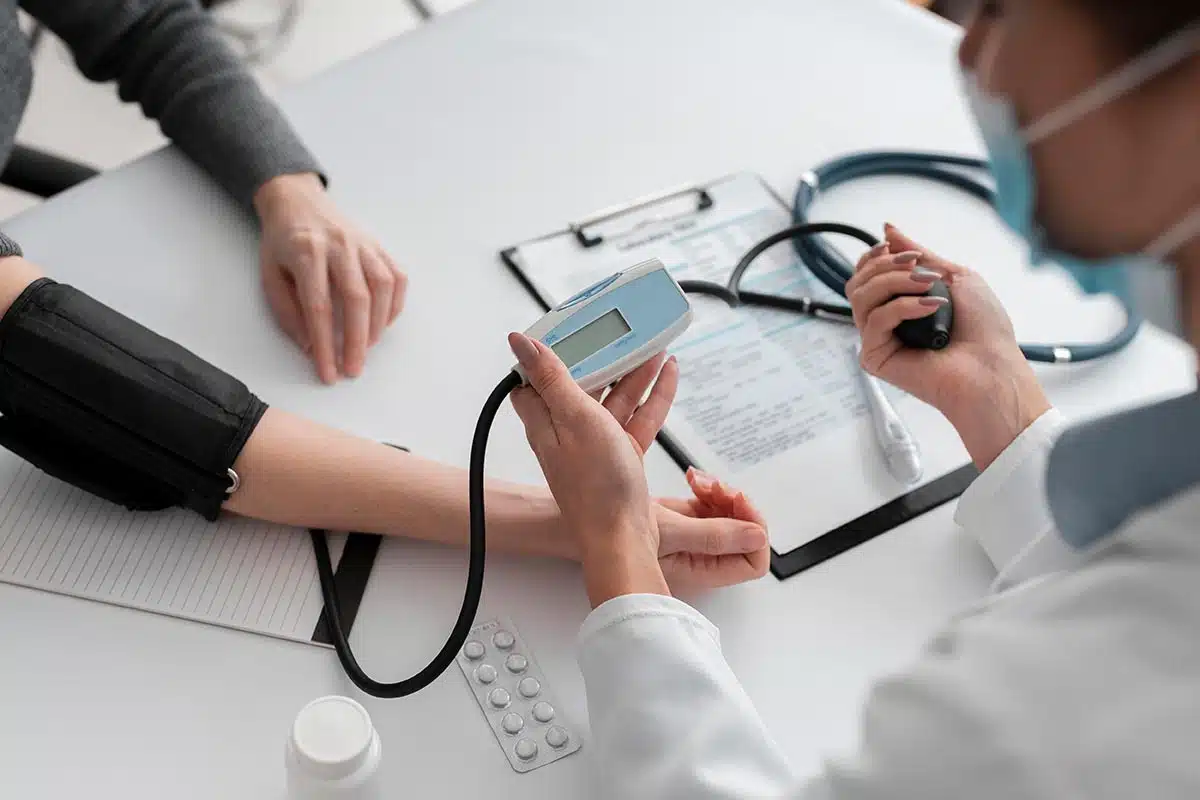
Persistent tiredness among office-based working women is rarely about a lack of willpower. It’s usually a specific, findable mix of physical, hormonal, and workload factors — most of them manageable once identified. The first step isn’t a new supplement; it’s a conversation with a doctor and a basic set of blood tests.