

A stiff, painful shoulder that refuses to move freely can feel incredibly frustrating. Known medically as Frozen Shoulder, this condition often develops gradually and can linger for months if not managed correctly. The good news? The way we approach recovery is evolving—and today’s methods are gentler, smarter, and far more effective.


If you’ve been told to “just stretch it out,” it’s time to rethink that advice. Modern physiotherapy focuses on controlled movement, consistency, and patience—not force.
Why Frozen Shoulder Needs a Different Approach
Frozen shoulder typically progresses through three stages:
- Freezing stage: Pain increases, movement decreases
- Frozen stage: Stiffness dominates
- Thawing stage: Gradual return of mobility
Understanding this cycle is key. What works in one phase may not work in another—making a personalized, mindful approach essential.
Workout Tips for Faster, Safer Recovery
- The Golden Rule: Move, Don’t Force
One of the biggest shifts in recovery science is this:
- Pain is not progress.
Stretch only until you feel mild tension—not sharp discomfort. Overstretching can worsen inflammation and delay healing.
- Start with Gentle Mobility (Not Strength Training)
Before picking up weights, restore movement. Begin with passive exercises, where your body or the opposite arm helps guide motion.

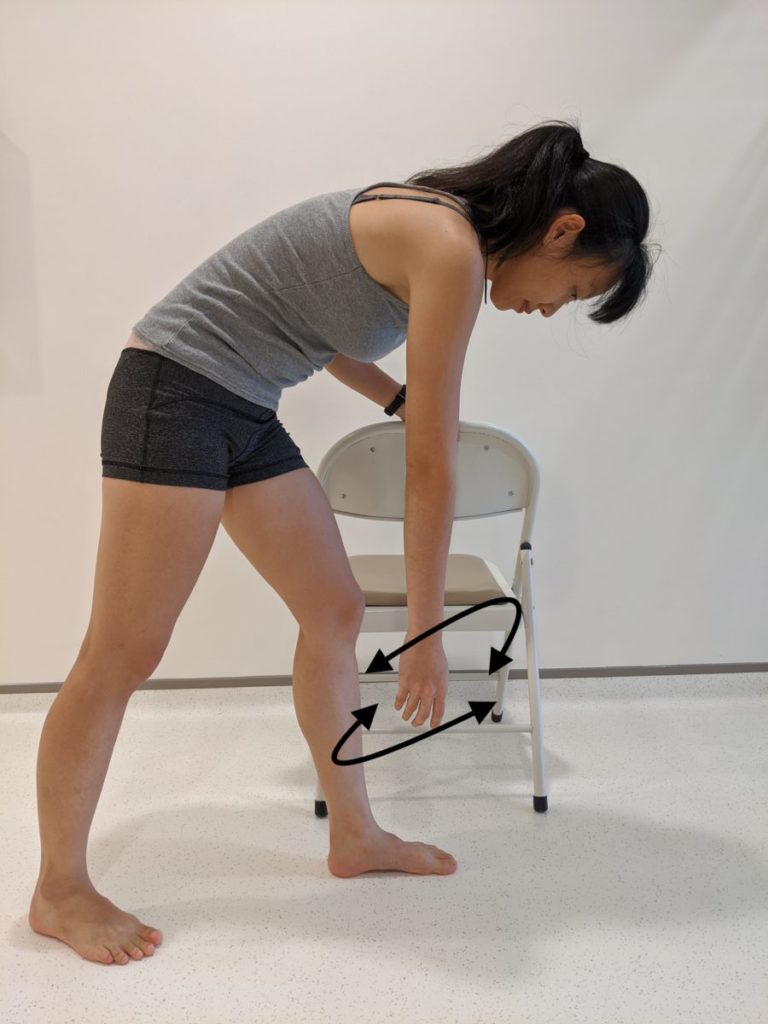
Try this: Pendulum Swings
Lean forward and let your arm hang freely. Gently swing it in small circles.
- Reduces stiffness
- Improves joint lubrication
- Heat Before, Ice After
This simple pairing is a game-changer:
- Apply heat before exercise to relax muscles
- Use ice after to calm inflammation
It’s one of the most recommended rehab strategies today—and for good reason.
- Micro-Workouts Are the New Normal
Instead of one long, exhausting session, break it up:
5–10 minutes
2–3 times a day
Consistency beats intensity every time.
- Wall Walks for Gradual Progress
A classic move is making a strong comeback:
- Face a wall
- Slowly “walk” your fingers upward


This is:
- Safe
- Effective
- Builds confidence in movement
This is especially helpful for regaining overhead mobility.
- Breathe Through the Movement
Blending movement with mindful breathing can reduce pain and tension:
- Inhale as you lift your arm
- Exhale as you stretch
This small shift can make exercises feel smoother and more controlled.
- Add Resistance—But Only When Ready
Strength training matters, but timing is everything:
- Start resistance bands only in later stages
- Keep movements slow and controlled
Rushing into strength work too early can set you back.
- Don’t Ignore Your Posture
Your daily posture plays a huge role in recovery:
- Avoid slouching
- Keep shoulders relaxed and aligned
Add simple moves like scapular squeezes to support healing and prevent recurrence.
Daily Routine You Can Follow
- Warm-up (heat pack): 10 minutes
- Pendulum swings: 2 minutes
- Wall walks: 10 repetitions
- Gentle stretch: 15 seconds × 4
- Cool down (ice pack): 10 minutes
The Secret to Recovery
Healing from frozen shoulder isn’t about doing more—it’s about doing things right. Progress may feel slow, but with regular, mindful movement, your shoulder will gradually regain its strength and flexibility.
Think of it as a journey from restriction to release—where patience, not pressure, leads the way.
Your body isn’t working against you—it’s asking for care, not force. Listen closely, move gently, and trust the process.