


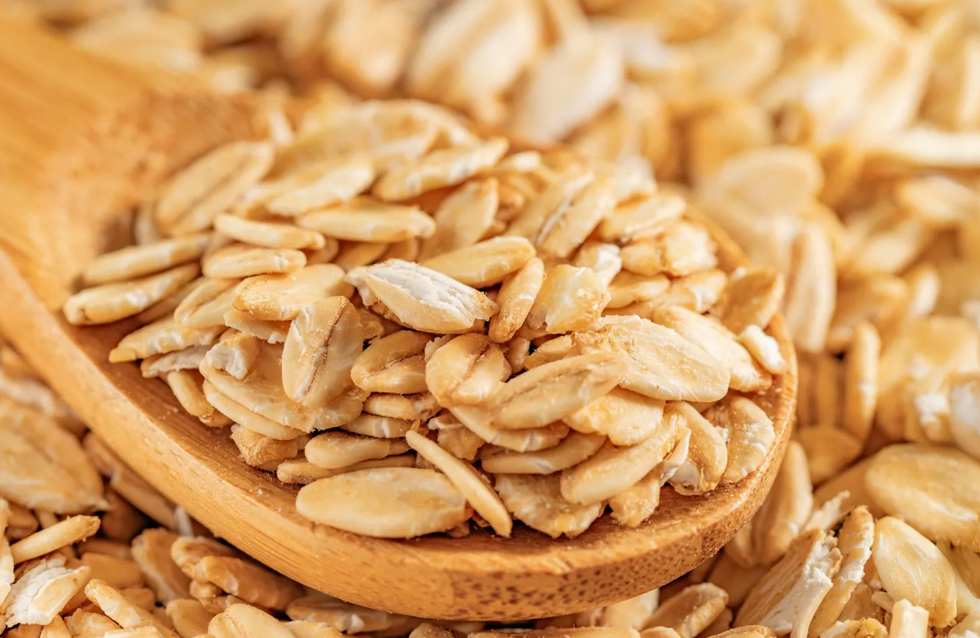
Eating mostly oatmeal for just two days may significantly reduce cholesterol, according to a clinical trial from the University of Bonn published in Nature Communications. The study focused on people with metabolic syndrome, a cluster of conditions that includes excess body weight, high blood pressure, elevated blood sugar, and abnormal blood lipid levels. Participants followed a calorie restricted plan made up almost entirely of oatmeal for 48 hours.
Compared with a control group that also reduced calories but did not eat oats, those on the oat based plan saw a markedly greater improvement in their cholesterol levels. The reduction remained noticeable even six weeks later. Researchers also found that the diet changed the balance of bacteria in the gut. Substances produced by these microbes appear to play an important role in the health benefits linked to oats.
A Historic Diabetes Therapy Revisited
Oats have long been associated with metabolic health. In the early 20th century, German physician Carl von Noorden used oats to treat patients with diabetes, reporting strong results. “Today, effective medications are available to treat patients with diabetes,” explains Marie-Christine Simon, junior professor at the Institute of Nutritional and Food Science at the University of Bonn. “As a result, this method has been almost completely overlooked in recent decades.”
The volunteers in the new study did not have diabetes, but they did have metabolic syndrome, which raises the risk of developing the disease. This condition is defined by excess weight, high blood pressure, elevated blood sugar, and disorders of lipid metabolism. “We wanted to know how a special oat-based diet affects patients,” says Simon, who is also a member of the Transdisciplinary Research Areas “Life & Health” and “Sustainable Futures” at the University of Bonn.
300 Grams of Oatmeal Per Day
During the intensive phase, participants ate boiled oatmeal three times daily and could only add small amounts of fruit or vegetables. In total, 32 women and men completed the two day oat based intervention. Each person consumed 300 grams of oatmeal per day and cut their usual calorie intake roughly in half. The control group also reduced calories but did not consume oats.
Both groups experienced some benefits from eating fewer calories. However, the improvements were stronger among those who ate oats. “The level of particularly harmful LDL cholesterol fell by 10 percent for them — that is a substantial reduction, although not entirely comparable to the effect of modern medications,” stresses Simon. “They also lost two kilos in weight on average and their blood pressure fell slightly.”
Lowering LDL cholesterol is especially important for heart health. When LDL levels are too high, cholesterol can build up inside artery walls, forming plaques that narrow blood vessels. These plaques may rupture during physical strain, emotional stress, or spikes in blood pressure. A resulting blood clot can completely block blood flow or travel to the heart or brain, triggering a heart attack or stroke.
Gut Microbiome Changes May Explain the Effect
To understand why oats had this impact, researchers examined the gut microbiome. “We were able to identify that the consumption of oatmeal increased the number of certain bacteria in the gut,” says Linda Klümpen, the study’s lead author. Scientists increasingly recognize that gut bacteria are central to how the body processes food. These microbes generate metabolic byproducts that nourish intestinal cells and support their normal function.
Some of these bacterial products also enter the bloodstream, where they can influence other organs. “For instance, we were able to show that intestinal bacteria produce phenolic compounds by breaking down the oats,” says Klümpen. “It has already been shown in animal studies that one of them, ferulic acid, has a positive effect on the cholesterol metabolism. This also appears to be the case for some of the other bacterial metabolic products.”
At the same time, certain microbes help eliminate the amino acid histidine. Without this process, the body can convert histidine into a compound believed to promote insulin resistance, a hallmark of diabetes mellitus.
Source: https://www.sciencedaily.com/