



By Linzi Martinez
Understanding body composition, visceral fat, muscle mass, subcutaneous fat, and better ways to track real progress and health.

Have you ever noticed that what worked for you in your 20s and 30s no longer works the same way in your 40s, 50s, and beyond?
- Maybe you eat the way you used to and the scale creeps up anyway.
- Maybe you exercise the same amount but your body feels softer.
- Maybe you are working harder than ever and seeing less return.
It is not your imagination. And it is not because you are not trying hard enough. There is a physiological reason.
After 40, your body begins to operate differently. Estrogen starts to fluctuate and eventually decline. Muscle stimulation often decreases because life gets busier and recovery changes. Cortisol becomes easier to elevate. Sleep shifts. Insulin sensitivity can begin to decline.


Your physiology evolves. And when physiology evolves, your strategy must evolve with it. After 40, your body changes. Not because it is “breaking.” But because it is transitioning into a new hormonal and metabolic chapter that requires a smarter, more strategic approach. If you only watch the scale during this phase of life, you will miss the real story. Because after 40, body composition matters more than body weight. The number on the scale does not tell you how much muscle you are carrying. It does not tell you how much visceral fat is surrounding your organs. It does not tell you whether your metabolism is being protected or quietly slowing. But here is the empowering part. We now have the ability to look deeper. With a simple body composition scale, you can get a real glimpse inside your body. You can see how much of you is muscle. How much is fat. Where it is stored. How your metabolism is trending. You can track change at the cellular level.
- Instead of guessing, you can measure.
- Instead of fearing change, you can understand it.
- Instead of feeling frustrated, you can adjust strategically.
This is not about obsessing over numbers. It is about gaining clarity. Because when you understand what is happening inside your body, you can take control of it. And that is powerful.
Why Every Woman Over 40 Should Own a Body Composition Scale
If your physiology is evolving, your feedback system needs to evolve with it. Today’s body composition scales are widely available, easy to use, and not expensive. Many reliable models use bioelectrical impedance, a safe, low-level electrical current that passes through the body to estimate fat mass, muscle mass, water percentage, visceral fat, and more.

They do not just show your weight. They show what your weight is composed of. And after 40, that distinction becomes essential. Because during this stage of life, change does not always show up in obvious ways.
- You can lose weight and lose muscle
- You can stay the same weight and lose fat
- You can gain muscle while your waist shrinks
- You can look lean and still carry high visceral fat
The traditional scale reflects total mass. A body composition scale reflects metabolic health. It gives you insight into muscle preservation, fat distribution, hydration status, and internal risk markers that the standard scale simply cannot reveal.
For women navigating perimenopause, menopause, and post-menopause, this information is not cosmetic.
- It is protective.
- It is strategic.
- It is empowering.
Because when you can see what is happening inside your body, you can respond intelligently instead of emotionally. And that clarity is what allows you to take action with purpose. Here is what each metric reveals and why it matters more than ever after 40.
1- Weight: Why It Becomes Less Reliable After 40

What This Metric Measures
Weight is your total body mass. It includes:
- Fat
- Muscle
- Bone
- Water
- Organs
- Connective tissue
It is a composite number. It does not differentiate between fat loss and muscle loss. It does not reveal internal inflammation, metabolic health, or body composition quality.
What Happens After 40
- Estrogen begins fluctuating in the 40s and declines further in the 50s and 60s
- Muscle mass naturally starts decreasing if not trained
- Cortisol becomes easier to elevate
- Insulin sensitivity can decrease
- Recovery slows
All of this means the body may hold more water, lose muscle, and redistribute fat, even if scale weight barely changes.
- Two women can weigh 150 pounds.
- One may have high muscle and low visceral fat.
- The other may have lower muscle and higher central fat.
The scale reads the same. Their metabolic health does not.

Why It Matters
If muscle decreases and fat increases, the scale might stay stable, but metabolism slows. Weight alone does not tell you:
- what you lost
- what you gained
- whether your metabolism improved or declined
The Solution
Stop chasing lower weight. Start tracking what makes up the weight.
- Strength train 3 to 4 times per week
- Prioritize protein intake daily
- Sleep consistently
- Manage stress to regulate cortisol
2- Body Fat Percentage: Hormones and Inflammation
What This Metric Measures
Body fat percentage reflects the proportion of your total body weight composed of fat tissue. This includes:
- Essential fat required for hormone production, brain function, and organ protection
- Stored fat located subcutaneously under the skin and viscerally around organs
Fat tissue is biologically active. It produces inflammatory molecules, influences estrogen conversion after menopause, and interacts directly with insulin signaling pathways.
It is not bad. But excess, especially centrally stored, becomes metabolically disruptive.
A Brief Note on Insulin Sensitivity
Insulin is the hormone that helps move glucose from your bloodstream into your cells for energy. When you are insulin sensitive, your cells respond efficiently to insulin.
When insulin resistance develops, your cells stop responding properly. Your body must produce more insulin to manage blood sugar, which can increase fat storage, particularly around the midsection, and raise inflammation.
After 40, declining estrogen and reduced muscle mass make insulin resistance more likely.
The encouraging part? Muscle is one of the most powerful tools for improving insulin sensitivity.
What Happens After 40
As estrogen declines:
- The body tends to store more fat centrally
- Fat tissue becomes a secondary site for estrogen production
- Insulin sensitivity may decline
- Inflammatory signaling can increase
Excess body fat, especially centrally stored, increases:
- inflammation
- blood sugar instability
- cardiometabolic risk
Why It Matters
Healthy body fat ranges can be discussed using verified reference categories. Widely Used Body Fat Categories for Women (General Reference)
- Athletes: 17–20%
- Fitness: 21–24%
- Average: 25–31%
- Obese: 32%+
The goal is not extreme leanness.
Too low can disrupt hormones.
Too high increases inflammatory load.

The Solution
Lower inflammation and improve insulin sensitivity by:
- Following a healthy anti-inflammatory diet rich in vegetables, lean proteins, berries, olive oil, nuts, seeds, and fiber
- Reducing ultra-processed foods and refined sugars
- Preserving muscle with strength training 3 to 4 times per week
- Walking after meals to stabilize blood sugar
- Managing stress and prioritizing sleep
Moderate fat reduction while preserving muscle improves insulin sensitivity and inflammatory balance.
3- Visceral Fat: The Hidden Risk After Menopause
What This Metric Measures
Visceral fat is fat stored deep within the abdominal cavity around:
- Liver
- Pancreas
- Intestines
Unlike subcutaneous fat, visceral fat is highly metabolically active. It releases inflammatory cytokines and hormones directly into circulation, influencing liver function and insulin sensitivity.
It is strongly linked in medical research to cardiometabolic disease risk.

What Happens After 40
With hormonal shifts:
- Fat distribution shifts toward the abdomen
- Visceral fat tends to increase
- Insulin resistance risk rises
Many women can appear thin but have elevated visceral fat.
Why It Matters
On many body composition scales that use a visceral fat rating system (commonly shown as a number from 1 to 59), the reference ranges are:
- 1 to 12: Healthy level
- 13 to 59: Excess level
Alternative Metric: If using a device that measures in units (like cm²), a visceral fat area (VFA) of less than 100 cm² is considered healthy, while 100 cm² or more is classified as high.
After menopause, women are more susceptible to visceral accumulation due to hormonal redistribution.
Visceral fat influences metabolic flexibility, your ability to switch between burning carbohydrates and fat.

The Solution
- Strength train consistently
- Walk daily, especially after meals
- Keep blood sugar stable with protein and fiber at meals
- Lower chronic stress
- Protect and build muscle mass
Visceral fat is often the first fat depot to improve when lifestyle shifts are consistent.
4- Skeletal Muscle: The Tissue That Protects You
What This Metric Measures
Skeletal muscle percentage reflects the proportion of your body composed of contractile muscle tissue, the muscle you consciously control. This muscle:
- Regulates blood sugar
- Stores glycogen
- Supports joints
- Protects the spine
- Drives metabolic rate
- Stimulates bone density
It is one of the most protective tissues in the body.
What Happens After 40
Women begin losing muscle gradually in their 40s. After menopause, the rate can accelerate if resistance training is not present. This process is called sarcopenia. Less muscle means:
- Lower resting metabolic rate
- Higher insulin resistance
- Increased fall risk
- Reduced bone stimulation
Why It Matters
Different scales calculate “skeletal muscle percentage” differently, and the best comparison is against your own baseline and your device’s built-in reference ranges.
The goal is simple: protect and build muscle so your metabolism, blood sugar control, posture, joints, and bone support stay strong as you age.
The Solution
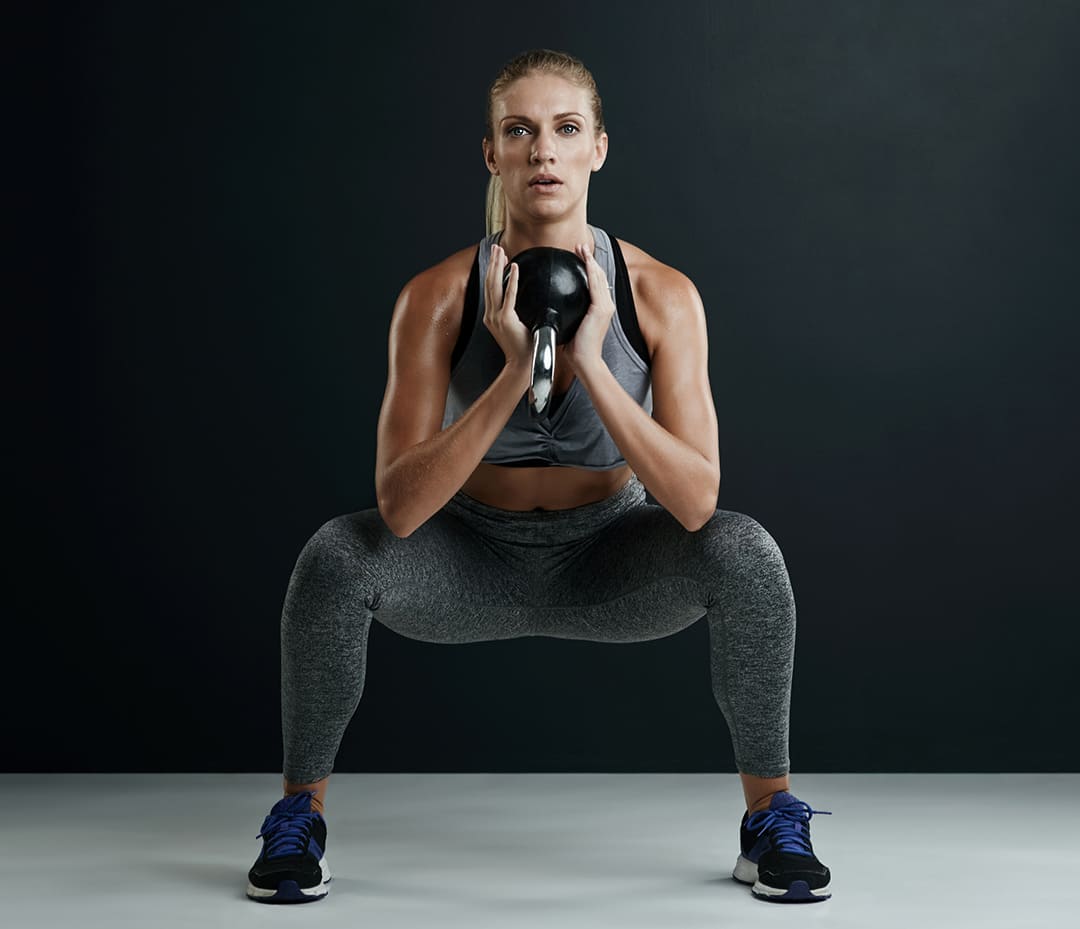
- Progressive strength training 3 to 4 times per week
- Adequate daily protein intake
- Avoiding extreme calorie restriction
- Proper recovery and sleep
Preserving muscle is one of the most powerful anti-aging strategies available.
5- Muscle Mass Pounds: Structural Strength
What This Metric Measures
Muscle mass reflects the total pounds of skeletal muscle tissue in your body. This is the tissue responsible for:
- Strength
- Stability
- Glucose regulation
- Movement efficiency
- Metabolic rate
What Happens After 40
If muscle declines:
- BMR declines
- Fat storage increases
- Energy decreases
- Injury risk rises
Women often diet without lifting weights. This causes muscle loss, not fat loss.

Why It Matters
Muscle mass drives:
- Resting calorie burn
- Glucose disposal
- Stability and posture
- Longevity
Losing muscle while the scale drops is not success.
The Solution
- Lift heavy enough to stimulate adaptation
- Eat enough protein to repair
- Avoid crash dieting
- Track lean mass, not just weight
6- Subcutaneous Fat: Visible Changes After 40
What This Metric Measures
Subcutaneous fat is the fat stored directly under the skin. It is the pinchable fat that influences visible contour.
It serves insulation and energy storage roles, but excess accumulation, particularly centrally, can still impact metabolic health.

What Happens After 40
With hormonal changes and reduced muscle stimulus:
- Subcutaneous fat often increases in the hips, thighs, and midsection
- Skin elasticity changes
- Muscle definition becomes less visible
Why It Matters
Subcutaneous fat is not the same as visceral fat. Visceral fat is the deeper fat around organs that is more strongly associated with cardiometabolic risk, even in women who appear lean.
The Solution
- Strength training
- Improving insulin sensitivity through balanced meals
- Reducing inflammatory foods
- Staying hydrated
7- BMR: Protecting Your Metabolic Engine
What This Metric Measures
Basal Metabolic Rate is the number of calories your body burns at complete rest to sustain life, breathing, heart function, cellular repair, and hormone production.
It is heavily influenced by lean muscle mass.

What Happens After 40
If muscle decreases, BMR decreases. Natural age-related metabolic decline accelerates if muscle is not preserved. Women often respond by:
- Eating less
- Doing more cardio
This lowers BMR further.
Why It Matters
After 40, protecting metabolism is more important than aggressive fat loss.
The Solution
- Build and preserve muscle
- Avoid severe restriction
- Focus on metabolic training
- Support recovery
When fat decreases while BMR stays stable, that is intelligent progress.
8- Bone Mass: Critical After Menopause
What This Metric Measures
Bone mass estimates the mineral content within your skeletal structure. While not a DEXA scan, trends can reflect structural integrity.

What Happens After 40
Declining estrogen impacts bone remodeling in the 50s and beyond. Bone density loss risk increases in the 60s if not addressed.
Why It Matters
Bone health determines:
- Fracture risk
- Posture
- Mobility
- Independence
Muscle pulls on bone. That pull stimulates bone strength.
The Solution
- Resistance training with progressive overload
- Weight-bearing exercises
- Adequate protein
- Vitamin D and mineral support
Strength training is skeletal protection.
9- Body Water and Cellular Function
What This Metric Measures
Body water percentage reflects intracellular and extracellular fluid levels. Muscle tissue holds significantly more water than fat tissue.
What Happens After 40
Hormonal shifts affect fluid balance.
Muscle loss lowers total body water.

Healthy Body Water Reference Range
A clear, verifiable reference range used by major consumer-health sources for adult women is: Women: 45% to 60% Hydration influences:
- metabolic function
- inflammation
- digestion
- recovery
The Solution
- Maintain lean mass
- Hydrate consistently
- Support mineral balance
As muscle increases, body water percentage improves naturally.
What Women Over 40 Should Track Instead of Just Weight
- Body fat percentage
- Skeletal muscle (and muscle trends)
- Visceral fat rating
- Lean mass
- Strength progression
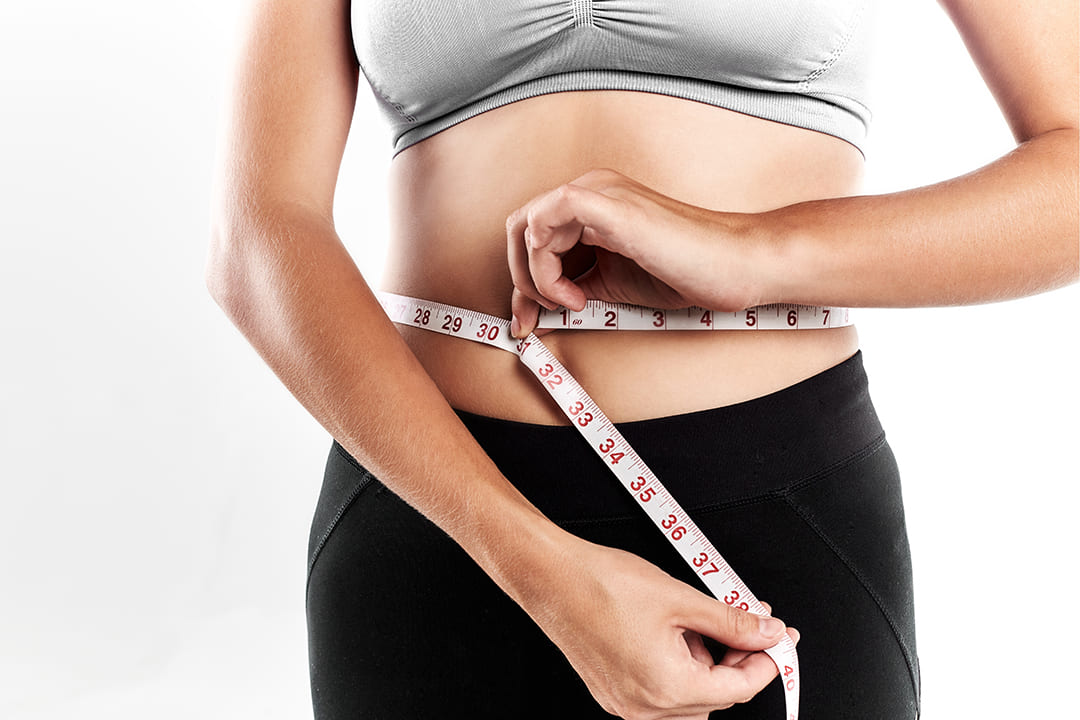
- Waist circumference
- Energy levels
- Sleep
The goal after 40 is not shrinking.
It is recompositing.
- Lower inflammation with a healthy anti-inflammatory diet.
- Improve insulin sensitivity through strength training and stable blood sugar.
- Preserve muscle with resistance training 3 to 4 times per week.
- Protect bone with progressive overload.
- Support hormones with balanced nutrition, stress management, and recovery.

When strength training and strategic nutrition work together, the change is not surface-level.
- It is cellular.
- It is metabolic.
- It is foundational.
And when health shifts at that level, what the mirror shows is simply proof of something much deeper.
From My Heart to Yours
Aging is not something to fear. It is something to embrace with power.
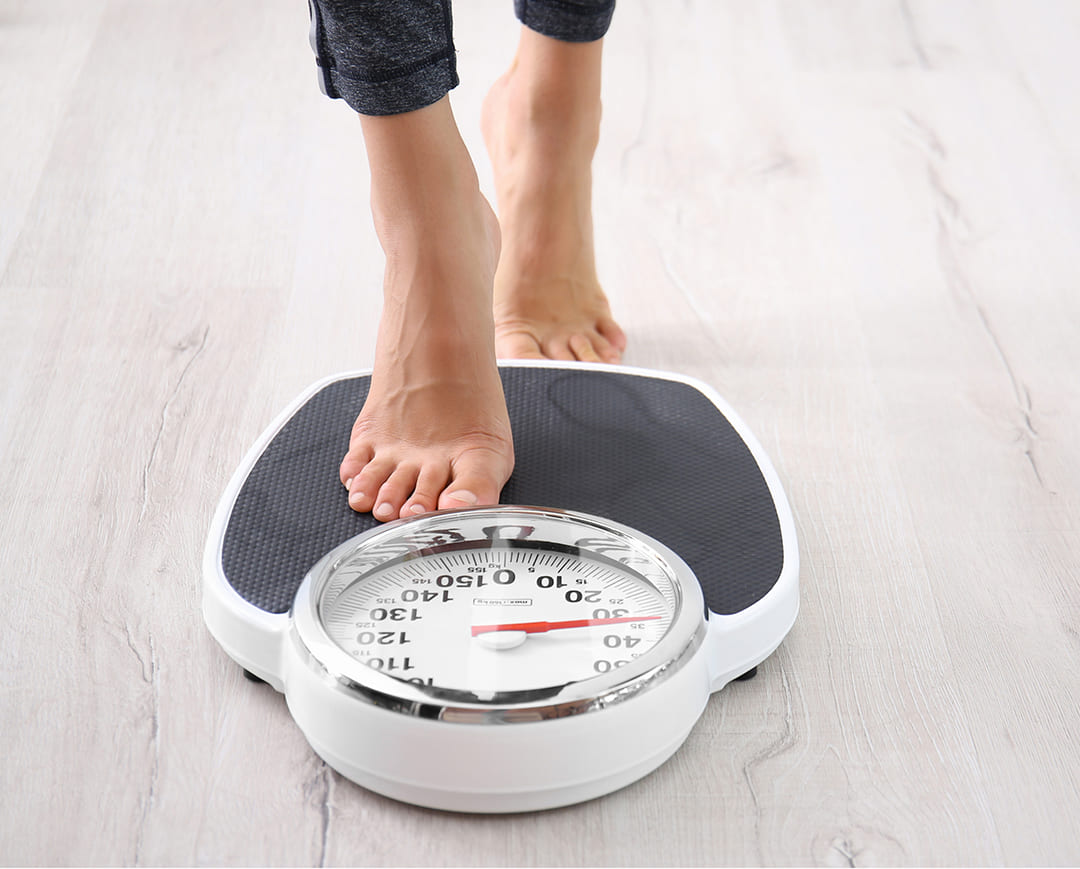
After 40, we are not losing control. We are gaining clarity. We can step on a scale and see beyond a number. We can look inside our bodies. We can track our muscle. We can protect our metabolism. We can lower visceral fat. We can strengthen bone.
We are no longer guessing. We have the ability to measure, adjust, and then watch our bodies respond.
There is something incredibly empowering about seeing your effort reflected in data and then feeling it reflected in your energy, your strength, your vitality.

Healthy aging is not about shrinking. It is about building a body that carries you confidently into every decade ahead.
- You have the tools.
- You have the power.
- You have the choice.
And watching your body change because of your commitment?
- That is powerful.
- That is hopeful.
- That is exciting.
And it is absolutely possible.
About the Author
Linzi Martinez is the founder of LM Elite Physique, a global concierge fitness and nutrition program dedicated to helping women over 40 transform their health through science-backed strength training, metabolic nutrition, and body composition optimization.


A celebrity personal trainer, integrative nutritional health coach, published author, and award-winning television host, Linzi specializes in helping women navigate perimenopause, menopause, and post-menopause with strength, confidence, and clarity. Her approach focuses on preserving muscle, improving insulin sensitivity, lowering inflammation, and supporting long-term metabolic health without extreme dieting or quick fixes.
Through her Elite Physique methodology, Linzi empowers women to understand their body composition, track meaningful progress, and build a body that supports energy, vitality, and longevity.
Learn more about Linzi, her programs, and her work at www.linzimartinez.com