
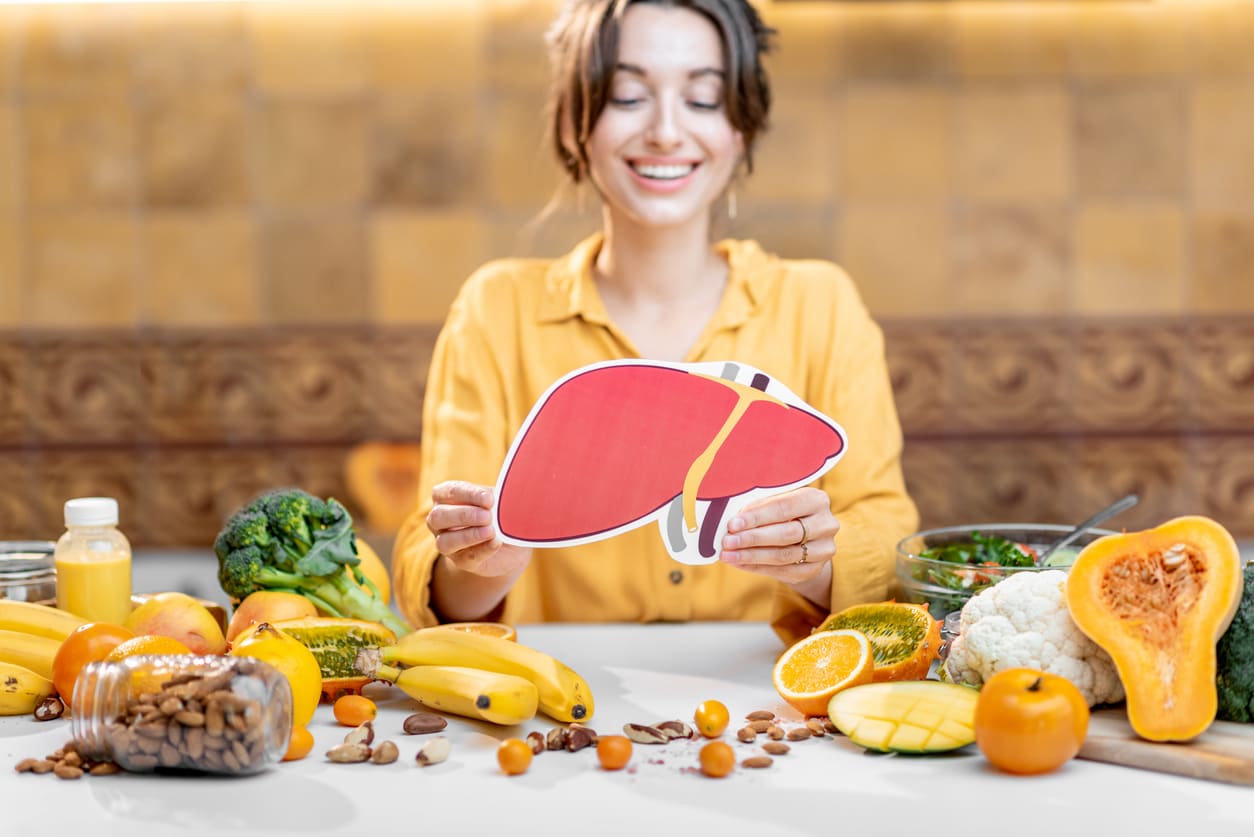
Your liver is your body’s silent multitasker — detoxifying your blood, aiding digestion, storing essential nutrients, and keeping your metabolism balanced. Yet, it’s often overlooked until trouble strikes. With increasing exposure to processed foods, alcohol, medications, and environmental toxins, the liver can easily become overworked. The good news? Your liver has a remarkable ability to regenerate and heal — provided you support it the right way.

Powerful Principles to Improve Your Liver Function Naturally


Avoid all artificial sweeteners, as these are toxic to the liver and cause hypoglycemia and fatigue. If you must have something sweet, have fresh raw fruits, sun-dried fruits, honey, or blackstrap molasses.

Far more people die from overeating than from under-eating, so on the side, eat less once hunger is satisfied. Ignore the bathroom scales, as the aim is to cleanse your body and rejuvenate your entire metabolism, not merely to lose weight. Weight loss will occur hand-in-hand with the improvement in liver functioning. Why stress yourself by noticing how quickly or slowly weight loss occurs?


Many packaged and processed foods are laden with preservatives, yet they are still full of unfriendly organisms in a dormant state. As soon as this food hits your intestines, the preservatives wear off and the bugs begin to grow inside you. Especially avoid preserved meats.


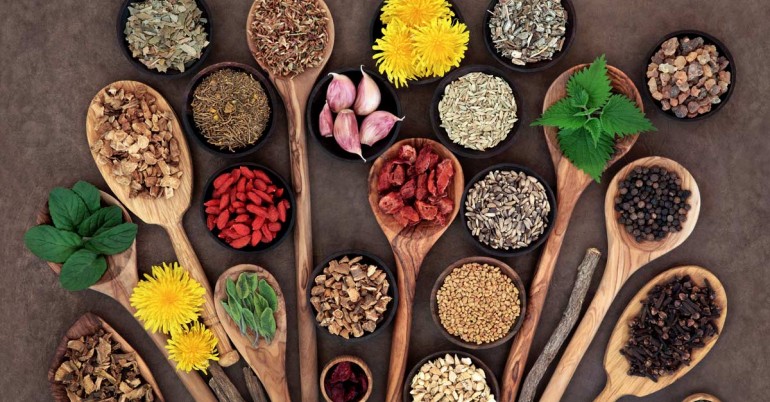
Legumes or `pulses’ are beans (such as Soya beans, kidney beans, etc.), peas, chickpeas, and lentils, and they provide valuable protein, essential fatty acids, fiber, plant hormones, minerals, and B vitamins.

If you are too busy to cook beans, it is acceptable to use canned legumes, and there are many to choose from. If the canned beans contain lots of salt and sugar, rinse them with water before using them.
Seeds – linseed, sunflower, sesame, and pumpkin seeds-are excellent sources of essential fatty acids, protein, plant hormones, and fiber.
Nuts are very rich in unsaturated oils and should only be eaten fresh and raw. If they have been shelled for a long time and exposed to air, their oils will have become rancid. Buy nuts in sealed bags showing a use-by date, or buy nuts still in
their shells.

Vary the types of breads you eat to reduce allergies – try rye, wheat, corn, oats, rice, barley, and others available in health food stores. For something lighter, try rice crackers, Ry-Vita crackers, or yeast-free pita bread. If you are allergic to yeast, try yeast-free breads or a sourdough loaf.
Watch Out
Avoid Constipation by eating plenty of raw fruits and vegetables and drinking water throughout the day. By avoiding constipation, you will avoid the growth of unfriendly organisms in the large bowel. To increase the amount of the friendly acidophilus and other lactobacilli bacteria, you may take powdered forms of these or eat Soya bean yogurt.
Avoid Excessive Saturated or Damaged Fats. These unhealthy fats can cause liver damage with changes typical of a `fatty liver’ similar to that seen in alcohol consumption. Many weight watchers try to follow a completely fat-free diet; however, if this is done for more than four weeks, symptoms of essential fatty acid deficiency will start to occur. Furthermore, your liver function and metabolism will slow down, leading to easy weight gain! Symptoms of essential fatty acid deficiency are: dry and itchy skin, eczema, hair loss, joint pains, reduced fertility, increased rate of miscarriage, depression and poor memory, slow metabolic rate with weight gain, reduced immune function, hormonal imbalances, liver degeneration, fatigue, circulatory problems, degenerative diseases, increased rate of aging, and high triglycerides.
In a simplistic way, we could say that a healthy liver pumps fat out of your body and keeps you slim. Eating the wrong foods for your liver will cause an imbalance in the liver’s production of lipoproteins, so that you will have too much low-density lipoprotein (LDL) and not enough high-density lipoproteins (HDL). This will increase your risk of arteriosclerosis, heart disease, and high blood pressure.
The type of fat you eat daily is so very important to your health and longevity, and will have the greatest influence of all upon your liver function and weight. Take Care of Your Oils. Dietary oils will only take care of us if we take care of them by reducing their exposure to heat, air, and light. Natural food oils, such as those contained in fish, seeds, nuts, avocados, olive oil, and legumes, are protected from light, air, and heat by virtue of the skins, coverings, and shells around them and are fresher and healthier than the bottled versions.
However, for salad dressings, light stir-frying, etc., ideally buy unrefined oils that have been cold-pressed and kept in dark-colored glass bottles to block out the light. Keep your oil in the fridge. Virgin olive oil is generally available and is a good choice because it is cold-pressed and has not been heated, refined, or bleached.
Helpful Foods or Food Components for the Liver
The best vegetables for the liver are carrots and beets because they contain antioxidants, including beta carotene, other carotenoids, and healing flavonoids, which give color to vegetables. These vegetable antioxidants have a healing and cleansing effect on the liver.