


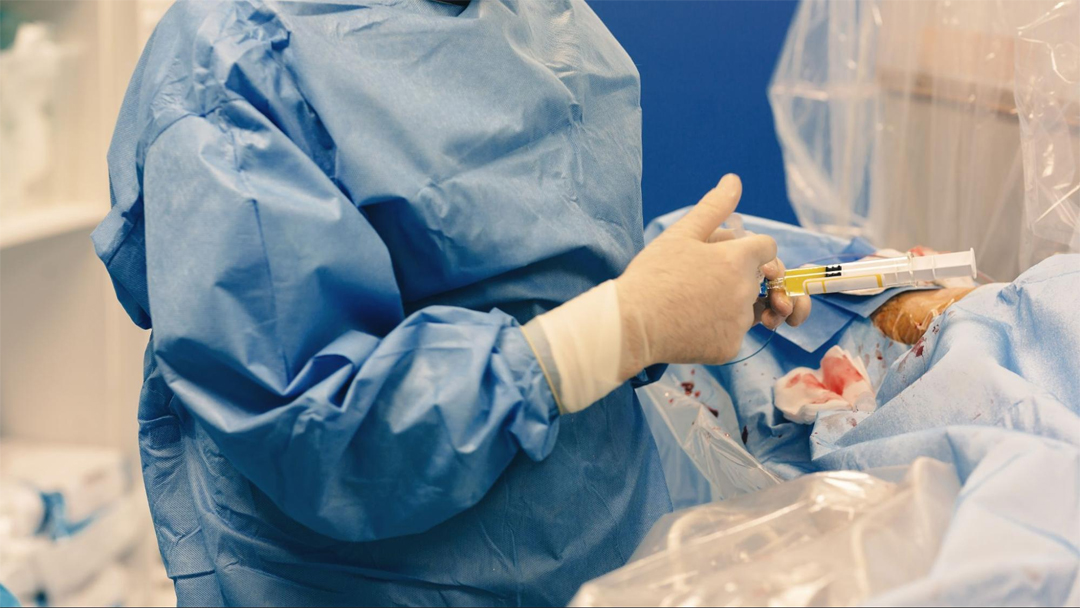
UFE offers another route for treatment against uterine fibroids while preserving the uterus.
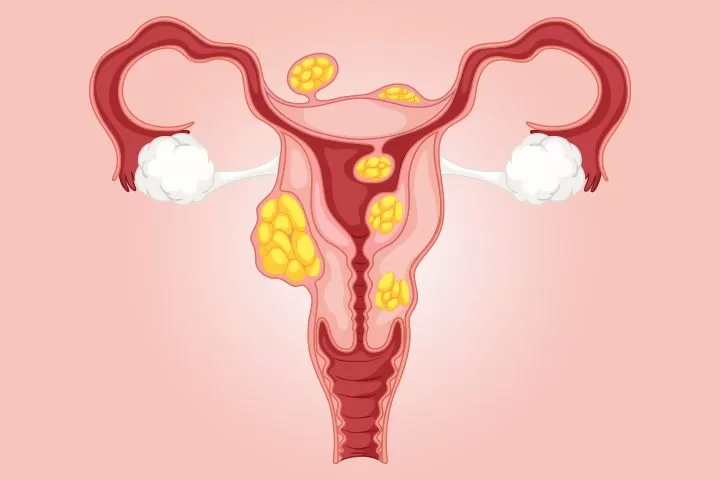
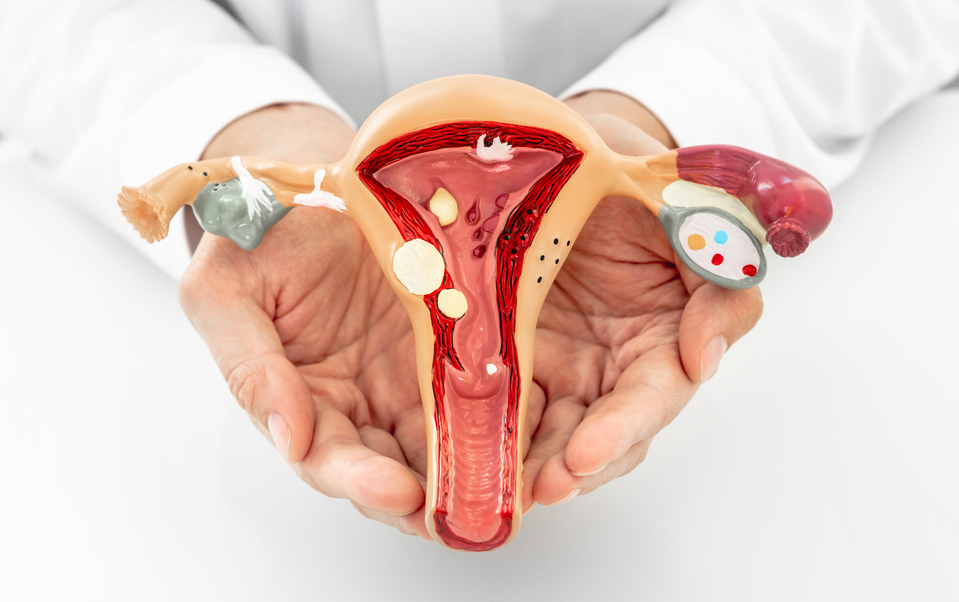
Uterine fibroids are also called fibromyomas, leiomyomas or myomas and usually appear during an adult woman’s childbearing years. Uterine fibroids are noncancerous growths inside the uterus. They affect as many as three out of four women sometime during their lives. Most times, there are no symptoms for the fibroids. The fibroids are not associated with any increased risk of uterine cancer nor are there cases where fibroids developed into cancer.

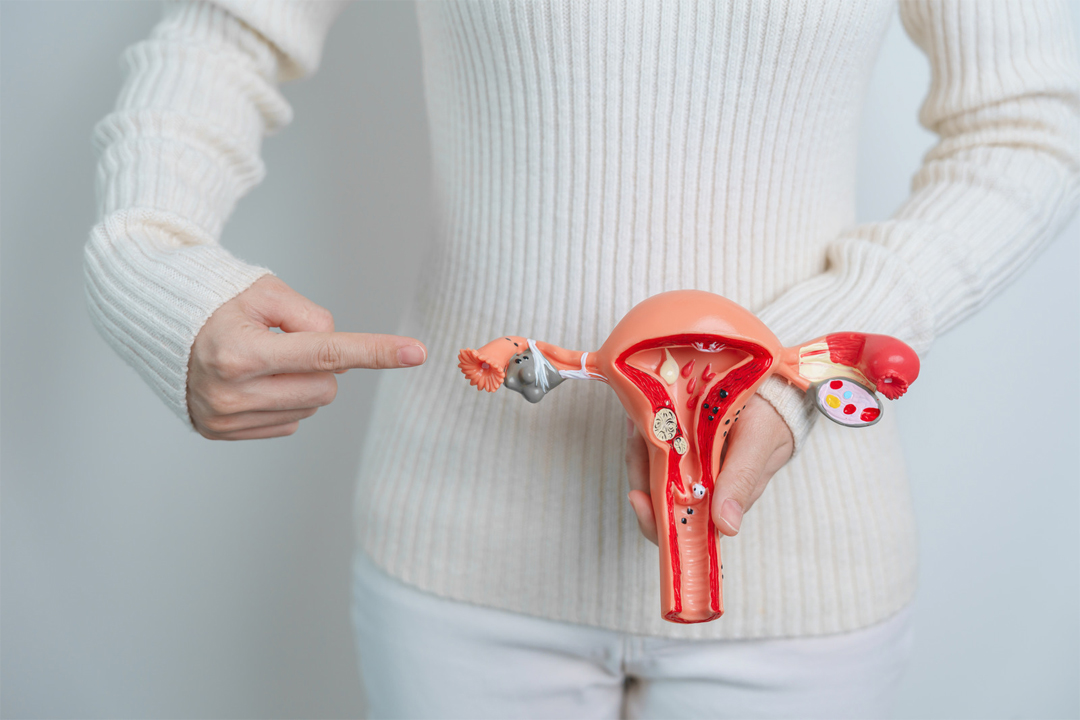
Uterine fibroid embolization (UFE) is a minimally invasive treatment for fibroid tumors of the uterus.
In a UFE procedure, physicians use an x-ray camera called a fluoroscope to guide the delivery of small particles to the uterus and fibroids. The small particles are injected through a thin, flexible tube called a catheter. These block the arteries that provide blood flow, causing the fibroids to shrink. Nearly 90 percent of women with fibroids experience relief of their symptoms.
Note: Because the effect of uterine fibroid embolization on fertility is not fully understood, UFE is typically offered to women who no longer wish to become pregnant or who want or need to avoid having a hysterectomy, which is the operation to remove the uterus.

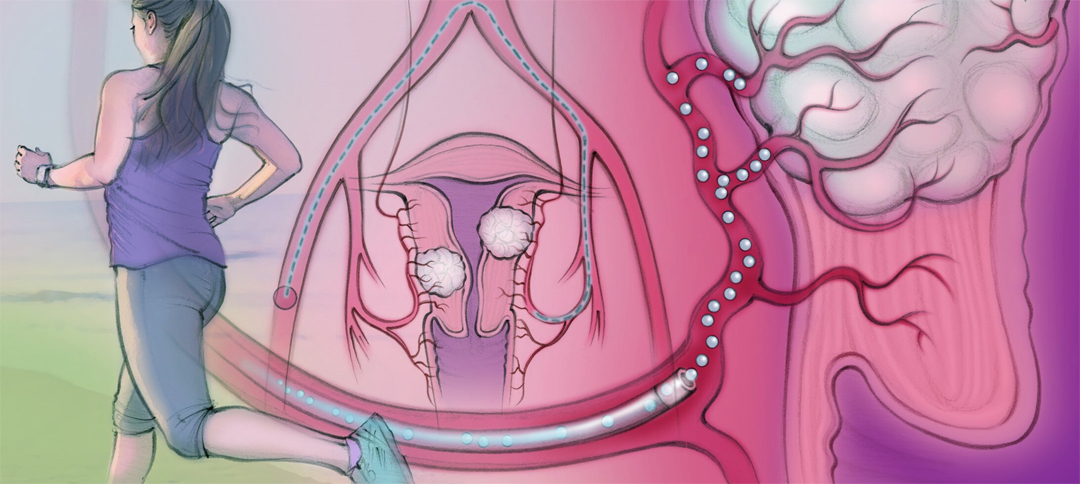
You may be a candidate for uterine fibroid embolization (UFE), also known as uterine artery embolization (UAE), if you fit into any of the following categories:
- Women who are experiencing the symptoms of uterine fibroids
- Women who do not desire future fertility
- Women who want to retain their uterus, and so are pursuing hysterectomy alternatives
- Women who do not desire surgery
- Women who may be poor surgical candidates; i.e. obesity, bleeding disorders, anemia
- Women who are not pregnant
Once you have determined that you may be a candidate for uterine artery embolization based upon the above criteria, then you will need some physician input to help you decide how best to treat your uterine fibroids.

What are the benefits vs. risks?
Benefits:
- Uterine fibroid embolization, done under local anesthesia, is much less invasive than open surgery done to remove uterine fibroids or the whole uterus (hysterectomy).
- No surgical incision is needed�only a small nick in the skin that does not have to be stitched closed.
- Patients ordinarily can resume their usual activities weeks earlier than if they had a hysterectomy.
- Blood loss during uterine fibroid embolization is minimal, the recovery time is much shorter than for hysterectomy, and general anesthesia is not required.
- Follow-up studies have shown that nearly 90 percent of women who have their fibroids treated by uterine fibroid embolization experience either significant or complete resolution of their fibroid-related symptoms. This is true for women with heavy bleeding and for those with bulk-related symptoms such as pelvic pain or pressure. On average, fibroids will shrink to half their original volume, which amounts to about a 20% reduction in their diameter.
- Follow-up studies over several years have shown that it is rare for treated fibroids to re-grow or for new fibroids to develop after uterine fibroid embolization. This is because all fibroids present in the uterus, even early-stage masses that may be too small to see on imaging studies, are treated during the procedure. Uterine fibroid embolization is a more permanent solution than another option, hormone therapy, because when hormonal treatment is stopped the fibroid tumors usually grow back. Regrowth also has been a problem with laser treatment of uterine fibroids.

Risks:
- When performed by an experienced interventional radiologist, the chance of any of these events occurring during uterine fibroid embolization is less than one percent.
- Any procedure where the skin is penetrated carries a risk of infection. The chance of infection requiring antibiotic treatment appears to be less than one in 1,000.
- There is always a chance that an embolic agent can lodge in the wrong place and deprive normal tissue of its oxygen supply.
- An occasional patient may have an allergic reaction to the x-ray contrast material used during uterine fibroid embolization. These episodes range from mild itching to severe reactions that can affect a woman’s breathing or blood pressure. Women undergoing UFE are carefully monitored by a physician and a nurse during the procedure, so that any allergic reaction can be detected immediately and addressed.
- Approximately two to three percent of women will pass small pieces of fibroid tissue after uterine fibroid embolization. This occurs when fibroid tissue located near the lining of the uterus dies and partially detaches. Women with this problem may require a procedure called D & C (dilatation and curettage) to be certain that all the material is removed so that bleeding and infection will not develop.
- In the majority of women undergoing uterine fibroid embolization, normal menstrual cycles resume after the procedure. However, in approximately one percent to five percent of women, menopause occurs after uterine fibroid embolization. This appears to occur more commonly in women who are older than 45 years.
- Although the goal of uterine fibroid embolization is to cure fibroid-related symptoms without surgery, some women may eventually need to have a hysterectomy because of infection or persistent symptoms. The likelihood of requiring hysterectomy after uterine fibroid embolization is low�less than one percent.
- Women are exposed to x-rays during uterine fibroid embolization, but exposure levels usually are well below those where adverse effects on the patient or future childbearing would be a concern.
- The question of whether uterine fibroid embolization impacts fertility has not yet been answered, although a number of healthy pregnancies have been documented in women who have had the procedure. Because of this uncertainty, physicians may recommend that a woman who wishes to have more children consider surgical removal of the individual tumors rather than uterine fibroid embolization. If this is not possible, then UFE may still be the best option.
- It is not possible to predict whether the uterine wall is in any way weakened by UFE, which might pose a problem during delivery. Therefore, the current recommendation is to use contraception for six months after the procedure and to undergo a Cesarean section during delivery rather than to risk rupturing the wall of the uterus during the contractions of labor.