Nutrition of the Cancer Patients
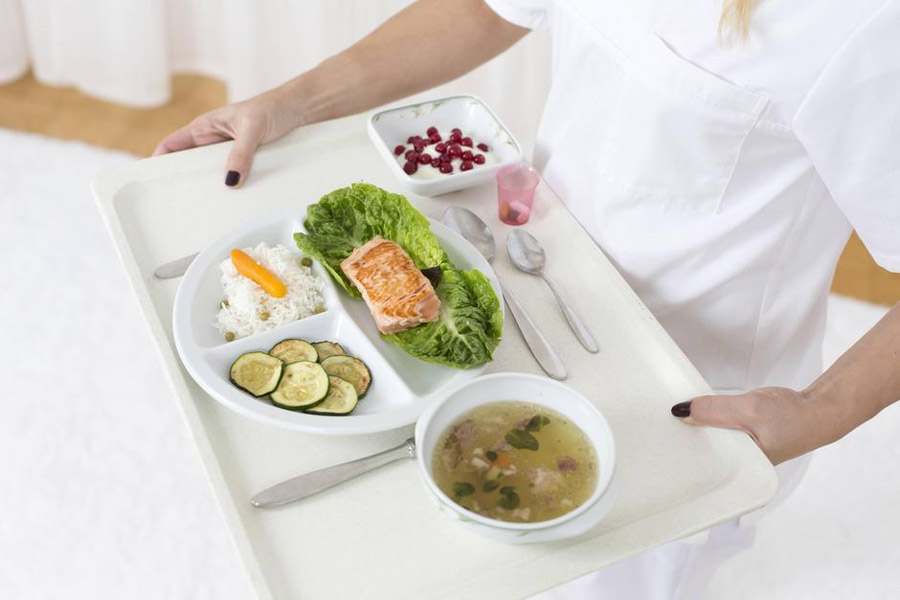
A healthy diet is very important for someone undergoing treatment for cancer. This is a time when there is much demand on the body. There are two main nutritional goals for someone living with cancer. They are :
- To maintain a healthy weight.
- To select and eat healthy foods that supply the body with fuel and nutrients for repair and healing.
This booklet (Reprinted with
permission from the American Institute for Cancer Research) discusses eating for
good nutrition throughout cancer therapy. Nutritional problems
associated with cancer and cancer treatment are presented, along with
tips to help you minimize these eating difficulties.
How Cancer Affects Nutritional Needs
Not only do eating habits and
behaviors often change in a person with cancer, but the way the body
uses nutrients changes as well.
Changes in Eating Habits and Eating Behavior
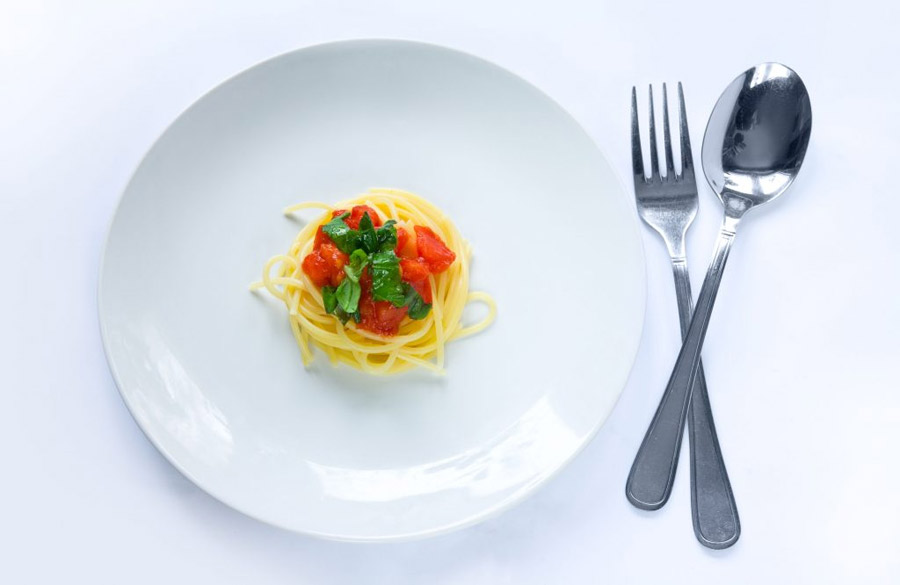
Eating the same types and the same amount of foods you enjoyed before your diagnosis of cancer may sometimes be difficult. Eating less is the usual response, but eating more is not uncommon either.
Side effects of cancer therapy may
affect your eating habits. Some foods may taste less appealing to you
and, as a result, you had before your diagnosis may be aggravated by
cancer and its treatment. For example, if your were sensitive or
allergic to certain foods before your cancer diagnosis, you may become
more sensitive to them.
Coping with changes in your eating
habits may seem overwhelming. You may feel anxious about eating enough
of certain foods. Or you may become afraid of eating the
"wrong" foods and eat very little at all. These reactions are
normal. You can find tips for dealing with nutritional problems you may
be experiencing in section four of this booklet.
Changes in The Way Your Body Uses Nutrients
The way the body uses nutrients is sometimes changed in people with cancer. These changes may be caused by the body's response to the tumor, the side effects of treatment, certain medications or some combinations of these reasons.
It is not uncommon to experience
changes in the way your body handles sugar or in your blood handles
sugar or in your blood sugar level. You may experience hyperglycemia
(high blood sugar). It is less likely you will experience hypoglycemia
(low blood sugar). If you encounter dietitian can advise you on ways to
control your blood sugar through diet.
The
Food
Guide Pyramid lists the recommended number of servings from each
food group. Some cancer patients, however, may have trouble consuming
enough of a wide variety of foods to satisfy nutritional needs.
Common Vitamin and Mineral Deficiencies Experienced by Cancer Patients
| Folate | Vitamin A | Vitamin C | Copper |
| Iron | Magnesium | Zinc |
These individuals may benefit from
a multi-vitamin/mineral supplement. Such a supplement can help people
reach the Recommended Dietary Allowance (RDA) of important nutrients.
Many liquid meal replacement beverages can help satisfy protein
requirements as well. Protein is important to maintain body strength.
It is important, however, not to
take supplements in doses that would raise your intake in excess of the
RDA. Excess amounts of these substances may interfere with the
beneficial effects of certain cancer chemotherapies and or radiation
therapy. If you are concerned about your intake of a specific vitamin or
mineral, speak with your doctor. And always be sure to tell your doctor
which nutrient supplements or herbal preparations you are taking (if
any) and in what amounts.
How Treatment May Affect Nutrition
There are several different
methods of treating cancer. Each may affect your nutritional needs and
your eating habits.
Surgery
Surgery is often the preferred treatment for tumors that have not spread. Through surgery, the tumor and any nearby tissue that may contain cancer cells are removed. Sometimes healthy tissue may have to be removed from around the tumor to help keep the cancer from spreading. Whether or not surgery is used depends on the type of cancer, its location and how much it has spread to other parts of the body.
Surgery can cause temporary or
permanent nutritional challenges. The operation itself will increase
your need for calories to do the extra work of healing. You may be
advised to eat slightly more calories and protein to provide enough
nutrients for healing. Long-term nutritional problems may result when
parts of the digestive system or gastrointestinal (G.I.) tract are
removed or altered through surgery. Difficulty with chewing and
swallowing and poor absorption of nutrients in the intestine may occur.
You can find help dealing with these problems in section four of this
booklet.
Radiation Therapy
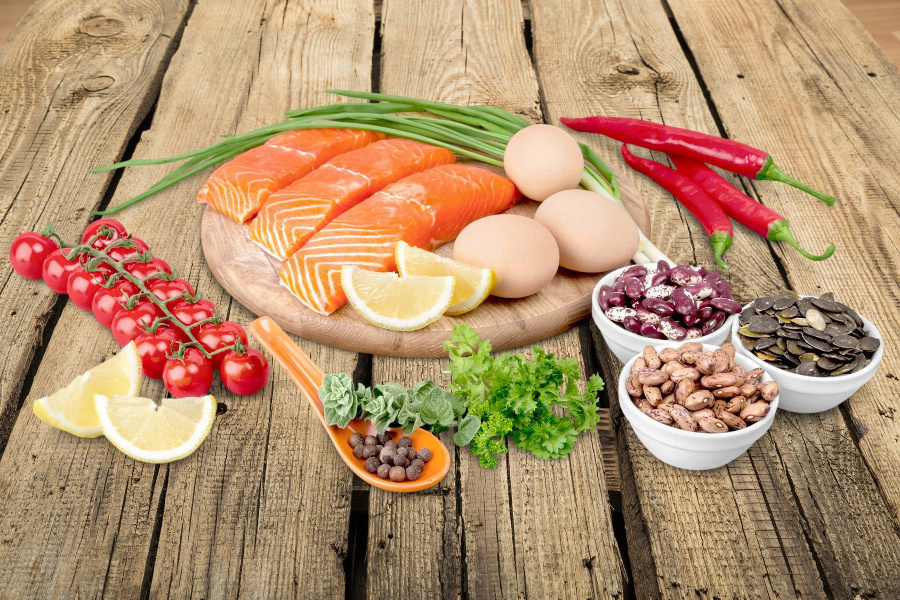
Radiation therapy uses high energy
waves to damage cancer cells so they are unable to multiply. It may be
used either alone or in combination with surgery or chemotherapy.
Radiation may be used before surgery to shrink a tumor or after surgery to destroy any cancer cells that may remain in the area.
Radiation treatments can
lead to nutritional problems just as surgery can. These usually occur
when the G.I. tract is in the treatment and last only a short time, such
as irritation of the mouth, tongue and throat, milk intolerance, nausea,
vomiting or diarrhea. Other problems may appear months after therapy and
are longer lasting, such as dry mouth, stricture or narrowing of the
esophagus and mal-absorption of nutrients. You can find help in dealing
with these problems in section four of this booklet.
Chemotherapy
Chemotherapy is the use of drugs to destroy cancer cells by disrupting their ability to grow and multiply. Chemotherapy may be used alone or along with radiation and/or surgery. Unlike surgery or radiation, chemotherapy is "systemic." This means it can affect the entire body rather than just part of it.
The drugs used in chemotherapy interfere with cells as they divide and reproduce. Cancer cells are affected most because they divide and reproduce more often than normal cells. But normal cells can also be affected, and when this happens side effects may occur.
The most common side effects of
chemotherapy include nausea, vomiting, hair loss and fatigue. Other
common side effects include infection, bleeding and anemia. Some
chemotherapy drugs can cause constipation or diarrhea. Others may cause
a strange taste in the mouth, making eating unpleasant. Still other
drugs can cause water retention and bloating. These effects may lead to
weight loss, weight gain or other nutritional problems. You can find
help in dealing with nutritional problems in section four of this
booklet.
Cancer Surgery and Nutrition
| Area of Cancer | Surgical Procedures | Possible Nutrition Problems |
| Head, Neck, Tongue | Removal of all or part of the affected area | Makes chewing and swallowing difficult. |
| Jaw | Removal of jaw bone | Requires tube feeding |
| Esophagus | Removal (esophagectomy) with reconstruction using muscle from the intestine. | Food may leak into the lungs or the new esophagus may narrow. |
| Stomach | Removal (gastrectomy) or partial removal | Food may travel to the intestines too quickly or low blood sugar may develop. |
| Small intestine | Opening created outside the body (jejunostomy or ilestomy) or removal | Poor absorption of nutrients, vitamin B-12 deficiency, salt and water imbalance, blocked bowels. |
| Pancreas | Removal | Poor absorption of nutrients, diabetes |
| Large Intestine | Removal (colectomy) with or without an opening created outside the body (colostomy) | Poor absorption of nutrients and water. |
Radiation and Nutrients
| Location of Cancer | Area of Treatment | Short-Term Effects | Long-Term Effects |
|
Brain, Mouth, Esophagus, Thyroid |
Head and Neck |
Irritation of mouth, tongue, esophagus |
Dry mouth, tooth decay, stricture of esophagus, loss of taste |
|
Stomach, Liver, Pancreas, Gallbladder, Kidney |
Abdomen |
Irritation of stomach, diarrhea, milk intolerance, nausea and vomiting |
Some of these symptoms may continue in some patients. |
| Breast, Lung | Upper torso |
Irritation of stomach and esophagus |
Some of these symptoms may continue in some patients. |
| Colon, Rectum | Lower torso | Diarrhea |
Some of these symptoms may continue in some patients. |
|
Prostate, Uterus, Ovaries, Cervix, Bladder |
Pelvis |
Diarrhea, mal-absorption |
Some of these symptoms may continue in some patients. |
Hormone Therapy
This treatment may include the use of drugs to block the body's production of hormones, or surgery to remove hormone-producing organs, Hormone therapy is most commonly used to treat cancers of the breast, prostate, ovary and endometrium.
Hormone therapy can cause a number
of side effects including nausea, vomiting, swelling, weight gain and
hot flashes. Some hormones cause an increase in appetite.
Biological Therapy
Biological therapy, also called
immuno-therapy, is a relatively new form of cancer therapy. In this
form, the body's immune system is used to help fight cancer. Interferon
and interleukin-2 are used to enhance the ability of white blood cells
treatment, their effects on nutrition are not yet known. However, these
agents may produce " flu-like" symptoms, including diarrhea.
Chemotherapy and Nutrition
| Chemotherapy and Nutrition |
|
Irritation and inflammation of mouth, tongue, throat |
|
Diarrhea |
|
Constipation |
|
Nausea |
|
Vomiting |
|
Taste Changes |
|
Appetite changes (increased, decreased) |
|
Weight changes (increased, decreased) |
|
Milk intolerance |
|
Food aversions |
Gene Therapy
A very new form of cancer
treatment, gene therapy is still in its investigational stages. This
approach to cancer treatment involves replacing a cancer-causing gene,
or oncogene, with a normal gene. The effects of gene therapy on
nutrition of the patient are currently unknown.
Complementary/Alternative Medicine
Complementary/alternative medicine (CAM) consists of a wide variety of approaches and therapies not included in conventional medicine. People may use CAM treatments alone or in addition to mainstream treatments, which is called and "integrative" approach. Examples of CAM include herbal treatments, homeopathy, acupuncture, macrobiotic diets and spiritual healing.
Although certain complementary/alternative therapies for cancer may appear to help some people, scientific evidence providing their effectiveness is often lacking. These therapies should therefore be approached with great caution.
Keep in mind that just because a therapy is "natural" does not guarantee that it is harmless. Unproven treatments could be ineffective, toxic (combining certain herbs with certain drugs, for example) or could prevent the patient from seeking timely conventional and effective treatment for cancer. Complementary therapies should complement, but never replace, traditional approaches to cancer treatment.
It is important
to tell your doctor if you are using any complementary/alternative
therapies as part of your overall treatment so he or she can take that
into account when planning your conventional treatment.
Tips for Handling Problems Related to Nutrition

So far we have described what kinds of challenges you may encounter, depending on the type of cancer treatment you receive. Now we will discuss what you can do about them. In this section, you will find tips for handling nutritional problems.
It is important to remember that these suggestions are not
meant to replace talking to your doctor. Speak with him or her
about any changes in your eating patterns and any problems you
may have with appetite, eating or digestion. Your doctor may
refer you to a registered dietitian specializing in nutritional
care of the cancer patient.
Weight Loss and Loss of Appetite
Weight loss is very common in cancer patients. It can be caused by many factors, including loss of appetite, increased demand for energy, changes in the way the body processes and absorbs food, physical difficulty in eating due to surgery, side effects of treatment or feelings of anxiety or depression.
Severe weight loss and under nutrition can interfere with the work of the heart, liver, kidneys and other important organs in the body. Also, when a patient is undernourished, the ability to heal and to fight off infections is weakened.
Here are some tips for getting
back on the road to a healthy weight. Your doctor and registered
dietitian can help you determine your healthy weight goal and your
individual calorie and nutrient needs.
If you Have Lost Weight:
- Eat several small meals a day instead of three large meals.
- Keep favorite foods around the house. That way you may find yourself eating more often.
- When eating a meal, eat high-protein foods first, when your appetite is strongest. Some examples of high-protein foods are beans, tofu, chicken, fish, meat, yogurt, eggs and nuts.
- Eat the most when you feel hungriest. If you are very hungry at lunch, make that your largest meal of the day, even if you would typically eat a smaller lunch.
- Go for a walk before mealtime to stimulate your appetite.
- Take an interest in food by trying new recipes and products or occasionally eating in a restaurant.
- Experiment with new or different seasonings.
- Make mealtimes more leisurely -take your time at the table.
- Drink beverages between meals instead of with meals. Drinking a beverage while you eat can make you feel full faster.
- Sip on higher-calorie beverages during the day such as juice, nectar, milk or a fruit and yogurt smoothie.
-
Ask your physician or
registered dietitian about liquid nutritional supplements. They come
in a variety of calorie levels and flavors and are easy to swallow
and digest. Some products may taste better than others, so you may
want to give several of them a try.
Weight Gain
Weight gain is not uncommon in cancer patients. Weight gain may result from taking a medication, such as tomoxifen for breast cancer or certain antidepressants. Chemotherapy may cause a false menopause, which is commonly accompanied by weight gain. For other patients, a change in eating behavior, due to stress, fear or depression, may mean an increase in food intake and subsequent weight gain. Some patients with nausea feel better when they eat more frequently. Fluid retention, which causes swelling (edema), may be another reason your weight may increase. Tell your doctor about any excess weight so he or she can determine the cause.
The following tips can help
patients who are gaining weight-for reasons other than fluid
retention-to maintain a healthy weight. (If you have fluid retention)
Some patients are overweight when they begin cancer therapy. The
following suggestions will be helpful for these individuals as well.
If you gained weight:
- Select healthy foods, including a variety of vegetables, fruits, whole grains and beans. These foods are naturally low in calories and loaded with nutrients and fiber, which can help you fell full.
- Pay attention to your portion sizes. Try measuring out the serving size listed on the label of the foods you eat most often. Remember what this portion looks like on a plate the next time you serve yourself or eat out. This can help you get a handle on how much you are eating.
- Eat only when you are hungry. Eating to comfort feelings of stress, fear or depression will not alleviate those emotions. Speak to your doctor about psychological counseling or medication to get to the roof of negative feelings.
-
Ask your doctor if there is an
effective medication that does not promote weight gain.
Diarrhea
Diarrhea can result from many causes, including chemotherapy, radiation therapy to the abdomen, certain medications, infection, food sensitively, emotional upset or removal of part of the stomach, intestines or colon. Severe diarrhea or long-term diarrhea may cause dehydration, nutrient loss and other health problems. Call your doctor if you have severe diarrhea.
If you have diarrhea:
- Aim for eight glasses of liquids each day. Drinking enough is especially important while you have diarrhea to prevent dehydration.
- Good choices of fluids include water, diluted juices, broth or decaffeinated coffee or tea. Large amounts of coffee and tea do not count toward your total: the caffeine may cause you to lose fluids.
- Liquids at room temperature are easier to tolerate than those that are very hot or very cold.
- Ask your doctor about medications that may be helpful for diarrhea.
| Food to Try | Foods to Avoid |
|
Some people find relief by eating the following foods:
|
The following foods may worsen diarrhea:
|
Constipation
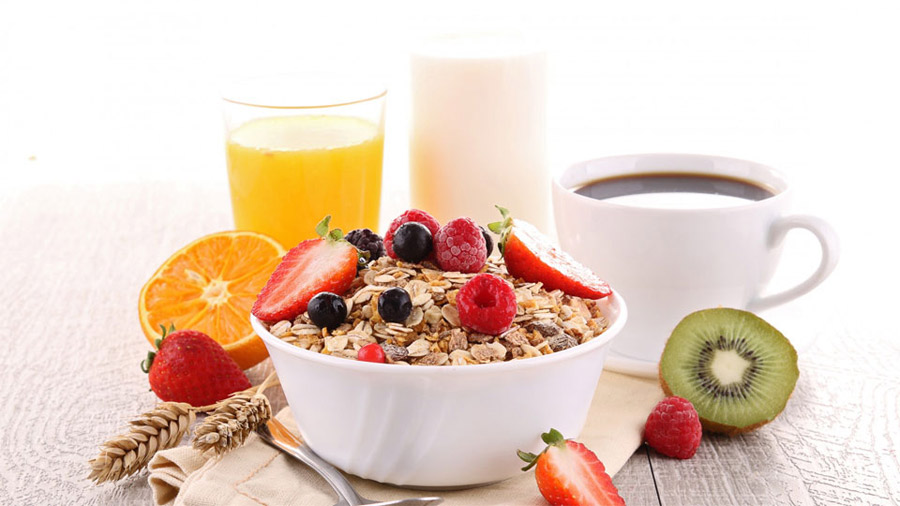
Constipation can be result of certain cancer drugs, medications, a diet without enough fluid or fiber, a reliance on tube feedings or a lack of physical activity. Constipation should not be confused with an intestinal obstruction. If you cannot pass stools and are suffering from one or more of the following: nausea, vomiting, abdominal pain or a swelling of the abdomen, report this to your doctor immediately.
If you have constipation:
- Drink more liquids, aiming for eight glasses a day. Drinking enough is especially important while you have constipation to help keep stools soft. Good choices are water, prune juice, warm juices, decaffeinated teas and hot lemonade.
- Have a hot drink about one half hour before your usual time for a bowel movement.
|
Nausea
Nausea is a common side effect of cancer surgery, chemotherapy, radiation therapy, immuno-therapy and some medications. Vomiting may or may not accompany the queasy feeling of nausea. Nausea can prevent you from eating enough.
If you Experience Nausea:
- Eat small amounts of food often and slowly. Eat six or more small meals during the day rather than three large meals.
- Keep the room well-ventilated, since some patients find that the odors of some foods may produce nausea.
- Drink beverages between meals rather than with a meal.
- Drink beverages cool or chilled and sip through a straw.
- Eat foods a room temperature or cooler: hot foods can aggravate nausea.
- Eat sitting up. Also, rest sitting up or reclined with your head raised for about an hour after eating.
- Rinse out your mouth before and after eating. If there is a bad taste in your mouth, such on hard candy such as peppermint or lemon.
- Don't force yourself to eat favorite foods when you feel nauseated. It may cause you to permanently dislike them.
- If nausea in the morning is a problem, keep crackers at your bedside to nibble on before you get up.
| Foods to Try | Foods to Avoid |
|
These foods can help your Nausea:
|
These foods may make your Nausea worse:
|

Food Odors and Nausea
If the smell of food cooking or cooling nauseates you, try:
- Opening windows when preparing foods and eating
- Preparing meals that don't need cooking
- Heating frozen dinners in the oven or microwave.
- Asking others to cook you meals for you or have meals delivered from "Meals on Wheels" or another meal delivery service in you area.
- When you are feeling better, cooking your favorite foods in large batches and freezing meal-size portions. You will have them available when you don't feel like cooking.
- If nausea occurs during radiation therapy or chemotherapy, avoid eating for one or two hours before treatment. Try eating bland, soft foods on treatment days.
- Try to recognize times, foods, smells or events that trigger your nausea. If possible, try to make changes in your schedule or diet that help you avoid these triggers.
- Talk to you doctor about medication to help relieve you nausea.
Anticipatory Nausea
Sometimes nausea can occur even
before a treatment session or other event begins.
Your brain
remembers how your felt after previous sessions and anticipates feeling
that way again. This is called "anticipatory nausea" and there
are several things can do to prevent it from happening or to lessen the
discomfort.
- Try to distract yourself during the activities you associate with your treatment.
- Practice relaxation or medication techniques to take your mind off the treatment.
- Sometimes changing something in the environment or in the routine can help. For example, if the smell from the alcohol wipe used to clean you skin before an injection makes you feel nauseated, another kind of skin cleanser might be substituted.
Vomiting
Vomiting can follow nausea. It can be brought on by treatment, food odors, gas in the stomach or motion. Contact your doctor if you are vomiting for more that 24 hours.
If you Experience Vomiting:
- Do not eat or drink until you have the vomiting under control.
- Sit upright after vomiting.
- Once vomiting is under control, try drinking small amounts of clear liquids such as cranberry juice, cool broth or flat soda (carbonated beverages may cause burping which can stimulate vomiting in some people).
- When you are able to keep down clear liquids, try eating small amounts of soft foods such as cream of wheat, pudding, frozen yogurt or gelatin.
- Once you can tolerate soft foods, gradually work your way back to your regular diet.
Sore Mouth, Tongue and Throat
Soreness of the mouth, tongue and
throat can result from cancer therapy or other reasons. See your doctor
if you have a sore mouth to be sure it is not the result of a
correctable dental problem. Try to arrange to see your dentist before
you begin cancer treatment, or in between treatments, to take care of
any work that needs to be done. Soreness usually clears up with time.
| FOOD TO TRY | FOODS TO AVOID |
|
Bland, soft foods are easy to chew and swallow.
|
Avoid foods that can irritate your mouth.
|
If you have a sore mouth, tongue or throat:
- Cook goods until they are soft and tender.
- Cut foods into very small pieces or grind or puree them. Make moist stews and casseroles, or mix foods with thin gravies or sauces to make them easier to swallow.
- Serve foods cold or at room temperature. Hot and warm foods can irritate a sore mouth and throat. Cold foods such as sherbet or Popsicles may soothe soreness.
- Use a straw for drinking fluids.
- Avoid alcohol and tobacco. They can irritate the delicate membranes in your mouth.
- Rinse your mouth several times a day with water or a baking soda mixture (combine one quart water and one tablespoon baking soda) to remove foods and promote healing. Avoid commercial mouthwashes; most are too harsh for a tender mouth.
- Use a toothbrush with soft bristles.
- Remove your dentures (except during eating) if your gums are sore. Keep your dentures clean.
- Ask your physician about special mouthwashes and anesthetic lozenges and sprays that can numb the mouth and throat long enough for you to eat meals.
-
If you experience bleeding of
the gums during treatment, arrange to see your dentist or a
periodontist, and be sure to tell your doctor as well. - If you see small, white patches in your mouth, tell your physician or nurse. This may be evidence of an infection that may require special attention.

Dry Mouth
A dry mouth occurs most often after chemotherapy and radiation therapy to the head or neck area. The therapy can reduce the flow of saliva. This may make it difficult to chew and swallow. It may also change the way goods taste. To relieve a dry mouth, follow the suggestions given below:
To relieve a dry mouth:
- Sip water or other beverages through a straw throughout the day to make it easier for you to talk and swallow. Aim for eight cups of liquid a day. Limit consumption of caffeinated coffee, teas and colas.
- Try thick drinks, such as fruit nectars, at room temperature or cold.
- Avoid salty foods.
- Try tart foods and beverages, such as lemonade, which may help your mouth produce more saliva.
- Such on hard candy such as lemon drops, frozen grapes or popsicles, or chew sugar-free gum.
- Eat foods moistened with broth, gravy, sauces and salad dressings. Moist foods are easier to swallow.
- Avoid alcohol and tobacco.
- Practice good oral hygiene. Avoid commercial mouthwashes.
- Keep your lips moist with lip salves.
- Try using a cool mist humidifier, especially at night.
- If your dry mouth is severe, ask your doctor or dentist about products that coat and protect your mouth. There are a variety of saliva substitutes available. They include Moistin, Optimoist, MouthKote and Glandosane, among others.
- If you see small, white patches in your mouth, tell your physician or nurse. This may be evidence of an infection that may require special attention.
Difficulty Swallowing
Problems with swallowing can be the result of cancer and its treatment, such as surgery to the head and neck. Or it may be due to other reasons. Talk to your doctor if you are experiencing difficulty swallowing.
To make Eating Easier:
- Take deep breaths before attempting to swallow. Exhale or cough after swallowing.
- Aim for eight cups of liquids each day. Drink beverages between rather than during meals so you don't reduce your appetite. Liquids at room temperature may be easier to swallow.
- Thick liquids may be easier to swallow than thin. You can thicken fluids with a commercial thickener; ask your speech therapist or registered dietitian to recommend a product and to tell you to what consistency you should thicken liquids.
- Eat small, frequent meals.
- Mashed foods should not be too thick. Thin them out using broth, gravy, milk or water.
- Report any choking or coughing while eating to your doctor, especially if accompanied by a fever.
- If part or all of your tongue or jawbone has been removed, chewing and tongue movement may be limited. Food will move down your digestive tract once it gets to the throat. Effective swallowing techniques can be taught by a speech therapist, registered dietitian or nurse. The following suggestions may also be helpful:
- Thicken liquids to consistency suggested by your speech therapist or registered dietitian.
- Avoid very hot or very cold foods.
- Pureed foods may be easier to swallow.
- Gelatin can be used to form a soft gel with cakes, cookies, crackers, sandwiches, pureed fruits and other cold foods to make them easier to tolerate. (Mix one tablespoon unflavored gelatin in two cups liquid until dissolved and pour over food.
- Eat with a spoon; it is easier to control than a fork.
- Ask your therapist to show you how to properly place food in your mouth to avoid choking.
- Exercise your tongue and your jaw. Try to move them through the usual range of motion-stick your tongue out and back, yawn and move your jawbone from side to side.
- Liquid diets can be either high or low in fiber, so you need not suffer constipation or diarrhea. Speak with a dietitian about adjusting the fiber in your diet to meet your needs.
- Report any choking or coughing while eating to your doctor, especially if accompanied by a fever.
Stricture
Sometimes surgery of radiation therapy can cause the esophagus to narrow, making it difficult for food to pass through to the stomach. This is called stricture. Your surgeon may be able to widen the opening or insert a feeding tube to bypass the problem until it heals. Try drinking liquids, which will pass through the esophagus more easily. And keep your head elevated both during and after drinking or eating.
Feeling Full Quickly
Feeling full quickly after eating a small amount of food is not uncommon, especially if you have upper abdominal surgery. Not eating enough can weaken the body and delay healing.
If you feel full quickly when eating:
- Eat small meals throughout the day. Keep healthy snacks on hand to eat between meals.
- Avoid fried or greasy foods. Gat stays in your stomach longer than carbohydrates or protein.
- Avoid foods that give you gas.
- Drink your beverages between rather than during meals. Drinking a beverage during a meal can fill you up more quickly.
- Rest with your head elevated after meals.
- If your eat small meals and are finding it difficult to eat frequently during the day, fortify your meals with foods that are rich in calories and nutrients. Try adding nonfat dry milk, wheat germ or ground meat to soups, hot cereals, casseroles or other dishes.
- Ask a health professional about drinking a liquid meal replacement beverage to provide needed calorie and nutrients.
Keep in mind that even though it is important to eat, it is also important to maintain a healthy weight. Therefore, it is unwise to force yourself if you are feeling full or are not longer hungry.
Taste Changes
Changes in how foods taste can be the result of chemotherapy, radiation therapy or the cancer itself. Dental problems may also cause taste changes. Some patients complain of bitter or metallic tastes, especially when eating foods high in protein such as meat. Each person's sense of taste can be affected differently. Depending on how your tastes have changes, some of the following ideas for improving flavor may work for you.

To Improve Flavor:
- Choose and prepare foods that look and small good to you. Foods may taste better if served cold or at room temperature.
- Frozen fruits such as melon balls, grapes or orange wedges may be appealing.
- If red meat tastes different, choose chicken, turkey, fish, tofu, beans, eggs or dairy products that don't have a strong smell.
- Marinate meats in juice, soy sauce, barbecue sauce, Italian, dressing or other flavorful liquid you find appetizing.
- Use seasonings such as onion, garlic, herbs and spices if you find their flavors appealing.
- Adding sugar to some foods can help decrease salty, bitter or unpleasant tastes.
- Tart foods and beverages such as oranges, lemon yogurt or lemonade may be appealing. (Do not eat these foods if your mouth is sore).
- Use non-metallic utensils to eat with if you have a bitter or metallic taste in your mouth.
- Rinse your mouth and brush your teeth and tongue regularly. (Avoid commercial mouthwashes if you mouth is sore).
Milk or Lactose Intolerance
If you were able to digest milk and milk products easily before you began radiation or chemotherapy treatment, but now develop cramps and diarrhea after you drink milk or eat certain dairy foods , then may be suffering from acquired milk or lactose intolerance. The cancer therapy has probably temporarily inactivated those enzymes in your intestinal tract that digest lactose, which is the carbohydrate (sugar) in milk. In most patients, the condition eventually reverses itself. The following measures may be helpful in the meantime.
If you are Lactose Intolerant:
Avoid the milk or dairy products that give you problems. Yogurts and aged cheeses may be easier to tolerate. Look for a reduced lactose milk or milk that contains "Lactaid:, and enzyme product that helps you digest the lactose in milk.
Lactaid and other enzyme products are available in capsule, pill or liquid drop form. Look for them in pharmacies.
Try calcium-fortified drinks or foods. Read food labels to find fortified selections. Speak with your doctor or registered dietitian about whether you could benefit from taking a calcium supplement.
Fluid Retention
Sometimes patients gain extra weight during treatment without eating extra calories. This weight gain may be due to swelling or edema. Certain drugs, such as prednisone, can cause the body to retain fluid as can a nutritional deficiency. If you notice weight gain, tell your doctor so he or she can determine the cause.
If you are Retaining Fluids:
- Drink enough water during the day.
- Eat less salt and foods with less sodium.
- Stay as physically active as possible.
- Elevate your legs when resting.
- Your physician can prescribe medication to help minimize fluid retention.
Fatigue
Although fatigue is not a specific nutritional problem, feeling tired can certainly make it harder to prepare and eat nourishing meals.
If you are Experience Fatigue:
- Consider asking friends and relatives for help.
- Use frozen dinners. There are dozens of healthful varieties now available.
- Meal-making is easier if you use convenience products such as frozen or canned fruits and vegetables, canned beans, prepared pasta sauces and instant brown rice. Read labels to look for products that are low in sodium and high in nutrients.
- Have healthy snacks on hand. Keep foods like dried fruit (raisins, dates, apricots), cheese and whole grain crackers, graham crackers and snack-size puddings in the house.
-
Prepare blended fruit and yogurt
shakes and keep them in the refrigerator for between meal
snacks. - When you are feeling better, prepare large quantities of your favorite meals and freeze the leftovers in meal-size portions.
- Consider buying prepared foods from your grocery store, phoning for carryout or delivery food, or having meals delivered from "Meals on Wheels" or another meal delivery service in your area.
SOURCE: American Institute of Cancer Research. (www.aicr.org)