

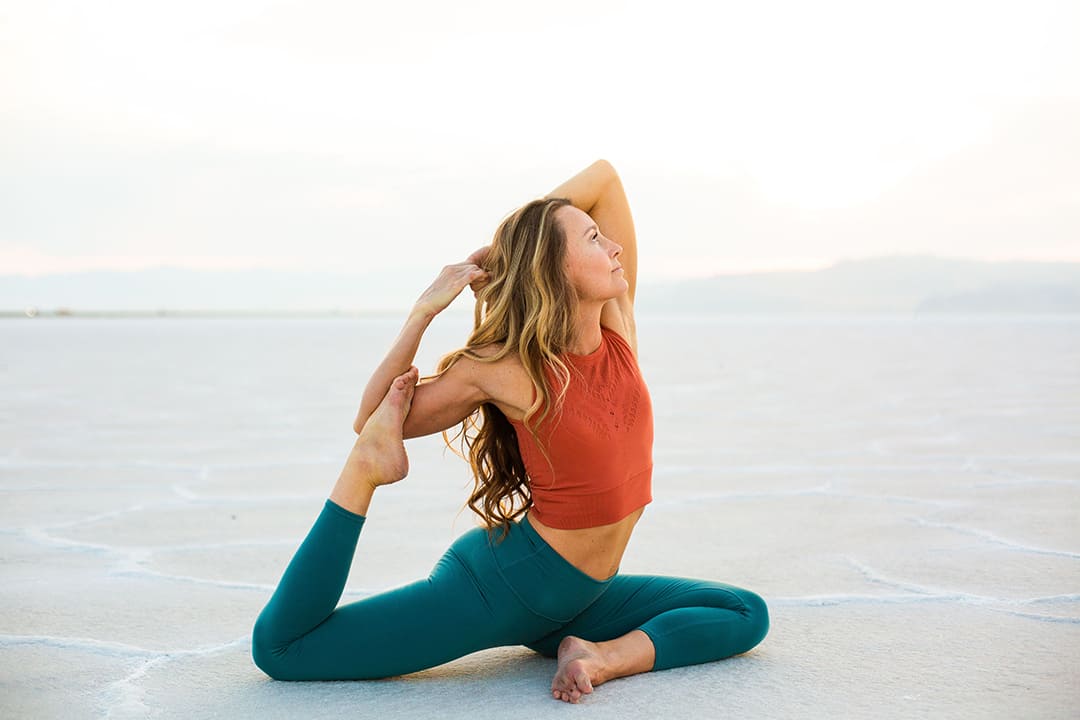
Yoga teacher and stroke survivor Abigail Atkinson transformed her personal rehabilitation journey into a powerful model of recovery, resilience, and heart health. Through adaptive yoga and mindful movement, she now helps others rebuild strength, confidence, and trust in their bodies after illness and injury.
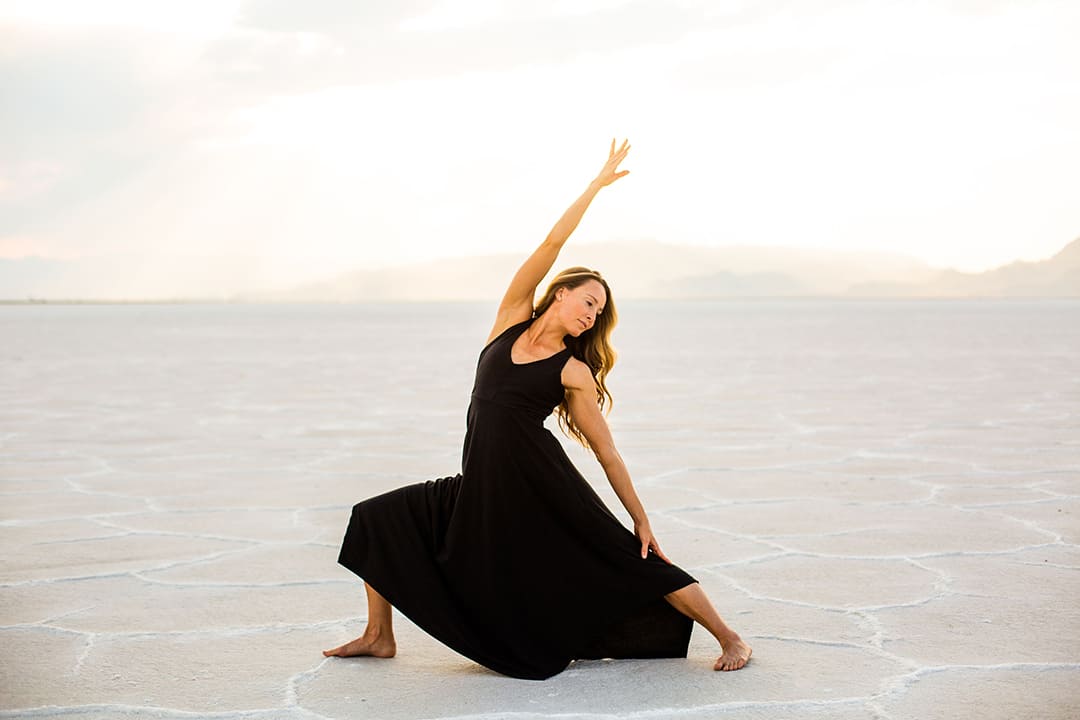
In this heartfelt conversation, she shares how listening to her body saved her life—and how yoga became her path back to strength.
Namita Nayyar:
Can you take us back to the moment you realised you were having a stroke?
Abigail Atkinson:
I was in the middle of teaching a yoga class when suddenly the right side of my body went numb. I felt terrible pain in my neck and became dizzy and woozy. I assumed I might be sick, so I guided the class into savasana and sat down against the wall to wait for it to pass. It didn’t.
The pain became excruciating, and I realised I couldn’t get up. As quietly as possible, I crawled to someone in the front row and asked for help. He supported me out of the room and called 911. I couldn’t sit upright and began vomiting. My right arm and leg weren’t functioning properly. My vision was spinning, my body wouldn’t respond, and the pain in my neck was unlike anything I had ever felt before. I truly believed I was about to die.
When the EMT arrived, he examined me and said, “You have vertigo. My wife had vertigo a couple of weeks ago. You can rest and see your doctor later if it doesn’t pass.”
In that moment, I had to choose: trust medical authority or trust my body. And my body was telling me something was seriously wrong. I made him take me to the hospital.
As I lay there staring at the ceiling of the ambulance, I thought, Even if I’m wrong, at least I didn’t betray my self-trust.
At the emergency room, the neurologist immediately recognised I was having a stroke and gave me life-saving treatment. I’m grateful I trusted my body and took the risk of being wrong—because that decision saved my life and reduced the long-term damage.
Namita Nayyar:
What was the biggest fear you faced during your recovery?
Abigail Atkinson:
In the ICU, I felt so grateful to be alive that there was no room for fear. The fear arrived when the physical therapists helped me take my first walk.
They lifted me out of bed, one on each side, guiding me down the hallway while I was still attached to tubes and wires. But my right leg wouldn’t respond. That’s when it hit me: Have I lost my ability to walk? Am I permanently disabled?
I shuffled about ten feet, dragging my leg and spinning with dizziness, before collapsing from exhaustion. That moment marked the beginning of a long recovery—not just of my body, but from the fear that my physical abilities might never return.
Namita Nayyar:
When did yoga first become part of your rehabilitation?
Abigail Atkinson:
Fortunately, I had a strong yoga practice before my stroke, and returning to it became a major motivator during rehab. I spent a month in inpatient rehabilitation, and my mom brought my yoga mat to the hospital.
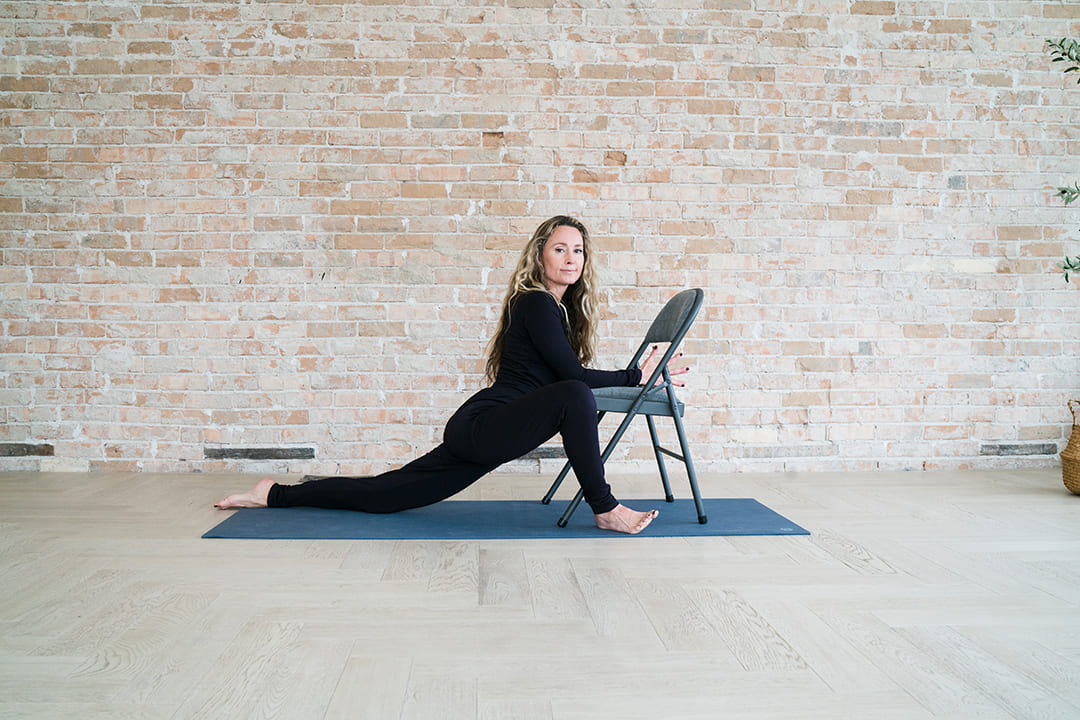
Because I couldn’t stand or balance, nurses helped me get down onto the floor. I started with poses I could do lying on my back or belly—like cobra and gentle twists. Alongside physical therapy, occupational therapy, vision therapy, and vestibular therapy, yoga was there from the very beginning.
Full Interview is Continued on Next Page
This interview is exclusive and taken by Namita Nayyar, President of womenfitness.net, and should not be reproduced, copied, or hosted in part or in full anywhere without express permission.
All Written Content Copyright © 2026 Women Fitness

Namita Nayyar:
Which yoga practices helped you the most in regaining strength and mobility?
Abigail Atkinson:
Share five yoga asanas for a healthy heart.
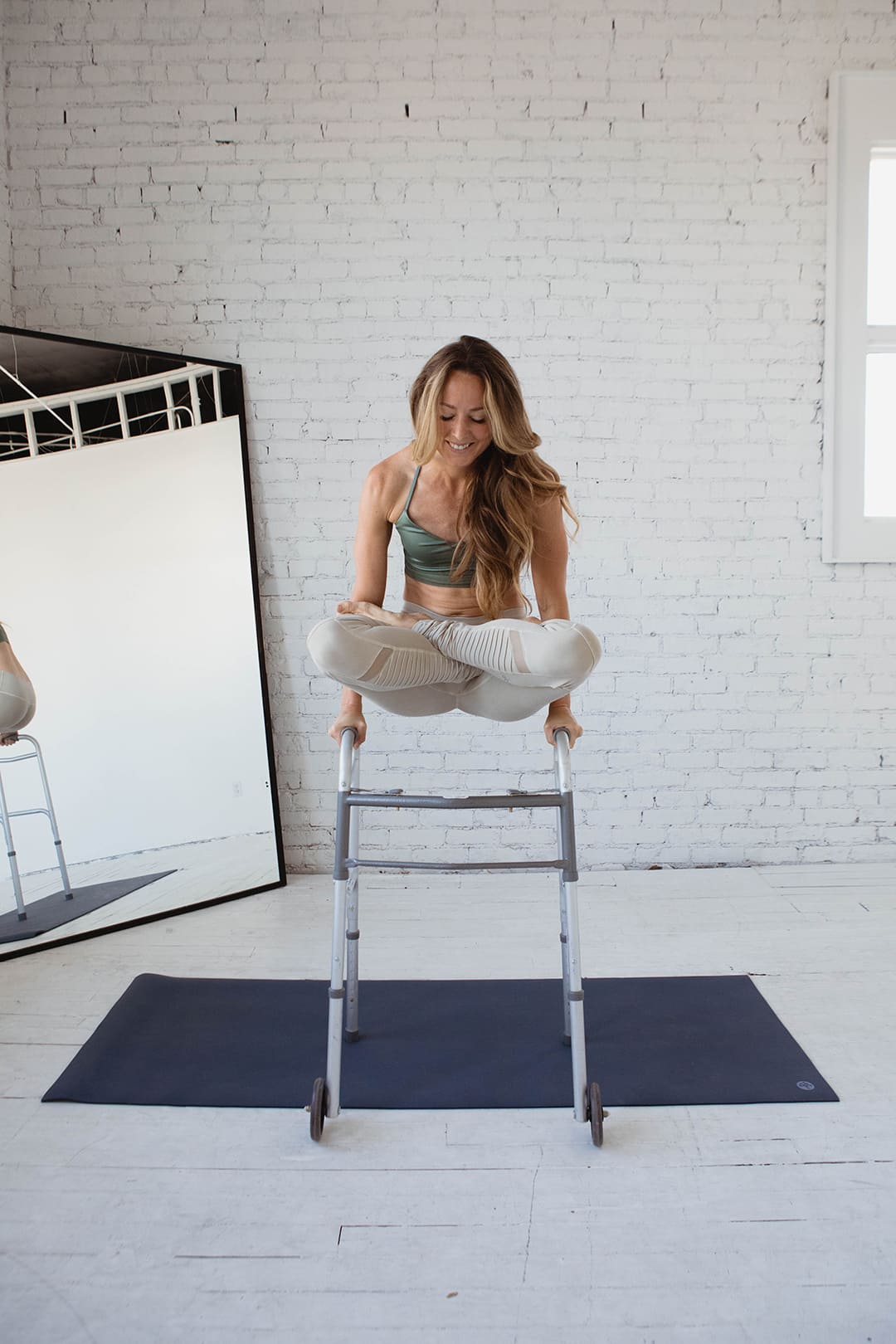
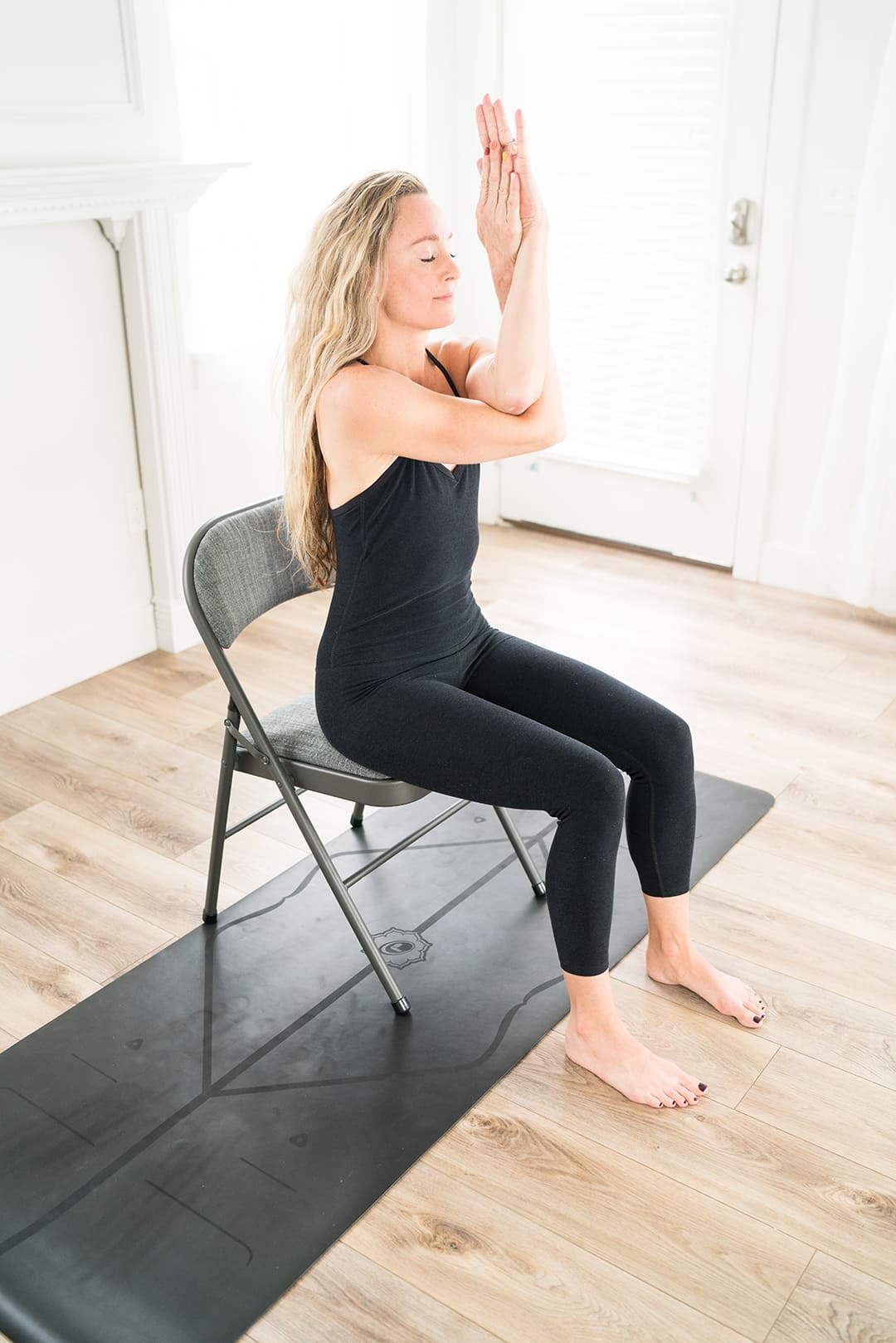
Adaptive yoga was essential for me, even before I knew what to call it. I used a chair at home, and later my walker became a prop for my practice. I had to relearn postures for a post-stroke body.
There were no adaptive yoga classes where I lived, so I experimented on my own. I later completed a year-long biomechanics course to stabilise and retrain my walking pattern and now incorporate this learning into my adaptive yoga teacher trainings.

Here are five asanas I consider “non-negotiable” for heart health, alongside walking, strength training, quality sleep, and stress management. These are based on my experience as a stroke survivor and yoga teacher and are not a substitute for medical advice.
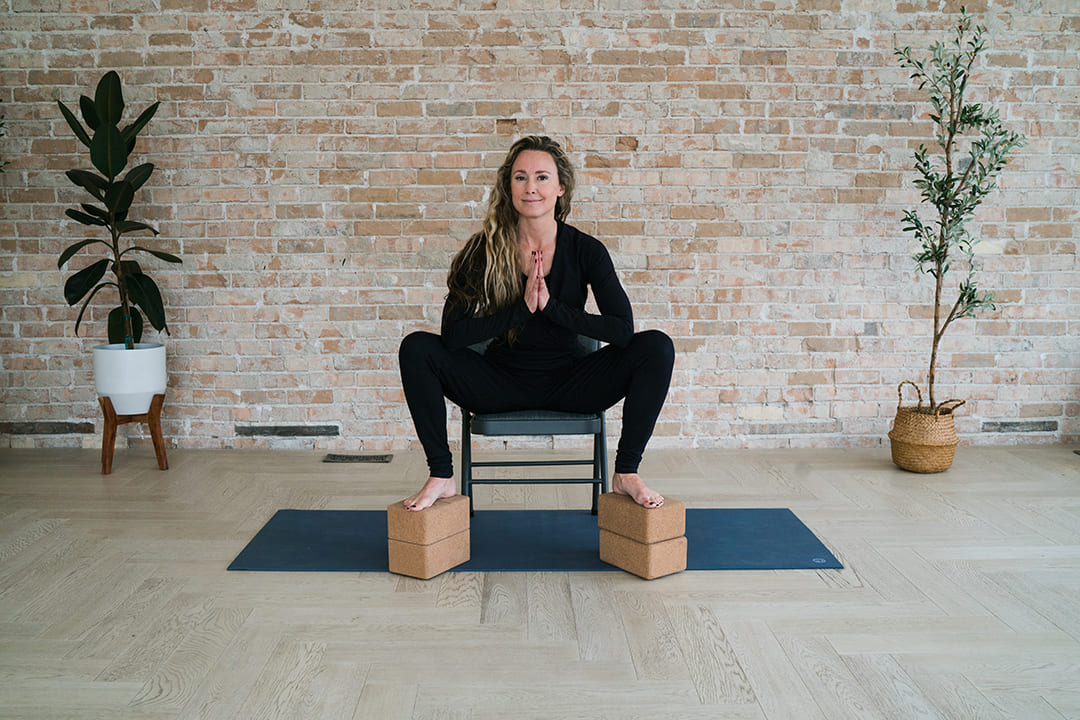
1- Mālāsana (Yogic Squat): Builds leg and hip strength for daily functional movement—one of the biggest drivers of heart health.
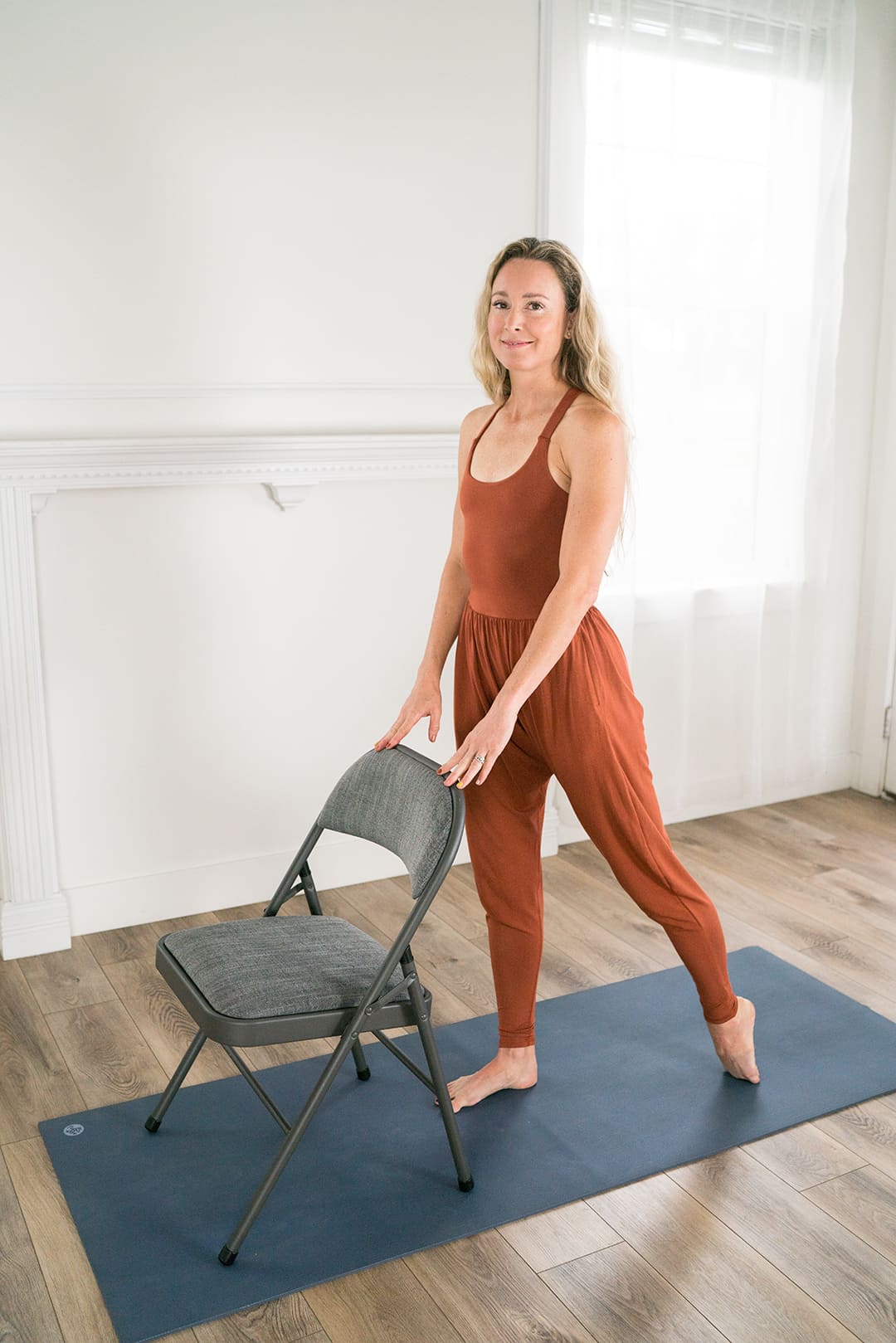
2- Utkāṭāsana (Chair Pose): A large-muscle strength pose that safely raises heart rate while improving stamina and lower-body resilience.
3- Vīrabhadrāsana II (Warrior II): Strengthens glutes and quads while improving joint mechanics, making walking and daily movement easier.
4- Bhujangāsana (Cobra Pose): Opens the chest and improves spinal extension, helping breathing efficiency and exercise tolerance.
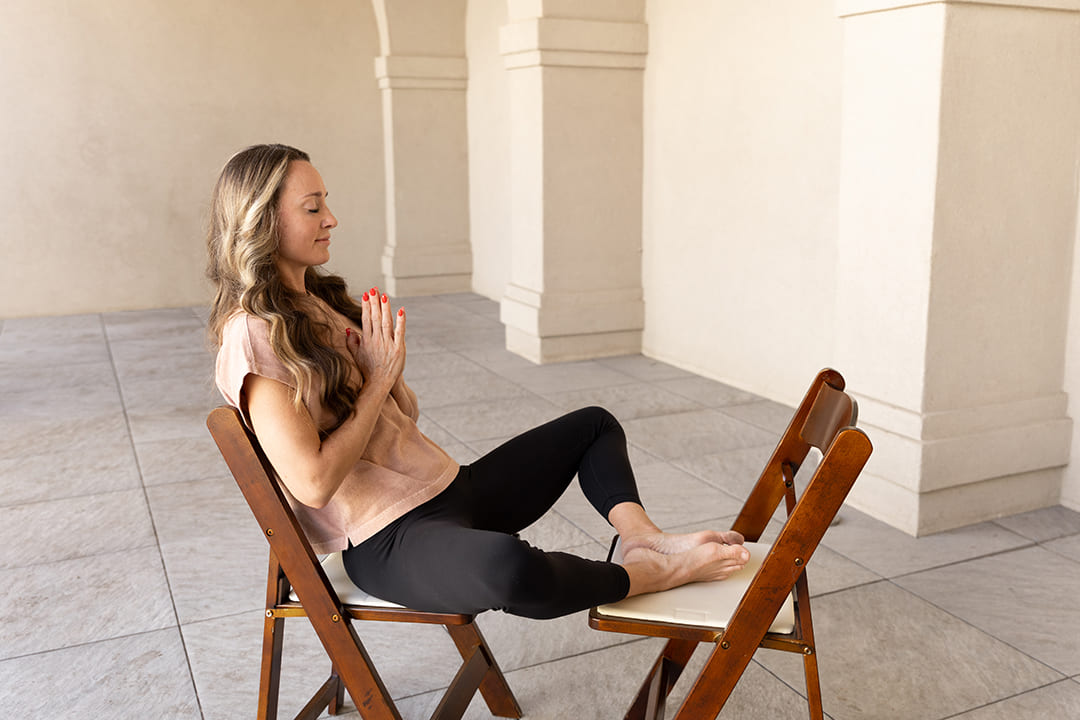
5- Viparīta Karaṇī (Legs-Up-the-Wall): A calming posture that reduces stress, supports vagal tone, and may help regulate blood pressure through relaxation and slower breathing.
Namita Nayyar:
What are the biggest misconceptions about exercising after a stroke?
Abigail Atkinson:
People think exercise needs to be long to be effective. What worked best for me was short “movement snacks.” Instead of one long session, I did 5-, 10-, or 15-minute practices spread throughout the day.
When I switched to this approach, my recovery accelerated. Within weeks, my walking stability improved so much that I no longer needed my walker. Never underestimate the power of small, consistent movement.
Namita Nayyar:
How did your relationship with your body change after the stroke?
Abigail Atkinson:
A stroke instantly transforms your body. I went from living in a body I trusted to one that felt like a stranger. At first, I felt betrayed by it.
Yoga gave me a safe way to explore this new physical reality. While all my therapies were important, yoga helped me rebuild a positive relationship with my body. Now, I respect my body more than I ever did before, because I understand it is the most important environment I will ever inhabit.
Namita Nayyar:
Which pranayama techniques best support cardiovascular health?
Abigail Atkinson:
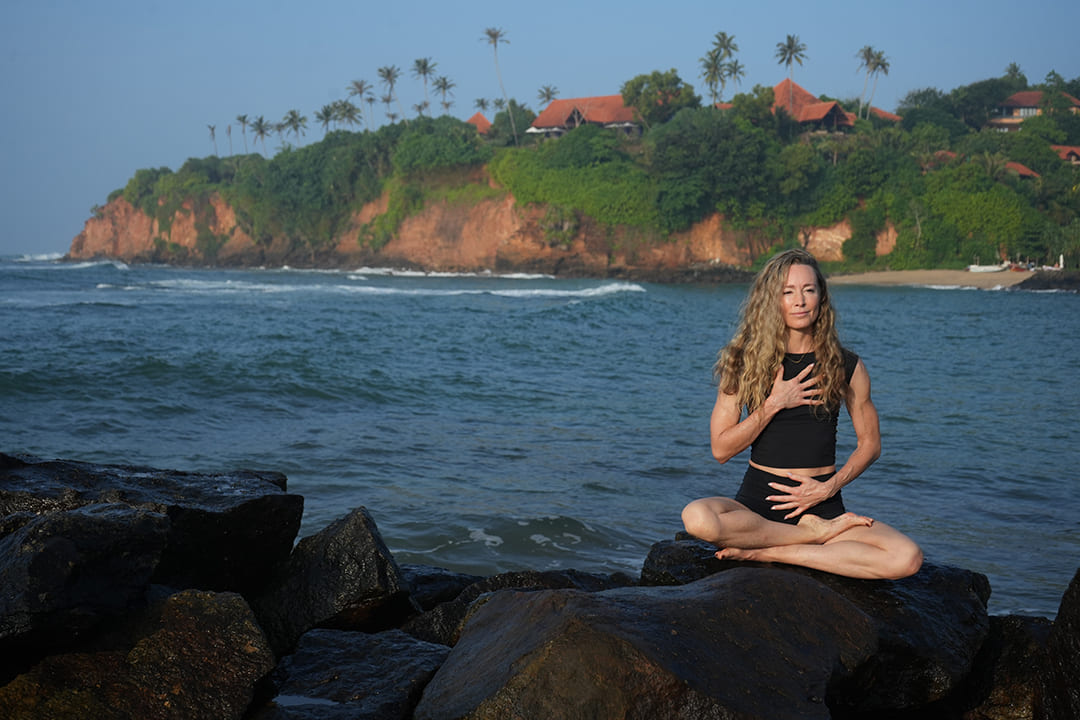
My favourite is resonance breathing, also known as heart-coherence breathing. You inhale for five seconds and exhale for five seconds—about six breaths per minute—for two to five minutes.
It brings the heart, brain, and nervous system into coherence and can improve heart-rate variability and stress resilience without needing breath retention. It’s simple and accessible.
Namita Nayyar:
Stroke recovery can be emotionally challenging. How does yoga help with mental resilience?
Abigail Atkinson:
Yoga isn’t just exercise—it’s emotional training. After a stroke, feelings like grief, fear, frustration, and self-doubt are normal. Yoga gives them somewhere to go.
You feel sensations, notice thoughts, breathe through discomfort, and practice staying present without spiralling. That builds emotional regulation and mental resilience, which in turn builds confidence. Yoga teaches you how to do hard things in safe, manageable ways—and confidence is a skill you can train.
Namita Nayyar:
What daily habits are now non-negotiable for you?
Abigail Atkinson:
Walking is number one. Relearning how to walk changed my relationship with it completely. I now walk about five miles every day. As I turn 50 this May, I’m celebrating by walking 50 miles over five days.
Other non-negotiables include daily yoga (even if it’s only 20 minutes), rest through Yoga Nidra, and healthy eating. I avoid sugar, focus on fibre and protein, and support my brain and heart health with supplements like fish oil.
Namita Nayyar:
What does a “healthy heart and lifestyle” mean to you now?
Abigail Atkinson:
It took nearly dying for me to realise how much choice I really have. I can’t control everything, but I can choose how I care for myself.
A healthy heart and lifestyle means making daily choices that support your well-being, even when it’s easier not to. It means not giving up when things are hard, trusting your ability to grow, and taking responsibility for creating the conditions for your own health.
This interview is exclusive and taken by Namita Nayyar, President of womenfitness.net, and should not be reproduced, copied, or hosted in part or in full anywhere without express permission.
All Written Content Copyright © 2026 Women Fitness