|
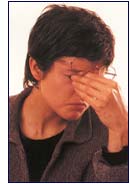 Depression in its clinical form, is a mood disorder in
which the individual may feel sad, helpless, hopeless, as if life is just too
overwhelming and burdensome. Every one of us experiences depressed feelings from
time to time; no one can escape the hurtful things in life. Its how we react
that matters in the face of adversity. Depression in its clinical form, is a mood disorder in
which the individual may feel sad, helpless, hopeless, as if life is just too
overwhelming and burdensome. Every one of us experiences depressed feelings from
time to time; no one can escape the hurtful things in life. Its how we react
that matters in the face of adversity.
Question that often arises is- Can I overcome depression? Yes,
you can. To combat and overcome depression all of us need to learn how to face
and manage difficulties skillfully. Sadness and hurt are parts of life that no
one escapes. Easy it may sound, the goal should be to handle difficulties as
temporary problems to be solved in efficient ways.
|
There are a wide variety of treatment options for dealing with
depression. Each case is different and the prescribed treatment varies from
person to person. Some treatment options include:
In this section of the article we deal with,
Self Help
Techniques to deal with Depression. With increasing side effects of medication for depression, like weight-gain,
anti-depressants should be the last resort. |
|
|

Meditation can calm the mind and reduce
stress, making dealing with depression easier. This technique brings you in
contact with the present moment and creates awareness of what is around
you. Inhale slowly and deeply. Imagine your breath beginning at your head and
traveling down to your feet, then coming back up again. Feel your breath travel
through your body. How long you spend in this meditation it all depends on your
tolerance for it. If you're new to meditation, ten minutes might be as much as
you can handle. If you can last for or gradually increase your time to thirty
minutes that would be ideal.
|
|
Realistic goal setting
|
|
|
. |
|
. |
. |
|
Goal setting fights depression by
helping women regain a sense of control over their lives. Regaining control
over life also boosts self esteem and helps with positive thinking. Remember
that regardless of age, a one-week goal is a manageable way to begin with.
Goals should be �SMART�: Specific, Measurable, Attainable, Realistic
and Timely, to build self-confidence.
|
|
Relaxation Techniques |
|
|
. |
|
. |
. |
|
 Learning relaxation techniques can ease stress, muscle tension and anxiety.
Progressive relaxation teaches- how to relax at will. This way of relaxation
allows you to regain control over your body's involuntary muscle tension, and
trains your body to release that tension. Basically, you focus your attention on
one group of muscles at a time (the left arm, for instance, or the lower back
muscles). Which in turn helps you, to become aware of the tension and tightness
in that group of muscles, examining where the tension occurs and how it feels.
Now exaggerate the tension, tightening the muscles and then releasing. By making
the muscle even tighter than usual, you train your body to recognize how a
relaxing muscle feels. Over time, the muscles relax more easily, and you become
more aware of your body's tension trouble spots. Learning relaxation techniques can ease stress, muscle tension and anxiety.
Progressive relaxation teaches- how to relax at will. This way of relaxation
allows you to regain control over your body's involuntary muscle tension, and
trains your body to release that tension. Basically, you focus your attention on
one group of muscles at a time (the left arm, for instance, or the lower back
muscles). Which in turn helps you, to become aware of the tension and tightness
in that group of muscles, examining where the tension occurs and how it feels.
Now exaggerate the tension, tightening the muscles and then releasing. By making
the muscle even tighter than usual, you train your body to recognize how a
relaxing muscle feels. Over time, the muscles relax more easily, and you become
more aware of your body's tension trouble spots.
Breathing techniques can help you remain grounded and calm. Breath
counting is one of the more commonly used techniques. Sit comfortably, close
your eyes, and concentrate on your breathing. As you exhale, count each breath.
When you reach five, start back at one. If your mind wanders, return your mind
gently but firmly back to breath counting.
|
|
 Exercise is a great tension-fighter. It can improve body image, confidence
and self-awareness. Exercise also increases the level of certain
neurotransmitters (endorphins) that are known to elevate mood. Summoning the
energy to go to aerobics class can be very difficult especially when you are
feeling down and out. Start off slowly�even ten minutes a day is better than
nothing. Exercise with a friend if possible, to help keep your motivation up.
Even a simple walk around the block is better than nothing and is a great way to
start exercising. Twenty to thirty minutes of
bicycling,
swimming, dancing,
running, or brisk
walking can relieve most common, mild depressions.
Yoga
exercises combined with some deep breathing and meditation each morning, will
leave you feeling refreshed and better able to face the day. Exercise is a great tension-fighter. It can improve body image, confidence
and self-awareness. Exercise also increases the level of certain
neurotransmitters (endorphins) that are known to elevate mood. Summoning the
energy to go to aerobics class can be very difficult especially when you are
feeling down and out. Start off slowly�even ten minutes a day is better than
nothing. Exercise with a friend if possible, to help keep your motivation up.
Even a simple walk around the block is better than nothing and is a great way to
start exercising. Twenty to thirty minutes of
bicycling,
swimming, dancing,
running, or brisk
walking can relieve most common, mild depressions.
Yoga
exercises combined with some deep breathing and meditation each morning, will
leave you feeling refreshed and better able to face the day.
|
|
Nutritional therapy
|
|
|
. |
|
. |
. |
|
|
|
Correcting nutritional
deficiencies, balancing blood sugar levels, and improving the overall diet can
significantly help to lift depression. The role of certain amino acids,
tryptophan and D, L-phenylalanine (DLPA) may also be significant.
Just when a balanced, wholesome
diet is needed most, women who are suffering form server depression neglect
their body�s needs. The illness is quite distinct from a normal, reactive
response to disappointment and often leaves some people with no appetite at all,
while others go on binges or develop cravings for
carbohydrates.
As a result, victims of
depression may often suffer form nutritional deficiencies or imbalances �
particularly a lack of B vitamins and
vitamin C, and of the minerals
calcium,
copper,
iron,
magnesium and
potassium. The precise relationship between
different nutrients and the brain�s chemistry is still unclear but
malnourishment or weight problems clearly contribute to morale spiraling
downwards.
Plenty of whole grains and pulses, and regular amounts of lean meat, offal, oily
fish, shellfish and eggs, will supply B vitamins, iron, potassium, magnesium,
copper and zinc. A high intake of fresh fruit and vegetables (such as asparagus,
broccoli, cabbage, melon, oranges and berries) will supply ample Vitamin C. Dark
green leafy vegetables will improve levels of calcium, magnesium and iron; while
dairy produce (preferably low fat) will boost reserves of calcium .
Too much caffeine (more than four cups of coffee or six cups of tea a day) can
exacerbate depression. Since caffeine also contributes to sleeplessness, and
insomnia is one of the symptoms of depression, sufferers should avoid drinking
tea of coffee before going to bed. People should be aware that the headaches and
lethargy, which are symptoms of sudden caffeine withdrawal, can last from one to
three days before real improvements are felt.
If you suspect that there is a link between a food sensitivity and your state of
mind, try eliminating the culprit foods from your diet to see if this brings
relief.
|
|
EAT PLENTY OF
-
Whole grains, peas, lentils and other types of pulses
-
Fresh fruit and vegetables
-
Learn meat, poultry and offal
-
Fish and shellfish
CUT DOWN ON
|
|
|

|
If you are taking
certain antidepressants,
avoid:
|
|
|
|
|
Traditional acupuncture treatment or electro-acupuncture can ease
depression. Some studies found it superior to anti-depressant drugs and
with less side-effects. Research has shown that acupuncture triggers the
release of endorphins in the brain. These chemicals affect various body
systems, reduce pain and make you feel good. Traditionally it is thought
that acupuncture removes blockages and promotes the flow of Qi energy on
the meridians. This is believed to improve the functioning of the
internal organs. |
|
|
Antidepressants, fall in three categories.
To learn more about
how they work and their side effects,
click here.
Women need to be aware that weight gain is one of the side-effects of
ant-depressants, and should be accompanied with exercise
and caloric restriction. For long-term therapy,
[bupropion] is less likely than selective serotonin reuptake inhibitors (SSRI)
to cause weight gain,
click here for more.
|
|
|
. |
. |
>>
Designed
and Developed by WF Team
on 6th August, 2003
|