

Anniversary Special

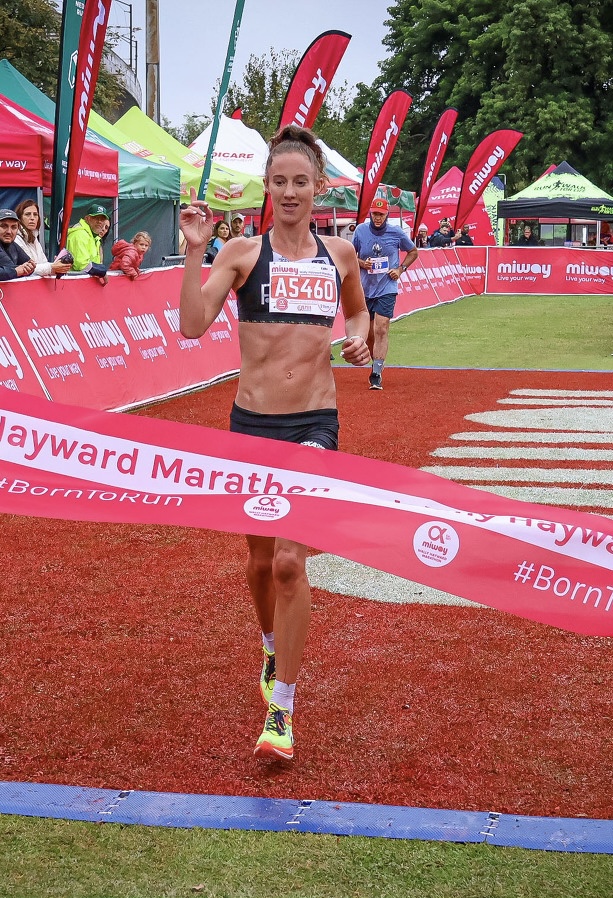
As Women Fitness celebrates 26th anniversary, we honor women who embody resilience, reinvention, and excellence. Few athletes represent this spirit more powerfully than Emma Pallant-Browne. From winning international medals as an elite runner to overcoming career-defining injuries and reinventing herself as a world-class triathlete, Emma’s journey is a remarkable testament to grit and evolution.
A two-time World Duathlon Champion, World Aquathlon Champion, and Ironman 70.3 European Champion, Emma has consistently pushed the boundaries of endurance sport. Yet perhaps her most inspiring chapter is—motherhood. Proving that elite sport and motherhood can coexist, Emma continues to compete at the highest level while redefining what strength truly means.
In this Anniversary Special, Women Fitness President Ms. Namita Nayyar catches up with Emma Pallant-Browne to discuss resilience, reinvention, elite performance, motherhood, and the evolving meaning of strength.
Namita Nayyar:
Emma, as Women Fitness celebrates another anniversary, we are honoring women who redefine strength. Your career has been defined by reinvention—from elite runner to world champion triathlete to motherhood. Which version of Emma has surprised you the most?
Emma Pallant-Browne:
Strength means something very different to me now. At 18, I saw strength mostly as physical performance—how fast I could run, how hard I could train, and how much pain I could tolerate. Today, strength is far more holistic. It is about resilience, adaptability, patience, and trusting the process, especially when life doesn’t go according to plan.

Reinvention through Adversity
Elite sport often celebrates podium finishes, but the true measure of an athlete is revealed in moments of uncertainty. For Emma, injuries did not mark the end of a promising running career—they became the catalyst for an extraordinary reinvention.
Namita Nayyar:
Motherhood has added an entirely new dimension to your life and career. How has becoming a mother changed your perspective on success, ambition, and personal fulfillment?
Emma Pallant-Browne:
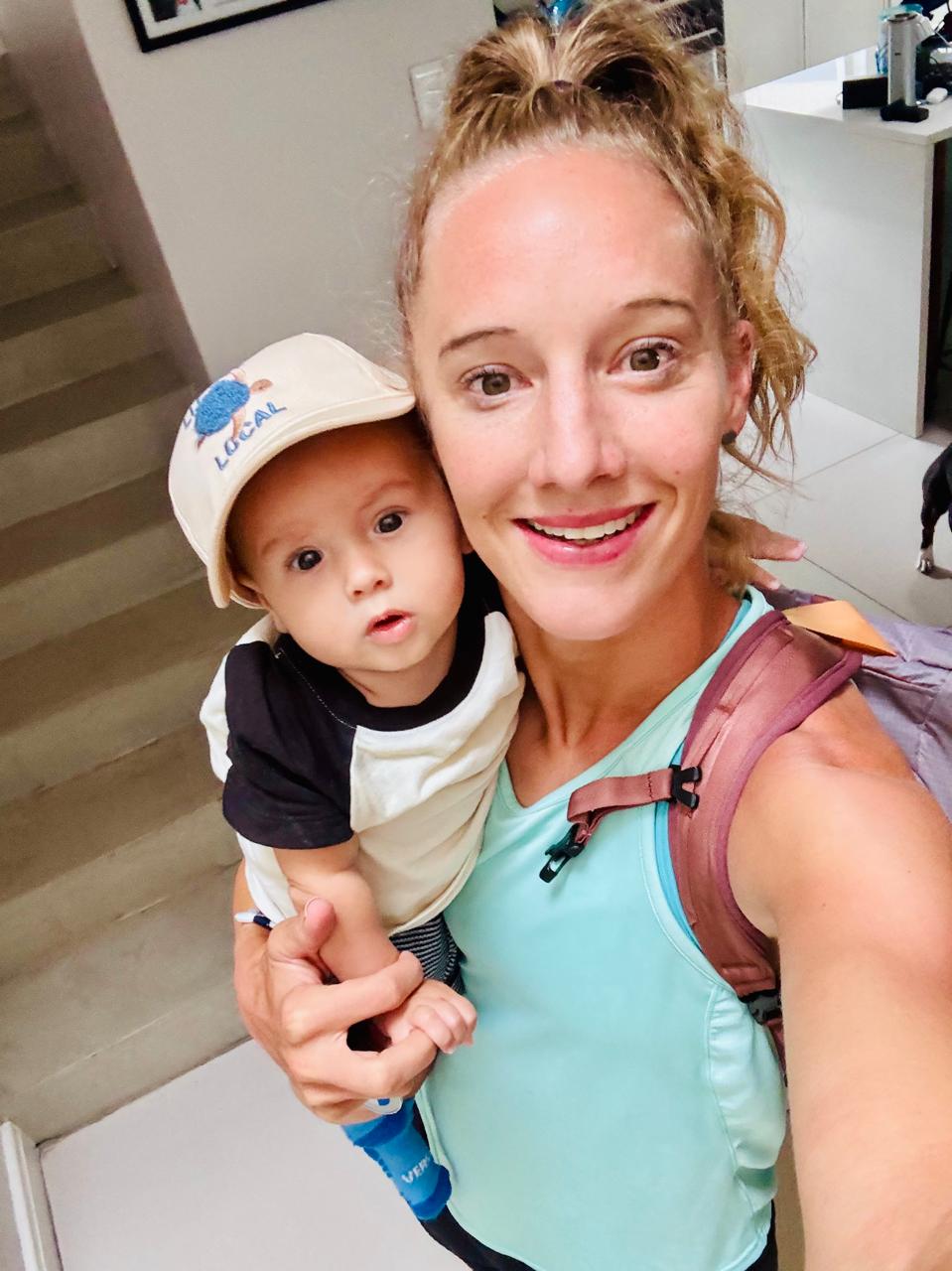
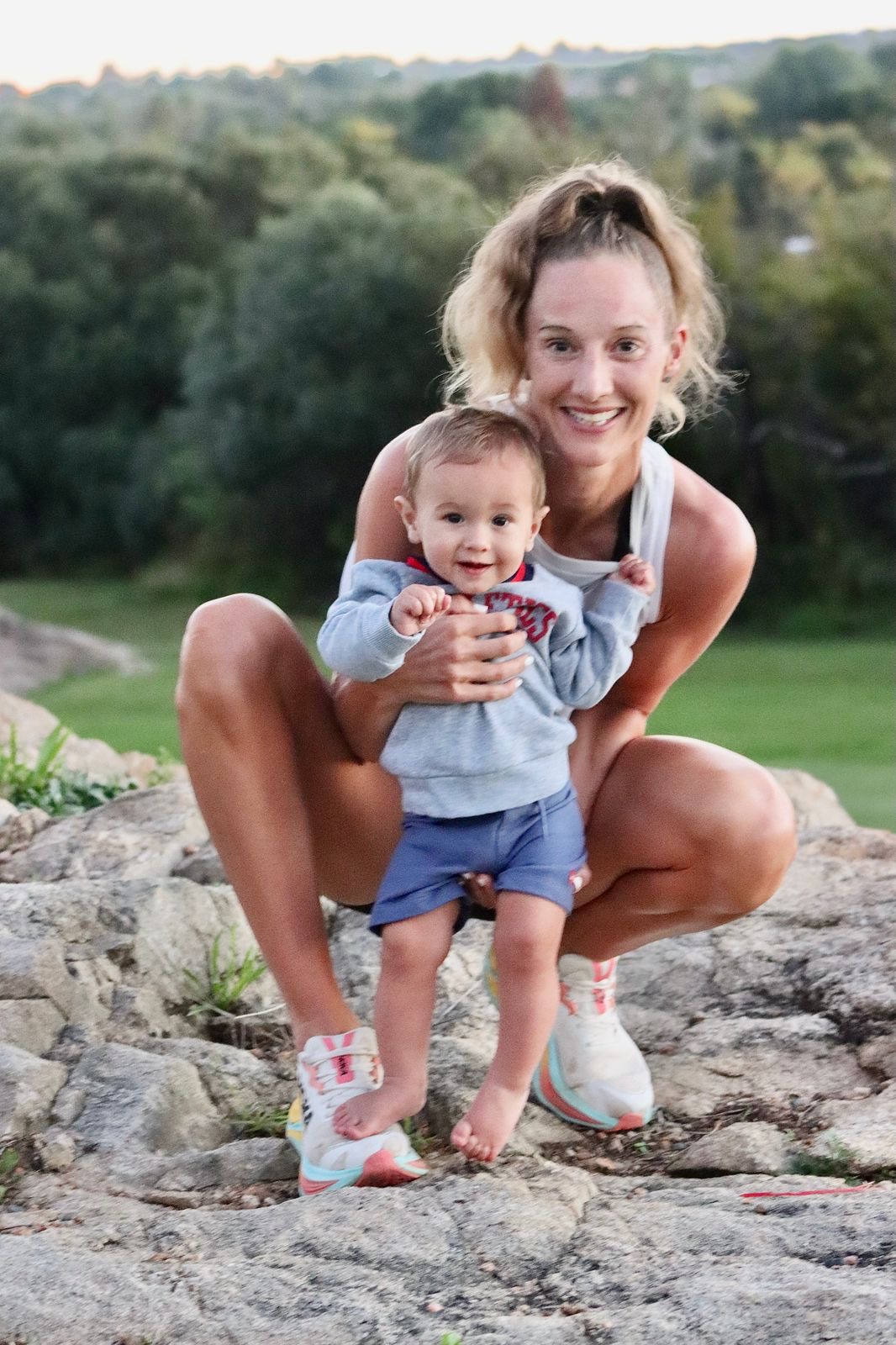
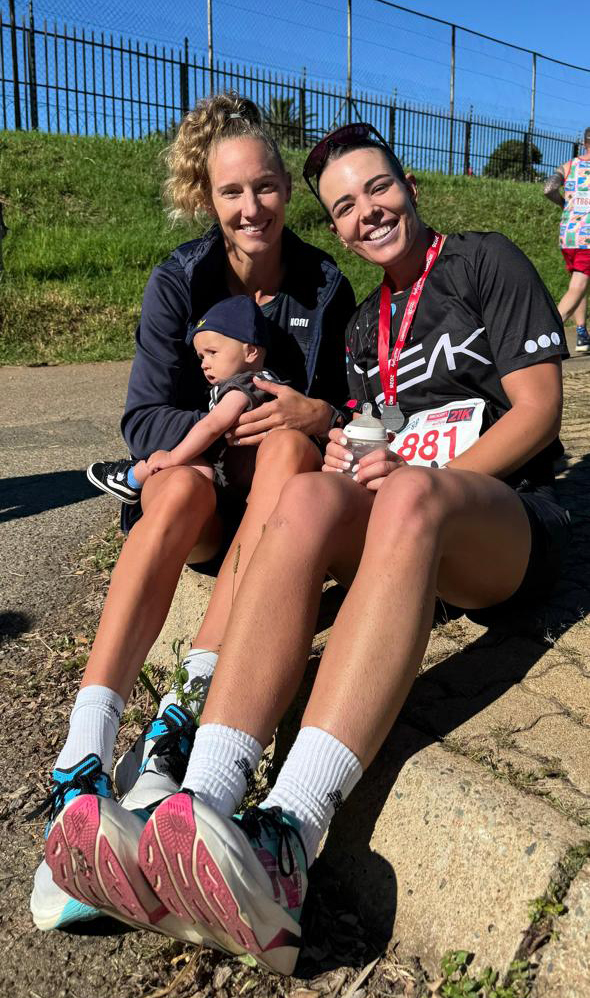
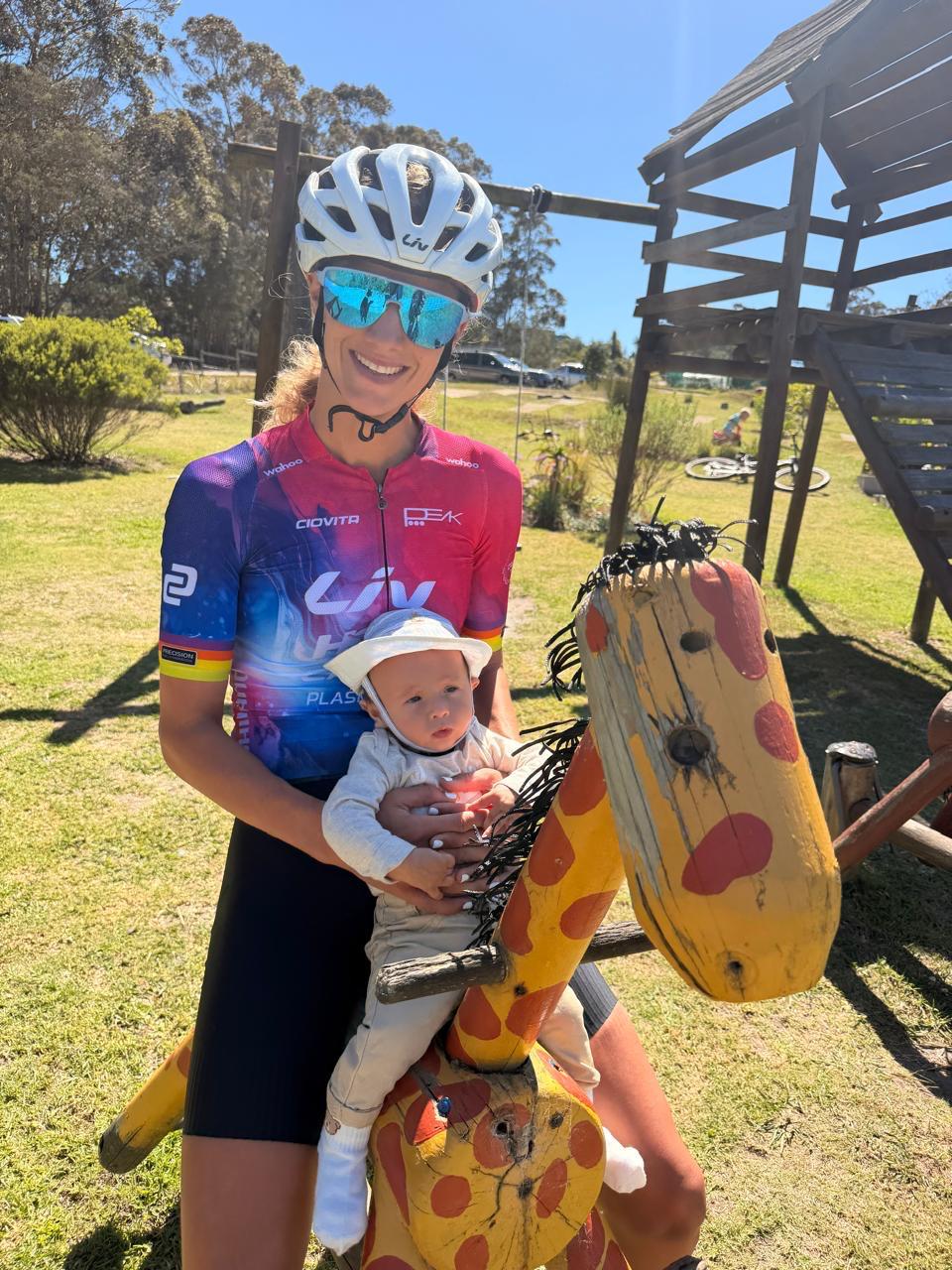
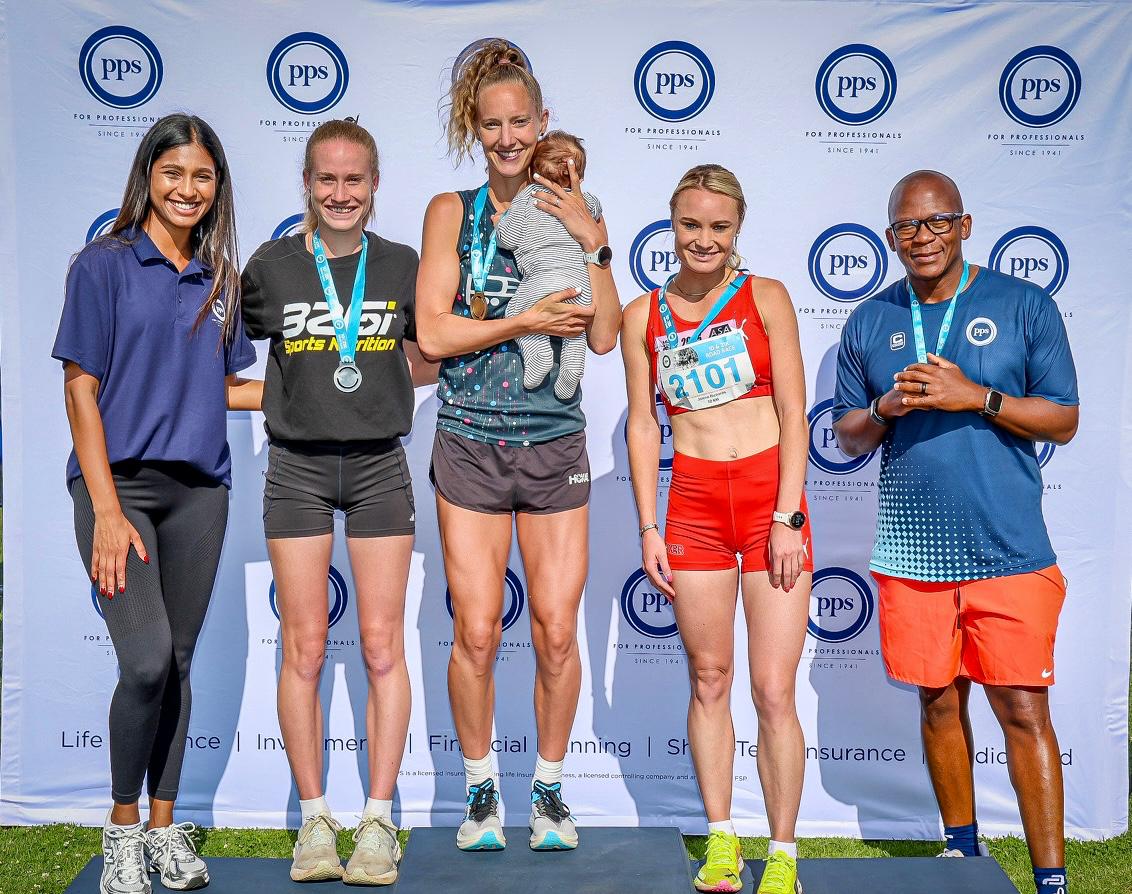
This time last year I was four months pregnant, running uncomfortably, feeling tired, and being very mindful of listening to my body to ensure my baby stayed healthy. Now I have an eight-month-old and I’m back pushing my body hard, taking him to races, and hoping he grows up inspired to find something he loves and works hard for.
Motherhood has changed everything. I now see my own mother in a completely different light. Watching her with my son Locky has made me realize just how incredible she was while raising me, and I feel even more grateful for her love and support.
Full Interview is Continued on Next Page
This interview is exclusive and taken by Namita Nayyar, President of womenfitness.net, and should not be reproduced, copied, or hosted in part or in full anywhere without express permission.
All Written Content Copyright © 2026 Women Fitness


Namita Nayyar:
Many women fear motherhood may slow down or interrupt their dreams. Your journey suggests otherwise. What message would you like to share with women navigating that fear?
Emma Pallant-Browne:
When I was younger, I believed I needed to achieve everything in sport before having a family. But over time, I watched mothers win Kona and Olympic gold medals and come back stronger than ever. That changed my perspective completely.
I truly believe you do not have to choose between motherhood and ambition. Yes, it can be tougher with a child, but it can also make you tougher. It improves time management, deepens gratitude for your support system, and gives you a bigger purpose. Sport can become even more meaningful.
Championship Mindset
From world titles in duathlon and aquathlon to podium finishes at the highest level of triathlon, Emma’s career reflects relentless evolution. Success in endurance sport demands far more than physical ability—it requires strategy, discipline, and mental toughness under pressure.
Namita Nayyar:
You won bronze in the 1500m at the 2008 World Athletics U20 Championships and later gold at the 2011 European Cross Country Championships. Then injuries forced a major turning point. Looking back, was that setback actually the beginning of something bigger?
Emma Pallant-Browne:
Absolutely. At 18, I always thought I would be a runner. I never imagined triathlon or duathlon would become my path. But after knee surgery, I had to become creative in how I trained and stayed fit.
Sometimes when something doesn’t go to plan, it opens the door to something even more exciting. That was true for me.
Namita Nayyar:
What was the darkest moment during your injury period, and what kept you going?
Emma Pallant-Browne:
My darkest moment came after knee surgery. I was in a lot of pain just walking and understood the long-term damage I had done. That was emotionally difficult because all my closest friends were runners, and I didn’t want to be around races or training sessions.
What helped was staying mentally engaged. I was studying for my physiotherapy degree, which gave me another goal. I started with hand cycling, then one-leg rowing, then cycling. Eventually, I discovered I genuinely enjoyed those disciplines, and that led me into duathlon and triathlon.

Namita Nayyar:
Elite sport demands discipline, but wellness demands balance. What do you do purely for joy and mental recovery outside training?
Emma Pallant-Browne:
Endurance sport taught me patience and discipline in a completely new way. In middle-distance running, everything happens fast. In triathlon, success comes from sustained focus over long periods, from managing energy, nutrition, pacing, and mindset. It taught me to think strategically.
Namita Nayyar:
In 2018, you completed your first full Ironman and qualified for Kona. Was there a moment when you thought, “I belong here”?
Emma Pallant-Browne:
Honestly, Ironman felt like pure survival! I crossed the line in pretty bad shape, largely because of nutrition struggles.
Coming from 1500m running, where races lasted about four minutes and fueling wasn’t a factor, learning how to properly fuel for four-hour and then eight-hour races was a huge challenge.

Namita Nayyar:
You won the Ironman 70.3 European Championship in 2022 and later earned world bronze. At that level, what separates podium finishers from champions?
Emma Pallant-Browne:
There’s definitely a big gap between finishing third and winning. When I was second at my first 70.3 World Championship, watching Daniella Ryf win made me hungry. I studied what she was doing to become more competitive.
Once you win a championship, the challenge changes—you know the level required, and your biggest competitor becomes the person you see in the mirror every day.
Motherhood & Mental Strength
Motherhood introduced a new challenge—and a new source of power. Rather than stepping away from elite competition, Emma embraced this chapter as another evolution of strength, proving that motherhood and ambition can thrive together.
Namita Nayyar:
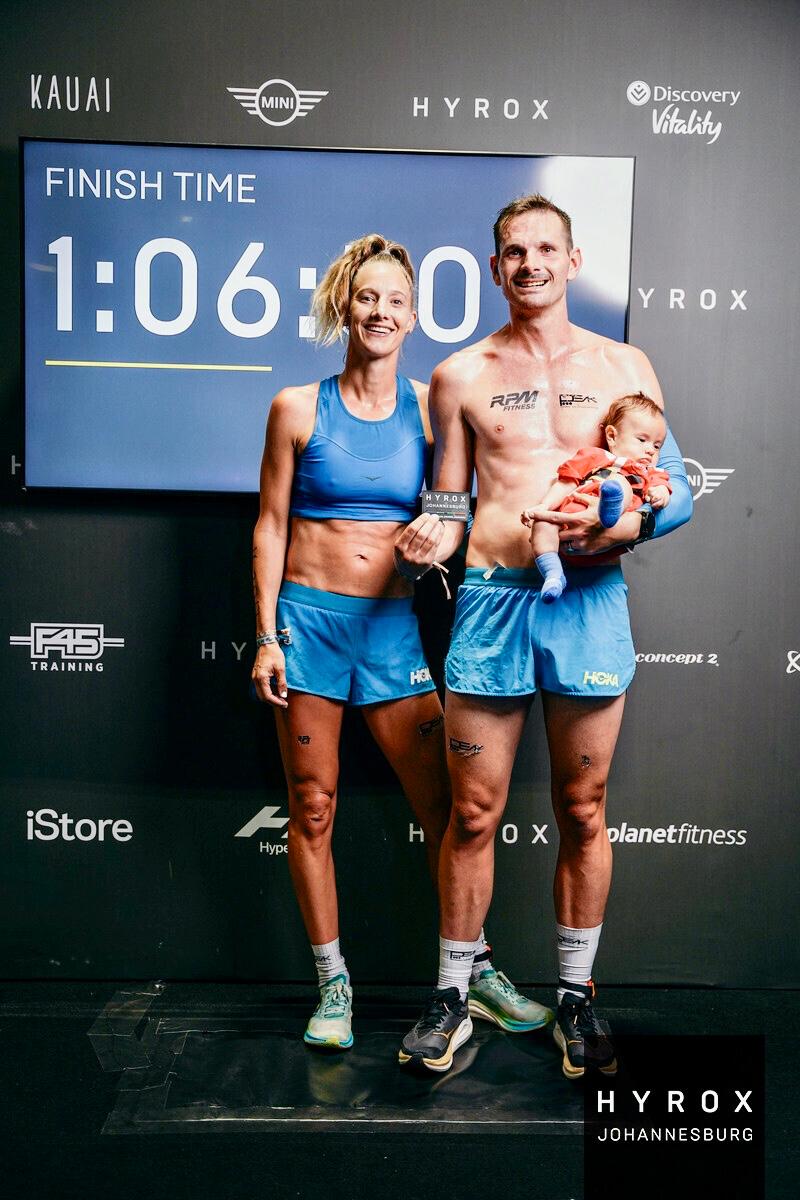
You ran 7 km the day before giving birth. What did pregnancy teach you about trusting your body?
Emma Pallant-Browne:
The biggest lesson was not to follow a rigid plan. Your body is incredibly intelligent and gives you clear signals through heart rate and how you feel.
I expected to swim until birth, but swimming became difficult first. Then cycling became uncomfortable. Running actually felt fine throughout, even though it got slower. I simply kept listening to my body.

Namita Nayyar:
How has becoming a mother made you mentally stronger as an athlete?
Emma Pallant-Browne:
I now have a stronger motivation than ever—to inspire Locky. I want him to grow up seeing me work hard and love what I do. In the darkest training moments, when you need to dig deeper, I think of his face. That gives me strength.
Namita Nayyar:
Walk us through a typical training day now versus pre-motherhood.
Emma Pallant-Browne:
Before pregnancy, life revolved around training, recovery, sleep, and nutrition. Sleep was a huge priority.
Now sleep is the biggest change! Locky can wake up five times a night, so six hours feels like a great night. My husband and I rely heavily on teamwork. We tag-team childcare so we both get our key sessions done. It’s definitely a balancing act, but we make it work.
Training, Nutrition & Recovery
Peak performance is built on consistency. Behind every race result lies a carefully managed routine of training, recovery, fueling, and discipline—each element playing a vital role in sustaining excellence.
Namita Nayyar:
For our fitness readers, what does one of your toughest quality sessions look like?
Emma Pallant-Browne:
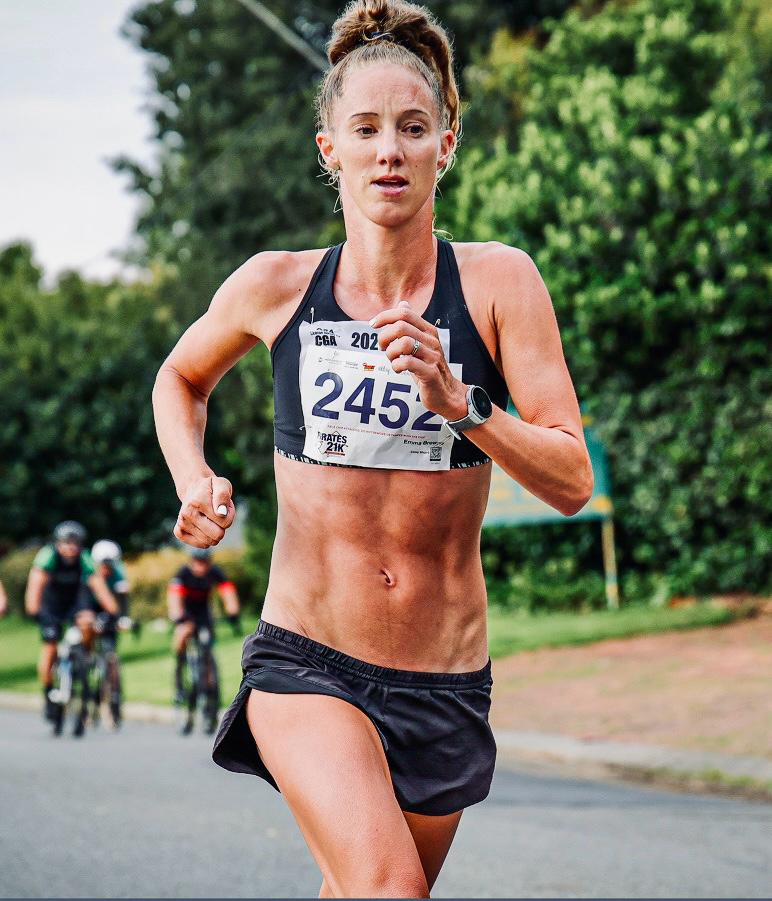
Right now I’m focused on running.
Morning: 10-minute warm-up, then 10 × 1 km with 1-minute recovery, followed by 5-minute cool-down.
Lunchtime: Stretching, foam rolling, and glute activation.
Evening: 3 sets of 8 × 400m with 30 seconds rest, descending pace each set from 80 seconds to 70 seconds.

Namita Nayyar:
What does nutrition look like on a heavy training day?
Emma Pallant-Browne:
I usually eat before training because I still find fasted sessions difficult. On heavy days I focus on fueling consistently, hydrating well, and eating smaller frequent meals.
Post-session recovery is very important.
Namita Nayyar:
What is your non-negotiable recovery drink?
Emma Pallant-Browne:
Chocolate milk! It’s quick, easy, and always works for me.
Wellness beyond Performance
For endurance athletes, recovery extends beyond muscles and metrics. Long hours in the sun, water, and wind demand intentional self-care, making wellness, skincare, and recovery essential parts of performance.
Namita Nayyar:
Endurance athletes spend hours under sun, chlorine, and sweat, making recovery as much about skincare as muscle care.
Emma Pallant-Browne:
Very simple. I wash my face morning and post-session. For hair, I follow a three-day routine—rinse, shampoo, then condition. For skincare, I use BB cream with sun protection, moisturizer, and SPF 50 sunscreen.
Strength beyond the Finish Line
Namita Nayyar:
Women Fitness 26th anniversary theme celebrates strength in women. As an elite triathlete, how has your understanding of a “strong body” evolved over the years—beyond speed, medals, and performance?
Emma Pallant-Browne:
To me, a strong body is one that can handle the demands of everyday life—from lifting your children and walking your dogs to training hard without constantly breaking down. Strength is also about resilience: staying healthy, recovering quickly, and being able to fight off the inevitable bugs and challenges life throws your way. Over the years, I’ve realized that true strength isn’t just about having exceptional days of peak performance; it’s about consistency—maintaining a healthy, capable body that supports you through all of life’s daily demands.
Namita Nayyar:
Many women struggle with comparison, especially in fitness spaces. What would you say to someone learning to appreciate and trust their own body’s unique strength?
Emma Pallant-Browne:
The beauty of the female body lies in its incredible diversity. Every woman’s body is unique, and that individuality is something to celebrate. While we can support one another, share advice, and connect through similarities, it’s equally important to honor what makes your body distinctly yours.
Your body is part of what makes you special. Love it, cherish it, embrace it, and care for it—because it is one of the greatest gifts you will ever have.

Namita Nayyar:
As we celebrate women of resilience in this special issue, what message would you like to share about honoring everybody—at every age, stage, and season of life?
Emma Pallant-Browne:
Every stage of life carries its own beauty, lessons, and strengths. It’s important to stay present and fully embrace the season you are in, rather than spending too much time worrying about the future or dwelling on the past. Be present, appreciate the journey, and make the most of every moment. Life is meant to be lived fully—so embrace it with gratitude and joy.
Emma Pallant-Browne’s journey reminds us that strength is never static—it evolves through adversity, adaptation, and purpose. Whether chasing podiums, embracing motherhood, or inspiring the next generation, she continues to prove that greatness lies not only in winning, but in continually redefining what is possible.
This interview is exclusive and taken by Namita Nayyar, President of womenfitness.net, and should not be reproduced, copied, or hosted in part or in full anywhere without express permission.
All Written Content Copyright © 2026 Women Fitness