


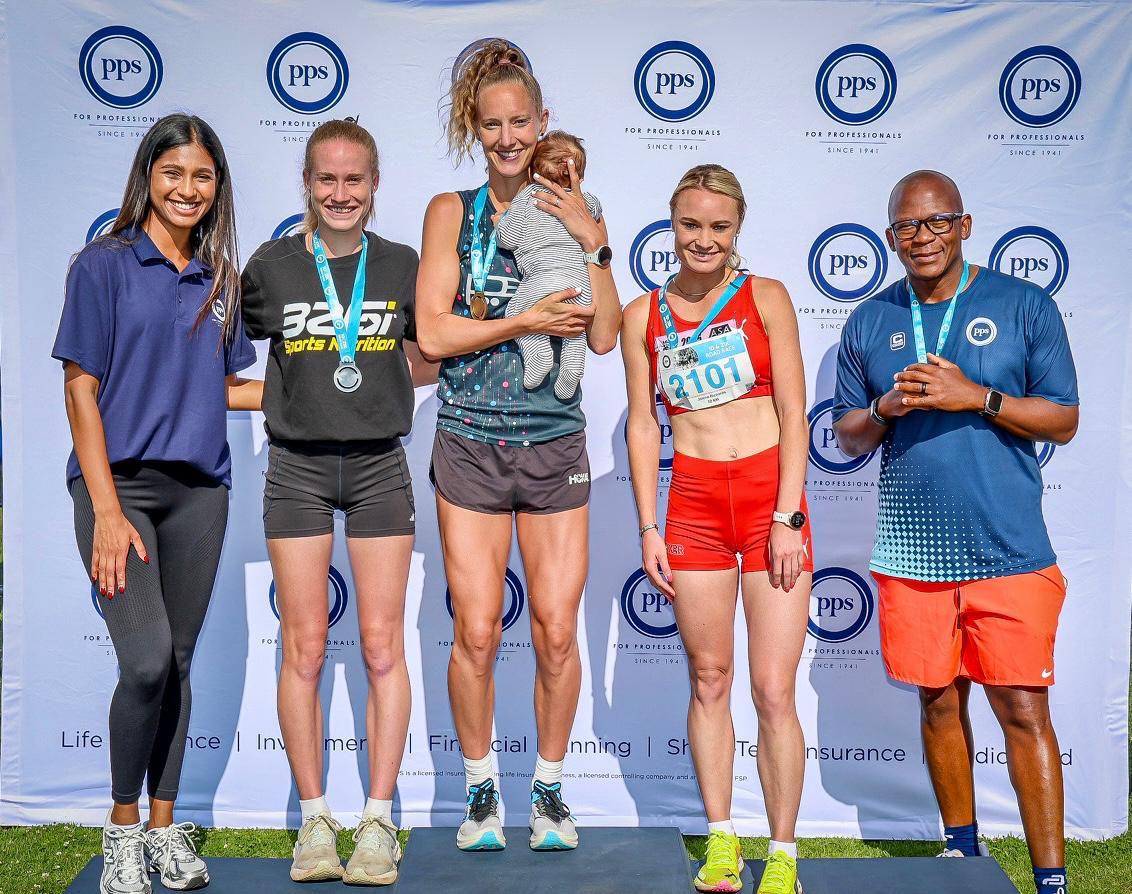
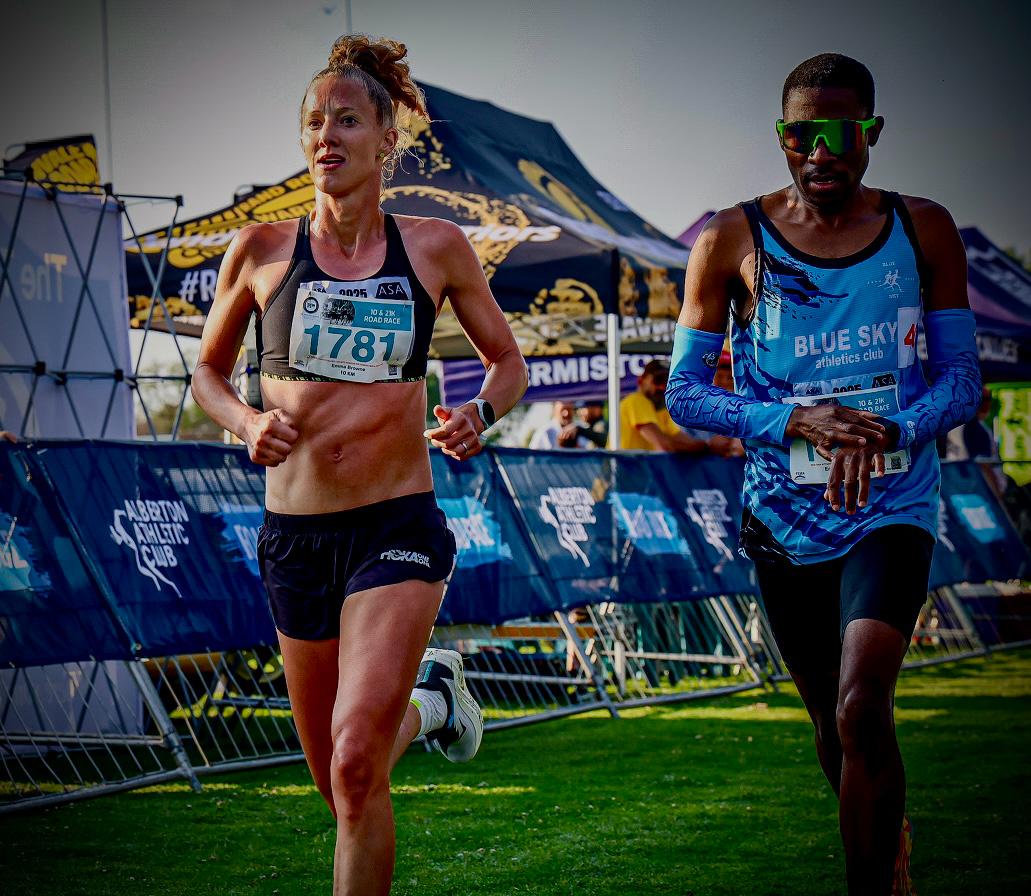
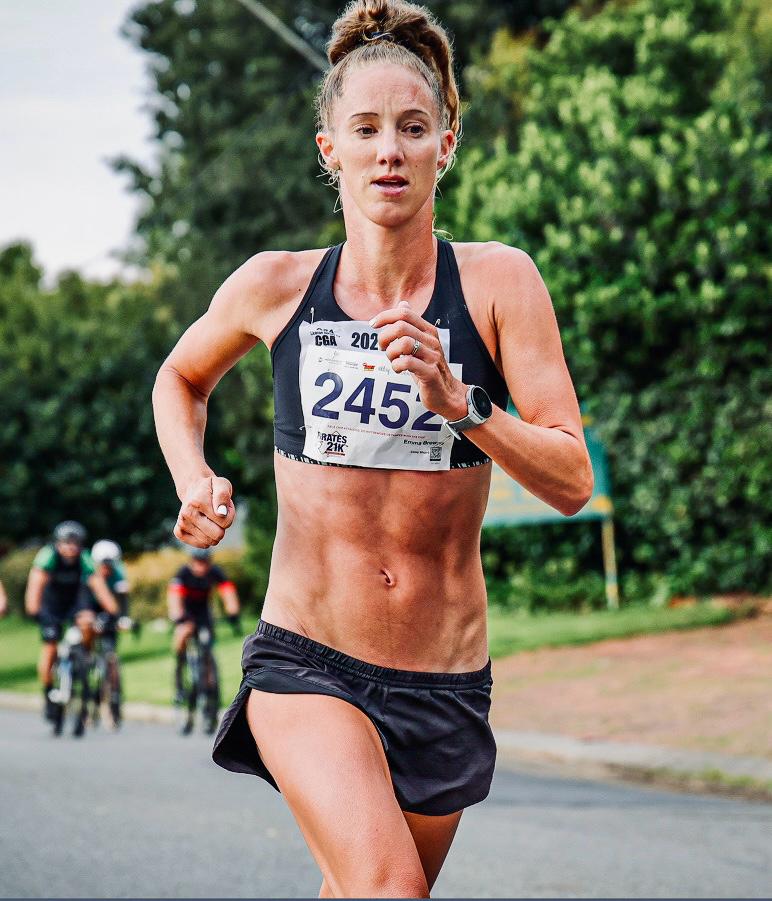
Emma Pallant-Browne, she is a British triathlete and former track and cross country runner.
She was a bronze medalist over 1500 meters at the 2008 World Athletics U20 Championships in Bydgoszcz, Poland. She won gold medals in the individual and team U23 races at the 2011 European Cross Country Championships in Slovenia. However, after suffering injuries she transitioned to duathlon and triathlon. She won two World Duathlon titles in 2015 and 2016 and a World Aquathlon title in 2017. In 2017, she also won silver at the Ironman 70.3 World Championship.
She finished third in her first full Ironman distance triathlon in 2018 and qualified for the 2018 Ironman World Championship. In June 2022, she won the Ironman 70.3 European Championship in Elsinore, Denmark. She won the bronze medal at the 2022 Ironman 70.3 World Championship. In August 2023, she finished fourth at the 2023 Ironman 70.3 World Championships.
She believes motherhood and elite sport can coexist, alongside a trailblazing company supporting female athletes through pregnancy and return to competition.
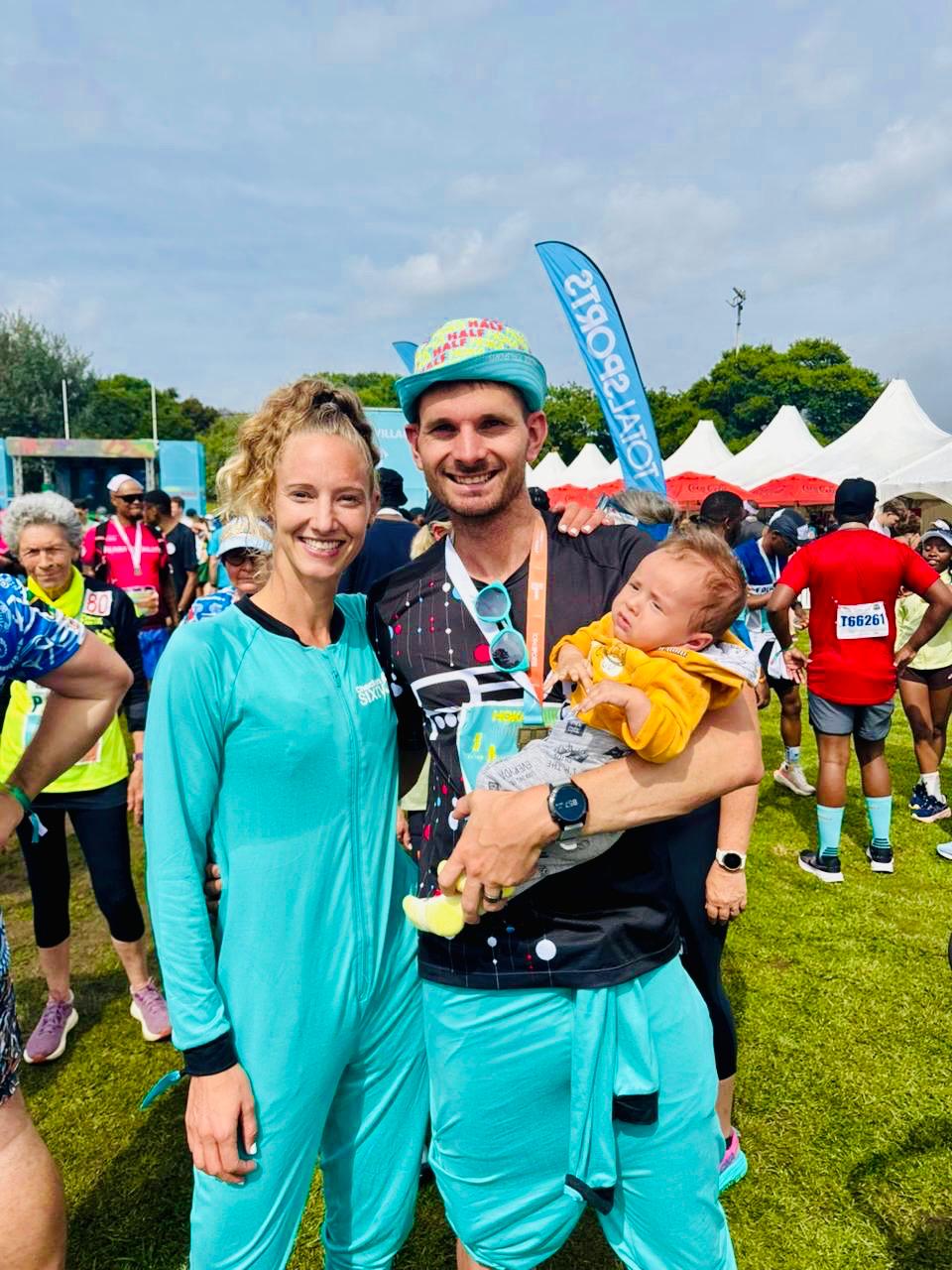
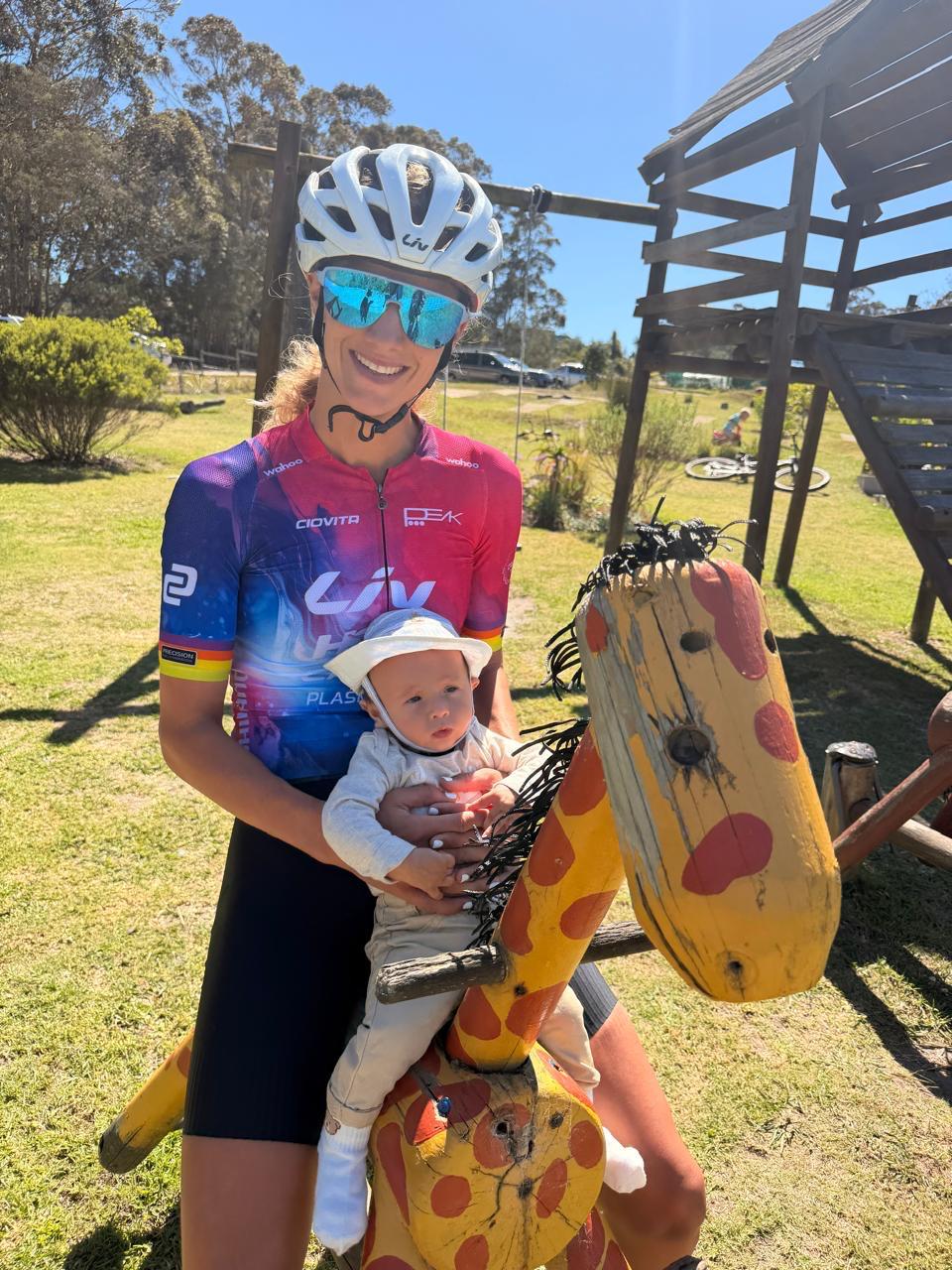
Emma, a new mum of one who completed a 7km run the day before giving birth, is proving that having children does not mean having to step away from top-level competitions. On the contrary, becoming a mother has even contributed towards breaking her personal bests.
Women Fitness President Ms. Namita Nayyar catches up Emma Pallant-Browne an exceptionally talented, British Triathlete here she highlight her unique career arc, her advocacy for mothers in elite sport, and specific tie-ins to Mother’s Day 2026.
Namita Nayyar:
As we speak just before Mother’s Day 2026, looking back at the journey from running 7km the day before giving birth to your current form, what does this particular Mother’s Day mean to you compared to any previous one?
Emma Pallant-Browne:
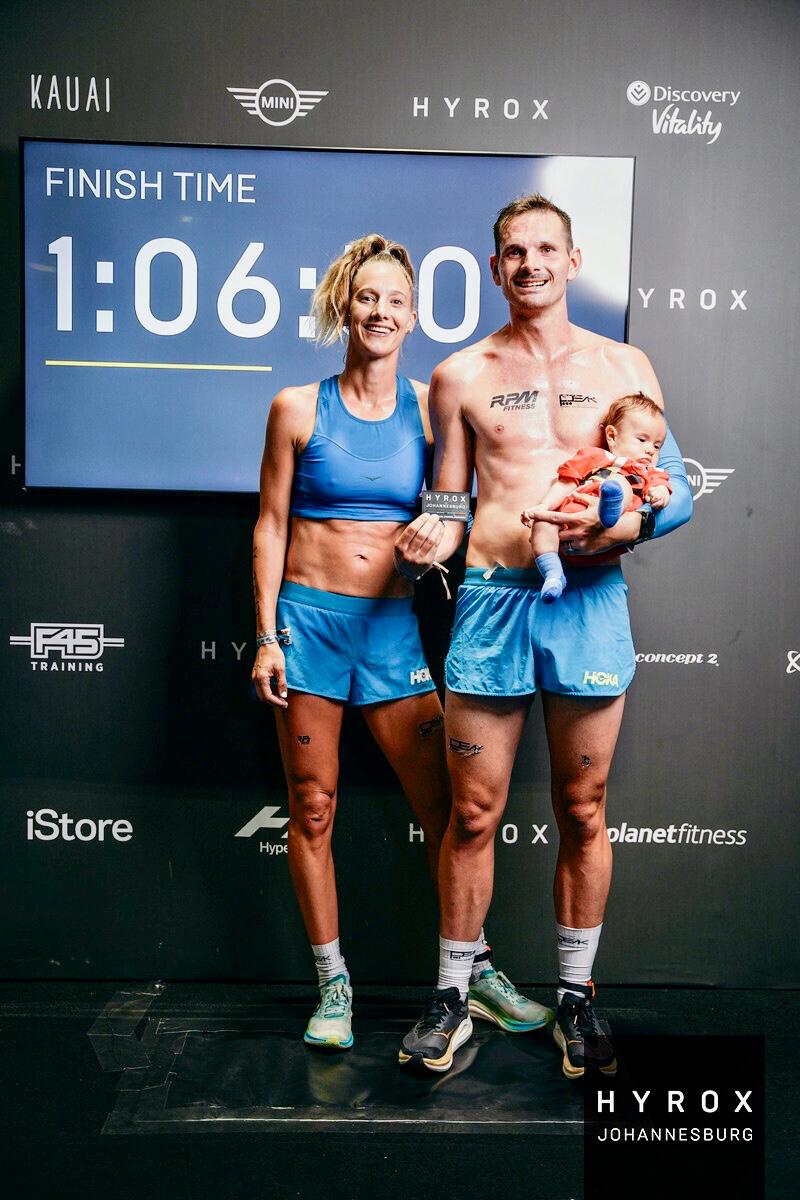
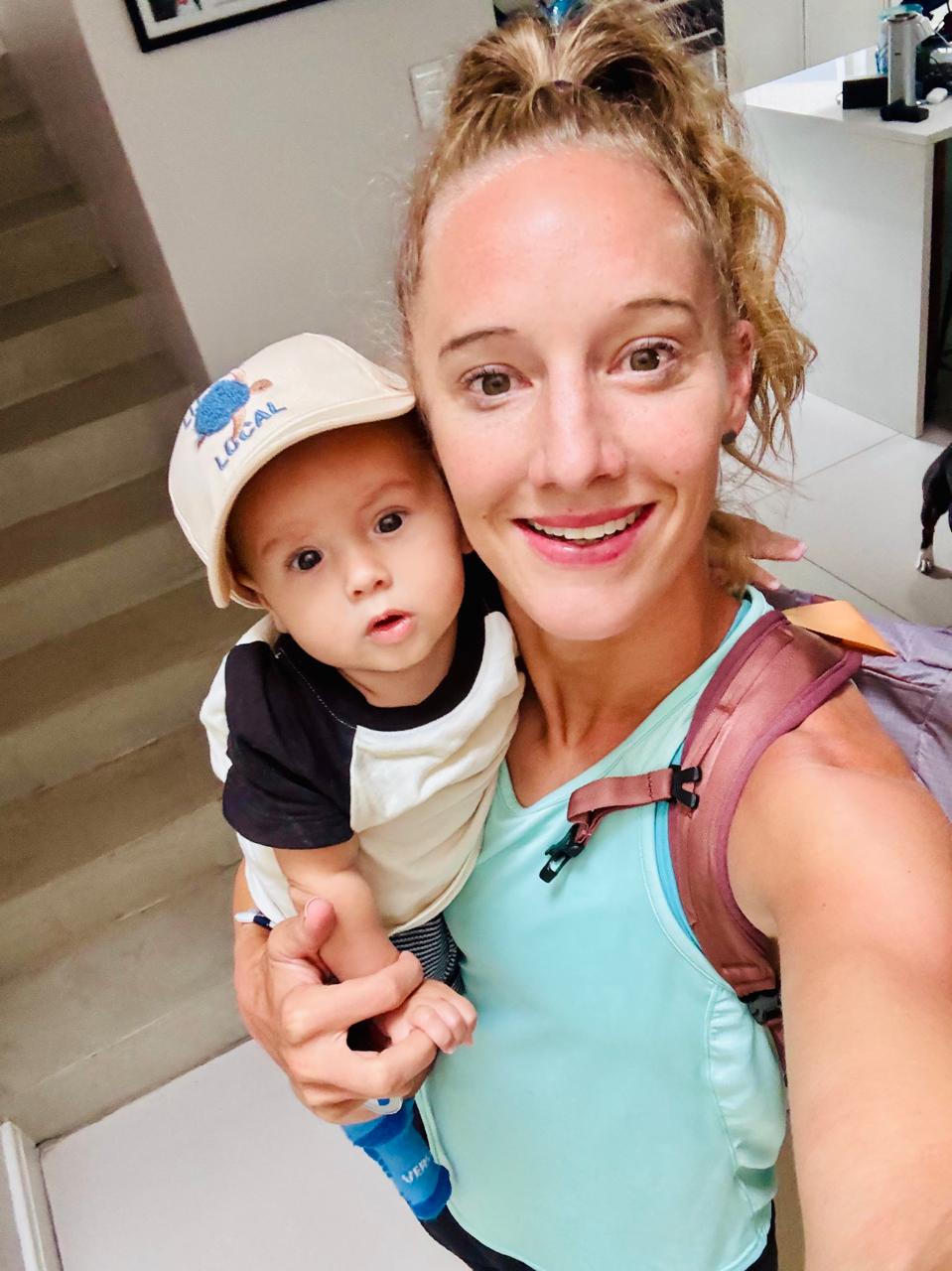
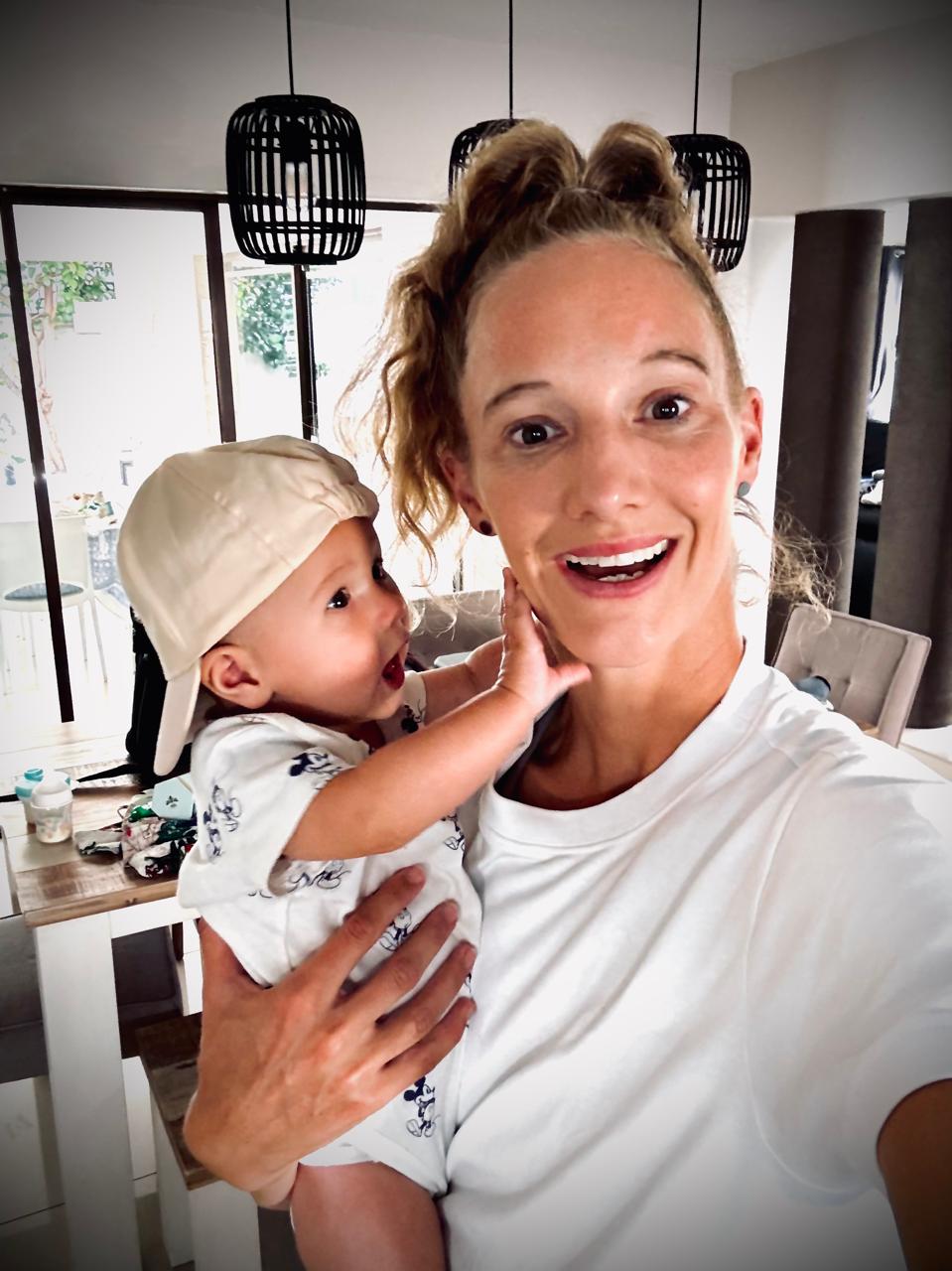
Wow this time last year I was four months pregnant and running uncomfortably, feeling tired and feeling really responsible for listening to my body to ensure my little growing baby stays nice and healthy. Now this mother’s day I have an 8month old and I am back pushing my body hard and taking him along to the races and hoping he gets inspired to find something that he is just as passionate about in life and enjoys doing and working for.
I think this mother’s day is super special because now I have seen my mum with my son Locky I see how much of an amazing mom she must have been to me in real time and I am even more grateful for her as a mother and the support she has given me as a new time mom.

Namita Nayyar:
What is the single most important message you want to send to new mothers reading this who feel they have to choose between their pre-baby identity (especially as athletes) and motherhood?
Emma Pallant-Browne:
This was how I felt when I was younger that I would need to achieve everything I wanted to in sport before having a family of my own, then I grew up watching mothers win Kona, win Olympic gold medals and come back stronger than ever and I truly do believe you don’t have to choose between the two.
It might be a bit tougher with a child but it makes you tougher, it makes you better at time management, it makes you appreciate your team more, it gives you a bigger drive and a bigger purpose and can make sport even more meaningful than ever before.
Namita Nayyar:
You’ve famously said motherhood and elite sport can coexist. On Mother’s Day 2026, what is the specific daily piece of advice you would give to a mum who is struggling to find 20 minutes for a workout?
Emma Pallant-Browne:
It’s definitely hard, to begin with I found it so tough to leave Locky but it is so important to give yourself that time in the day because that 20mins to do your exercise can get you coming back to your baby more energized, less stressed, happy and with the endorphins that will feed into your baby and play time and love with them.
If there isn’t anyone around to look after your baby for a short time in the day then doing a home workout like a YouTube Pilates or going for a walk with baby all wrapped up, finding a way to get the body moving and feeling good because it has so so many mental benefits that go beyond the physical.
Namita Nayyar:
Looking back at your bronze medal in the 1500m at the 2008 World Athletics U20 Championships in Bydgoszcz, did that 18-year-old version of yourself ever imagine she would become a two-time World Duathlon Champion and an IRONMAN 70.3 European Champion?
Emma Pallant-Browne:
I think the 18 year old me always thought I would be a runner, I never even considered triathlon or duathlon until I had knee surgery and had to be more inventive with my ways to train and keep fit with limited run mileage. It really is true that when something doesn’t go to plan it can just mean a more exciting plan can come to light and I always knew the door was never shut on running, I could come back to it at any time so it made the decision a lot easier.
Namita Nayyar:
After winning gold at the 2011 European Cross Country Championships in Slovenia, injuries forced you to pivot dramatically. Many athletes retire at that point. What was the darkest moment of that injury period, and what specifically made you try duathlon instead of quitting?
Emma Pallant-Browne:
I think my darkest point came after my knee operation when I was in a lot of pain walking around and knew the extent of the long term damage I had done but I saw it as a challenge to keep the body fit using my upper body to begin with but it was tough because all my closest friends were all runners and I didn’t want to be around races or at training sessions or talking about running.
It helped that I was busy getting my Physio degree at the time so that kept me mentally busy and I still had a goal I was working to there and then I found I could keep fit on the hand cycle first, then one leg rowing and then cycling after that which I actually really enjoyed and that’s when I started learning more about duathlon and triathlon.
Namita Nayyar:
You won World Duathlon titles in 2015 and 2016, then a World Aquathlon title in 2017, followed by silver at the Ironman 70.3 World Championship in 2017. That is four different disciplines in three years. How did you mentally switch between such different physiological demands?
Emma Pallant-Browne:
My big goal was the triathlon world champs and I knew that the swim was my weakness and so with my run and bike being in a good place the duathlon came a bit easier to me so I really focused on the swimming and I think the Aquathlon was the toughest one but it showed how much my swim had improved and that really helped with my triathlon.
I think breaking it down to prioritize each discipline really helped so the swim was the big focus, the biking came second and the run I just relaxed more on and loved all my run sessions! But I do think it helps prioritizing race focus too so having an A race (the biggest goal of the season which everything focuses around) a few B races (pretty important but lead into the A race) and C races that you train through a bit more.

Namita Nayyar:
In 2018, you finished third in your first full Ironman and qualified for Kona. Was there a moment during that race where you thought, “I actually belong here,” or was it pure survival?
Emma Pallant-Browne:
For me ironman was pure survival! I was in a pretty bad way crossing the line and a lot of it was down to the nutrition side of things. Coming from running 1500m which was a 4 minute event which I definitely didn’t need to fuel during to 4hour races in the half ironman races where I got away sometimes with under fueling and then doubling that to ironman I really struggled with my nutrition and keeping the carbs down!
Namita Nayyar:
Fast-forward to 2022: You win the Ironman 70.3 European Championship in Elsinore, then bronze at the 70.3 World Championship. Then 4th in 2023. What is the difference between bronze and the top step of the podium at that level?
Emma Pallant-Browne:
There definitely feels like a big gap between winning the worlds and coming third. When I was second at my first World 70.3 Champs, I looked at Daniella Ryf who won and it made me hungry for me, I tried to look at what she was doing to help make me more competitive and that’s why I chose to race an ironman.
I think then when you win a championship it seems a bit more simple because you know what you do and where the level is at and you know you need to beat yourself next year and so your rival becomes the one you look at in the mirror each day and that’s easier to analyse and know where to improve on because you know your rival inside out.
Namita Nayyar:
You are now part of a movement (alongside athletes like Jocelyn) proving that having children can break personal bests. Can you name one specific physiological or mental change from pregnancy that you believe has made you a better triathlete?
Emma Pallant-Browne:
I think now a a mother I have a more powerful motivation and drive now than ever before, to inspire Locky. For him to grow up seeing me work hard and loving what I do and all the things that sport adds to life, I really want to be the best role model possible to him and its his little face now I think of in those moments of training where you hit the deep dark place and need to dig the deepest to find something more.
Full Interview is Continued on Next Page
This interview is exclusive and taken by Namita Nayyar, President of womenfitness.net, and should not be reproduced, copied, or hosted in part or in full anywhere without express permission.
All Written Content Copyright © 2026 Women Fitness

Namita Nayyar:
Tell us about the trailblazing company you are building/backing that supports female athletes through pregnancy and return to competition. What is the one service or resource you wish existed when you were pregnant that you are now providing?
Emma Pallant-Browne:
I talk a lot about the PTO maternity clause and I think it really is huge for females in sport and I think it should inspire more sports to do the same. Its really hard in sports where you rely on rankings to get into the top races and for PTO to freeze rankings when you fall pregnant under their maternity clause, to pay the athletes contract for 14 months and supply three wild card race entries to mothers when they are ready to return to racing at the top level is great and its only going to elevate female sport.
That and the sponsors that continue with their mothers through pregnancy and with their return to sport because mothers do have a place in elite sport as has been shown time and time again now and its only possible with the team of sponsors that believe and support them being patient for a safe return to the top because it does take a bit of time.
Namita Nayyar:
Jocelyn recently announced her third pregnancy after competing at IRONMAN New Zealand. How do you and Jocelyn support each other as elite mothers? Is there a text exchange or ritual you share before races?
Emma Pallant-Browne:
I definitely had a lot of conversations with mothers in triathlon when I was pregnant and now as a mother. I think it really draws you close together and as competitors you have so much more understanding and respect for each other and also offer support to each other because you know the challenges that are out there and its barriers that we all want to see keep on getting broken because more mothers in sport means more children in sport and more happy healthy families and I think as an elite athlete you really do feel your responsibility in this movement and want to back all the others sharing the same messages.

Namita Nayyar:
Walk us through a typical training day now versus a typical training day pre-child. Where do you find the 2-3 hours you need?
Emma Pallant-Browne:
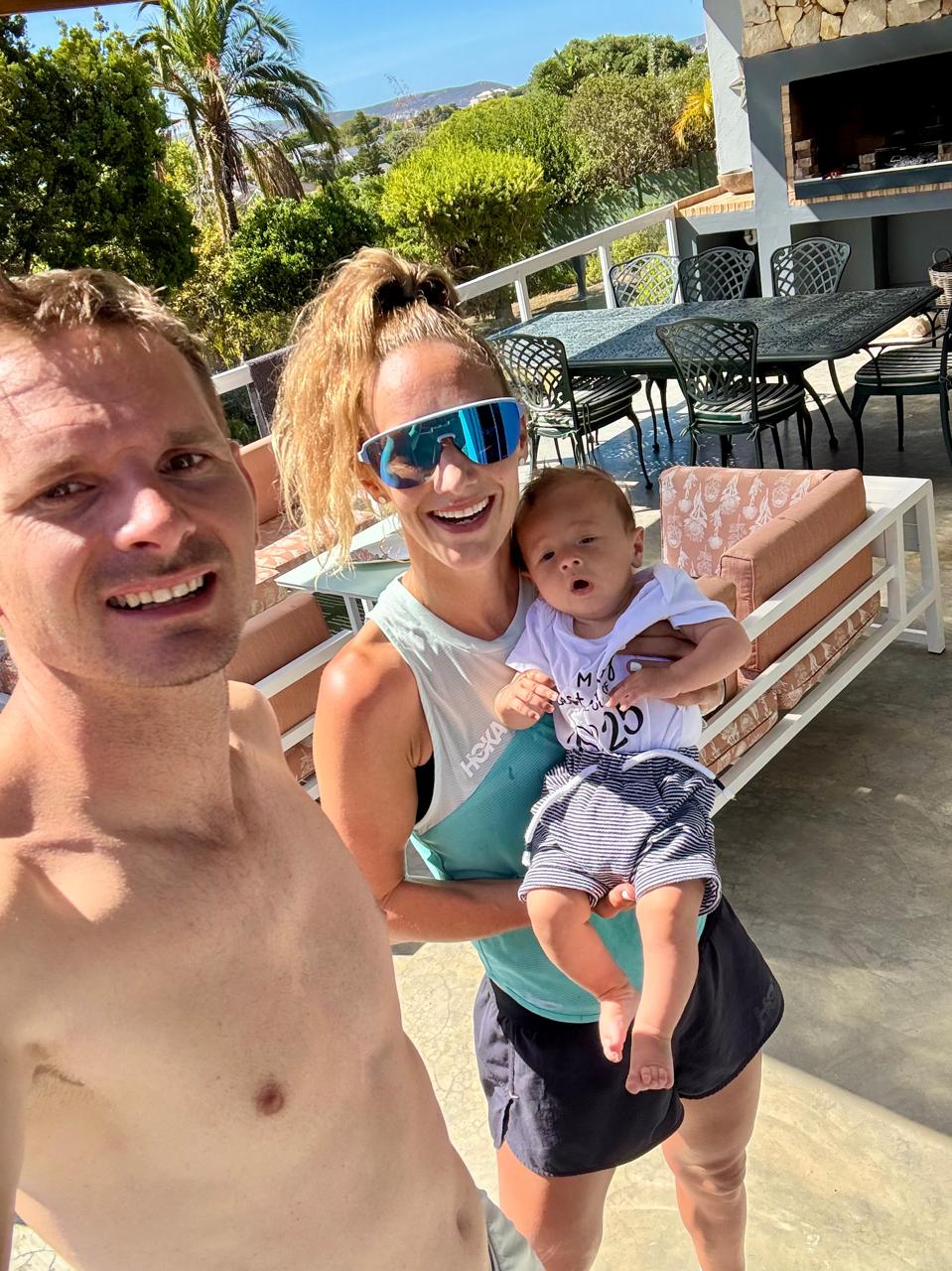
Pre pregnancy I really did live sleep and eat training, we did our socialising in evenings but I always made sure that I got good sleep because that really helped me stay well recovered to race and travel so much each year with good health. Sleep I would say is the biggest change now, Locky will often wake up five times in the night and if I get six hours sleep a night its a good night but I know this is a stage that will pass. We have a nanny come in three times a week from 5am – 8am so me and my husband can do our key sessions and do some training together.
The other four days we tag team so one of us will get up early for their key session (which we both fight to go first so we do two days each where we go first) and then will come back and recover looking after Locky whilst the other one trains before my husband has to leave for work.
Then when he gets back he will look after Locky so I can do my evening session. I can also do my gym work in the day because our gym has a nursery which I pop him into a can get a workout done then. Then when Locky sleeps in the day and goes to bed early at night is when I get all my coaching work done, so it’s a balance but we get the days done!
Namita Nayyar:
What does a key “quality session” look like for you in 2026 (e.g., a specific bike/run brick workout)? Please give us the exact set/reps/distance.
Emma Pallant-Browne:
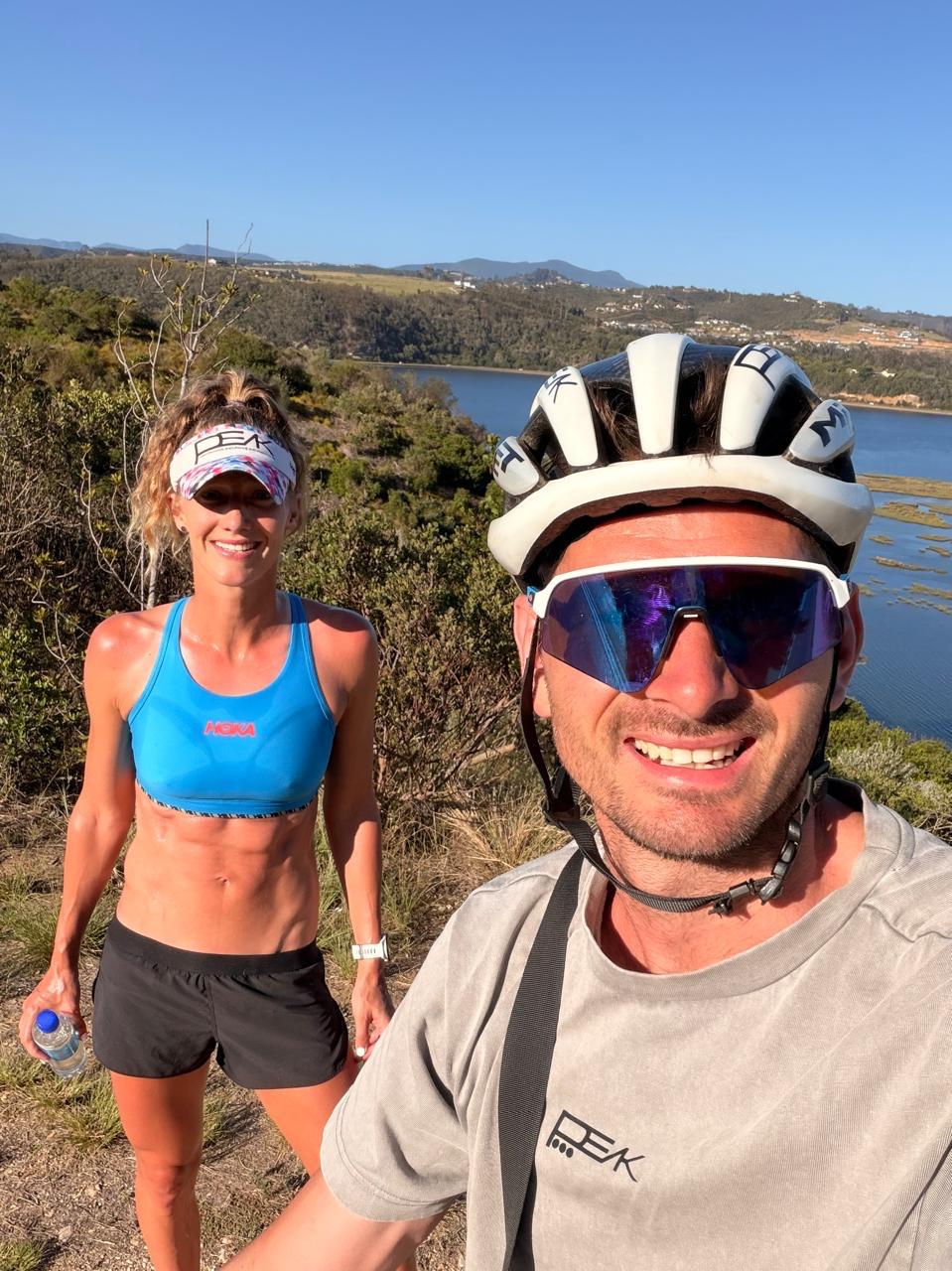
At the moment I am training for running races so a typical key training day for me (I do three of these a week) would be:
Morning: warm up 10mins, 10 x 1km with 1min rest in between, cool down 5mins
Lunchtime: stretch, foam roll, glute activation
Evening: 3 sets of 8 x 400m off 30secs descending the sets so starting out running 8 x 400m at 80sec, the second set 8 x 400m on 75sec and the last set at 70sec pace, short rest and getting leg turnover up, again normally doing 10mins warm up and 5mins cool down
Namita Nayyar:
You ran 7km the day before giving birth. What is your advice to pregnant athletes about listening to their body versus pushing limits? Where is that line?
Emma Pallant-Browne:
I think the key is not to have a rigid plan because your body is so smart and it really does tell you in your HR and how you feel when you are over doing it. I expected to be swimming up to birth and possibly cycling and then actually it was the total reverse. In the first trimester I felt really nauseous in the water and stopped swimming first.
Then the biking started getting sore because he was sitting low so that was the second thing to go and running felt fine all the way up. It got slower and slower but I just listened to my body and as long as I felt good after the run (and often felt better than before the run) then I just kept listening to the body, I slept well and I ate well and I am so grateful to have been able to go all the way to birth and I think the strength training also really helped because by the end it puts quite a lot of stress on your joints!
Namita Nayyar:
Postpartum return: What was the first workout you did after your child was born, and how did it feel emotionally vs. physically?
Emma Pallant-Browne:
I did a walk the next day around the ward and then out into the car park, it was a bit tender and I was a bit sore around the C-section scar. Then the firsts actual session with a warm up and cool down etc I did was on the indoor bike and I felt like my HR went wild but it felt so good to push again and without the worry of over doing it from a HR point of view
Namita Nayyar:
How has your diet changed as a breastfeeding (if applicable) or postpartum endurance athlete compared to your pre-motherhood Ironman diet?
Emma Pallant-Browne:
I definitely day to day and at night ate a lot more (little and often) when I was breast feeding because I just felt hungry all the time but I also put the same importance on keeping hydrated as I did when I was training for the ironman.
I think training for the ironman I had bigger meals and probably didn’t eat as frequently but with breast feeding I had a lot more snacks and I found it harder to eat big meals all at once, four smaller meals felt a lot better
Namita Nayyar:
Give us a full day of eating on a heavy training day (e.g., 4-hour bike + run). What does breakfast, lunch, dinner, and snacks look like?
Emma Pallant-Browne:
Right now I still find it hard to train without eating first so on a double key sesh run day it would be a bit like this:
2 x hot cross buns pre session
1 x PF and H 30g gel during the session and bottle 500ml with 1500 sodium PFandH sachet
Post session chocolate milk
Breakfast: granola and yoghurt
In the day drink 1L PF and H 1500 electrolytes
Lunch: egg on white toast with cottage cheese
Post gym rusks and a coffee
Second sesh: 1 x PF and H 30g gel during the session and bottle 500ml with 1500 sodium PFandH sachet
Post session chocolate milk
Dinner: spaghetti bolognaise with green salad and then maybe a few squares of choc before bed and a hot milk
Namita Nayyar:
What is your non-negotiable recovery food or drink immediately after a hard session?
Emma Pallant-Browne:
At the moment its chocolate milk, I think its just so quick and easy and handy to have with me all the time, when I make bottles for Locky I check that I have my post session drink ready too
Namita Nayyar:
Let’s be real: Chlorine, sweat, sunscreen, and helmets wreak havoc. What is your actual, realistic hair care routine for keeping your hair healthy as a swim-bike-run mum?
Emma Pallant-Browne:
I always wash my face in the morning to wake up and post session because it feels grimy then I am on a three day routine of day 1 my hair just gets rinsed, day 2 I shampoo and day 3 I condition because I find if I put too much in it it just feels heavier and greasy
Namita Nayyar:
Skin care: You’re outside for hours. What are the three products you swear by for sun protection and post-training skin repair?
Emma Pallant-Browne:
Sorbet BB cream is my every day protection because it moisturizes and sun protects
Moisturizer I use Garnier holiday skin to keep that tan even
Sun cream I rotate factor 50 on whatever is on special so I don’t get sick of the smell
Namita Nayyar:
Do you have a “5-minute face” routine for when you have to go from a morning swim straight to a school run or media commitment?
Emma Pallant-Browne:
I wash my face with scrub, I put on my BB cream, quickly draw on some eyelashes (which the chlorine seems to kill) and I am out the door! If my eyes look really tired then I also add some waterproof mascara
Namita Nayyar:
Looking ahead beyond 2026: Do you see yourself chasing another full-distance Ironman World Championship podium, or are you focused on dominating the 70.3 circuit? What is the specific goal on your calendar right now?
Emma Pallant-Browne:
Right now I am focusing on running fast, I would love to win some of the big 10km races and half marathons over here in South Africa and then lead into a Marathon debut in Valencia in December and see how fast I can run there
Namita Nayyar:
You’ve won World titles in duathlon and aquathlon, plus European and World medals in 70.3. Is there a single race or title you feel you still need to conquer?
Emma Pallant-Browne:
I definitely want to still run PBs on the road. I have run a 10km and half marathon PB as a triathlete (off triathlon training) and now I really want to try and run the Olympic qualifying time for the marathon
Namita Nayyar:
Finally, on Mother’s Day 2026, if your child reads this interview in ten years, what is the one sentence of wisdom you want them to take away from your story of injuries, comebacks, world titles, and motherhood?
Emma Pallant-Browne:
That if you are passionate about something in life, never give up, no matter how many times you have to divert, you have to change plans or find creative ways to achieve your goal , keep doing what makes you happy and if it stops making you happy then go back to your why and get that happiness back.
Namita Nayyar:
Quick-Fire Round
Emma Pallant-Browne:
- Go-to pre-race song? Rebel yell – scooter
- Coffee or tea? Coffee
- Wetsuit or skinsuit? Wetsuit
- Kona or Nice? Nice
- One food you cannot live without during race week? White rice!
- Best piece of advice from another mother in sport? Learn to be flexible
Emma Pallant-Browne Social Media Presence
Instagram: https://www.instagram.com/em_pallant/
This interview is exclusive and taken by Namita Nayyar, President of womenfitness.net, and should not be reproduced, copied, or hosted in part or in full anywhere without express permission.
All Written Content Copyright © 2026 Women Fitness