Namita Nayyar:
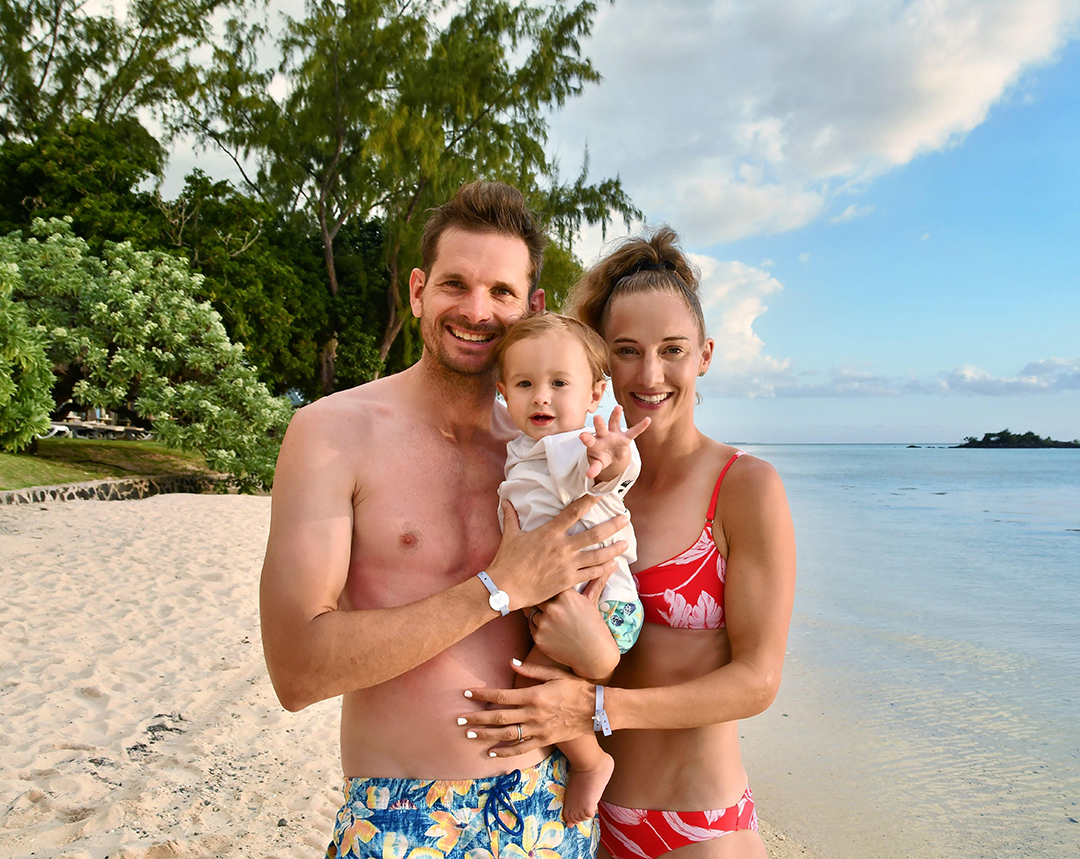
Many women fear that motherhood may slow down or interrupt their dreams. Your journey suggests otherwise. What message would you like to share with women navigating that fear?
Emma Pallant-Browne:
When I was younger, I believed I needed to achieve everything in sport before having a family. But over time, I watched mothers win Kona and Olympic gold medals and come back stronger than ever. That changed my perspective completely.
I truly believe you do not have to choose between motherhood and ambition. Yes, it can be tougher with a child, but it can also make you tougher. It improves time management, deepens gratitude for your support system, and gives you a bigger purpose. Sport can become even more meaningful.
Championship Mindset
From world titles in duathlon and aquathlon to podium finishes at the highest level of triathlon, Emma’s career reflects relentless evolution. Success in endurance sport demands far more than physical ability—it requires strategy, discipline, and mental toughness under pressure.
Namita Nayyar:
You won bronze in the 1500m at the 2008 World Athletics U20 Championships and later gold at the 2011 European Cross Country Championships. Then injuries forced a major turning point. Looking back, was that setback actually the beginning of something bigger?
Emma Pallant-Browne:
Absolutely. At 18, I always thought I would be a runner. I never imagined triathlon or duathlon would become my path. But after knee surgery, I had to become creative in how I trained and stayed fit.
Sometimes when something doesn’t go as planned, it opens the door to something even more exciting. That was true for me.
Namita Nayyar:
What was the darkest moment during your injury period, and what kept you going?
Emma Pallant-Browne:
My darkest moment came after knee surgery. I was in a lot of pain just walking and understood the long-term damage I had done. That was emotionally difficult because all my closest friends were runners, and I didn’t want to be around races or training sessions.
What helped was staying mentally engaged. I was studying for my physiotherapy degree, which gave me another goal. I started with hand cycling, then one-leg rowing, then cycling. Eventually, I discovered I genuinely enjoyed those disciplines, and that led me into duathlon and triathlon.
Namita Nayyar:
Elite sport demands discipline, but wellness demands balance. What do you do purely for joy and mental recovery outside training?
Emma Pallant-Browne:
Endurance sport taught me patience and discipline in a completely new way. In middle-distance running, everything happens fast. In triathlon, success comes from sustained focus over long periods, from managing energy, nutrition, pacing, and mindset. It taught me to think strategically.
Namita Nayyar:
In 2018, you completed your first full Ironman and qualified for Kona. Was there a moment when you thought, “I belong here”?
Emma Pallant-Browne:
Honestly, Ironman felt like pure survival! I crossed the line in pretty bad shape, largely because of nutrition struggles.
Coming from 1500m running, where races lasted about four minutes, and fueling wasn’t a factor, learning how to properly fuel for four-hour and then eight-hour races was a huge challenge.
Disclaimer
The Content is not intended to be a substitute for professional medical advice, diagnosis, or treatment. Always seek the advice of your physician or other qualified health provider with any questions you may have regarding a medical condition.
