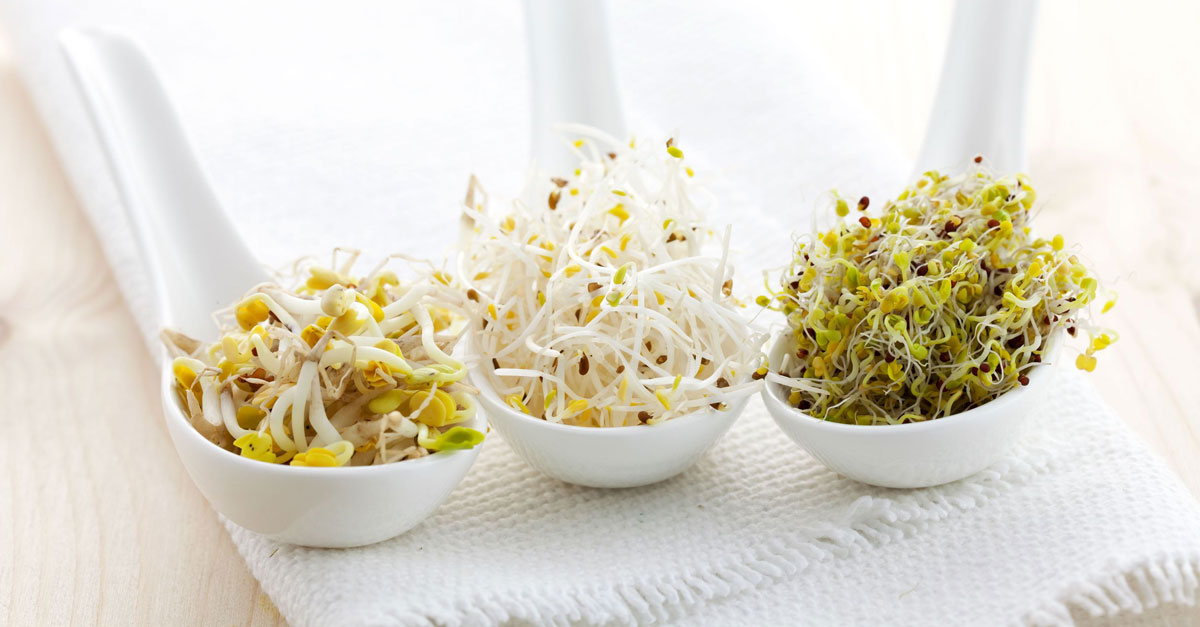
Eating Sprouted foods has been frequently touted as a healthy sign or consuming nutrient powerhouses. Sprouting increases concentrations of certain nutrients over a food’s non-sprouted version but the risk of contamination cannot be ignored. Sprouts like radish, alfalfa, clover, soybean, and broccoli are excellent sources of protein and a wide range of different nutrients that can help maintain good health.
Outbreak of number of food borne illnesses have been linked to sprouts. The illness seem to be caused by harmful bacteria such as Escherichia coli (E. coli)or Salmonella.
Sprouting Choices:
- Seeds that are generally sprouted include alfalfa, celery, clover, oats, radish, fenugreek, and sunflower. Soak the desired amount of seeds, in a two-quart jar by filling the jar half-way with tepid water and covering it with cheese-cloth or nylon, securing the cloth with a rubber band. Place the jar in a dark area, at about room temperature, for about five hours. After five hours, drain, rinse, and let the seeds stand without water for about eight to twelve hours. Rinse again and drain well to prevent rotting. For the next six days, the seeds should be rinsed and drained twice a day using lukewarm water. They should be kept at room temperature in a dark place. After the sixth day, place them in the light for one more day to increase their chlorophyll content. When determining the desired amount of seeds for each container, consider that seeds will expand about eight times the original amount. One jar may be used as a starter and others added as the need arises.
- Grains include rye, wheat, buckwheat, barley, millet, and rice. Their preparation is the same as for the seeds.
- Legumes nclude lentils, mung beans, and soy beans. Due to their hardness, they require an initial soaking of about fifteen hours. They should be rinsed twice a day and given three days for adequate germination. One cup of beans may be used for each two-quart jar, since expansion in their case is not so great as in the case of seeds and grains.
It should be noted that sunflower and lentil sprouts should not be larger than the seed itself in order to be palatable. The time required for these seeds to sprout is about two or three days.
How Sprouts Can Become Contaminated
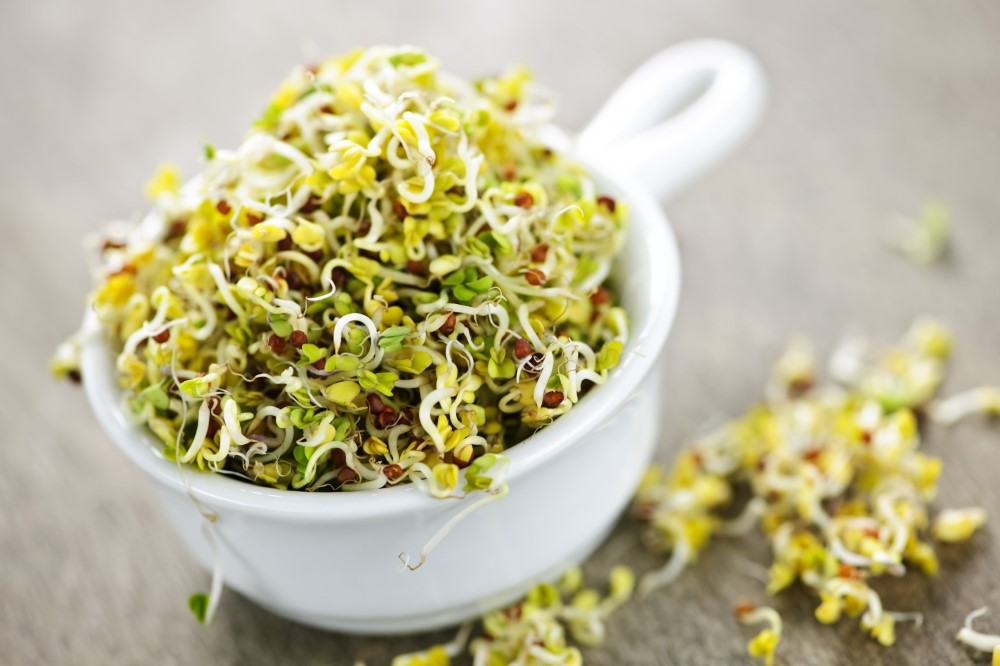
Scientists believe that the most likely source of contamination is the seeds that are used to grow the sprouts. Seeds may become contaminated by animal manure in the field or during storage, and the conditions required to grow sprouts (like warmth and humidity) are ideal for the rapid growth of bacteria. Poor hygienic practices in the production of sprouts have also caused some sprout-related outbreaks of foodborne illness in the past.
Most sprouts, including alfalfa sprouts, can only be eaten raw. This means they are not exposed to temperatures high enough to kill bacteria that may be present. Some sprouts, like mung bean sprouts, can also be eaten cooked. To ensure that bacteria are destroyed, these sprouts should be cooked thoroughly.
Benefits:
- They are a rich source of essential nutrients like Vitamin A, Vitamin C,Vitamin B1, Vitamin B6, and Vitamin K.
- They are an excellent source of enzymes, which can keep our bodieshealthy and fit.
- Sprouts are very high in protein. In fact, they can contain up to 35 percent protein. Adding sprouts to your diet will give you the necessary protein intake required by your body minus the fat, cholesterol, and calories that typically come with animal meats.
- It is easy to digest sprouts. Its digestibility is rooted from the high amount of enzymes that they contain. Eating sprouts can be very helpful for people with digestive or bloating problems.
- Idle choice for those seeking weightloss.
The Risks of Eating Raw Sprouts
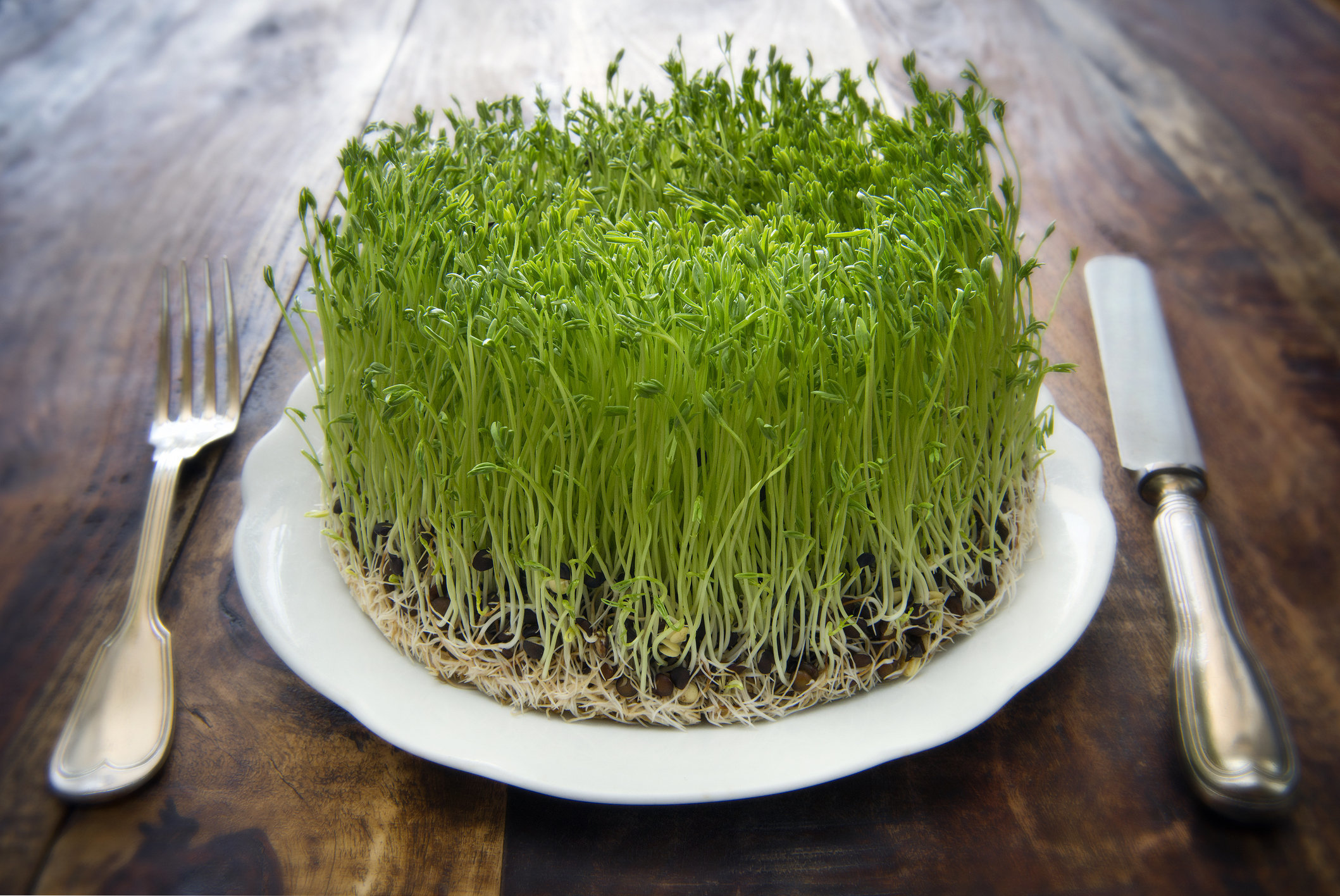
For all those who enjoy eating sprouts need to take precaution in order to avoid E. coli or Salmonella infection. Especially children, seniors and people with weak immune systems.
The symptoms of E. coli infection can include stomach cramps, vomiting, fever and bloody diarrhea. Symptoms can start within one to 10 days of eating contaminated food. A small percentage of people can develop a serious condition called haemolytic uremic syndrome, and may need blood transfusions and kidney dialysis. Severe cases could cause permanent kidney damage or even death.
People infected with Salmonella bacteria may experience fever, headache, stomach cramps, diarrhea, nausea and vomiting. These symptoms usually start six to 72 hours after eating contaminated food, and usually last for four to seven days. Severe cases may require hospitalization.
If you experience any of the symptoms of E. coli or Salmonella infection, you should contact your doctor immediately.
Precautions:
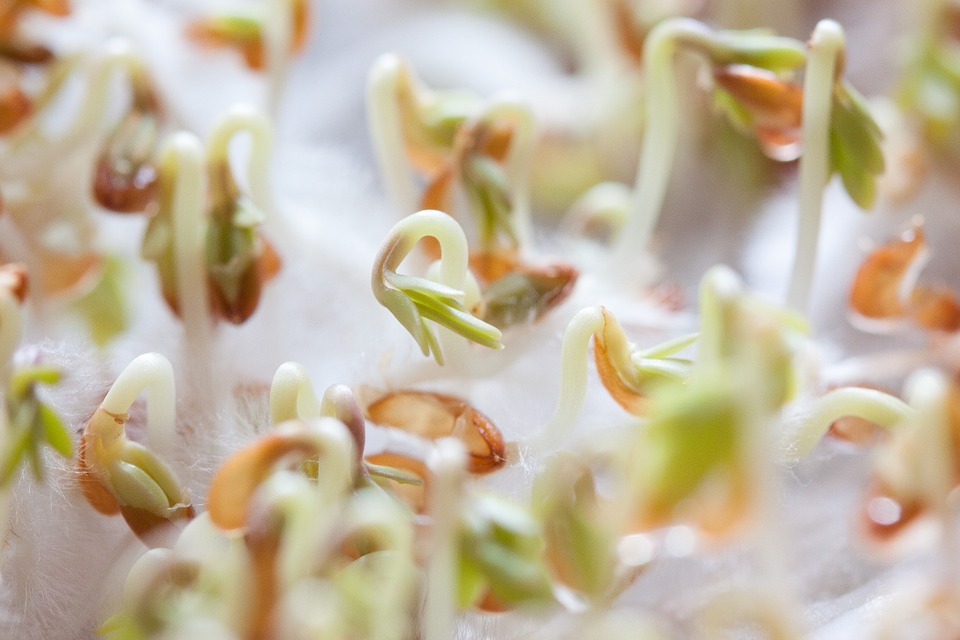
If you are a healthy adult and want to eat sprouts, you can reduce your risk by taking the following precautions:
- Buy sprouts that have been stored at refrigerated temperatures. Temperatures should be at or below 4蚓 (40蚌).
- Select crisp-looking sprouts. Avoid sprouts that look dark or smell musty.
- If buying bean sprouts in bulk display, use tongs, a glove or place a bag over your hand to place the sprouts into a plastic bag.
- Refrigerate the sprouts immediately when you get home. Your refrigerator temperature should be at or below 4蚓 (40蚌).
- Respect the best-before date on prepackaged sprouts. Throw away any unused sprouts after a few days, or as soon as they lose their crispness.
- If you choose to eat mung bean sprouts, make sure they have been thoroughly cooked to kill any bacteria that may be present. Reduce your risk of foodborne illness by avoiding raw or lightly-cooked mung bean sprouts.